Industry Knowledge Analysis
I. Development Trends in the Panel and Wall Materials Market
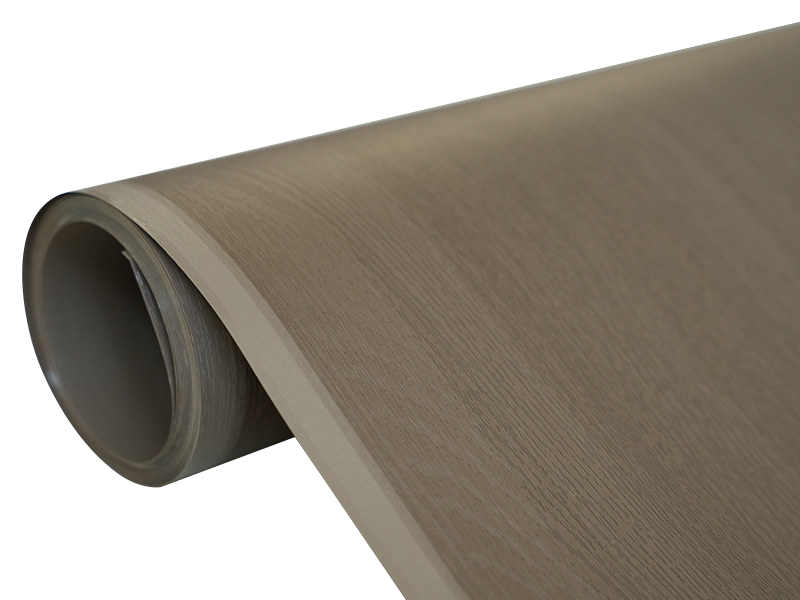
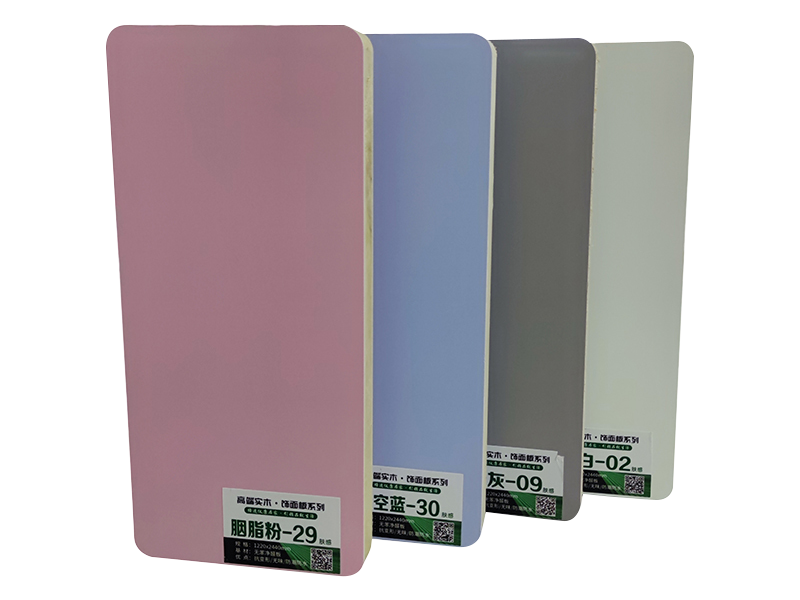
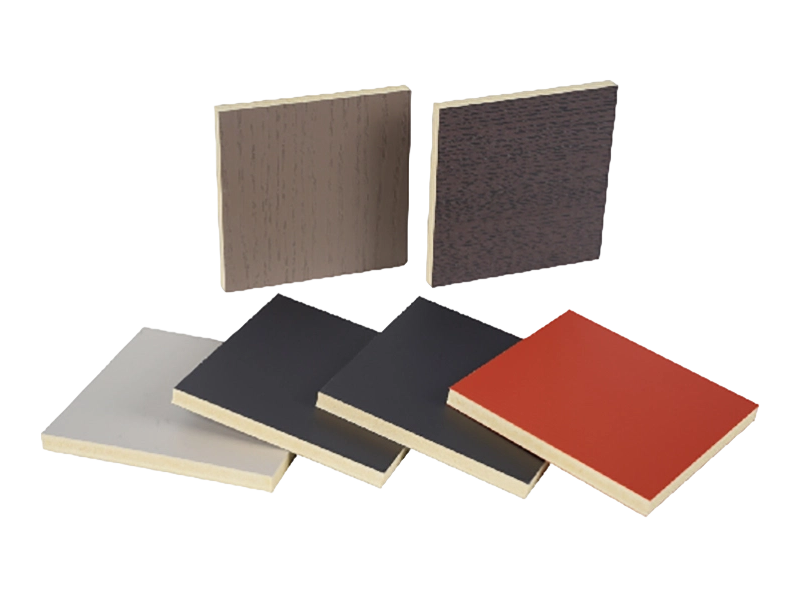
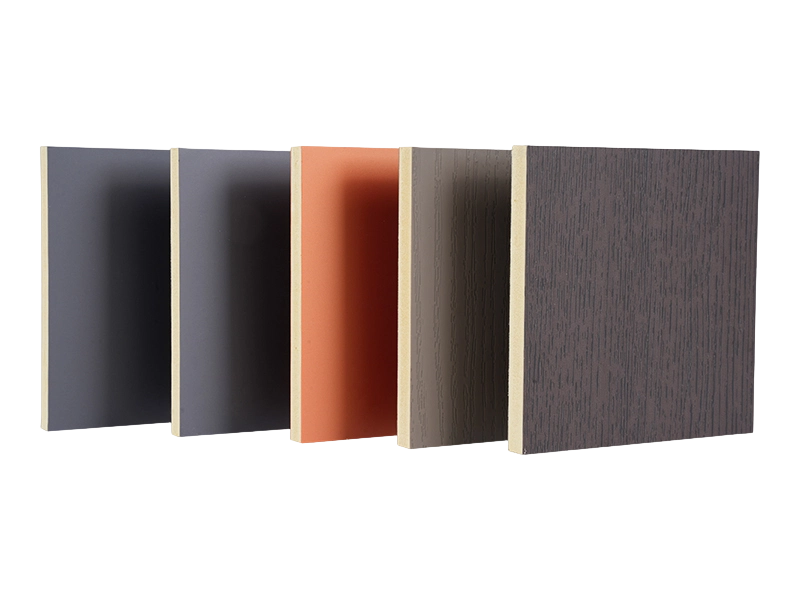
With the increasing demands for environmental protection, aesthetics, and construction efficiency in commercial spaces, residential decoration, and engineering projects, traditional single materials are gradually becoming insufficient to meet modern decoration needs. Cabinet Ply, Decorative Wall Panels, and WPC Wall Cladding are becoming popular material combinations in the building decoration industry.
These three product categories correspond to:
- Cabinet and Furniture Structures
- Interior Wall Decoration
- Exterior and Semi-Outdoor Wall Systems
They collectively drive the modern decoration industry towards "lightweight, environmentally friendly, and modular" development.
II. Cabinet Ply Industry Knowledge
1. What is Cabinet Ply?
Cabinet Ply typically refers to plywood products used in cabinets, wardrobes, bathroom vanities, and custom furniture. It is made of multiple layers of veneers pressed together, possessing good stability and load-bearing capacity.
Compared to ordinary boards, Cabinet Ply places greater emphasis on:
- flatness
- nail holding power
- moisture resistance
- processing stability
- Therefore, it is widely used in:
- kitchen cabinets
- furniture structural panels
- custom furniture
- commercial display cabinets
- interior woodworking projects
2. Core Advantages of Cabinet Ply
(1) Good structural stability
The multi-layered, staggered structure reduces the risk of deformation and cracking, making it suitable for long-term use.
(2) High processing adaptability
Cabinet Ply can be used for:
- CNC engraving
- grooving
- edge banding
- veneer
- drilling
suitable for modern custom furniture production lines.
(3) Suitable for various finishes
Common surfaces include:
- melamine
- wood veneer
- HPL
- PET
- UV coating
able to meet different style requirements.
3. Market Trends
Current international market demand for Cabinet Ply mainly focuses on:
- Environmental protection level
- Moisture resistance
- Lightweight structure
- FSC timber sourcing
- CARB/E0/E1 standards
Especially in North America, the Middle East, and Southeast Asia, demand for custom-made furniture continues to grow.
III. Decorative Wall Panels Industry Knowledge
1. What are Decorative Wall Panels?
Decorative wall panels are wall system materials used for interior space decoration, combining functionality and visual appeal.
Common types include:
- PVC wall panels
- MDF wall panels
- Wood veneer wall panels
- PET acoustic panels
- Bamboo and wood fiber wall panels
- Metal composite wall panels
They are widely used in:
- Hotels
- Offices
- Shopping malls
- Residential background walls
- Commercial space design
2. Industry Advantages of Decorative Wall Panels
(1) Enhanced Visual Layers
Compared to traditional latex paint, decorative wall panels offer:
- Wood grain effect
- Stone grain effect
- Three-dimensional shapes
- Light and shadow layers
Easier to create a modern spatial atmosphere.
(2) Higher Installation Efficiency
Modular installation reduces:
- On-site construction time
- Dust pollution
- Labor costs
- Suitable for rapid project delivery.
(3) Relatively Convenient Maintenance
Most decorative wall panels are:
- Easy to clean
- Moisture-proof
- Wear-resistant
- Stain-resistant
Suitable for high-frequency use scenarios.
3. Current Market Hot Trends
In recent years, the market has paid more attention to:
- Environmentally friendly decorative materials
- Formaldehyde-free wall panels
- Acoustic noise-reducing wall panels
- Luxury wood grain design
- Quick installation systems
Especially in commercial spaces and high-end decoration projects, the application of Decorative Wall Panels has seen significant growth.
IV. Industry Knowledge of WPC Wall Cladding
1. What is WPC Wall Cladding?
WPC (Wood Plastic Composite) is a composite material of wood powder and plastic.
WPC Wall Cladding is mainly used for:
- Building exterior walls
- Balcony areas
- Garden fencing
- Commercial facades
- Semi-outdoor spaces
It combines the texture of wood with the weather resistance of composite materials.
2. Core Features of WPC Wall Cladding
(1) Strong weather resistance
Compared to natural wood, WPC materials typically possess:
- Moisture resistance
- Corrosion resistance
- Insect resistance
- UV resistance
Suitable for complex climatic environments.
(2) Reduced Post-Maintenance Costs
Traditional wood requires frequent:
- Painting
- Preservative Treatment
- Maintenance
WPC wall panels have relatively low maintenance requirements.
(3) Visual Effect Closer to Natural Wood
Modern co-extrusion technology can achieve:
- Wood grain embossing
- Multi-color surface
- Three-dimensional texture
- It can balance a natural feel with modern architectural styles.
3. Development Trends in the WPC Industry
Current market hotspots include:
- Co-extruded WPC
- ASA surface technology
- Improved fire resistance
- Recyclable composite materials
- Low-maintenance outdoor systems
The demand for outdoor wall materials in Europe, America, and Southeast Asia continues to grow, driving the expansion of WPC wall panel exports.
V. Trends in the Combined Application of Three Types of Products
Modern building and decoration projects are increasingly inclined towards "integrated material solutions."
For example:
Application Area | Recommended Materials
Cabinet Ply | Interior Background Walls | Decorative Wall Panels | Exterior Walls & Balconies | WPC Wall Cladding
This combination achieves:
- Unified Style
- Coordinated Construction
- Systematized Materials
- Integrated Supply Chain
For project clients, building material distributors, and custom home furnishing companies, this product combination has strong market competitiveness.
VI. Future Industry Directions
In the next few years, the industry focus may be on:
- Environmental Protection – Demand for low-formaldehyde and recyclable materials continues to increase.
- Modularization – Quick-installation systems and prefabricated designs are improving construction efficiency.
- Personalized Design – Customized finishes such as wood grain, stone grain, and metal grain are becoming increasingly popular.
- Engineering Supply – Large-scale engineering projects are paying more attention to stable supply and system compatibility.
VII. Summary
Cabinet Ply, Decorative Wall Panels, and WPC Wall Cladding respectively cover three core application scenarios: furniture structure, interior decoration, and exterior wall cladding.
As the global building decoration industry moves towards environmental protection, high efficiency, and modern design, these three types of products are becoming an important part of the building materials market.
For building material suppliers and project clients, a product system possessing:
- stable quality
- diversified finishes
- environmental certifications
- project support capabilities
is more likely to gain sustained attention in the international market.
 English
 Español