 English
 Español

Zhongsheng
Zhongsheng
Zhongsheng
Zhongsheng
Zhongsheng
Zhongsheng
Zhongsheng
Zhongsheng
Zhongsheng
Zhongsheng
Zhongsheng
Zhongsheng
Zhongsheng
Zhongsheng
Zhongsheng
Modern construction, furniture, advertising, and interior decoration projects increasingly require materials that combine attractive appearance, dimensional stability, easy processing, and reliable performance in demanding environments. Traditional wood-based panels may provide a familiar appearance, but they can be vulnerable to moisture, swelling, rot, termites, and surface deterioration. Conventional rigid plastic sheets can solve some of these problems, yet they may not always provide the required combination of lightweight construction, machinability, decorative flexibility, and structural rigidity.
PET/PVC surface PVC foam board responds to these market requirements by combining a rigid polyvinyl chloride foam board with a decorative PET or PVC surface. The result is a multifunctional panel suitable for furniture, wall decoration, bathroom cabinetry, advertising displays, construction templates, and many other applications. It offers the visual flexibility of a decorative finish while retaining the practical advantages of a closed-cell PVC foam core.
Available in standard dimensions of 1220 × 2440 mm and thicknesses from 3 mm to 30 mm, the board can also be customized according to project requirements. Its density range of approximately 0.4–0.9 g/cm³ allows buyers to select a suitable balance between weight, rigidity, processing performance, and cost. Depending on the surface design, the material may be used as a decorative panel, furniture component, printed board, bathroom cabinet element, wall covering, display panel, or fabricated sign.
This article examines the product structure, manufacturing considerations, technical characteristics, application value, quality advantages, environmental profile, and purchasing factors associated with PET/PVC surface PVC foam board. It also explains why a manufacturer with long-term experience in PET film, plastic sheets, decorative film panels, and high-volume production can provide meaningful advantages to international customers.
1. Understanding PET/PVC Surface PVC Foam Board
PVC foam board, also called foam PVC sheet or Celuka board, is a lightweight rigid panel made primarily from polyvinyl chloride. Unlike a solid PVC sheet, it contains a closed-cell foam structure that reduces weight while maintaining useful rigidity. The surface is generally smooth, uniform, and suitable for printing, painting, laminating, veneering, or other decorative treatments.
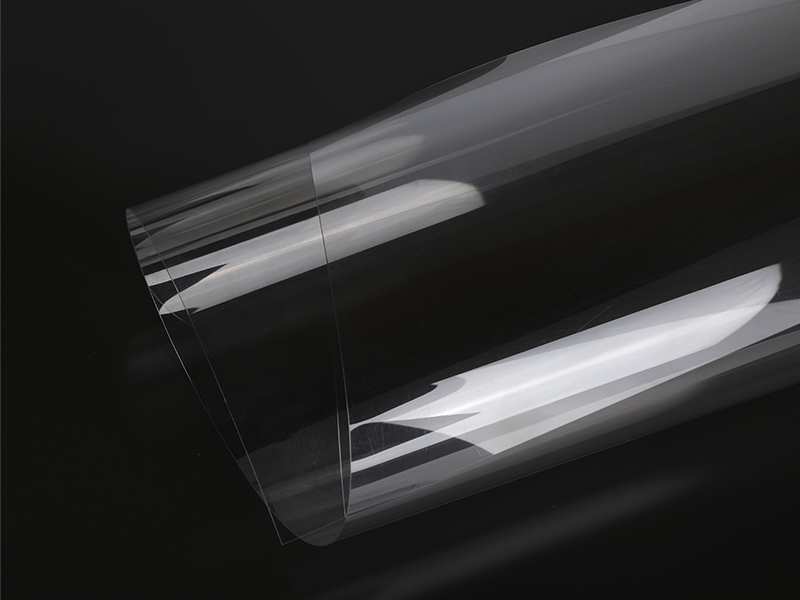
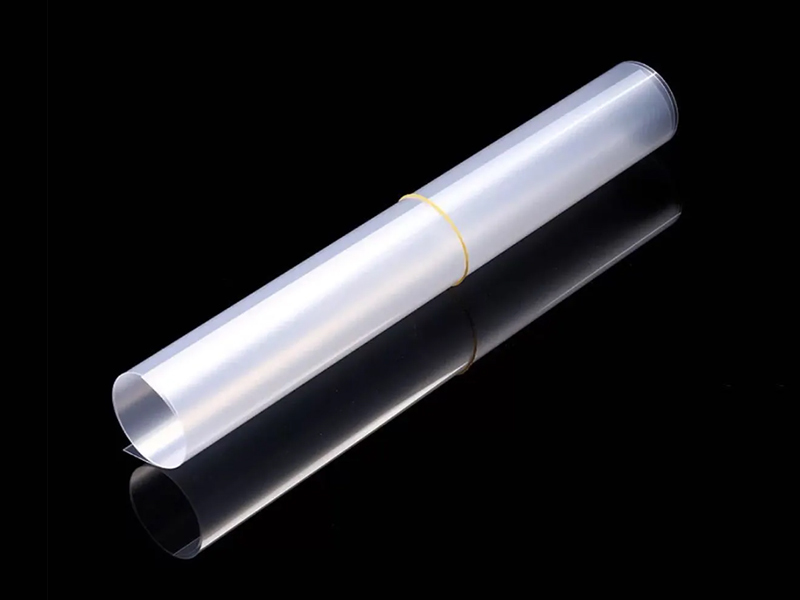
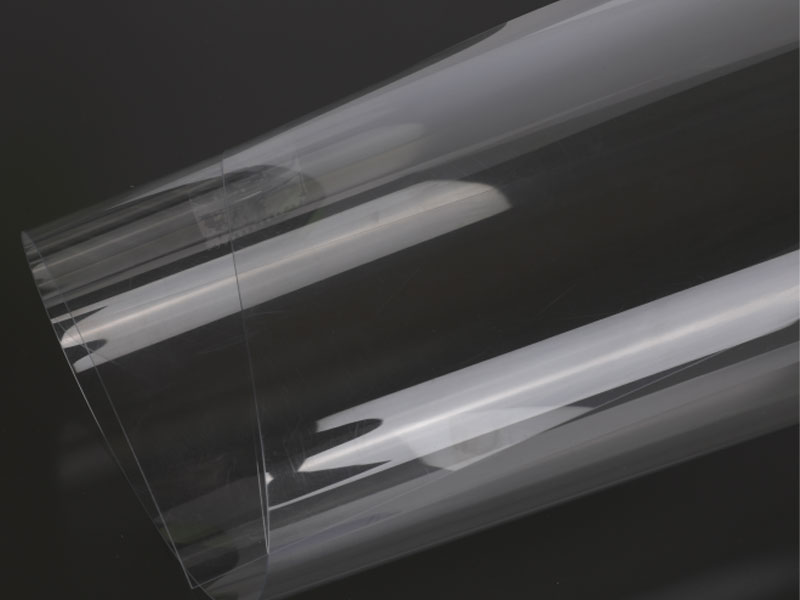
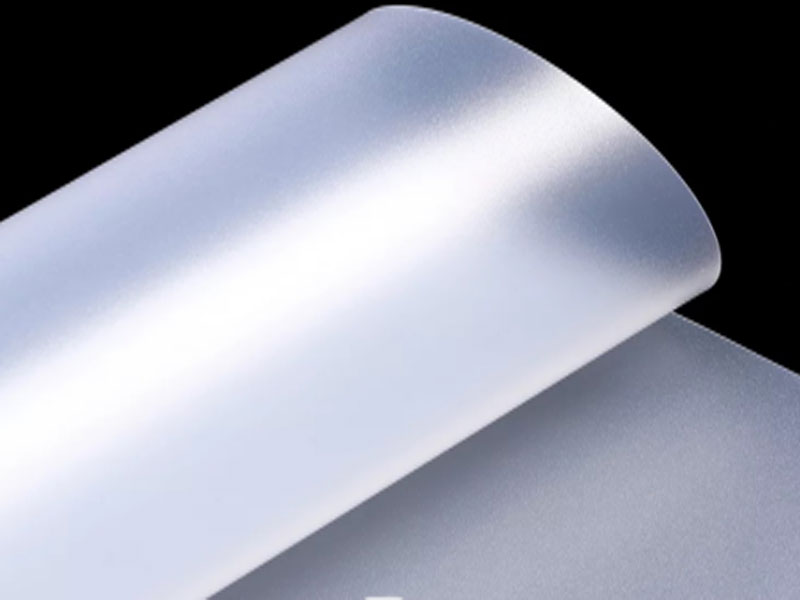
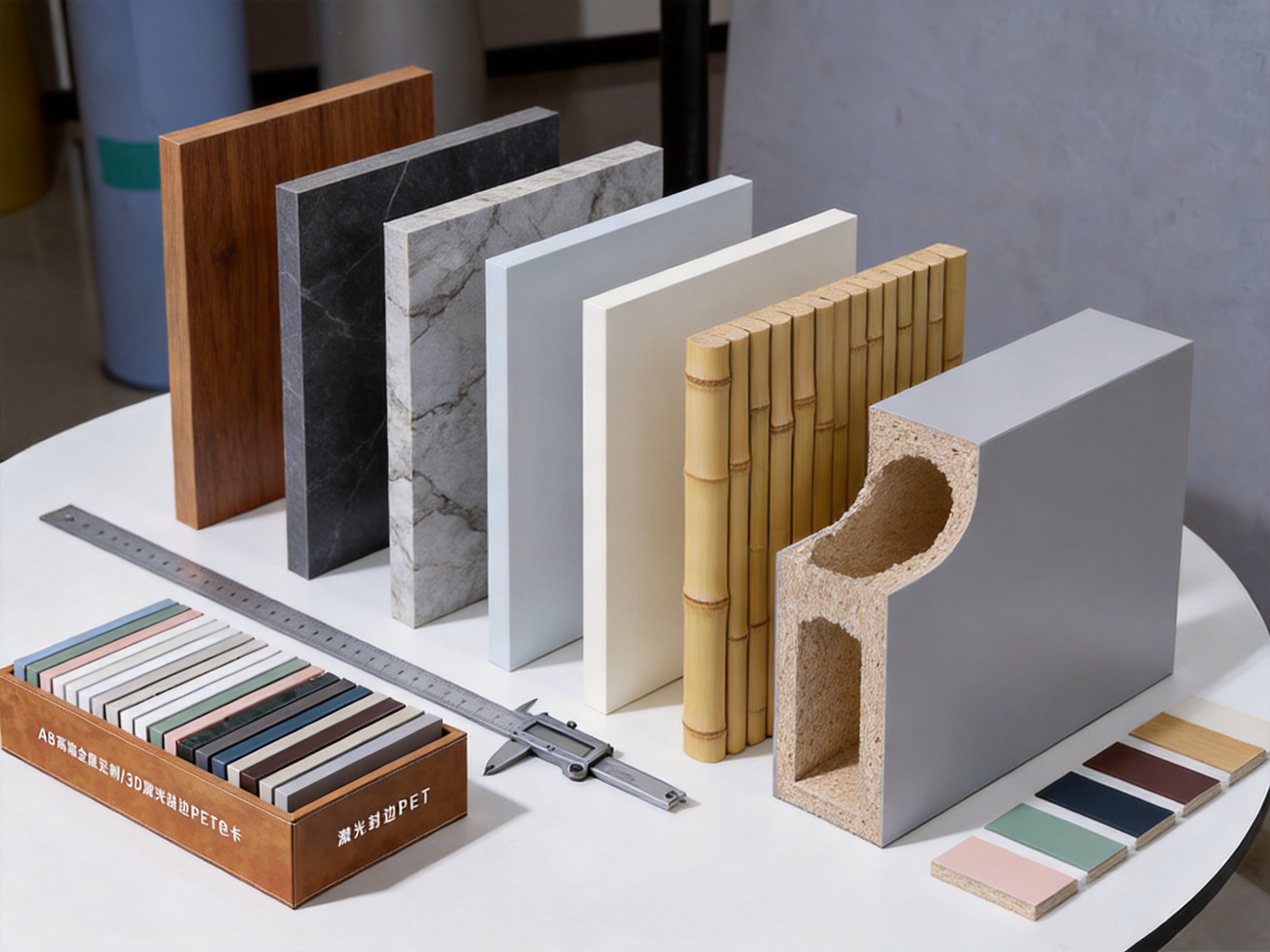
In the PET/PVC surface version, the basic PVC foam board is enhanced with a decorative surface layer. The surface may consist of PET film, PVC film, or a related decorative finish selected for the desired color, texture, gloss, pattern, or functional property. This layer can create wood-inspired, stone-inspired, solid-color, metallic, charcoal-style, bamboo-style, or other contemporary visual effects.
The combination is important because the core and the surface perform different roles. The foam core provides low weight, dimensional support, machinability, and moisture resistance. The decorative surface contributes visual appeal, cleanability, surface protection, and design consistency. Together, they form a panel that can replace several conventional materials in interior and commercial applications.
The material is often grouped with decorative finished panels, plastic sheets, furniture boards, and building materials. Although it may be used in applications traditionally associated with particle board or wood-based boards, it is fundamentally a PVC-based panel rather than a conventional wood particle board. This distinction is important when evaluating water resistance, formaldehyde content, pest resistance, and fabrication behavior.
1.1 Core Structure
The PVC foam core has a closed-cell structure. Small enclosed cells reduce the overall density of the board and contribute to its lightweight characteristics. At the same time, the outer skin and the rigid polymer matrix help the board retain its shape and provide a suitable surface for further processing.
A closed-cell structure also limits water absorption compared with many porous wood-based boards. When the edges are properly finished and the panel is correctly installed, the board is suitable for humid rooms, bathroom furniture, kitchen components, utility areas, and interior applications where exposure to moisture is a concern.
The core can be produced in different density levels. Lower-density grades may be beneficial when easy handling and low weight are priorities. Higher-density grades generally offer a harder surface, improved screw-holding potential, greater rigidity, and enhanced resistance to impact or handling damage. The appropriate grade depends on the end use, span, fastening method, decorative surface, and fabrication requirements.
1.2 PET and PVC Decorative Surfaces
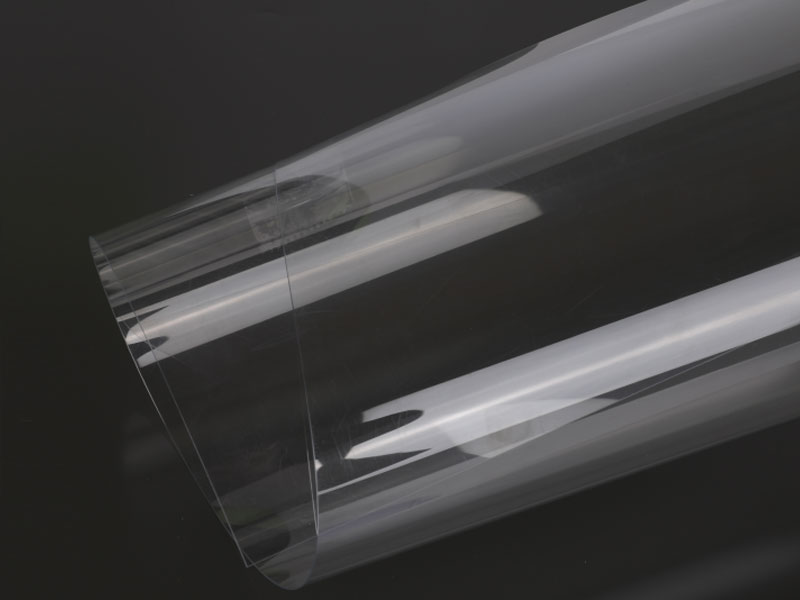
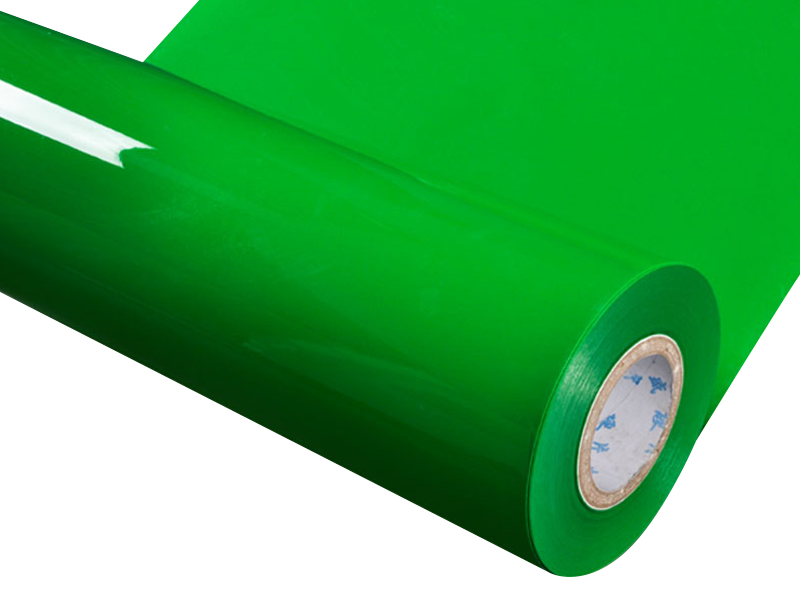
PET surface film is valued for its smooth appearance, attractive finish options, and suitability for decorative furniture and interior panels. PVC surface film is also widely used because it can provide a broad range of colors, patterns, textures, and wood-grain effects. Both surface types can be selected according to the project’s visual and performance requirements.
The decorative layer can help create a finished appearance without requiring extensive on-site painting or veneering. This may reduce installation time, simplify production, and improve design consistency across a group of panels. In furniture manufacturing, pre-finished boards can support more efficient cutting, edging, assembly, and delivery processes.
Surface selection should consider the intended environment. A panel installed in a dry interior display area may require a different finish from a bathroom vanity or a frequently cleaned commercial wall. Factors such as gloss level, scratch resistance, cleaning frequency, color stability, edge treatment, and compatibility with adhesives should be considered before production.
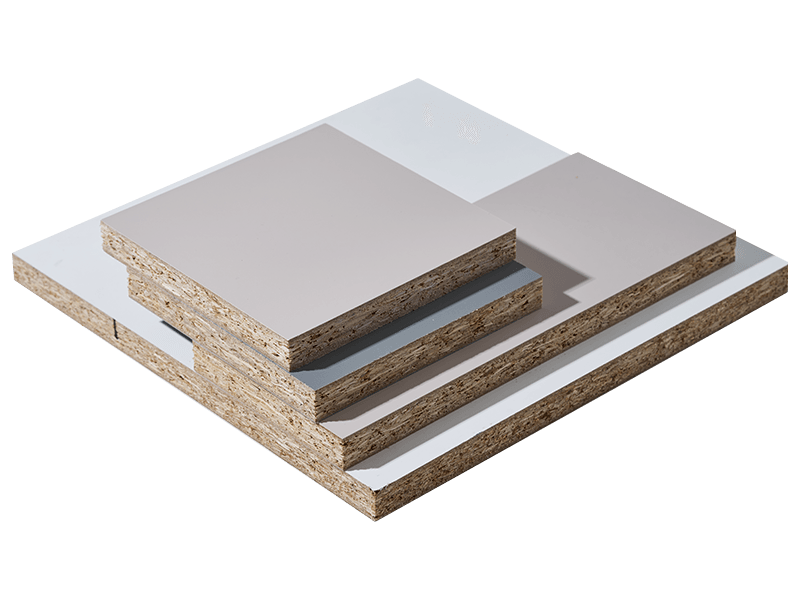
PET/PVC Surface PVC Foam Board/Charcoal Board/Bamboo Board
2. Main Technical Specifications
The product is designed for manufacturers, contractors, furniture producers, interior designers, sign makers, and distributors who need a customizable decorative board with a plastic-based core. The principal specifications are summarized below.
| Item | Typical Specification | Application Significance |
|---|---|---|
| Product type | PET film with PVC foam board or PVC decorative surface with PVC foam board | Combines a rigid lightweight core with a finished decorative layer |
| Standard size | 1220 × 2440 mm | Suitable for furniture panels, wall panels, signs, and fabrication layouts |
| Customization | Available according to project requirements | Supports special dimensions, finishes, and order specifications |
| Thickness | 3–30 mm | Allows selection for thin decorative elements or more rigid panel structures |
| Density | Approximately 0.4–0.9 g/cm³ | Provides options for weight, rigidity, machining, and structural performance |
| Core material | Rigid closed-cell PVC foam | Offers low water absorption, light weight, and practical machinability |
| Surface options | PET film, PVC film, decorative patterns, colors, and textures | Supports coordinated interior and furniture design |
| Processing methods | Cutting, drilling, milling, bending, printing, laminating, painting, and engraving | Suitable for customized fabrication and finished products |
| Typical uses | Furniture, wall panels, bathroom cabinets, advertising, construction, and decoration | Appropriate for commercial, residential, and industrial applications |
Specifications should be confirmed for each order because density, thickness, surface film, color, gloss, tolerance, and application requirements can influence final performance. In particular, a board used for a structural display, a bathroom cabinet door, and a printed advertising sign may require different density and surface configurations.
2.1 Thickness Selection
Thin 3 mm boards can be used for decorative overlays, backing elements, lightweight signage, interior inserts, and components where the panel is supported by another structure. Medium thicknesses are often appropriate for cabinet parts, furniture panels, display boards, and wall decoration. Thicker boards can provide improved rigidity for freestanding signs, larger panels, construction templates, and fabricated assemblies.
Thickness should not be selected only according to appearance. The designer should consider unsupported span, expected load, fastening position, cutting pattern, edge treatment, and whether the board will be attached to a substrate. A thicker board may be more suitable for a large unsupported panel, while a thinner board may be sufficient when the material is bonded to a stable backing.
2.2 Density Selection
Density affects handling, stiffness, surface hardness, screw retention, impact resistance, and machining behavior. A lower-density panel can be advantageous for large signs, lightweight furniture elements, and applications where the board is supported by a frame. A higher-density panel may be preferred for cabinet components, frequently handled display parts, and applications requiring a harder, more rigid surface.
Higher density does not automatically mean that a panel is the best choice for every project. It may increase weight and material consumption. The ideal specification is the one that meets the performance requirements without adding unnecessary mass or cost. A qualified supplier can help match board density and thickness to the intended application.
3. Product Advantages Over Conventional Panel Materials
PET/PVC surface PVC foam board competes with several categories of materials, including particle board, MDF, plywood, solid wood panels, acrylic sheets, aluminum composite panels, and solid PVC sheets. Each competing material has useful properties, but the PVC foam board configuration offers a particularly balanced combination of moisture resistance, low weight, decorative flexibility, and processing convenience.
3.1 Lightweight Yet Rigid
One of the product’s most important advantages is the balance between low weight and practical rigidity. The foam core reduces the amount of material required compared with a solid plastic sheet while retaining a firm panel structure. This makes boards easier to move, cut, install, and transport.
Reduced weight can be valuable in large wall installations, exhibition displays, shopfitting, furniture production, and advertising structures. Workers may be able to handle panels more efficiently, and installers may require less lifting equipment. Lower shipping weight can also contribute to logistical savings, particularly for large-volume orders.
Although lightweight, the board is not a flexible film. Its rigid format allows it to function as a panel, cabinet component, sign substrate, display board, or decorative wall element. The correct combination of thickness, density, support, and fastening is still necessary for each installation.
3.2 Waterproof and Moisture-Resistant Performance
Unlike many wood-based boards, PVC foam board does not readily absorb water through its polymer structure. This makes it appropriate for humid environments and applications where occasional moisture exposure is expected. Common examples include bathroom vanities, kitchen cabinets, laundry areas, wall cladding, utility spaces, and indoor advertising installations near entrances.
Moisture resistance can improve service life by reducing swelling, warping, delamination, and surface deterioration. The decorative film can further protect the visible face, while suitable edge sealing and installation practices help limit water entry through cut edges or joints.
The term waterproof should be evaluated in relation to the complete installation. The board itself offers strong resistance to water, but joints, fasteners, exposed edges, adhesives, and surrounding construction materials may still require protection. Continuous immersion, high-temperature steam, or exterior exposure should be reviewed with the supplier before use.
3.3 Resistance to Rot, Mold, Termites, and Corrosion
PVC-based boards do not provide the organic food source associated with wood products, which helps reduce concerns related to termites and biological decay. The non-porous or low-absorption surface also makes routine cleaning easier and can limit the conditions that support mold growth.
The polymer composition is also resistant to many common forms of corrosion that affect metal panels. This can be beneficial in decorative areas where the board may encounter humidity, cleaning products, or mild chemical exposure. However, chemical compatibility should always be checked for aggressive solvents, concentrated acids, strong alkalis, or unusual industrial environments.
3.4 Smooth and Uniform Surface
A smooth, even surface is important for both appearance and fabrication. The board can be printed, laminated, painted, veneered, or engraved, depending on the selected surface and production process. Uniformity helps reduce visual variation between panels and supports a professional finish in furniture, signage, and interior projects.
The PET or PVC surface can eliminate the need for certain secondary finishing operations. For example, a decorative wood-grain panel may be supplied ready for cutting and assembly rather than requiring separate painting or veneer application. This can help manufacturers standardize production and reduce dependence on on-site finishing conditions.
3.5 Good Machinability
PVC foam board can generally be cut, drilled, routed, milled, bent, engraved, and fabricated using appropriate tools and settings. It does not splinter in the same way as many wood products, allowing clean processing when the correct blade, bit, feed rate, and support method are used.
This machinability supports complex designs such as routed lettering, shaped cabinet doors, display stands, decorative partitions, signage, and custom wall elements. Computer numerical control routing can also be used for repeated designs and precise component production.
Machining should be tested on the selected thickness, density, and decorative finish before large-scale production. Tool temperature, cutting speed, chip removal, edge support, and surface protection can affect the quality of the finished part.
3.6 Formaldehyde-Free and Non-Toxic Interior Profile
PVC foam board is a formaldehyde-free alternative to many wood-based boards that use formaldehyde-containing resin systems. This characteristic is valuable for interior decoration, furniture, retail displays, and other spaces where indoor air quality is an important consideration.
The complete product system should still be evaluated, including surface film, adhesives, edge bands, inks, coatings, and installation materials. A responsible buyer should request the relevant declarations, test reports, or compliance documents required for the target market and application.
3.7 Low Maintenance and Easy Cleaning
The finished surface can generally be cleaned with a soft cloth and a suitable mild cleaning solution. This is useful in kitchens, bathrooms, retail displays, offices, hospitals, hospitality spaces, and public interiors where frequent maintenance is necessary.
Because the surface is decorative and relatively smooth, dirt is less likely to become embedded than it would be in heavily textured or porous materials. Regular cleaning helps preserve the appearance of the panel and reduces the need for repainting or refinishing.
4. Decorative Design Possibilities
Interior design has moved beyond the simple choice between painted walls and natural wood. Designers now seek surfaces that can express different styles while meeting practical requirements. PET/PVC surface PVC foam board can support minimalist, industrial, natural, commercial, and high-contrast design concepts.
4.1 Wood, Bamboo, and Natural-Inspired Finishes
Bamboo-style and wood-inspired surfaces can create a warm visual effect without the moisture sensitivity associated with untreated natural wood. These finishes are useful for wall panels, furniture fronts, reception counters, retail displays, and hospitality interiors.
Natural-inspired films can also provide greater consistency than natural materials. Repeated panels can be produced with coordinated color and pattern, helping designers maintain a uniform appearance over a large area. This is particularly useful for commercial interiors that require a repeatable design across multiple locations.
4.2 Charcoal and Contemporary Finishes
Charcoal-style finishes can contribute to modern industrial interiors, dark feature walls, retail fixtures, office furniture, and decorative partitions. Combined with contrasting colors, metal details, lighting, or natural textures, a dark panel can create a strong architectural focal point.
The board format makes these visual concepts easier to fabricate than some traditional solid materials. Panels can be cut into geometric shapes, routed for patterns, or combined with other materials to create layered designs.
4.3 Printed and Branded Surfaces
The smooth surface is suitable for printing and visual communication. Advertising signs, information boards, exhibition panels, point-of-sale displays, and promotional structures can benefit from a stable substrate with a clean appearance.
For printed applications, ink adhesion, color performance, surface protection, and expected exposure should be confirmed. Indoor signs may require different surface treatments from outdoor or semi-outdoor displays. The manufacturer or fabricator should evaluate the selected printing method before starting a large production run.
5. Applications Across Multiple Industries
5.1 Furniture Manufacturing
PET/PVC surface PVC foam board is suitable for furniture components such as cabinet doors, side panels, drawer fronts, shelves, partitions, decorative inserts, and backing panels. The finished surface can reduce the number of coating steps and create a consistent appearance across an entire product range.
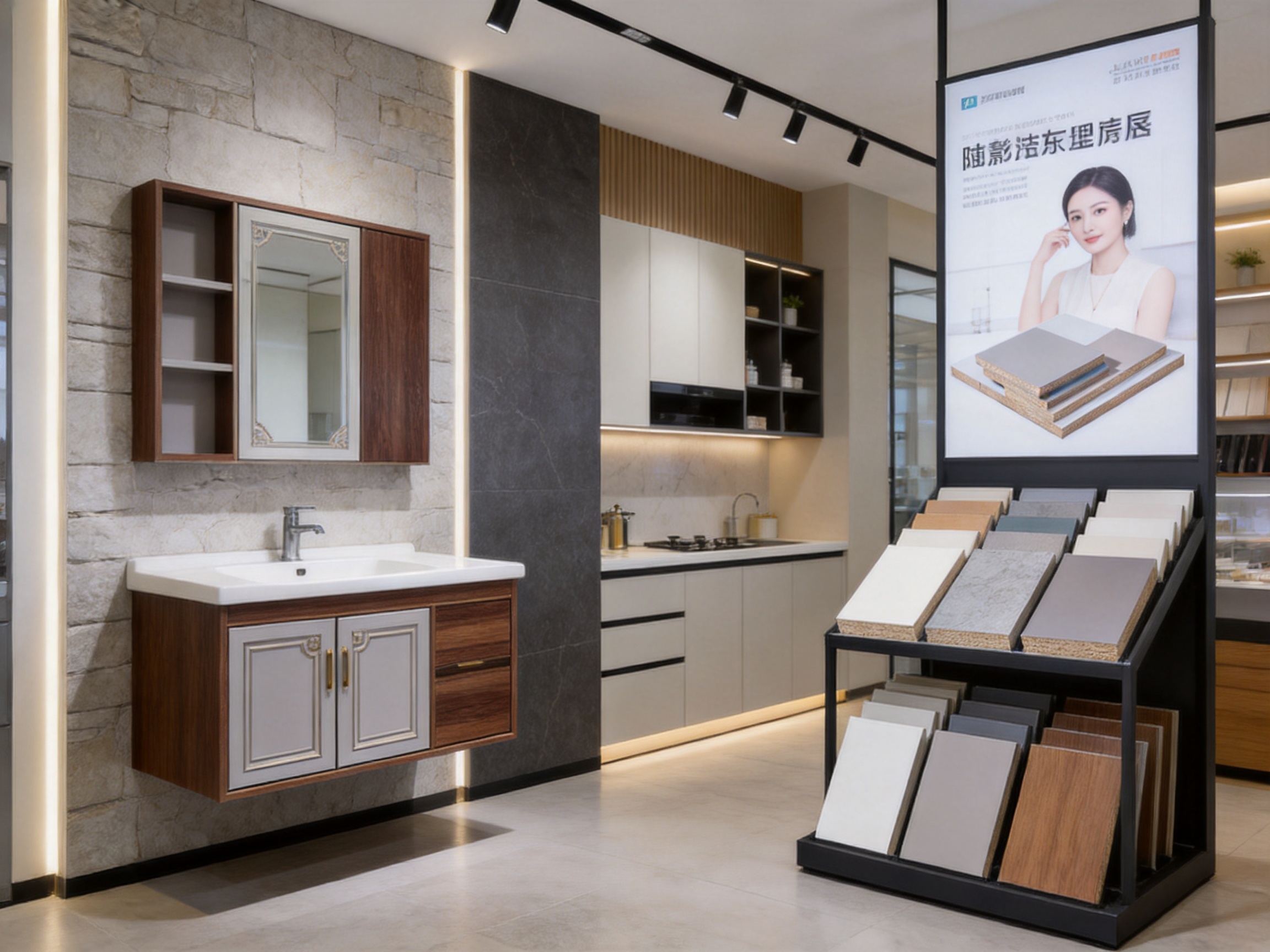
Bathroom furniture is a particularly relevant application because moisture resistance is a major requirement. Vanity units, cabinet doors, open shelving, and wall-mounted storage can benefit from a board that does not swell as readily as conventional wood-based materials. Edge design and sealing remain important, especially around cutouts, plumbing openings, and joints.
Kitchen furniture can also use the material for cabinet fronts, decorative side panels, splashback elements, and internal structures. Designers should consider heat exposure near ovens, cookers, and high-temperature appliances. Where elevated temperatures are expected, the specific product grade and installation method should be verified.
5.2 Bathroom Vanities and Wet-Area Interiors
Bathroom environments expose furniture and wall materials to humidity, splashing, cleaning products, and regular temperature changes. A waterproof or moisture-resistant PVC foam core helps reduce the risk of swelling and deterioration.
The board can be used for vanity fronts, cabinet bodies, mirror backing panels, storage units, decorative wall sections, and partition components. PET and PVC decorative surfaces offer opportunities to create coordinated bathroom interiors ranging from bright, clean finishes to dark stone, charcoal, bamboo, or wood-inspired designs.
5.3 Wall Panels and Interior Decoration
Interior wall panels require a combination of visual appeal, dimensional stability, cleanability, and installation efficiency. PVC foam board can be attached to suitable substrates or assembled as part of a framed decorative system. It can also be cut into strips, rectangles, geometric patterns, or custom shapes.
Because the panel is lightweight, it can be easier to handle than heavier stone, ceramic, glass, or solid wood alternatives. The final installation should account for wall flatness, expansion allowances, adhesive compatibility, mechanical fastening, and access to electrical or plumbing services.
5.4 Advertising and Display Structures
Advertising companies use rigid boards for signs, retail displays, exhibition stands, promotional panels, directional boards, and temporary installations. A smooth surface supports direct printing or application of printed graphics, while the rigid core provides dimensional stability during handling and display.
The board can be routed into letters, logos, arrows, frames, and decorative elements. It can also be combined with lighting, metal brackets, acrylic components, aluminum profiles, and printed films. Its low weight is useful when displays need to be installed, relocated, or dismantled regularly.
5.5 Construction Templates and Fabrication
PVC foam board can be used for construction templates, mock-up panels, interior fit-out components, and non-load-bearing fabricated elements. It is easy to cut and modify, making it suitable for prototypes and repeated patterns.
It should not be treated as a universal replacement for structural building materials. Load-bearing, fire-rated, exterior, or highly exposed applications require project-specific engineering review. Within suitable non-structural roles, however, the board can offer a practical and economical alternative to more difficult-to-process materials.
5.6 Retail, Hospitality, and Commercial Interiors
Retail stores, restaurants, hotels, offices, showrooms, and exhibition spaces often require fast visual updates and coordinated decorative surfaces. PET/PVC surface boards can help create reception desks, branded wall panels, shelving, display fixtures, partitions, menu boards, and decorative columns.
The material supports repeatable designs and can be produced in various colors and textures. If a business operates several locations, standardized surface specifications can help maintain brand consistency while allowing local fabricators to cut and assemble panels according to site conditions.
6. Manufacturing Strengths and Production Capability
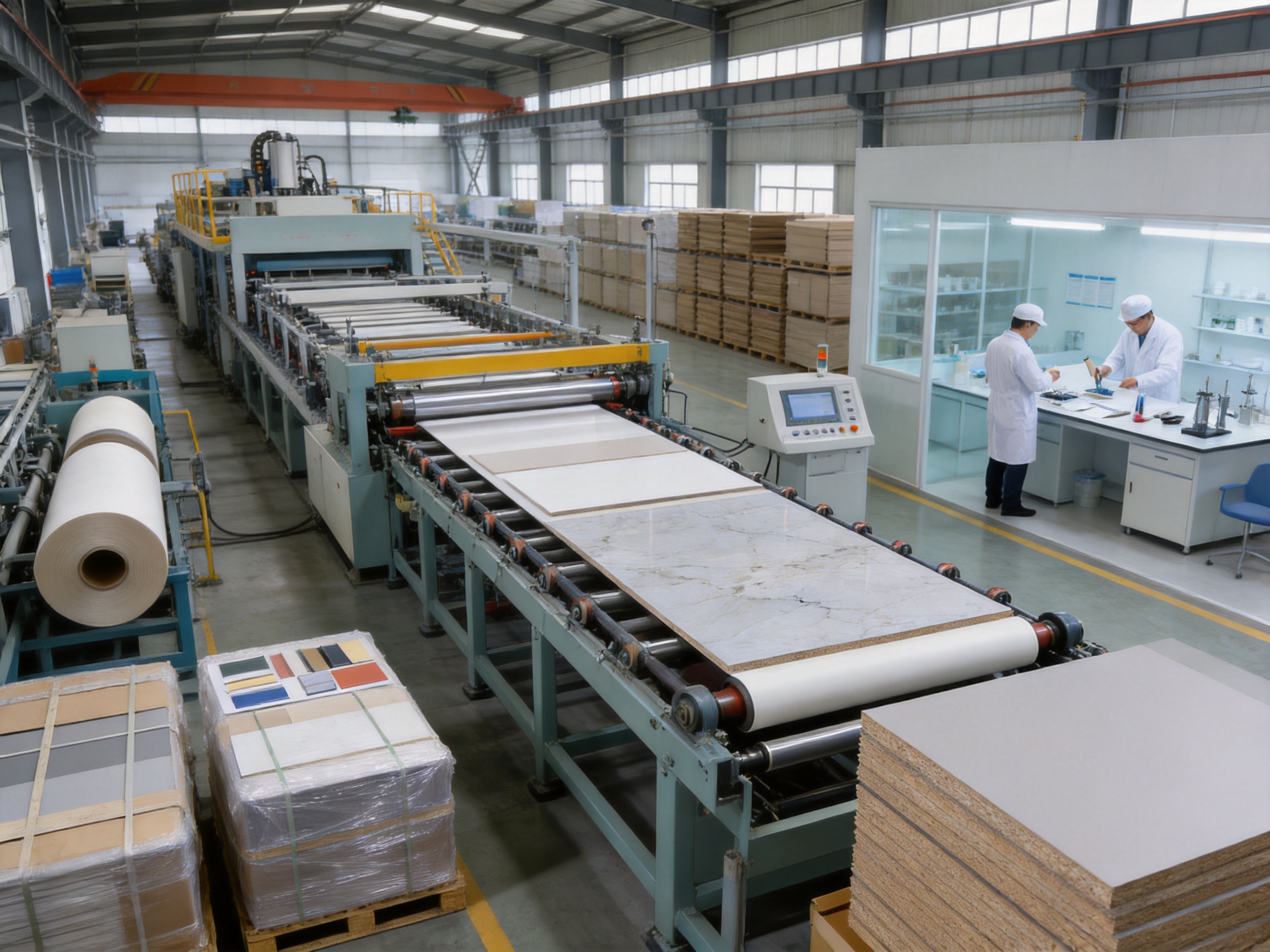
The performance of a decorative panel depends not only on its raw materials but also on the consistency of its manufacturing process. A manufacturer with experience in plastic sheets, PET film, and decorative film panels can control more stages of the value chain than a trading company that only purchases finished boards.
ZheJiang ZhongSheng New Materials Co., Ltd. was established in 2006 and has focused on the PET industry for more than 16 years. Its stated manufacturing base includes approximately 40,000 square meters of production area, 33 production lines, more than 100 sets of machinery and equipment, two laboratories, and an R&D team. The company reports an annual production capacity of approximately 70,000 tons.
This scale is important for customers that require regular supply, repeat orders, customized specifications, or international distribution. A broad production platform can support better scheduling flexibility, more stable capacity planning, and improved responsiveness to changing market requirements.
6.1 Experience in PET and Plastic Film Technologies
The company’s product portfolio includes PETA, PETG, and PET-GAG materials for thermoforming, vacuum forming, blister packaging, furniture decorative film panels, and related applications. This background is relevant to PET/PVC surface foam board because surface-film quality has a direct effect on the appearance and durability of the finished panel.
Experience with film production can support control of thickness, transparency or opacity, surface appearance, winding quality, print compatibility, and lamination performance. These factors are important when a film is used as a visible decorative surface rather than simply as an internal layer.
6.2 Research, Testing, and Quality Management
The company has two laboratories and an R&D team, providing a foundation for material development, process evaluation, and quality testing. Laboratory capabilities are valuable because decorative boards must meet more than a visual standard. They also need to maintain dimensional consistency, surface adhesion, appearance uniformity, and physical performance.
Typical quality-control considerations may include thickness measurement, density verification, surface inspection, color consistency, adhesion assessment, dimensional tolerance, water resistance, and processing trials. Specific testing procedures and standards should be confirmed with the supplier for each product grade and target market.
Scientific management is particularly important in large-volume production. When a customer places repeat orders, consistent raw-material selection, process parameters, film specifications, and inspection procedures help reduce variation between batches.
6.3 Production Scale and Supply Reliability
With reported annual production capacity of about 70,000 tons and a broad equipment base, the company is positioned to serve both standard and customized requirements. Production scale may support larger order quantities, regular export programs, and coordinated shipments of related PET and decorative products.
Supply reliability also depends on communication, production planning, packaging, inspection, and logistics. Buyers should discuss minimum order quantities, lead times, packaging requirements, sample approval, container loading, replacement policies, and documentation before confirming a long-term purchasing arrangement.
6.4 Product Development and Patents
The company reports more than 60 invention and utility patents. Patents do not by themselves guarantee that every product is suitable for every application, but they indicate continued investment in product development and technical improvement.
Self-developed PETG films used in furniture decoration panels demonstrate attention to the decorative materials sector. This type of application knowledge can help the manufacturer understand the requirements of furniture producers, interior contractors, and panel distributors.
7. Manufacturing Process Considerations
The precise manufacturing formula and process parameters may vary according to the product grade, but PET/PVC surface PVC foam board generally involves several coordinated stages. The objective is to produce a stable foam core, create a consistent surface, and achieve reliable bonding between the core and the decorative film.
7.1 Raw-Material Preparation
Production begins with the selection and preparation of PVC resin, processing aids, stabilizers, pigments, foaming agents, and other approved additives used in the foam-board formulation. PET or PVC decorative film is selected according to the specified color, pattern, texture, gloss, and application requirements.
Raw materials must be stored under suitable conditions to limit contamination, moisture, deformation, or damage. Film rolls should be inspected for surface defects, winding problems, color differences, and packaging integrity before use.
7.2 Mixing and Compounding
Plastic raw materials and additives are blended to produce a uniform compound. Consistent mixing helps ensure that the board has stable density, color, processing behavior, and mechanical properties. The formulation can be adjusted to support different thicknesses, densities, surface requirements, and fabrication applications.
Process control at this stage is important because uneven dispersion can lead to visual defects, weak areas, inconsistent foaming, or differences in machining performance. A professional production line uses defined procedures for weighing, mixing, temperature management, and batch identification.
7.3 Extrusion and Foam Formation
The prepared compound is processed through an extrusion system. Heat and pressure soften the PVC compound, while the foaming system creates the closed-cell structure. The extrusion process forms a continuous board profile that is shaped according to the required width and thickness.
Temperature, pressure, screw speed, die design, cooling conditions, and line speed affect the final structure. Stable control helps maintain uniform density and consistent dimensions across the board. Excessive variation can cause warping, uneven surfaces, internal defects, or thickness differences.
7.4 Surface Formation and Calibration
After extrusion, the board passes through calibration and cooling stages that help establish its final thickness, flatness, and surface quality. The outer skin may be controlled to provide a suitable foundation for lamination, printing, painting, or other finishing operations.
Calibration is especially important for furniture and wall-panel applications because uneven thickness can complicate cutting, edging, assembly, and installation. A flat, stable board is easier for downstream fabricators to process accurately.
7.5 Film Lamination
The PET or PVC decorative film is bonded to the prepared board surface under controlled conditions. Factors may include surface cleanliness, adhesive selection, temperature, pressure, line speed, and tension control. Proper lamination reduces the risk of bubbles, wrinkles, delamination, surface marks, and inconsistent appearance.
For double-sided or specially finished boards, the production sequence must be coordinated to protect the first finished surface while treating the second face. The customer’s requirements should specify whether one or both sides are decorative, whether the edges are finished, and how the film should be protected during shipping and fabrication.
7.6 Inspection and Packaging
Finished boards are inspected for size, thickness, flatness, surface appearance, color, film adhesion, edge condition, and packaging quality. Protective films or separators may be applied to reduce scratching and contamination during transport.
Packaging should be appropriate for the product’s dimensions and shipping route. Large boards need support against bending, impact, moisture, and movement within the container. Export buyers should confirm pallet design, stacking limits, loading orientation, marking requirements, and protection for long-distance transportation.
8. Environmental and Health Considerations
Environmental performance is now a major purchasing factor for decorative building materials. PET/PVC surface PVC foam board offers several characteristics that can support responsible material selection, including long service life, low maintenance, moisture resistance, and recyclability.
8.1 Long Service Life
A durable panel may need to be replaced less frequently than a material that swells, rots, or deteriorates quickly in humid conditions. Longer service life can reduce material consumption, renovation disruption, disposal requirements, and maintenance costs over the life of an installation.
Durability depends on correct product selection and installation. Exposure to excessive heat, strong chemicals, heavy impact, or unsuitable outdoor conditions can reduce service life. Buyers should match the material to the actual environment rather than relying only on general product descriptions.
8.2 Recyclability
The product information identifies the board as 100% recyclable. Recycling depends on local collection systems, the separation of films, adhesives, mixed materials, and contamination levels. Designers can support future recycling by minimizing unnecessary combinations of incompatible materials and by documenting the panel composition.
Manufacturing scrap may also be managed through controlled recycling or reprocessing programs where technically and legally appropriate. Customers seeking sustainability documentation should ask for specific information about recycled content, production scrap handling, end-of-life pathways, and market-specific environmental declarations.
8.3 Formaldehyde-Free Interior Use
The stated formaldehyde-free and non-toxic characteristics are relevant to furniture, wall panels, and interior decoration. Compared with many conventional wood-based panels, a PVC foam board does not rely on the same formaldehyde-containing wood-resin system.
Even so, a complete indoor-air-quality assessment should include every component used in the final assembly. Adhesives, printing inks, coatings, edge treatments, and cleaning products can influence emissions. Documentation should be requested where projects have specific green-building or indoor-air-quality requirements.
8.4 Lower Maintenance Requirements
Easy cleaning and resistance to moisture can reduce the need for repainting, sealing, or frequent replacement. In commercial interiors, this may help lower operational maintenance requirements. A smooth surface also allows routine cleaning to be performed with common mild cleaning methods, provided aggressive chemicals and abrasive tools are avoided.
9. Installation and Fabrication Guidance
Good product performance depends on good fabrication and installation. Before full production, fabricators should make a sample using the actual film, thickness, density, tools, adhesive, fasteners, and edge treatment intended for the project.
9.1 Cutting and Routing
Use sharp, suitable tools and provide stable support beneath the board. The cutting method should minimize heat buildup and prevent unnecessary pressure on the decorative surface. For CNC routing, tool geometry, feed speed, spindle speed, and chip evacuation should be optimized through trial cuts.
Protective film should remain in place during fabrication when possible, but it should not interfere with accurate measurement or cause overheating. Cut edges should be inspected for burrs, tearing, film lifting, or compression marks.
9.2 Drilling and Fastening
Drilled holes should be positioned to maintain sufficient edge distance and avoid cracking or deformation. The selected screw, insert, bracket, or anchor should be matched to the board density and expected load. For heavier components, the panel may need reinforcement, a frame, or attachment to a suitable substrate.
Do not assume that a lightweight foam board has the same fastener-holding capacity as plywood or solid wood. The fastening design should consider the load direction, repeated use, vibration, and safety requirements of the installation.
9.3 Adhesive Installation
Adhesive selection should account for the PVC core, PET or PVC film, substrate, temperature, humidity, curing time, and expected movement. Surfaces must be clean, dry, and free from dust or oil. A small compatibility test should be completed before applying adhesive across a large area.
Large wall panels may require both adhesive and mechanical support depending on their size, location, and safety requirements. Expansion gaps, joint design, and access for future maintenance should be considered during layout.
9.4 Edge Treatment
Edges are important in moisture-resistant applications. Exposed cut edges can be finished with matching profiles, edge bands, sealants, coatings, or other suitable methods. In bathroom and kitchen installations, particular attention should be given to sink cutouts, plumbing openings, corners, and bottom edges.
Edge treatment also affects appearance. A coordinated edge can make a decorative panel look like a complete finished component, while an untreated edge may reveal the foam core and reduce visual quality.
10. Quality Evaluation Before Purchase
Buyers should evaluate samples before placing a large order. A sample review can reveal information that is not visible in a specification sheet, including tactile quality, gloss, color accuracy, film adhesion, edge behavior, cutting performance, and surface consistency.
Important questions include whether the standard size is suitable for the production layout, whether the requested thickness is available, whether the density is consistent, and whether the decorative film matches the project’s expectations. Buyers should also ask how color differences are managed between production batches.
For export projects, customers may request technical data sheets, safety documentation, test reports, packing information, certificates of origin, and other documents required by the destination country. If a project has fire, smoke, antibacterial, food-contact, outdoor-weathering, or building-code requirements, these should be discussed before production rather than after delivery.
10.1 Appearance Inspection
Inspect the board under suitable lighting for scratches, wrinkles, bubbles, pinholes, color variation, contamination, uneven gloss, edge damage, and film lifting. Compare multiple sheets from the same batch and, where possible, compare them with an approved reference sample.
10.2 Dimensional Inspection
Measure length, width, thickness, squareness, and flatness according to the agreed tolerances. Dimensional accuracy is particularly important for cabinet production, CNC fabrication, modular wall systems, and repeated advertising components.
10.3 Performance Testing
Depending on the application, performance checks may include water exposure, adhesion testing, bending or rigidity assessment, surface scratch evaluation, cleaning resistance, machining trials, and temperature conditioning. The test method should reflect actual service conditions and should be agreed with the manufacturer.
11. Why Manufacturer Experience Matters to Buyers
Purchasing a decorative panel is not simply a matter of comparing price per sheet. The total value includes specification accuracy, batch consistency, surface quality, production capacity, technical support, packaging, delivery performance, and the supplier’s ability to solve problems.
A manufacturer experienced in both PET film and plastic sheet production can understand the relationship between the decorative surface and the foam-board core. This is useful when customers require customized film designs, special thicknesses, coordinated materials, or integration with furniture and wall-panel systems.
The company’s reported manufacturing area, production lines, laboratories, machinery, annual capacity, R&D resources, and patent portfolio indicate a substantial industrial platform. Its more than 16 years of PET-industry experience also provides a foundation for serving customers that require ongoing technical communication rather than one-time commodity purchasing.
For international buyers, direct communication with the manufacturer can help clarify product construction, production scheduling, customization limits, packaging, and documentation. It can also simplify the process of developing a new decorative finish or adapting the board to a specific fabrication method.
12. Frequently Asked Questions
12.1 What is PET/PVC surface PVC foam board?
It is a rigid lightweight PVC foam board with a decorative PET or PVC surface film. The closed-cell PVC core provides low weight, moisture resistance, rigidity, and machinability, while the surface film supplies color, texture, pattern, gloss, and visual protection.
12.2 Is the product the same as particle board?
No. It may be used in some applications associated with particle board, such as furniture, cabinets, and decorative panels, but its core is made from PVC foam rather than wood particles bonded with resin. This gives it different moisture, pest, chemical, and processing characteristics.
12.3 What standard sizes are available?
The listed standard size is 1220 × 2440 mm. Customized sizes may be discussed according to production capability, order quantity, transportation requirements, and project specifications.
12.4 What thicknesses can be supplied?
The stated thickness range is approximately 3 mm to 30 mm. The correct thickness depends on the panel’s span, support, fabrication method, fastening design, and expected use.
12.5 What density options are available?
The listed density range is approximately 0.4–0.9 g/cm³. Lower-density boards may be useful where low weight is important, while higher-density boards may provide a harder and more rigid panel. Availability should be confirmed for the selected surface and thickness.
12.6 Can the board be used in bathrooms?
Yes, it is suitable for many bathroom applications because the PVC foam core is moisture-resistant and does not readily absorb water. Bathroom installations should still use suitable edge treatment, joint sealing, adhesives, and fastening methods, especially around plumbing openings and wet zones.
12.7 Can the board be printed or engraved?
Yes. The smooth surface is suitable for printing, engraving, painting, laminating, and other decorative processes. A test should be conducted to confirm ink adhesion, engraving depth, surface protection, and visual quality for the selected film.
12.8 Can it replace plywood or MDF in every application?
No material should be considered a universal replacement. PVC foam board offers advantages in moisture resistance, low weight, and easy fabrication, but structural load, temperature, fire requirements, fastener holding, and project codes must be evaluated before substitution.
12.9 Is the product suitable for outdoor use?
It may be suitable for certain advertising or semi-outdoor applications, but outdoor exposure depends on the exact formulation, surface film, UV resistance, temperature range, installation method, and local climate. Outdoor use should be confirmed with the manufacturer before ordering.
12.10 Is the material recyclable?
The product information identifies it as 100% recyclable. Actual recycling depends on local facilities and the ability to separate PVC, PET film, adhesives, and other attached materials. Buyers should request market-specific recycling guidance when sustainability documentation is required.
12.11 How should the board be cleaned?
Use a soft cloth and a mild, compatible cleaning solution. Avoid abrasive pads, sharp tools, and aggressive solvents unless compatibility has been confirmed. Always test a cleaning method on a small concealed area first.
12.12 What should be confirmed before a large order?
Confirm the core material, surface film, color, texture, gloss, size, thickness, density, tolerance, quantity, packaging, delivery schedule, sample approval, documentation, and intended application. If the boards will be printed, routed, bent, or laminated again, request a fabrication sample.
13. Conclusion
PET/PVC surface PVC foam board is a practical decorative panel for buyers seeking a combination of lightweight construction, rigid performance, moisture resistance, visual flexibility, and easy fabrication. Its closed-cell PVC core provides a useful alternative to many wood-based boards in humid or maintenance-sensitive environments, while PET and PVC surface films create attractive finishes for modern furniture, walls, signs, cabinets, displays, and commercial interiors.
The product is available in a broad thickness range from approximately 3 mm to 30 mm, with densities from about 0.4–0.9 g/cm³ and a standard board size of 1220 × 2440 mm. These options allow manufacturers and designers to select a specification suited to the required balance of weight, rigidity, appearance, processing, and cost.
Its advantages include waterproof and moisture-resistant performance, resistance to rot and termites, a smooth printable surface, good machinability, formaldehyde-free characteristics, low maintenance, and stated recyclability. These properties make it useful across furniture, bathroom cabinetry, wall decoration, advertising, construction templates, retail displays, hospitality interiors, and many other non-structural applications.
The manufacturing capabilities of ZheJiang ZhongSheng New Materials Co., Ltd. add value for customers that require stable supply and technical support. The company’s reported production area, 33 production lines, more than 100 sets of equipment, two laboratories, R&D resources, annual capacity of approximately 70,000 tons, PET-industry experience, and patent portfolio provide a strong foundation for customized and repeat production.
For the best results, customers should evaluate samples, confirm technical specifications, test fabrication methods, and match the board to the actual service environment. When correctly selected and installed, PET/PVC surface PVC foam board can provide a durable, attractive, and efficient solution for contemporary decorative material projects.
References
1. Product technical information supplied for PET film with PVC foam board, including dimensions, thickness, density, advantages, and applications.
2. General technical principles of rigid PVC foam board, closed-cell plastic sheets, and decorative film lamination.
3. General guidance on furniture panels, wall cladding, bathroom cabinetry, advertising boards, and interior decorative materials.
4. General references concerning polymer sheet processing, extrusion, foam formation, surface lamination, cutting, routing, and panel fabrication.
5. Manufacturer-provided company information concerning production facilities, PET industry experience, research and development, laboratories, production lines, patents, and annual capacity.
6. General sustainability considerations for recyclable polymer materials, formaldehyde-free interior products, material durability, and low-maintenance building components.