Decorative Louver Panels & Louvre Cladding Systems: Materials, Uses, and How They Are Made
In modern architecture and exterior design, Decorative Louver Panels, Louvered Fencing Panels, and Louvre Cladding Panels have become widely used for both functional and aesthetic purposes. They are no longer limited to industrial ventilation systems; instead, they are now a key element in contemporary façade design, privacy fencing, and architectural shading systems.
Alongside these product terms, many users also search for “Making a Louvered Panel”, reflecting strong DIY, fabrication, and project-based intent.
What Are Decorative Louver Panels?
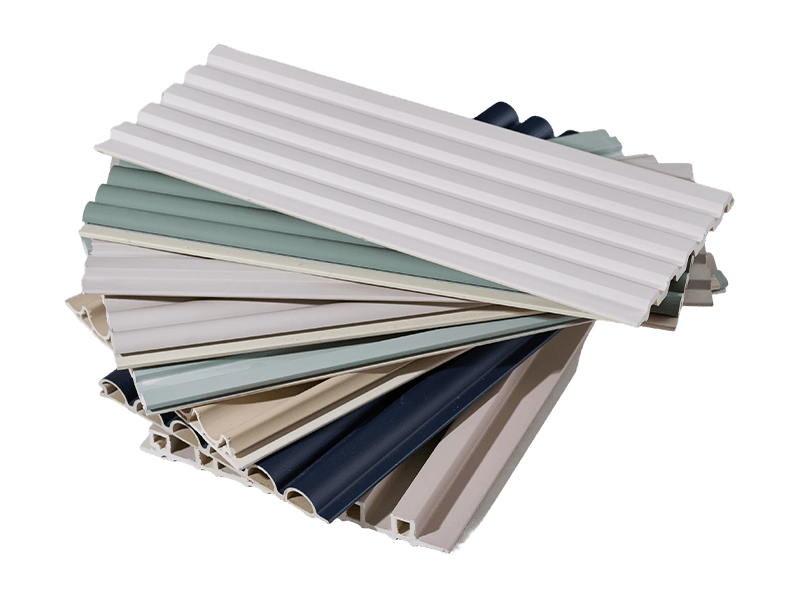
Decorative Louver Panels are structured panels made from evenly spaced slats (louvers) designed to control light, airflow, and visibility while enhancing architectural appearance.
Unlike solid panels, louvers create a controlled openness that balances privacy with ventilation.
Key characteristics:
- Slatted structure with consistent spacing
- Available in wood, aluminum, PVC, or composite materials
- Designed for both indoor and outdoor use
- Combines functional shading with decorative aesthetics
Common applications:
Interior feature walls and ceiling designs
Office partitions and room dividers
Residential accent walls
Commercial storefront decoration
From a search intent perspective, users searching this term are often looking for modern interior design solutions that combine aesthetics with airflow or light diffusion.
What Are Louvered Fencing Panels?
Louvered Fencing Panels are outdoor fence systems made with angled slats designed to provide privacy while still allowing air circulation.
Unlike traditional solid fencing, louvered fencing reduces visual exposure without creating a completely closed barrier.
Core benefits:
- Enhanced privacy with partial visibility control
- Improved wind resistance compared to solid fences
- Modern architectural appearance
- Suitable for residential and commercial landscapes
Typical uses:
- Garden and backyard fencing
- Pool area enclosures
- Commercial perimeter fencing
- Outdoor seating and hospitality spaces
In real-world applications, louvered fencing is often selected for modern homes where privacy and design aesthetics must coexist.
What Is a Louvre Cladding Panel?
Louvre Cladding Panels refer to exterior wall cladding systems that use louver-style slats as part of the building façade.
These panels are often installed on building exteriors to regulate sunlight, improve ventilation, and enhance architectural identity.
Key functions:
- Solar shading and heat reduction
- Façade ventilation improvement
- Visual depth and architectural layering
- Energy efficiency enhancement
Common materials used:
- Aluminum (most common for commercial buildings)
- PVC or composite materials (for cost-efficient systems)
- Treated wood (for natural aesthetic projects)
Application scenarios:
- High-rise building façades
- Parking structures
- Commercial complexes
- Public infrastructure buildings
What Does “Making a Louvered Panel” Mean?
The keyword Making a Louvered Panel reflects DIY, workshop fabrication, and manufacturing intent. It typically refers to the process of assembling slatted panels for interior or exterior use.
Basic production concept:
A louvered panel is created by arranging multiple slats at fixed angles and spacing them evenly within a frame structure.
General manufacturing steps:
1. Material selection
Choose wood, aluminum, PVC, or composite slats depending on application.
2. Frame construction
Build a rectangular frame to hold the slats securely.
3. Slat preparation
Cut slats to uniform size and finish edges.
4. Angle positioning
Fix slats at a consistent angle for airflow and light control.
5. Assembly and fixing
Secure slats using screws, brackets, or grooves.
6. Surface finishing
Apply coating, paint, or protective treatment if required.
This keyword is commonly searched by carpenters, DIY builders, and small-scale manufacturers looking to produce custom louver panels.
How These Terms Are Connected
Although they appear as separate search phrases, they belong to the same architectural system:
- Decorative Louver Panels → interior-focused aesthetic panels
- Louvered Fencing Panels → outdoor privacy and landscaping systems
- Louvre Cladding Panels → building façade and engineering systems
- Making a Louvered Panel → fabrication and production process
Together, they represent a full spectrum from design concept to manufacturing and application.
Key Differences in Application
1. Functional focus
- Decorative louver panels → interior aesthetics and airflow
- Louvered fencing panels → privacy and outdoor protection
- Louvre cladding panels → building performance and façade design
2. Installation environment
- Interior → decorative panels
- Exterior residential → fencing systems
- Commercial/architectural → cladding panels
3. Material requirements
- Interior → lightweight materials (PVC, wood, composite)
- Exterior fencing → weather-resistant materials
- Cladding systems → high-durability aluminum or engineered composites
Why Louver Systems Are Popular in Modern Design
Louver-based structures are increasingly used in contemporary architecture due to their ability to combine functionality with visual identity.
Main advantages:
- Controlled light and airflow management
- Modern and minimalist architectural appearance
- Flexible material selection for different budgets
- Suitable for both decorative and functional use
In residential and commercial design trends, louvers are often used as a signature architectural element rather than just a technical component.
Choosing the Right Louver Panel Type
Selection depends on project environment and performance expectations:
- For interior design → Decorative Louver Panels
- For outdoor privacy → Louvered Fencing Panels
- For architectural façades → Louvre Cladding Panels
- For fabrication or customization → focus on “Making a Louvered Panel” process design
Final Insight
The growing use of Decorative Louver Panels, Louvered Fencing Panels, and Louvre Cladding Panels reflects a broader shift in architecture toward dynamic surfaces that combine aesthetics, ventilation, and privacy control.
Instead of static walls or fences, modern design increasingly favors structured, breathable systems that enhance both performance and visual identity. Understanding how these systems are made and applied helps designers, contractors, and manufacturers better align material choice with architectural intent.
 English
 Español