Decorative Films for Doors: Materials, Applications, and How to Choose the Right Surface Solution
In modern interior manufacturing and architectural finishing, decorative surface films have become a practical alternative to traditional painting, laminating, and natural veneer. Among the most widely used materials in this category are Decorative Film for Doors, Decorative PET Film, and PETG Wood Veneer Film. Although they are often grouped together in product catalogs, each serves a slightly different performance need and visual expectation.
Understanding how they differ—and where they overlap—helps manufacturers, furniture brands, and contractors make better decisions in terms of cost, durability, and design flexibility.
What Is Decorative Film for Doors?
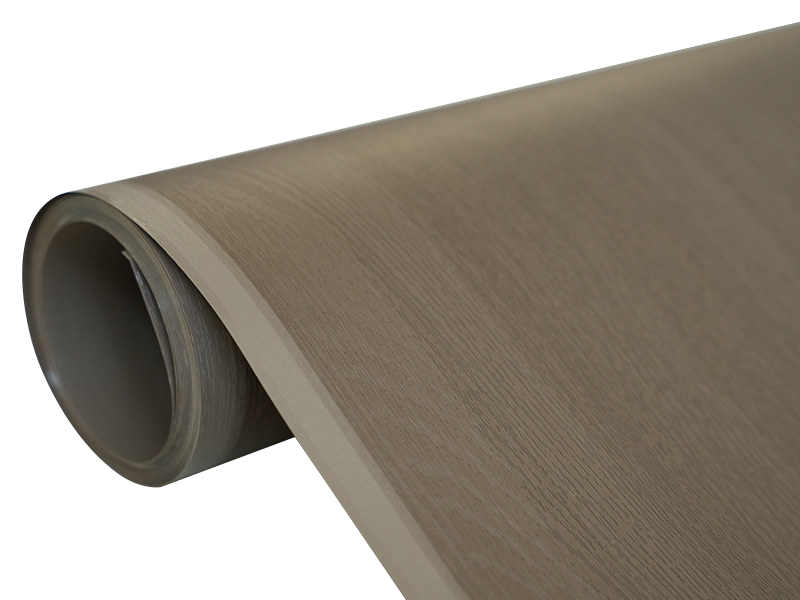
Decorative Film for Doors refers to a category of surface finishing materials specifically engineered for door panels, cabinet doors, and interior architectural surfaces. These films are typically laminated onto substrates such as MDF, plywood, or engineered wood boards.
Rather than being a single material type, this term describes a functional application layer designed to achieve three core goals:
- Provide a consistent decorative appearance (wood grain, solid color, stone texture, etc.)
- Improve surface resistance against scratches, moisture, and UV exposure
- Replace traditional painting or natural veneer processes with a more scalable solution
In practical production environments, door decorative films are selected not only for aesthetics but also for processing compatibility with vacuum pressing, flat lamination, or membrane pressing systems.
From a search intent perspective, users looking for “Decorative Film for Doors” are often trying to solve one of three problems: upgrading door surface quality, reducing production cost, or finding a durable alternative to painted finishes.
Decorative PET Film: A Flexible and Stable Surface Material
Decorative PET Film is a polyester-based decorative layer known for its stability, clarity, and environmental friendliness. PET (polyethylene terephthalate) has been widely used in packaging and industrial applications, but in surface decoration it takes on a different role.
Unlike PVC-based films, PET decorative films are typically chosen for:
- High dimensional stability (less shrinking or stretching during lamination)
- Good transparency for printed or coated designs
- Resistance to yellowing over time
- Compatibility with eco-conscious manufacturing requirements
In interior applications, Decorative PET Film is often used for cabinet doors, wall panels, and commercial furniture where consistency and long-term appearance stability are more important than deep embossing textures.
A common search behavior for this keyword is comparison-driven—buyers want to know whether PET can replace PVC or whether it performs well under heat-lamination processes.
PETG Wood Veneer Film: When Realistic Texture Meets Thermoformability
PETG Wood Veneer Film represents a more advanced segment of decorative surface materials. PETG is a glycol-modified version of PET, engineered to offer significantly improved toughness and thermoforming capability.
This material is especially popular in high-end furniture and interior design because it combines:
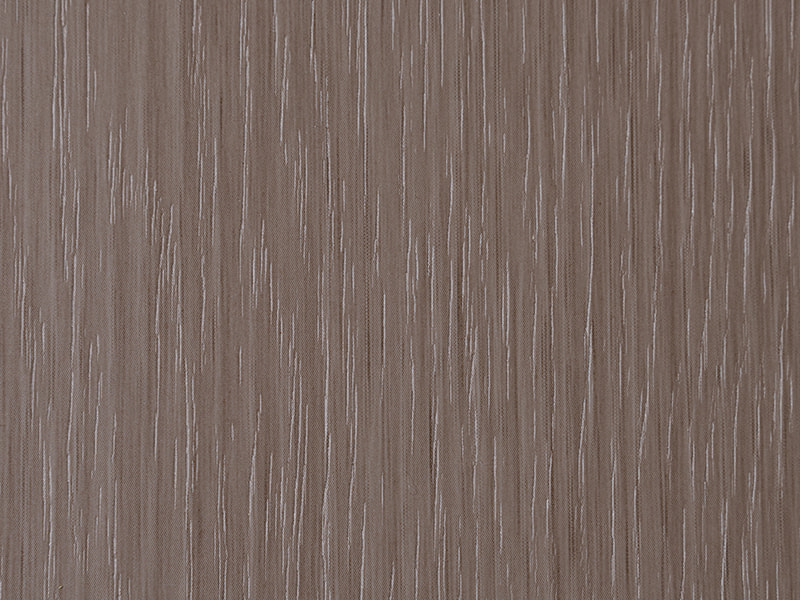
- Realistic wood veneer visual effects (deep grain textures, natural tone variation)
- High impact resistance compared to standard PET films
- Excellent thermoforming performance for curved or shaped surfaces
- Reduced risk of cracking during vacuum forming or edge wrapping
Unlike traditional wood veneer, PETG wood veneer film does not rely on natural wood slices. Instead, it replicates the aesthetic while providing industrial-level consistency and scalability.
Where These Materials Are Used in Real Projects
Across furniture manufacturing and interior architecture, these films are often applied in overlapping but distinct scenarios.
Door manufacturers tend to prefer Decorative Film for Doors for large-scale residential or commercial production where uniformity and cost efficiency matter most. It allows mass production of consistent door finishes without the variability of painting.
Decorative PET Film is commonly found in modular furniture systems, office interiors, and retail display environments. Its smooth surface and stable performance make it suitable for modern minimalist design styles.
Meanwhile, PETG Wood Veneer Film is typically selected for premium residential projects, hotel interiors, and customized furniture where tactile realism and visual depth are key selling points.
Key Differences Between PET, PETG, and Door Decorative Films
Although these materials often appear similar in catalogs, their performance characteristics diverge in meaningful ways.
PET decorative films prioritize stability and eco-performance. They are generally flatter in texture and more suited for flat lamination surfaces.
PETG films introduce flexibility and impact resistance, making them more suitable for curved or shaped furniture designs.
Door decorative films, on the other hand, are defined more by application than chemistry—they can be PET, PETG, PVC, or hybrid composite films depending on manufacturer design.
In simple terms:
- PET = stable, flat, consistent
- PETG = flexible, durable, premium forming capability
- Door decorative film = application-focused category, not a single material
Choosing the Right Decorative Film for Your Project
Selecting between these materials is less about which is “better” and more about matching performance to use case.
If your project focuses on cost-controlled residential door production, a standard Decorative Film for Doors solution based on PET or PVC may be sufficient.
If environmental stability and long-term color consistency are priorities, Decorative PET Film becomes a more logical choice.
If the design requires curved surfaces, deep wood realism, or premium visual impact, PETG Wood Veneer Film is usually the most suitable option.
In real-world procurement, many manufacturers actually combine these materials across product lines rather than relying on a single solution.
Final Thoughts
The decorative surface materials market is moving toward higher efficiency, lower environmental impact, and greater design flexibility. Within this shift, Decorative Film for Doors, Decorative PET Film, and PETG Wood Veneer Film represent three practical pathways that serve different levels of manufacturing complexity and aesthetic demand.
Understanding their differences allows designers and buyers to move beyond surface-level naming and focus instead on performance, application, and long-term value.
 English
 Español