 English
 Español
Zhongsheng
Zhongsheng
Zhongsheng
Zhongsheng
Zhongsheng
Zhongsheng
Zhongsheng
Zhongsheng
Zhongsheng
Zhongsheng
Zhongsheng
Zhongsheng
Zhongsheng
Zhongsheng
Zhongsheng
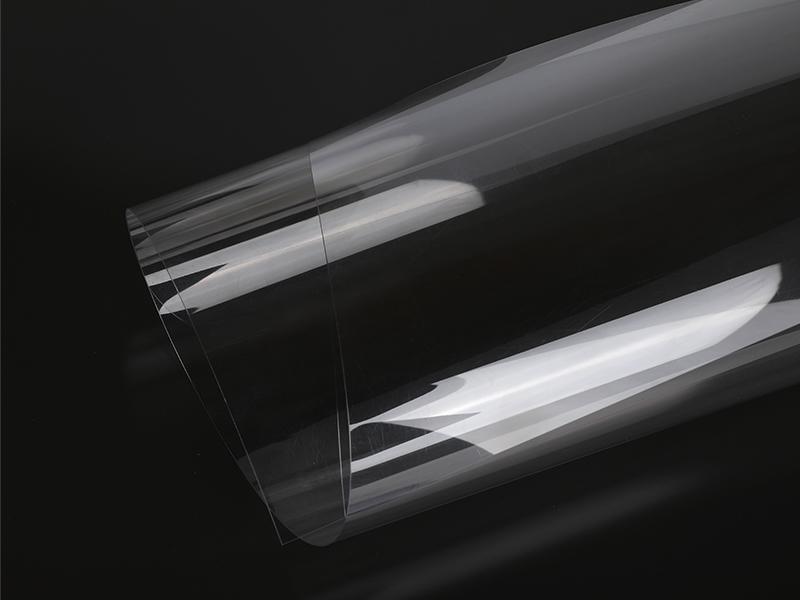
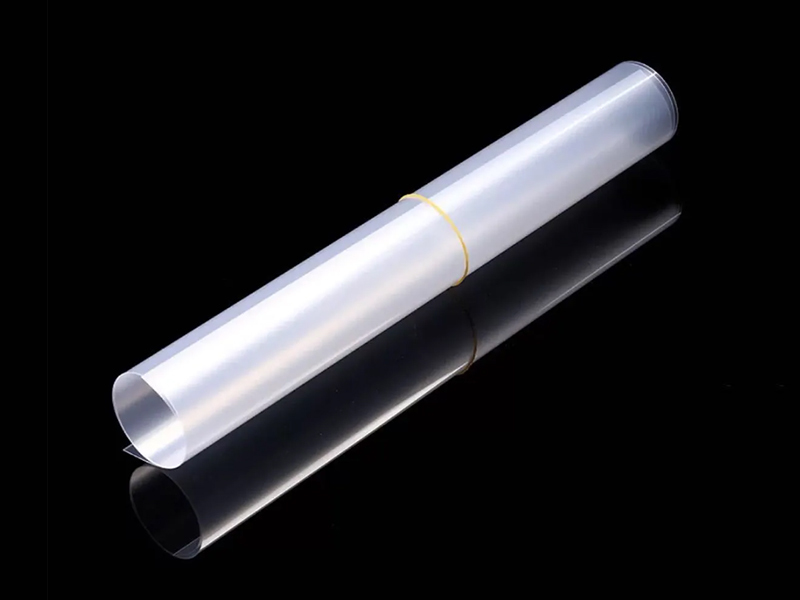
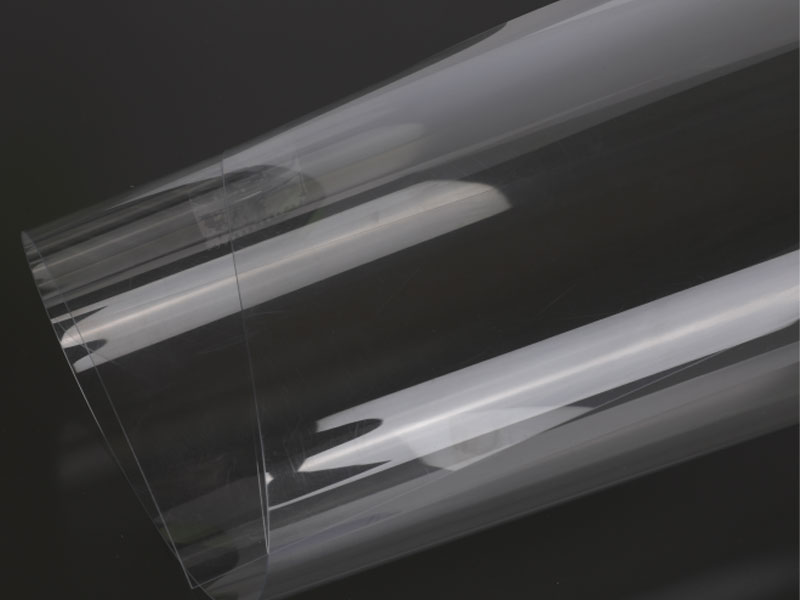
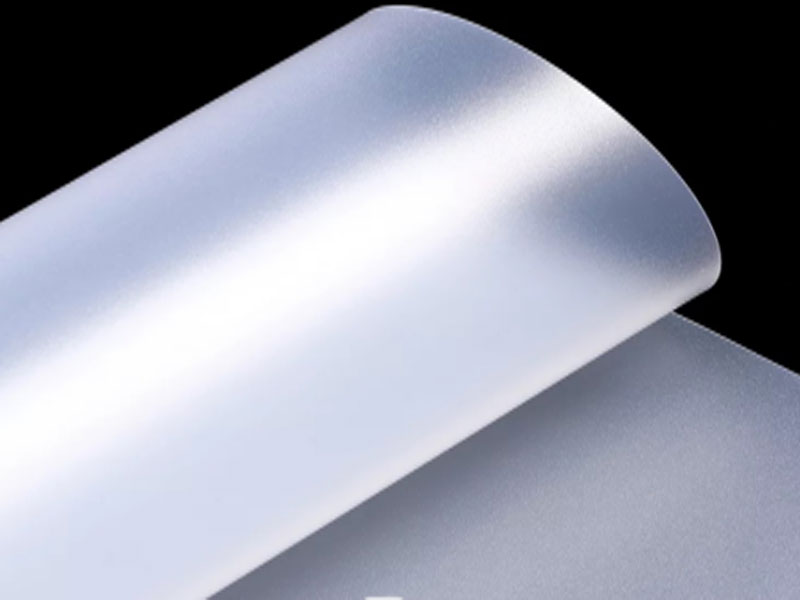
Metallic Decorative Film has become a practical choice for interior and furniture surfaces that need a metal-like appearance without the handling demands of solid metal. By combining a stable base layer, a reflective layer, and a protective surface layer, it creates a controlled visual effect that changes with light while staying consistent across panels, boards, and production runs. For manufacturers, designers, and procurement teams, this material offers a clear way to balance appearance, processing efficiency, and installation convenience in projects where visual texture and workflow both matter.
What Modern Metallic Surface Systems Actually Are
Metallic surface materials today are not just thin decorative layers stuck on a board. They are usually built as a stack of different layers that each play a small part in how the surface looks and behaves.
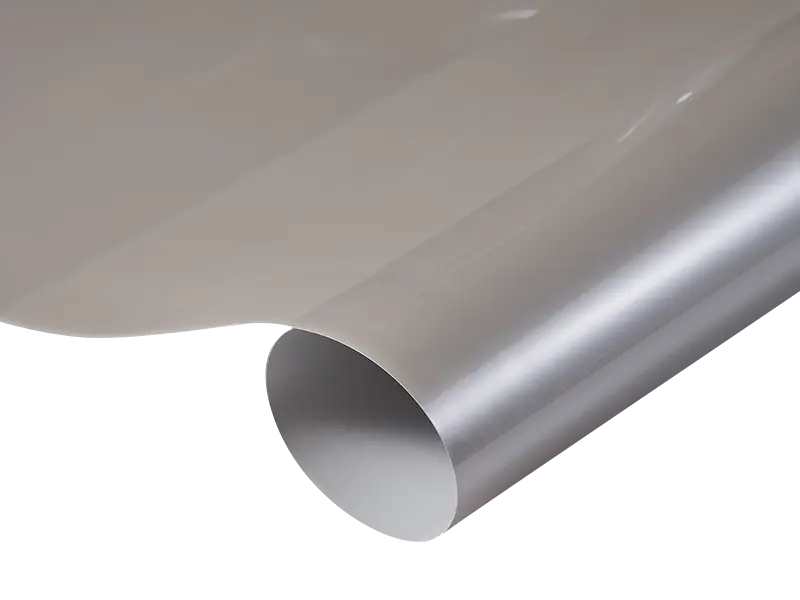
A simple way to break it down would be:
- A base layer that sits on wood based or composite boards
- A reflective layer that creates the metal like shine
- A protective layer that keeps the surface stable during use
None of these layers alone creates the effect. It is more about how they work together once light hits the surface and moves across it.
How Metal Appearance Is Created Without Using Real Metal
The interesting part is that the brain reads metal mostly through light behavior, not material weight. That is why a well designed surface can feel metallic even when it is not metal at all.
Instead of relying on thickness or density, the surface is controlled in a way that:
- Guides light reflection in a certain direction
- Builds small surface patterns that suggest brushed or polished looks
- Adjusts coating density so brightness feels balanced rather than flat
It is not a trick in a negative sense, more like controlled visual engineering. Once installed on large panels, the effect becomes surprisingly consistent, even when the base materials underneath are different.
Why Solid Metal Panels Are Not Always Practical
Real metal panels have their place, no question about that. But in many interior and furniture projects, they bring side effects that are easy to underestimate at the beginning.
Some of the common issues include:
- Extra load that affects structure planning
- More complex cutting and shaping steps
- Limited freedom when surfaces are curved or irregular
- Slower installation work on site
In busy production environments, these points can slow things down more than expected. So teams often start looking for something that keeps the look but removes part of the handling burden.
What Changes When Flexible Surface Systems Are Used
When a lighter surface system replaces heavy panels, the workflow shifts quite a bit. The design intent stays similar, but the execution becomes less restrictive.
You usually notice:
- Easier adaptation to different board types
- Less stress on structural design
- More predictable results across batches
- Smoother handling during installation
- Wider design freedom without reworking the base structure
It is not about replacing metal in every situation. It is more about giving projects another layer of choice when full metal construction feels unnecessary.
How These Materials Fit Into Production Environments
In factories, materials need to behave in a way that does not interrupt existing lines. That is often more important than appearance alone.
Common usage methods include:
- Lamination onto engineered boards like MDF or plywood
- Heat assisted or pressure based bonding
- Edge finishing after application
- Integration into semi automated panel processes
Once the workflow is set, production teams usually find that the material behaves in a fairly stable way. It does not require a full change in how things are already done.
Where This Type of Surface Is Usually Applied
In real projects, these materials show up in a wide range of interior spaces. The reasons are usually practical rather than purely aesthetic.
Typical usage scenarios:
- Cabinet and furniture surfaces
- Interior wall panels in living or working spaces
- Retail display structures where branding matters
- Hospitality interiors that need visual consistency
- Decorative architectural panels inside buildings
What ties all of these together is the need for a controlled visual effect without adding structural pressure.
How Different Finishes Change the Final Look
Even with the same base material, surface finish changes everything. The way light interacts with the surface can shift the mood of a space quite a bit.
Some common finish directions include:
- Brushed style textures that feel slightly industrial
- Mirror like surfaces that reflect surrounding space
- Matte metallic tones that soften visual impact
- Subtle reflective finishes that work with ambient lighting
Designers often mix these rather than sticking to one direction. That is where flexibility becomes useful.
What Should Be Checked Before Choosing a Material
Selecting a surface system is not only about how it looks in samples. The real test comes when it is applied across full scale production.
Things that usually matter:
- Whether it matches the base board being used
- How it behaves during installation
- The level of finish required for the project
- Expected wear during daily use
- Whether supply stays consistent across orders
These points sound simple, but they tend to decide whether a project runs smoothly or keeps adjusting mid way.
How It Compares With Solid Metal in Practice
| Factor | Solid Metal | Film-Based Surface |
|---|---|---|
| Visual result | Natural raw character | Controlled metallic styling that stays even across large areas |
| Processing | Requires more shaping effort and tools | Works with simpler application methods |
| Installation | More handling effort and care | Adapts more easily to different shapes and layouts |
| Structural impact | Adds noticeable weight | Keeps the structure lighter and easier to manage |
Misunderstandings That Still Appear in Projects
There are still a few ideas that keep coming up when people compare materials, even though real project experience often tells a different story.
Some of them include:
- Thinking only real metal can look convincing
- Assuming flexible materials always reduce visual quality
- Believing lightweight systems cannot stay consistent over scale
In practice, these assumptions usually come from limited exposure rather than actual performance testing in production environments.
When Solid Metal Still Makes More Sense
Even with flexible surface options available, there are cases where metal is still the better fit.
Situations like:
- Load bearing structural components
- Outdoor environments with strong exposure
- Industrial use where mechanical strength is required
In these cases, function simply outweighs visual substitution, and that is a straightforward decision.
Keeping Results Consistent Across Projects
Consistency is not only about material choice. It is also about how design, production, and installation connect with each other.
Teams usually focus on:
- Setting visual expectations early in design
- Matching substrate and surface system properly
- Keeping application methods consistent in production
- Training installation teams to follow the same process
When these elements align, the final surface tends to stay stable across different batches and locations.
Why Material Choice Affects the Whole Workflow
Material decisions tend to influence more than just appearance. They shape how fast things move in production, how easy installation becomes, and how stable the final result feels over time. In many interior and furniture projects, this is why layered surface systems are being used more often as a way to balance visual quality with practical handling needs. For teams working across procurement, design, and manufacturing, having a stable material partner can make coordination less stressful. ZheJiang ZhongSheng New Materials Co., Ltd is often involved in supporting B2B projects with surface material solutions that can be adapted to different interior and furniture requirements.