 English
 Español
Zhongsheng
Zhongsheng
Zhongsheng
Zhongsheng
Zhongsheng
Zhongsheng
Zhongsheng
Zhongsheng
Zhongsheng
Zhongsheng
Zhongsheng
Zhongsheng
Zhongsheng
Zhongsheng
Zhongsheng
Decorative films come in various types, each catering to different aesthetic preferences, functional needs, and furniture surfaces. The most common types include:
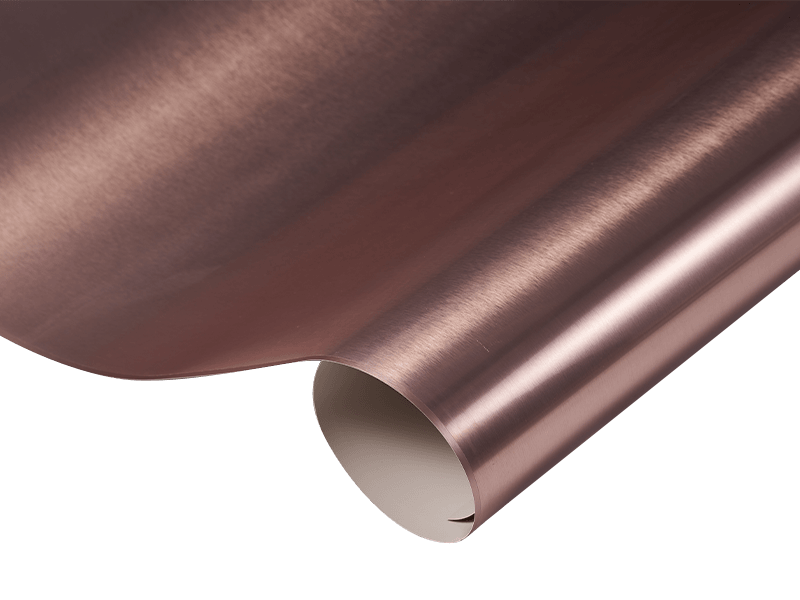
· Vinyl Films
Vinyl is one of the most popular materials used for decorative films. It is available in a wide variety of colors, patterns, and textures, making it suitable for almost any style of furniture. Vinyl films are flexible, easy to install, and resistant to wear, making them ideal for furniture that receives regular use.
· Laminated Films
Laminated decorative films provide an additional layer of protection. These films are often used for high-traffic areas and furniture exposed to moisture or heat. Laminated films are durable and resistant to scratches, stains, and fading. They also offer a sleek, polished finish.
· Self-Adhesive Films
Self-adhesive films are another popular option for furniture decoration. These films are easy to apply without the need for additional glue or adhesives, making them a convenient choice for DIY projects. They are available in a range of finishes, including matte, glossy, and textured options.
How durable are decorative films for furniture?
Decorative films are generally durable, but their longevity depends on the material used and the conditions under which the furniture is exposed. Some key points to consider include:
· Resistance to Scratching and Fading: Many decorative films, particularly vinyl and laminated varieties, are designed to be resistant to scratching, fading, and staining. High-quality films can withstand regular use without losing their appearance. However, films exposed to direct sunlight for prolonged periods may eventually fade, especially if they are of lower quality.
· Moisture and Heat Resistance: Decorative films that are used on furniture in kitchens, bathrooms, or outdoor areas must be moisture- and heat-resistant. Certain films are specifically designed to resist heat from cooking or moisture from humidity. Always choose films that are rated for these specific conditions.
· Wear and Tear: Decorative films on furniture will eventually show signs of wear and tear, particularly in high-traffic areas such as tabletops and seating surfaces. However, with proper maintenance, such as cleaning with non-abrasive products, decorative films can maintain their look for several years.
Can decorative films be applied to all types of furniture?
While decorative films are versatile and can be applied to most types of furniture, some considerations should be taken into account:
· Surface Preparation: The surface of the furniture must be clean and smooth before applying decorative film. If the surface is uneven, it may cause air bubbles or wrinkles to form under the film. In such cases, it's advisable to sand the surface lightly or clean it thoroughly to ensure optimal adhesion.
· Types of Furniture: Decorative films are typically used on flat, smooth surfaces such as tabletops, cabinets, and shelves. However, they can also be applied to curved or rounded surfaces, although this requires more skill and care during installation. Films may not adhere well to heavily textured or porous surfaces, such as those found on unfinished wooden furniture.
What are the benefits of using decorative films on furniture?
The use of decorative films offers several benefits for both the furniture itself and the homeowner or business:
· Cost-Effective: One of the biggest advantages of using decorative films is their cost-effectiveness. Replacing or refinishing furniture can be expensive, but applying a decorative film is a more affordable alternative that can completely transform the look of a piece without the high cost of replacement or professional refinishing services.
· Easy Application and Maintenance: Decorative films are generally easy to apply, especially self-adhesive options, which require no additional tools or adhesives. Maintenance is simple as well—films only need to be cleaned with a soft cloth and mild soap. They are resistant to stains and can be easily wiped down.
· Customization: With a variety of textures, colors, and finishes available, decorative films allow for easy customization of furniture to fit the style and theme of a room. Whether you want a sleek, modern look or a more traditional finish, decorative films provide a wide range of options to match your aesthetic.
· Protective Layer: Many decorative films not only enhance the appearance of furniture but also act as a protective layer. They can shield the surface from scratches, spills, and general wear, helping to extend the life of the furniture.