 English
 Español
Zhongsheng
Zhongsheng
Zhongsheng
Zhongsheng
Zhongsheng
Zhongsheng
Zhongsheng
Zhongsheng
Zhongsheng
Zhongsheng
Zhongsheng
Zhongsheng
Zhongsheng
Zhongsheng
Zhongsheng
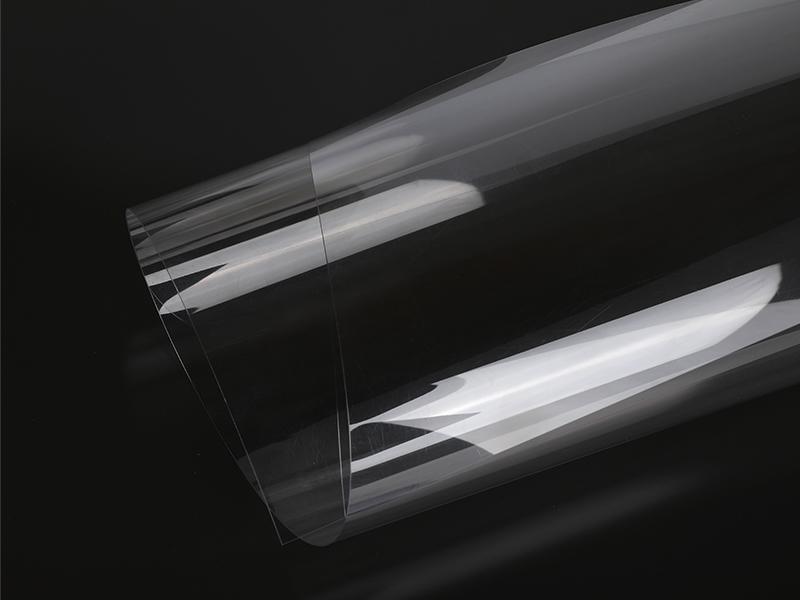
Kitchen cabinet upgrades rarely come down to a single decision, and anyone who has been through the process knows it. The finish needs to look right, but it also has to survive grease, steam, and daily cleaning without losing its character. For manufacturers and contractors working at volume, there is the added layer of production consistency — can this material hold up across a full run without variation? Metallic Decorative Film has become a real answer to these overlapping demands: it delivers the visual presence of brushed metal or polished chrome without dragging in the cost, weight, or fabrication complexity of genuine metal panels. The more challenging question is which type to choose, and that decision turns out to matter far more than many buyers expect when they start looking.
What Actually Makes a Film "Metallic"?
The honest answer: not every shiny surface qualifies. A genuine metallic film gets its appearance from a vacuum-metallized layer — aluminum or chrome deposited onto a polymer base under carefully controlled heat conditions. That deposition process is what creates the reflective depth that printed or embossed alternatives simply cannot replicate, regardless of how convincing they look in a catalog photo.
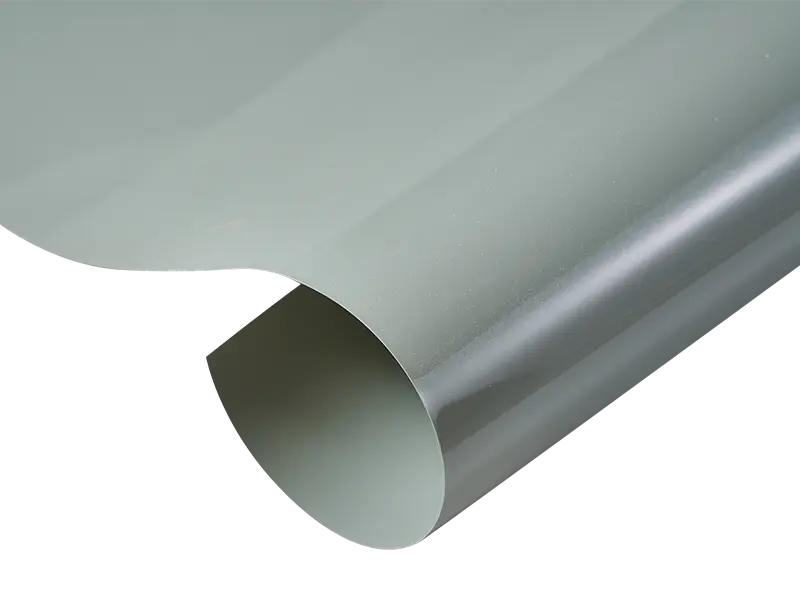
Below that metallized surface, the substrate is where product categories diverge:
- PVC-based films: Flexible by nature, broadly compatible with standard lamination lines, and easier to work around curved profiles and shaped edges
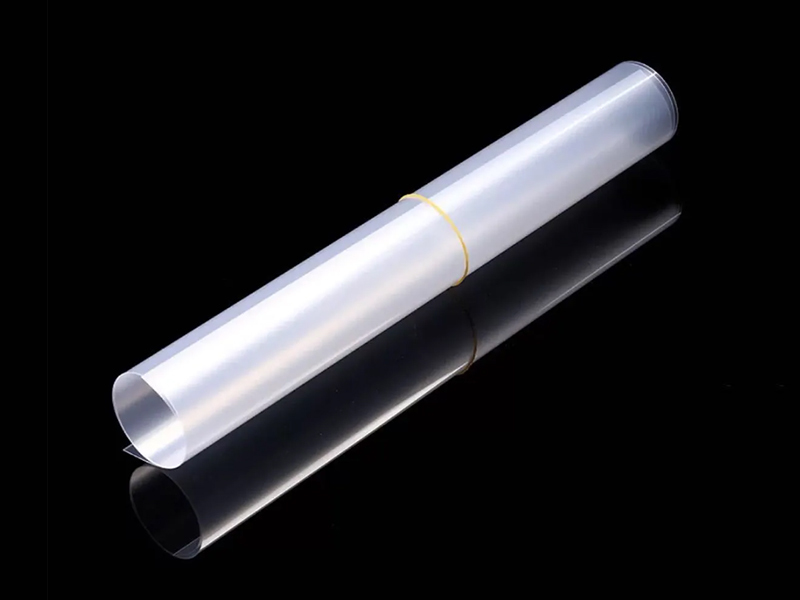
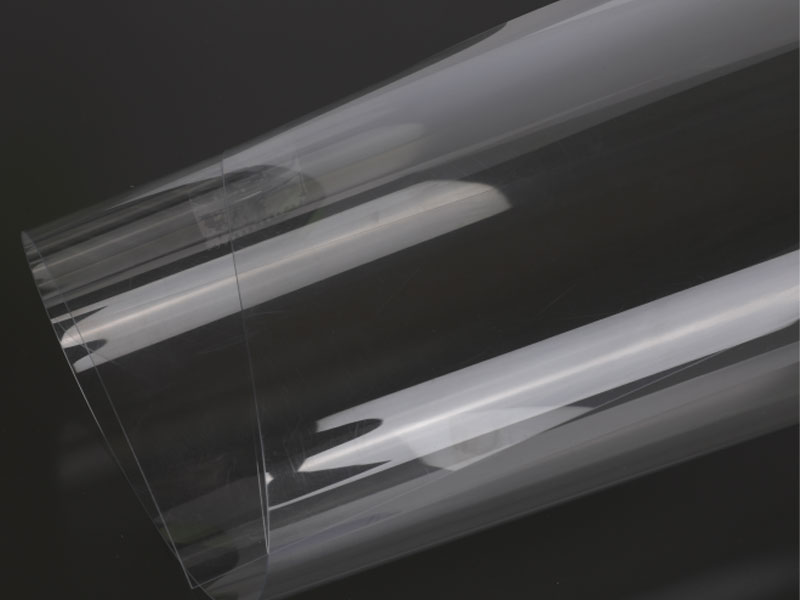
- Decorative PET film: Polyester substrate — dimensionally more stable, holds its shape better under heat cycling, and generally performs more consistently on flat kitchen panel applications
- Plastic PET film variants: Thinner, lighter gauge options that suit applications where cost pressure is real and the performance demands are somewhat less intensive
Each of these carries the metallized layer differently. How the film ages under kitchen conditions, how it bonds to different cabinet substrates, and how it responds to repeated cleaning — these all trace back to the substrate choice as much as the surface finish.
How Do Finish Types Actually Change the Result?
Finish selection is not purely cosmetic. It shapes maintenance behavior, how the surface reads at different times of day, and how forgiving it is in environments where perfection is hard to maintain.
Brushed Metallic
Brushed finishes mimic the linear grain of physically brushed aluminum or steel. That directional texture does something interesting with light — the surface shifts in appearance as you move around the kitchen, catching angles differently. It also happens to be among the more forgiving options for everyday kitchen use. Minor surface marks tend to disappear into the existing grain rather than announcing themselves.
Mirror and High-Gloss Chrome
A mirror finish is a deliberate visual choice. It pulls light into darker kitchen spaces, creates a sense of depth, and makes a strong impression on a feature door or island front. But the maintenance trade-off is real and worth discussing honestly — fingerprints show, water marks show, and the cleaning routine required to keep a mirror surface looking right is considerably more demanding than it is for textured alternatives. In a working kitchen used daily by a family, that reality deserves weight in the specification decision.
Matte Metallic
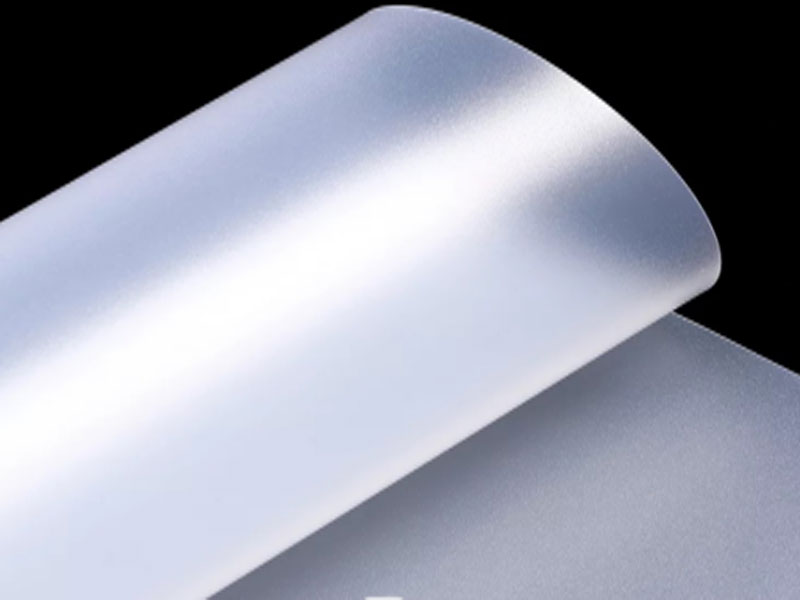
Matte surfaces take the metallic material in a quieter direction. Light scatters rather than reflects, the sheen is low, and the overall effect sits closer to the visual register of high-end furniture than of reflective hardware. These finishes tend to show smudging less clearly than gloss options, which matters in kitchens where wiping down surfaces is a regular event rather than a weekly ritual.
Warm Tone Metallics
Gold, champagne, bronze, and rose-tone finishes occupy genuinely different territory. The metallic structure underneath is the same — the tonal quality comes from the coloring layer applied over the reflective base. These work in spaces where warmth is the design priority: kitchens blending stone, wood, and metal, hospitality environments aiming for residential character, or residential projects where the client wants something that feels considered rather than industrial.
Film Types Side by Side
| Film Type | Surface Character | Kitchen Suitability | Upkeep Demand | Where It Works Well |
|---|---|---|---|---|
| Brushed metallic PVC | Directional linear texture | High | Low | Full cabinet runs, curved profiles |
| Mirror chrome PET | High reflectivity, crisp | Moderate | High | Feature doors, accent panels |
| Matte metallic PET | Diffused, quiet sheen | High | Low to moderate | Contemporary full-run cabinetry |
| Warm tone metallic | Tinted reflective surface | Moderate to high | Moderate | Residential, hospitality settings |
| Plastic PET film | Varies by spec | Depends on application | Varies | Budget-sensitive or lighter projects |
Kitchen Environments Are Harder on Surface Films Than People Typically Realize
A film that performs without issue in a wardrobe or living room wall panel application can start showing problems within months of kitchen installation. The environment is categorically different, and ignoring that difference at the specification stage means the problems become visible later — when they are harder and more expensive to address.
The conditions that matter a great deal:
- Steam and condensation: Cabinet faces near sinks and cooking surfaces get wet repeatedly. Poor moisture resistance leads to edge lifting or delamination — not immediately, but reliably over time.
- Cleaning chemistry: Kitchen surfaces get wiped with products that are often mildly acidic or alkaline. The film needs to resist the grease and the cleaning agents used against it. These are different stresses and both need to be accounted for.
- Heat from cooking zones: Cabinets positioned above or alongside cooking equipment experience sustained elevated temperature. Decorative PET film handles this better than many PVC alternatives, which can soften or develop surface distortion under prolonged heat exposure.
- Contact frequency: Kitchen doors get opened, pushed, and wiped far more often than almost any other interior surface. Surface hardness and scratch resistance are not abstract performance metrics here — they directly determine how long the finish keeps looking the way it did on installation day.
Accounting for these stressors during specification is not excessive caution. It is the difference between a surface that holds its character for years and one that starts looking tired within a single renovation cycle.
What Should a Buyer Actually Evaluate Before Committing?
The selection process involves considerably more than choosing a color. A practical evaluation touches both performance characteristics and the specifics of how the film will be used.
Substrate compatibility:
- MDF, particleboard, aluminum composite, and solid wood each present different surface conditions. Adhesion performance varies across these, and what works reliably on one may underperform on another.
- Flat panel applications and profiled or curved surfaces have different flexibility requirements. PVC-based options handle flex better; PET-based materials are stiffer but more dimensionally stable under heat.
How the film will be applied:
- Hot lamination under pressure produces strong, durable bonds on flat panels and is generally the production standard for volume cabinet manufacturing.
- Cold or adhesive-backed application is faster but may not deliver the same adhesion longevity in kitchens where humidity cycles through significant ranges.
- Vacuum pressing suits profiled cabinet doors and shaped surfaces where uniform contact across the entire film face is needed to prevent air pockets or uneven bonding.
Gauge and thickness:
- Thicker films offer a more substantial surface feel and tend to handle scratching better, but they add some complexity when processing edges cleanly.
- Thinner Plastic PET film options reduce unit material cost but need careful handling during application — stretch marks and uneven bonding become more likely when working with thinner stock.
Batch consistency:
For large cabinet projects produced across multiple runs, tonal and finish consistency between batches matters. A subtle shift in the metallic tone between a door produced in one run and a replacement panel produced later creates visible mismatching that is difficult to explain to a client.
Matching the Film to the Design Direction
Surface material selection is a design decision that has to work within the broader visual logic of the kitchen, not just look appealing in isolation.
Contemporary and minimal designs tend to call for matte metallic films in cool silver or graphite tones — the low-sheen quality sits naturally against flat-door, handleless cabinet formats without competing with the architecture of the space.
Industrial and loft-style kitchens respond well to brushed aluminum or dark steel tones. The texture carries the visual language of the style, and the directional grain adds a tactile quality that smooth, glossy alternatives lack.
High-specification residential projects sometimes use mirror or high-gloss chrome finishes strategically — on a single island face, on one run of upper cabinets — rather than throughout the kitchen. Used selectively, they create a focal point without the maintenance burden that comes with applying a high-reflective surface everywhere.
Commercial and hospitality environments push durability requirements up the priority list. Brushed and matte finishes in mid-tone metallics hold their appearance longer under intensive daily contact than glossy options do, which makes them the practical choice for kitchens that need to look well-maintained without daily polishing.
Production Workflow Considerations for Cabinet Manufacturers
For factories and cabinet producers working at volume, film specification is not just a surface decision — it directly affects how production runs.
- Roll width, core diameter, and tension behavior all need to match the lamination equipment in use. A film that is incompatible with existing machinery requires either process adjustment or equipment investment.
- Pre-cut sheets simplify panel-by-panel application workflows but generate more waste at the cutting stage compared to continuous roll feeding.
- Matching edge banding in the same metallic finish is worth specifying at the same time as the face film. Mismatched edges undermine the quality impression of a finished door more than many other small production details.
- Metallized surfaces are sensitive to contact pressure during storage and handling before application. Protective interleaving layers prevent surface marking during transport, stacking, and processing — a detail worth confirming with the supplier before production begins.
For OEM buyers integrating film into a finished product line, verifying that the supplier can maintain consistent supply in the right finish, gauge, and format across multiple orders is as important as the initial sample approval. Inconsistency at the supply level creates production problems that are hard to manage downstream.
Selecting the right surface film for kitchen cabinet panels is genuinely a judgment call that sits at the intersection of design intent, environmental performance, and production practicality. There is no single answer that works across all applications — a mirror chrome PET film on a hospitality feature door and a brushed PVC film on a production-volume residential cabinet run represent different priorities, different environments, and different success criteria. The decisions that tend to go well are the ones made with clear information about substrate, application method, kitchen conditions, and volume requirements before committing to a specification. ZheJiang ZhongSheng New Materials Co., Ltd. produces a range of metallic decorative films including Decorative PET Film and Plastic PET Film options suited to kitchen cabinetry, furniture panel production, and architectural surface applications. If you are working through a material decision for a current project or planning ahead for volume sourcing, sharing the details of your application — substrate, finish direction, production method, and project scale — gives the team what it needs to put forward options that are genuinely matched to your situation rather than a standard catalog recommendation.