 English
 Español

Zhongsheng
Zhongsheng
Zhongsheng
Zhongsheng
Zhongsheng
Zhongsheng
Zhongsheng
Zhongsheng
Zhongsheng
Zhongsheng
Zhongsheng
Zhongsheng
Zhongsheng
Zhongsheng
Zhongsheng
Material selection affects product weight, machining methods, structural performance, and project costs. Although expanded PVC and solid PVC share the same base polymer, their internal structures create important differences in fabrication. Sign manufacturers may prefer lightweight panels that are easy to cut, while industrial fabricators may require dense sheets for components exposed to mechanical stress or chemicals.
At Zhongsheng, we encourage buyers to evaluate the application before confirming a material specification. Our expanded pvc plastic sheet product category provides a starting point for discussing decorative material requirements. Understanding how expanded and solid PVC differ can help buyers establish suitable specifications for their projects.
1. What Separates Expanded PVC from Solid PVC?
Expanded PVC Sheet
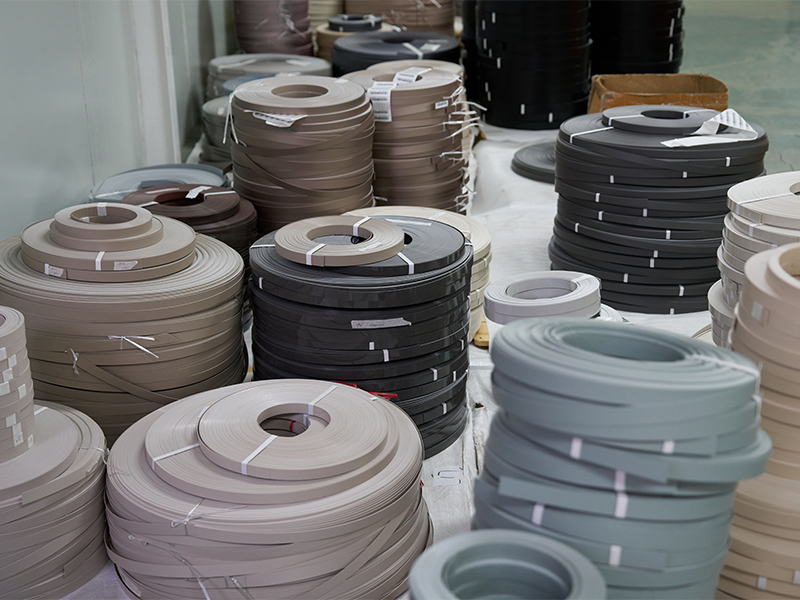
Expanded PVC contains a cellular structure created during manufacturing. The trapped gas reduces material density, producing a lightweight, rigid sheet that can be cut, drilled, routed, printed, or laminated using compatible processes.
- Lower weight: Easier handling and installation for large panels and display structures.
- Fabrication flexibility: Suitable for signs, exhibition displays, decorative panels, and lightweight furniture components.
- Surface finishing: Can accept compatible paints, printed graphics, and decorative films after appropriate preparation.
- Internal structure: The foam core affects load-bearing capacity, fastening performance, and edge characteristics.
Solid PVC Sheet
Solid PVC has a dense structure throughout the sheet rather than a foamed core. Its higher material density generally makes it heavier than an expanded sheet of comparable dimensions, but it can provide greater strength for certain industrial fabrication requirements.
- Dense construction: Suitable for components that require a solid plastic structure.
- Chemical applications: Appropriate grades can be used for tanks, ducting, and chemical-handling equipment.
- Machining options: Can be cut, drilled, milled, and fabricated using compatible tools and procedures.
- Mechanical performance: Strength, rigidity, and chemical resistance depend on the grade, thickness, and service conditions.
2. Compare the Materials Before Choosing
| Property | Expanded PVC | Solid PVC |
| Internal structure | Cellular foam core | Dense throughout |
| Weight | Generally lighter | Generally heavier |
| Typical applications | Signage, displays, decorative panels | Industrial components, tanks, ducting |
| Surface processing | Printing, painting, lamination, routing | Machining, fabrication, compatible surface finishing |
| Mechanical loading | Requires careful assessment of the foam structure | Suitable for certain higher-stress applications, depending on grade |
| Material selection priority | Weight, appearance, and ease of fabrication | Solid construction, mechanical requirements, and chemical compatibility |
The comparison describes general material behavior. Actual performance varies with formulation, density, sheet thickness, and manufacturing quality. Buyers should review technical data for the specific grade rather than relying on the material name alone.
3. Which Material Suits Different Fabrication Projects?
Signage and Display Manufacturing
Expanded PVC can be suitable for indoor signs, exhibition graphics, retail displays, and dimensional lettering. Its lower weight helps simplify handling, while its surface can support several decorative treatments.
- Choose thickness according to panel dimensions and support spacing.
- Check surface quality and compatibility with the intended printing system.
- Test routed edges and fastener positions before producing complex components.
Industrial Fabrication
Solid PVC may be more appropriate for industrial parts that require a dense structure or exposure to specific chemicals. Applications such as chemical tanks and duct systems require careful grade selection based on temperature, chemical concentration, pressure, and applicable engineering standards.
Expanded PVC should not automatically replace solid PVC in load-bearing or chemical-handling applications. Its cellular structure can limit mechanical performance and may not meet the requirements of demanding service environments.
4. What Should Buyers Check Before Ordering?
At Zhongsheng, we recommend establishing the following details before requesting a quotation or approving a material sample.
- Dimensions: Specify sheet length, width, thickness, and dimensional tolerances.
- Mechanical requirements: Identify expected loads, fastening methods, and rigidity requirements.
- Surface treatment: Confirm whether printing, painting, adhesive bonding, or decorative lamination is required.
- Operating environment: Describe moisture exposure, temperature, sunlight, and contact with chemicals.
- Fabrication method: Explain the planned cutting, drilling, routing, joining, or installation process.
- Quality documentation: Request applicable technical data, test results, and inspection criteria.
Test Samples Under Actual Working Conditions
A sample trial can reveal differences in cutting quality, edge appearance, surface adhesion, and dimensional stability. Testing the intended grade with the actual equipment helps buyers identify potential issues before committing to a production order.
For projects involving chemical exposure or mechanical loads, material approval should also consider relevant technical data and application-specific testing.
5. How Zhongsheng Helps Buyers Define Material Requirements
Expanded PVC and solid PVC serve different fabrication needs. Expanded sheets are often suitable for lightweight signage and decorative components, while solid sheets may be required for applications that demand a dense structure and particular mechanical or chemical properties.
At Zhongsheng, we encourage distributors, fabricators, and project buyers to share their intended applications, dimensions, surface requirements, and processing methods with our team. These details help establish a clear basis for discussing suitable products, sample evaluation, and quotation conditions.
Contact Zhongsheng to discuss your sheet material requirements and identify a suitable specification for your fabrication project.