 English
 Español
Zhongsheng
Zhongsheng
Zhongsheng
Zhongsheng
Zhongsheng
Zhongsheng
Zhongsheng
Zhongsheng
Zhongsheng
Zhongsheng
Zhongsheng
Zhongsheng
Zhongsheng
Zhongsheng
Zhongsheng
Marble patterns have become a familiar application for decorative wall materials, but a wall does not gain visual depth simply because a surface has a stone pattern. The interaction between texture, light, pattern direction, surface gloss, and panel structure can change how a room feels.
This is where PVC sheets for wall decoration offer an interesting design advantage. Instead of treating PVC as a flat printed surface, designers can use embossed textures, grooves, geometric profiles, wood effects, metallic details, and different surface finishes to create layers across a wall.
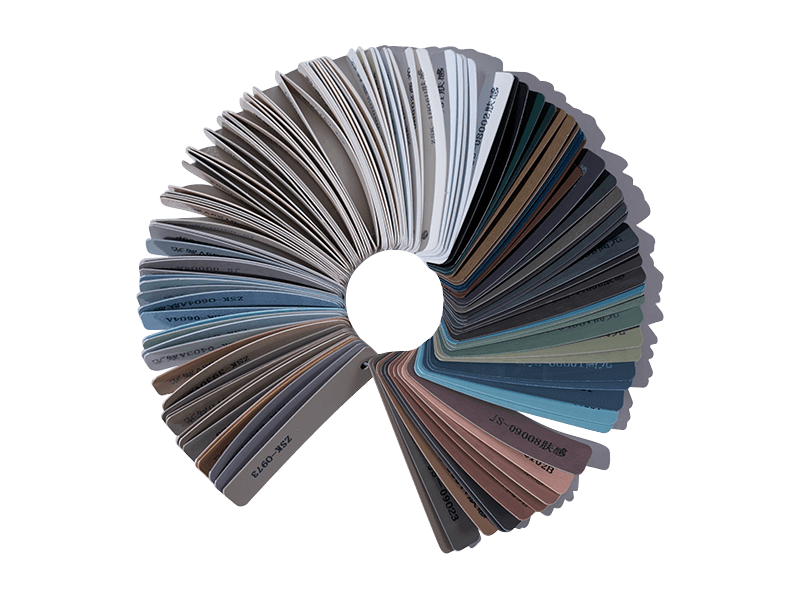
Texture Creates Depth Without Changing the Wall Structure
A flat printed marble image provides visual variation, but an embossed or three-dimensional surface introduces actual changes in height. Light then creates small shadows across the texture, making the wall appear more dimensional.
Some PVC decorative sheets use embossing rollers to create stone-like surface structures. One commercial product specifies an embossed texture depth of approximately 0.3–0.5 mm, designed to reproduce details such as natural stone pores and surface cracks.
| Surface Treatment | Visual Effect | Suitable Design Direction |
| Flat printed | Clean pattern with limited physical depth | Minimalist walls |
| Embossed | Fine shadows and tactile variation | Stone and marble effects |
| Fluted | Strong vertical rhythm | Modern feature walls |
| 3D geometric | Changing shadows and highlights | Accent walls and commercial spaces |
| Metallic inlay | Contrast between reflective and textured areas | Contemporary luxury interiors |
Lighting Can Change the Same Panel
Texture becomes particularly noticeable under directional lighting. A completely flat wall reflects light relatively evenly, while grooves and raised areas produce alternating highlights and shadows.
Three Lighting Situations to Consider
- Front lighting: Keeps the decorative pattern relatively clear and reduces strong shadow contrast.
- Side lighting: Emphasizes grooves, embossing, and raised textures.
- Backlighting: Can create a stronger feature-wall effect when the panel structure allows light integration.
Groove dimensions can also change the result. A fluted PVC panel with deeper or narrower grooves creates a different shadow pattern from a panel with broad, shallow channels. Current product ranges include fluted PVC profiles around 10–12 mm thick with widths such as 150, 195, and 290 mm, demonstrating how profile dimensions can become part of the visual design.
Marble Veins Are Not the Only Source of Visual Interest
Marble-look PVC sheets for wall decoration can create an elegant surface, but other patterns provide different types of depth.
- Wood grain: Adds directional lines and a warmer visual character.
- Fluted profiles: Create repeated vertical shadows that can emphasize wall height.
- Geometric textures: Break a large wall into controlled visual zones.
- Stone textures: Combine irregular patterns with tactile surface variation.
- Fabric-inspired textures: Introduce subtle surface variation without a strong graphic pattern.
Current interior design references show fluted, marble, wood-grain, geometric, and mixed-material PVC panels being used for different visual purposes rather than treating all PVC panels as a single decorative category.
Panel Size Influences Pattern Continuity
A decorative design can look very different depending on how much of the wall a single sheet covers. Large-format sheets can allow marble veins or stone graphics to remain visually continuous, while smaller panels introduce more frequent divisions.
Commercial PVC marble sheets are available in formats such as 1220 × 2440 mm and 1220 × 2800 mm, with some products offering thicknesses from approximately 2–5 mm.
| Panel Format | Design Consideration |
| Large sheet | Supports broad marble or stone patterns |
| Narrow profile | Creates repeated lines and stronger rhythm |
| Thicker 3D panel | Provides greater physical surface definition |
| Thin decorative sheet | Works well for flat patterns and lightweight wall applications |
Pattern continuity becomes particularly important with marble designs. Some 4 × 8 ft PVC marble sheets, for example, are specifically produced with continuous visual patterns, although the sheets still need to be arranged correctly to maintain the intended flow.
Mixing Flat and Textured Surfaces Adds Another Layer
Covering an entire wall with a deep texture is not the only way to create dimension. A designer can combine flat PVC sheets with fluted sections, metallic strips, wood-look panels, or painted surfaces.
This approach creates contrast without requiring a complicated wall structure.
A Simple Combination Strategy
- Use a large marble-effect sheet as the main background.
- Add narrow fluted panels to introduce vertical rhythm.
- Use metallic trim as a visual transition between materials.
- Keep surrounding furniture relatively simple so the wall remains the focal area.
Some current PVC fluted collections combine vertical grooves with marble, wood-grain, solid-color, or metallic decorative elements, showing how different surface treatments can be integrated within a single wall concept.
Gloss and Matte Finishes Tell Different Visual Stories
Surface gloss changes the way light interacts with a decorative panel. Glossy PVC surfaces can emphasize reflections and make printed patterns appear sharper, while matte finishes reduce reflected highlights and give textures a softer visual character.
A stone-effect wall with a low-gloss surface may therefore feel substantially different from a highly reflective marble design, even with similar colors and patterns.
| Finish | Visual Character | Design Application |
| High gloss | Reflective and bright | Modern feature walls |
| Low gloss | Softer stone-like appearance | Marble and rock textures |
| Matt | Quiet and understated | Minimalist interiors |
| Deep texture | Strong shadow and tactile effect | Accent surfaces |
Visual Depth Depends on More Than the Pattern
The decorative potential of PVC sheets for wall decoration extends well beyond printed marble. Embossing, grooves, panel dimensions, surface gloss, pattern scale, lighting direction, and material combinations can all influence the final appearance.
A 3D rock texture may work well on a feature wall that receives side lighting, while a fine woodgrain pattern may suit a larger continuous surface. Fluted profiles can create a strong vertical rhythm, while flat marble sheets can provide a broad visual background. Product examples currently available on the market reflect this range, including stone, marble, wood, fluted, and geometric surface treatments.
Design the Surface Around Light and Scale
Good wall design is not simply about choosing an attractive pattern. The relationship between surface texture, panel scale, lighting, and surrounding materials determines how much depth the finished wall actually communicates.
That makes PVC a flexible material for decorative applications. Instead of using a flat sheet to imitate another material, designers can combine printed graphics with physical texture and controlled shadow to create a wall that has both visual and tactile dimension.
The next generation of decorative PVC wall design is therefore less about copying marble and more about using surface structure to control how a wall looks, feels, and interacts with light.