 English
 Español
Zhongsheng
Zhongsheng
Zhongsheng
Zhongsheng
Zhongsheng
Zhongsheng
Zhongsheng
Zhongsheng
Zhongsheng
Zhongsheng
Zhongsheng
Zhongsheng
Zhongsheng
Zhongsheng
Zhongsheng
Standard sheet dimensions may suit general signage and display projects, but furniture production, interior decoration, and specialized fabrication often require different panel sizes and thicknesses. Buyers working with custom designs need to know whether a supplier can provide the requested dimensions while maintaining consistent quality across production batches.
At Zhongsheng, we understand that customized panel specifications affect material selection, processing arrangements, packaging, and purchasing costs. Buyers looking for foamed pvc sheet suppliers should evaluate more than the available size range. Manufacturing capability, dimensional tolerances, surface finish, and order requirements also deserve attention before an order is confirmed.
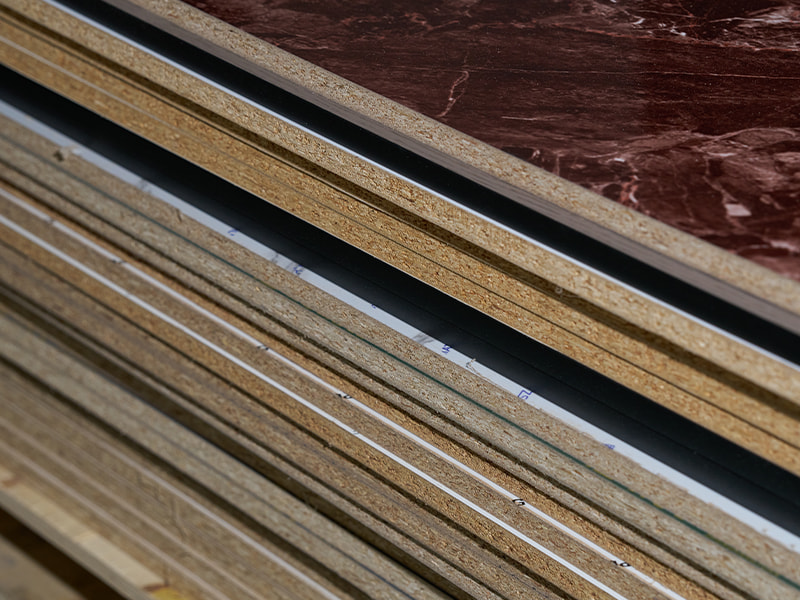
1. Which PVC Foam Board Specifications Can Be Customized?
Customization may cover several aspects of a PVC foam board, depending on the product grade and manufacturing process. Buyers should identify the specifications that directly affect their application before requesting a quotation.
- Thickness: Common commercial options include 3 mm, 5 mm, 10 mm, 15 mm, and 18 mm, while other thicknesses may be available subject to production capability.
- Sheet dimensions: Standard formats such as 1220 × 2440 mm are widely used. Non-standard widths and lengths may require separate production arrangements or cutting services.
- Density: Different density specifications influence panel weight, rigidity, machining behavior, and suitability for particular applications.
- Surface finish: Smooth, matte, glossy, embossed, or laminated surfaces may be available depending on the product range.
- Color: White and other standard colors may be available, while special colors can require additional preparation and order quantities.
These options are general industry examples rather than a guarantee that every specification is available for every Zhongsheng product. Buyers should confirm the current product range and customization conditions with our team.
2. How Does Custom Thickness Affect Purchasing Decisions?
Thickness influences panel weight, rigidity, fabrication methods, and the way a finished component performs in service. A specification suitable for a lightweight display panel may not meet the requirements of a furniture component that needs greater stiffness.
| Illustrative Thickness | Potential Application | Purchasing Consideration |
| 3–5 mm | Signs, display graphics, lightweight decorative panels | Surface flatness, handling, and printing compatibility |
| 8–10 mm | Display structures, interior panels, fabricated components | Rigidity, fastening method, and machining requirements |
| 15–18 mm | Furniture components, cabinet parts, thicker decorative panels | Density, screw-holding requirements, and edge quality |
| Above 18 mm | Specialized fabrication and thicker panel applications | Production capability, weight, dimensional stability, and cost |
The table provides application examples, not universal engineering specifications. The appropriate thickness depends on panel dimensions, loading conditions, support spacing, and the selected foam board structure.
Confirm Dimensional Tolerances Before Ordering
Nominal thickness does not necessarily mean every point on a sheet will measure exactly the same. Buyers should request the applicable thickness tolerance, width and length tolerances, and flatness requirements.
- Define the permitted thickness deviation in millimeters.
- Specify whether dimensions refer to finished sheets or untrimmed production panels.
- Clarify flatness and surface appearance requirements for precision fabrication.
- Agree on inspection methods and acceptance criteria before production.
3. Can Suppliers Produce Non-Standard Sheet Sizes?
Many PVC foam board manufacturers offer custom dimensions, but the available options depend on extrusion equipment, production width, cutting facilities, and the requested quantity. A supplier may be able to cut a standard panel to a smaller size without manufacturing a completely new sheet format.
Distinguish Custom Cutting from Custom Manufacturing
Custom cutting uses existing boards to produce the dimensions required by a buyer. This approach can suit projects involving cabinet panels, display components, or shaped parts. Custom manufacturing may be necessary when the requested thickness, width, density, or surface structure falls outside the supplier's regular production range.
Before requesting a quotation, buyers should provide:
- Finished length and width, including acceptable tolerances.
- Required thickness and density, where specified.
- A technical drawing for complex shapes or machined components.
- Estimated order volume and expected purchasing frequency.
- Packaging requirements and the delivery destination.
Clear specifications allow Zhongsheng to review the application and determine which product and production arrangements may be suitable.
4. What Should Buyers Ask Foamed PVC Sheet Suppliers?
A competitive quotation should explain the scope of the requested specification, not simply provide a price per sheet. Buyers can use the following checklist to compare suppliers on a consistent basis.
| Question | Why It Matters |
| Can the requested thickness and size be supplied? | Confirms whether the specification fits current production capabilities. |
| What tolerances apply? | Helps determine whether the boards meet fabrication requirements. |
| Can density and surface finish be specified? | Clarifies whether the material matches the intended use. |
| Is a sample available? | Allows buyers to evaluate appearance and processing compatibility. |
| What order quantity applies to custom specifications? | Helps calculate purchasing commitments and inventory requirements. |
| How are sheets protected during transport? | Reduces the risk of scratches, edge damage, and deformation. |
5. How Can Buyers Manage Custom Orders More Effectively?
Custom production requires agreement on specifications before manufacturing begins. Changes to thickness, dimensions, color, or surface treatment after approval may affect production arrangements and costs.
- Approve a sample: Check the actual material, thickness, surface finish, and processing behavior.
- Document the specification: Record dimensions, tolerances, density, color, and inspection criteria in writing.
- Confirm order conditions: Review applicable order quantities, tooling or setup charges, production schedules, and payment terms.
- Plan packaging: Specify protective film, edge protection, pallet arrangements, and shipment labels where required.
- Retain a reference sample: Use the approved sample and specification as a benchmark for repeat purchases.
Discuss Your Custom PVC Foam Board Requirements with Zhongsheng
Custom thickness and sheet dimensions can help buyers match PVC foam board to specific fabrication and design requirements. However, the feasibility of a customized order depends on the material grade, production equipment, tolerances, and order conditions.
At Zhongsheng, we encourage furniture manufacturers, distributors, and project buyers to share their drawings, required dimensions, surface preferences, and estimated quantities before placing an order. This information provides a practical starting point for discussing product suitability, available specifications, sample evaluation, and quotation details.
Contact Zhongsheng to discuss your PVC foam board requirements and identify a specification suited to your application.