 English
 Español
Zhongsheng
Zhongsheng
Zhongsheng
Zhongsheng
Zhongsheng
Zhongsheng
Zhongsheng
Zhongsheng
Zhongsheng
Zhongsheng
Zhongsheng
Zhongsheng
Zhongsheng
Zhongsheng
Zhongsheng
When selecting materials for home improvement, commercial displays, or creative projects, durability often becomes a deciding factor. Among the popular options available today, the PETG Decorative Sheet stands out for its balance of strength, appearance, and versatility. To better understand where it fits in, it’s helpful to compare the PETG Decorative Sheet with commonly used materials like PVC and acrylic in terms of durability and practical performance.
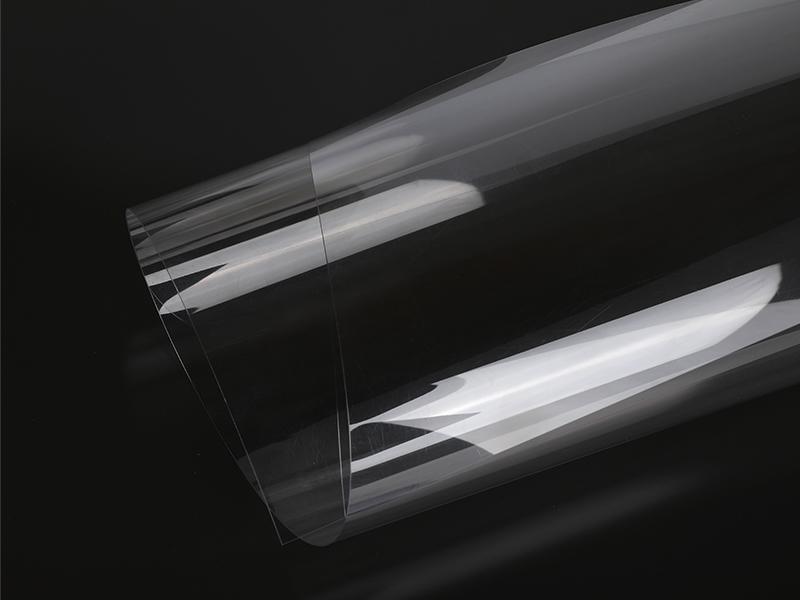
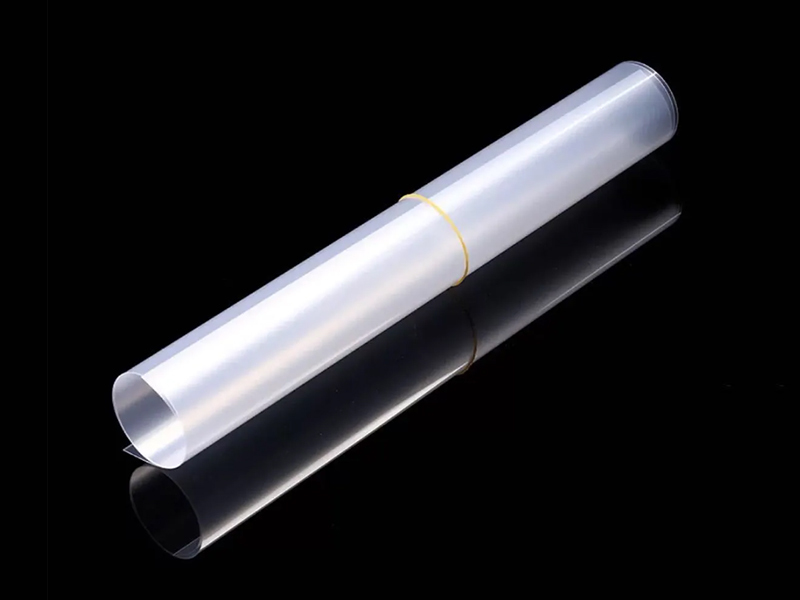
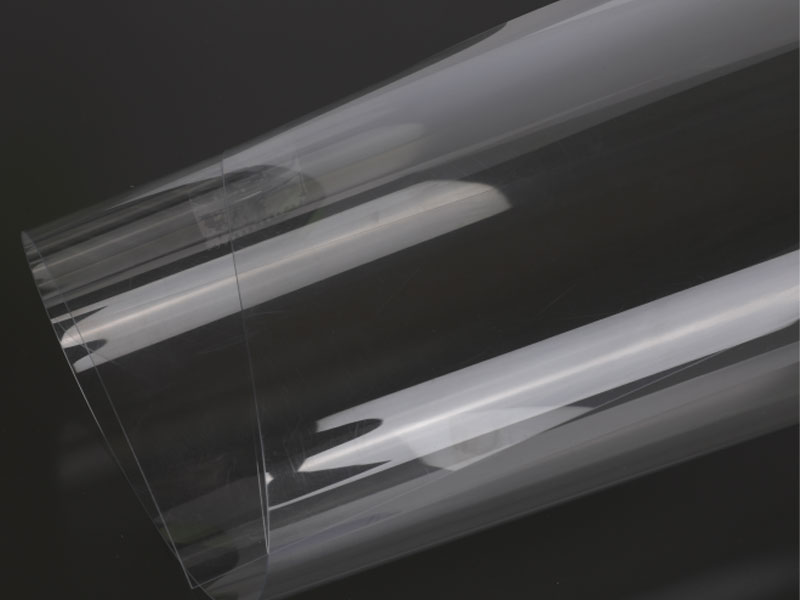
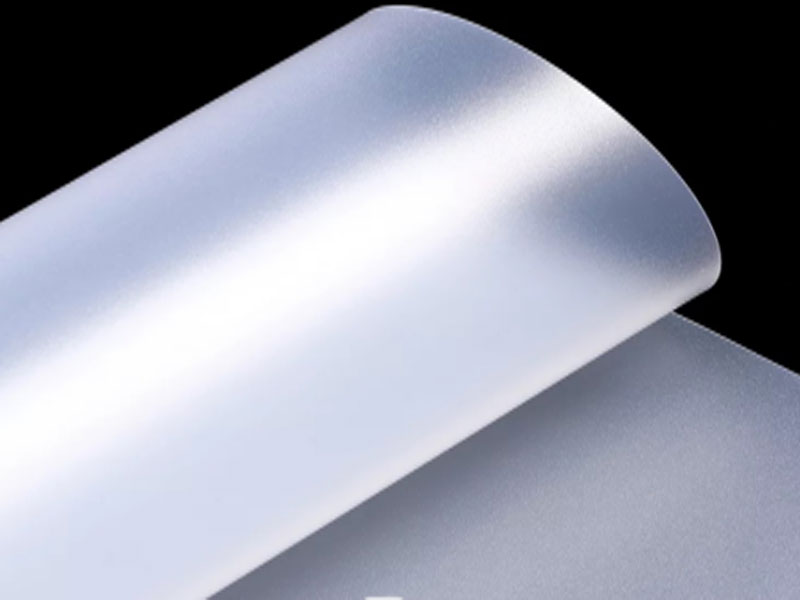
A PETG Decorative Sheet is produced from polyethylene terephthalate glycol, a thermoplastic polyester known for its clarity, impact resistance, and flexibility. One of the appreciated qualities of a Decorative Sheet is its ability to resist cracking and chipping even when exposed to frequent use. This makes it particularly suitable for areas where surface integrity is important, such as kitchen backsplashes, furniture panels, and display stands.
When compared to PVC, the PETG Decorative Sheet offers different advantages. PVC is widely used in construction and signage because it is inexpensive and easy to fabricate. However, PVC can become brittle over time, especially when subjected to continuous UV exposure or cold temperatures. In contrast, a Decorative Sheet maintains its toughness and clarity for longer periods. This makes it a preferred choice for indoor and semi-outdoor applications where durability and appearance must work together.
Acrylic is another popular material often used for displays, decorative panels, and signage. While it has a high-gloss, glass-like appearance, acrylic can be more prone to cracking under impact compared to a PETG Decorative Sheet. One advantage of acrylic is its resistance to weathering, but it tends to be less flexible. A Decorative Sheet offers a good middle ground by providing both impact strength and the ability to bend without breaking, which is valuable in projects requiring curved or custom-shaped elements.
Another important factor in durability is chemical resistance. A PETG Decorative Sheet generally holds up well against household cleaners, mild solvents, and water. This makes maintenance easier, especially in kitchens, bathrooms, or workspaces. PVC can resist many chemicals, though some harsh cleaners may cause discoloration or surface damage. Acrylic is sensitive to certain chemicals and can cloud or craze if exposed to strong cleaning agents. In this regard, the Decorative Sheet provides a reliable surface for environments that require regular cleaning without the risk of quick deterioration.
Temperature tolerance is another aspect where these materials differ. The PETG Decorative Sheet performs consistently in normal indoor conditions and can handle occasional heat exposure without deforming. PVC tends to soften at lower temperatures compared to both PETG and acrylic, which limits its use near heat sources. Acrylic can tolerate higher temperatures but is more vulnerable to thermal shock. This makes the Decorative Sheet a practical option for areas like kitchens and workshops where both durability and heat tolerance matter.
In terms of impact strength, the PETG Decorative Sheet is often preferred for applications where accidental knocks or pressure are possible. It absorbs impacts better than acrylic and remains less brittle over time compared to PVC. This quality has made it a popular choice for wall panels in busy commercial spaces and households with active children or pets.
The ease of handling also contributes to the overall durability of a PETG Decorative Sheet during installation and maintenance. It is simple to cut, drill, and shape with standard tools, reducing the risk of accidental damage during fabrication. Acrylic requires careful handling to avoid cracks, while PVC can be challenging to work with for more precise or decorative projects.
One more area where the PETG Decorative Sheet holds an advantage is environmental safety. PETG is considered more environmentally considerate since it’s recyclable and produces fewer harmful by-products during manufacturing. PVC, while widely available, raises concerns due to the release of certain chemicals over time. Acrylic, although durable, also presents challenges in recycling. This makes the Decorative Sheet an attractive option for those seeking materials that balance performance with a lower environmental impact.