 English
 Español
Zhongsheng
Zhongsheng
Zhongsheng
Zhongsheng
Zhongsheng
Zhongsheng
Zhongsheng
Zhongsheng
Zhongsheng
Zhongsheng
Zhongsheng
Zhongsheng
Zhongsheng
Zhongsheng
Zhongsheng
What is the intended application for the metallic film/sheet?
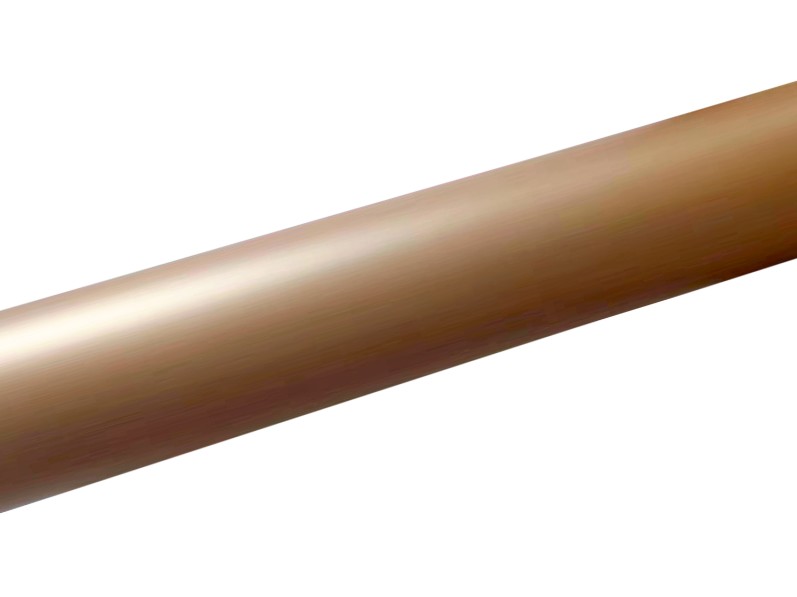
The crucial factor in choosing the right metallic film or sheet is understanding its intended application. The purpose and environment in which the material will be used will influence the choice of finish, durability, and performance characteristics.
Interior vs. Exterior Use: Metallic films used for interior design, such as in furniture, wall panels, and home decor, may prioritize aesthetic qualities and ease of application. For instance, a brushed aluminum film could be used for modern furniture, while a shiny chrome finish might be used for more high-end decorative pieces. On the other hand, metallic sheets used in exterior applications, such as vehicle wraps or outdoor signage, need to be weather-resistant and durable. In this case, the film must be designed to withstand UV exposure, moisture, and temperature fluctuations.
Industry-Specific Needs: If you are working in industries such as automotive, packaging, or electronics, the functional requirements for the metallic film or sheet may differ. For example, automotive applications often require films with high durability and resistance to scratches, while packaging might need a lightweight, cost-effective solution with printability.
Practical Tip: Before selecting the material, clearly define the functional needs of your project—whether you need it for decoration, protection, or branding. Consider whether the material will be exposed to harsh conditions and how it will be maintained over time.
What types of finishes are required for the aesthetic appeal?
Metallic films come in a variety of finishes, each offering a different visual appeal and feel. Choosing the right finish is key to achieving the desired look for your project.
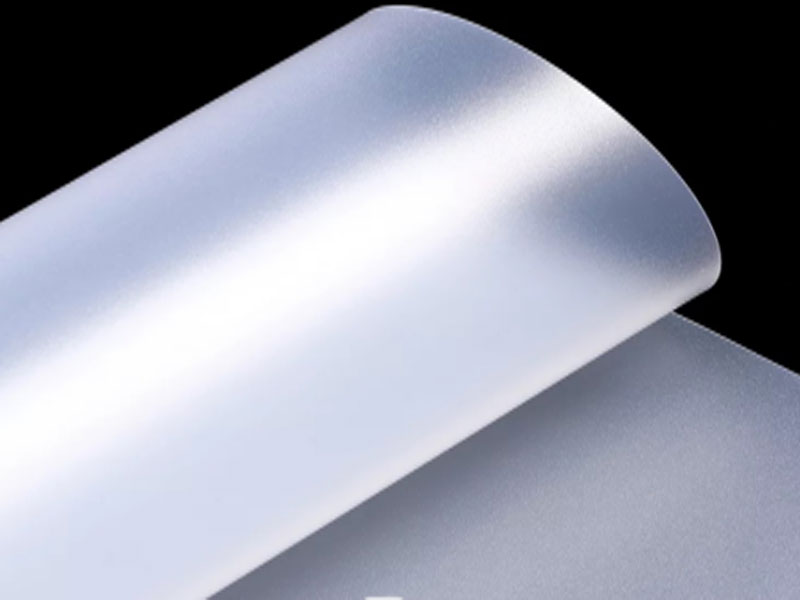
Matte vs. Glossy Finishes: Matte metallic films, like brushed or satin finishes, have a subdued, refined appearance. These finishes are often preferred for minimalist or professional designs. On the other hand, glossy metallic finishes, such as mirror or polished metal films, provide a highly reflective surface and are ideal for eye-catching, high-visibility applications.
Textured vs. Smooth: Some metallic films come with a textured finish, such as a brushed or hammered pattern, which can add depth and dimension to the surface. This type of finish is commonly used in interior design elements like cabinet panels or flooring. Smooth metallic films are often used for sleek, contemporary looks, such as on automotive surfaces or high-end product packaging.
Practical Tip: Think about the desired visual impact of your project. If you need a sophisticated, understated look, consider a matte or brushed finish. For a striking, bold look, opt for glossy or highly reflective finishes.
What level of durability and resistance is required?
The durability of the metallic film or sheet is another important factor to consider. This will depend on the intended use of the material, whether it needs to withstand physical wear, environmental exposure, or chemical stress.
Abrasion Resistance: If the metallic film will be exposed to friction, such as in high-traffic areas or on vehicle surfaces, it is important to choose a film with high abrasion resistance. Some metallic films come with added protective coatings that prevent scratching and maintain the film's appearance over time.
UV Resistance: For projects that will be exposed to sunlight, UV resistance is crucial. UV-resistant metallic films can prevent fading, discoloration, and damage caused by prolonged sun exposure. This is particularly important for automotive, outdoor signage, and furniture used in sunlit areas.
Chemical Resistance: In some industries, metallic films and sheets are exposed to chemicals or cleaning agents. If the material needs to resist chemical exposure, such as in the food and beverage industry, or areas where cleaning is frequent, choose a metallic film designed to withstand such environments.
Practical Tip: Evaluate the environment and usage conditions your metallic film or sheet will face. For harsh conditions, such as automotive or outdoor use, prioritize durability features like UV resistance, abrasion resistance, and chemical protection.
What are the installation and maintenance requirements?
Ease of installation and maintenance is another critical consideration in choosing the right metallic film or sheet. Some materials are easier to apply and maintain than others.
Application Process: Some metallic films come with adhesive backing for simple peel-and-stick installation, making them ideal for DIY projects or quick installations. Others, especially metallic sheets, may require professional installation due to their rigidity or need for more complex adhesive techniques.
Cleaning and Maintenance: Consider how easy the material will be to clean and maintain. Films with glossy finishes may show fingerprints and smudges more readily than matte finishes. Some films also have coatings that make them easier to clean, resisting dust and dirt buildup.
Durability of Installation: Think about whether the film or sheet will be exposed to wear and tear, such as on high-traffic surfaces. Some metallic films are designed for long-term installation without lifting or peeling, while others might need to be replaced or reapplied periodically.
Practical Tip: Choose the installation and maintenance requirements that align with your project's timeline, budget, and long-term goals. If you're looking for an easy-to-install, low-maintenance option, films with adhesive backing and protective coatings might be ideal.