 English
 Español
Zhongsheng
Zhongsheng
Zhongsheng
Zhongsheng
Zhongsheng
Zhongsheng
Zhongsheng
Zhongsheng
Zhongsheng
Zhongsheng
Zhongsheng
Zhongsheng
Zhongsheng
Zhongsheng
Zhongsheng
The application of decorative surfaces is a common practice in product design, interior architecture, and retail environments. Among the various materials available, PETG decorative sheets and films have gained attention for their specific set of physical and aesthetic properties.

1. Functional Properties and Performance
The utility of any material is grounded in its performance characteristics, which determine where and how it can be effectively deployed.
1.1. Impact Resistance and Durability
PETG is known for its high impact strength, which is notably greater than that of materials like acrylic (PMMA). This property makes it a useful choice for applications where the surface is subject to contact or potential impact. For instance, PETG is employed for protective barriers in retail stores or public facilities, where it can withstand incidental bumps from shopping carts or people without cracking or shattering. Its scratch resistance, while present, is generally lower than that of polycarbonate, placing it in a middle ground for durability.
1.2. Formability and Fabrication
A defining characteristic of PETG is its thermoformability. It can be heated and stretched over complex molds without whitening or losing structural integrity. This is particularly useful in the automotive and aerospace industries for creating seamless, molded interior panels with integrated decorative surfaces. For fabricators, it is also easier to cut and machine than polycarbonate, producing less tool wear and allowing for precise fabrication with standard equipment.
1.3. Chemical and Stain Resistance
PETG exhibits a good resistance to a range of chemicals, including many oils, greases, and dilute acids and alkalis. This makes it a practical material for laboratory work surfaces, kitchen splashbacks, and healthcare facility wall cladding, where spillages of cleaning agents or other substances are likely. Its non-porous surface prevents the absorption of stains, allowing for easy cleaning and maintenance.
2. Aesthetic and Design Applications
The visual versatility of PETG decorative films and sheets contributes significantly to their usefulness across design disciplines.
2.1. Printability and Visual Clarity
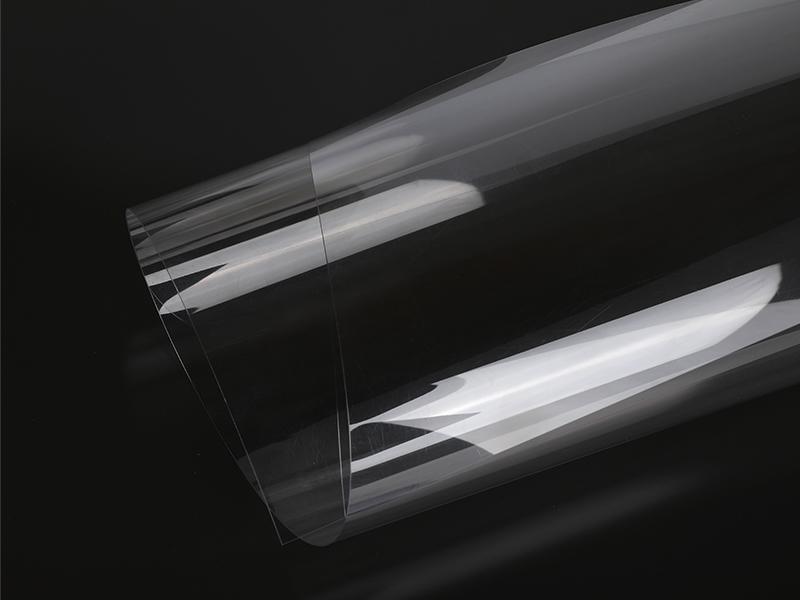
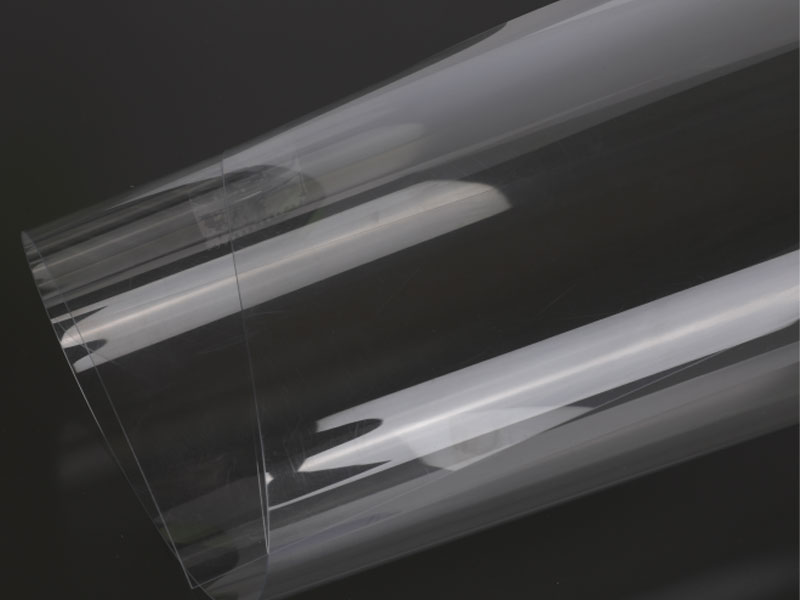
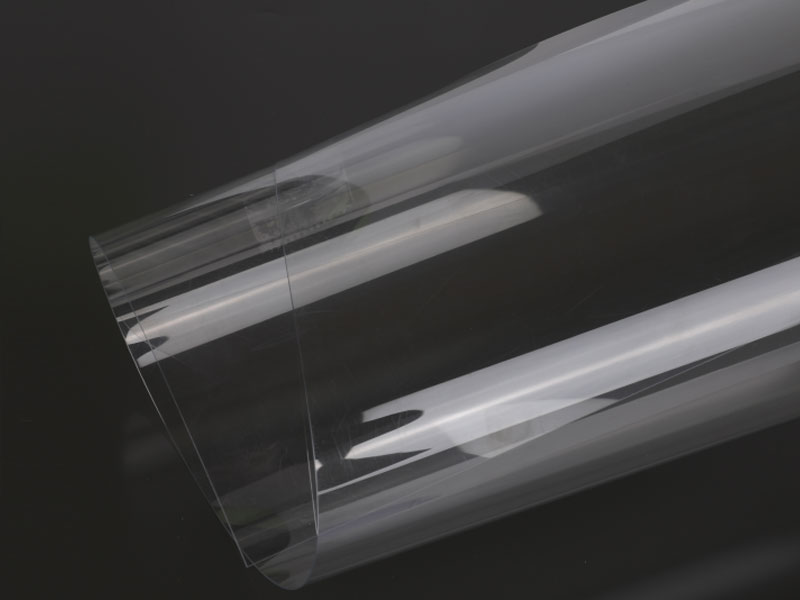
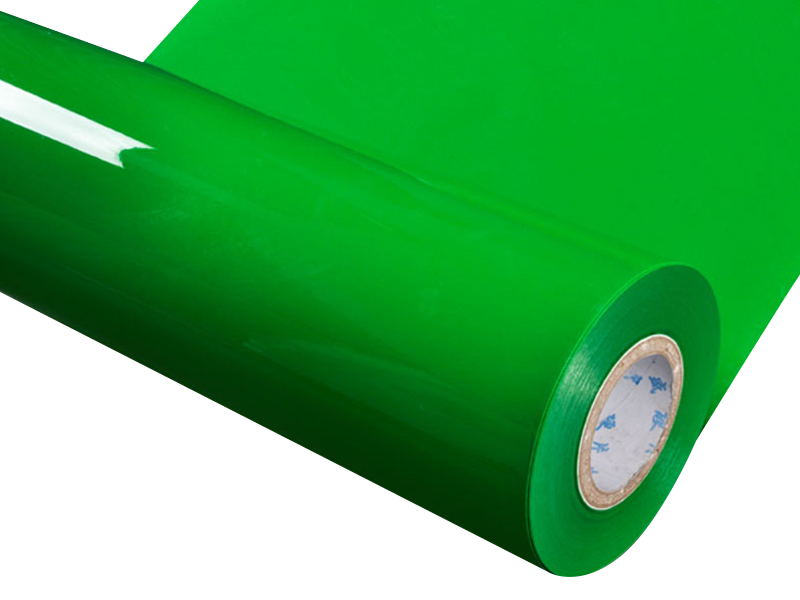
PETG films provide an substrate for high-quality printing. They can accept detailed graphics, wood grains, metallic finishes, and solid colors through processes like UV printing. This allows for the creation of realistic and durable decorative surfaces for applications such as interior wall coverings, appliance fascias, and promotional signage. In its clear form, PETG offers high light transmission, making it useful for display cases and protective overlays where visual clarity is important.
2.2. Versatility in Finishes and Textures
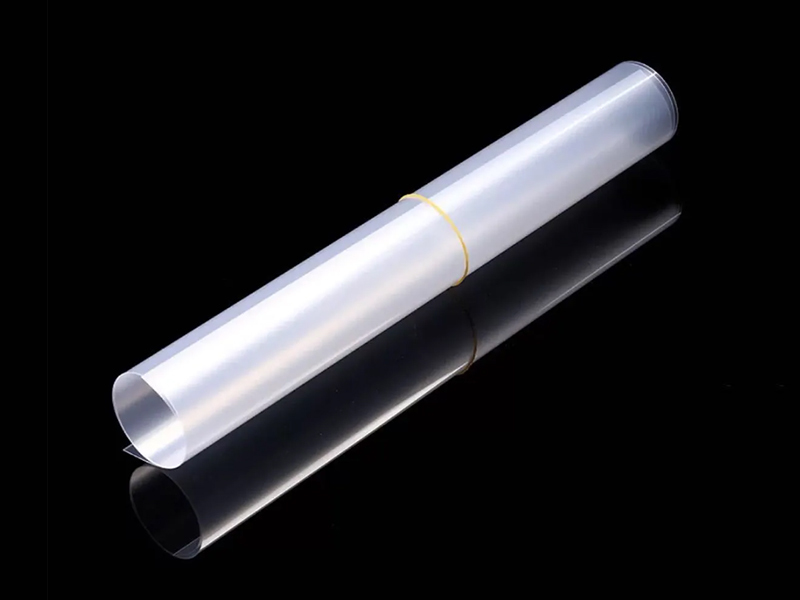
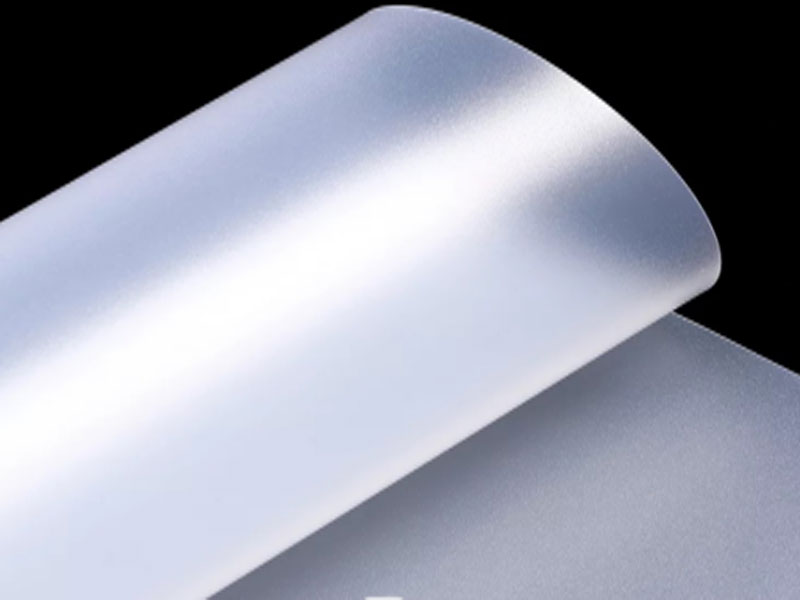
The material can be manufactured in a wide array of finishes, including glossy, matte, and textured surfaces. A matte-finish PETG film can be applied to electronic device housings to provide a soft-touch feel that resists fingerprint smudges. Textured finishes can be used to mimic materials like brushed metal or linen, offering a cost-effective way to achieve a high-end aesthetic for consumer products and furniture.
3. Practical and Economic Considerations
The decision to use PETG often involves weighing its performance against practical factors like cost, installation, and sustainability.
3.1. Cost-Effectiveness and Value
PETG typically occupies a middle ground in terms of cost—it is more expensive than PVC and acrylic but generally less expensive than polycarbonate. This positions it as a useful material when the higher impact resistance of polycarbonate is not required, but the brittleness of acrylic is a concern. For a project requiring good durability and formability without the level of impact protection, PETG presents a balanced economic choice.
3.2. Ease of Installation and Handling
PETG sheets are lighter than glass and less brittle than acrylic, which can simplify handling and installation processes. Decorative PETG films are often backed with pressure-sensitive adhesives, allowing for efficient application to substrates like MDF, plywood, or metal. This facilitates renovation projects, such as updating kitchen cabinet doors or retail fixtures, without the need for full replacement.
3.3. Environmental Profile
PETG is a recyclable material, which can be a factor in its selection for companies and projects with sustainability goals. Its ability to be thermoformed into lightweight parts can also contribute to weight reduction in transportation applications, indirectly improving energy efficiency. However, as a petroleum-based plastic, its environmental impact in production and the importance of responsible end-of-life management remain considerations.