 English
 Español
Zhongsheng
Zhongsheng
Zhongsheng
Zhongsheng
Zhongsheng
Zhongsheng
Zhongsheng
Zhongsheng
Zhongsheng
Zhongsheng
Zhongsheng
Zhongsheng
Zhongsheng
Zhongsheng
Zhongsheng
Early Development of PETG
Polyethylene terephthalate glycol-modified (PETG) is a thermoplastic polymer derived from PET (polyethylene terephthalate). The glycol modification was introduced to improve impact resistance, flexibility, and clarity. PETG itself has been used in various industrial applications since the late 20th century, including packaging, signage, and protective films.

Introduction to Decorative Films
The concept of decorative films using PETG emerged as manufacturers sought materials with better durability and aesthetic appeal. In the early 2000s, PETG sheets began to be adapted for decorative applications due to their clarity, chemical resistance, and flexibility, offering an alternative to traditional PVC films.
Development of Matt Finish
The matt texture on PETG films was introduced to reduce surface gloss and reflections while maintaining the mechanical and chemical properties of the base material. Matt PETG decorative films started appearing in commercial applications around the mid-2000s, primarily in interior design, furniture, and consumer electronics.
Commercial Availability
By the late 2000s, matt PETG decorative films became more widely available in the market. Suppliers began producing standardized thicknesses, surface textures, and color options to meet architectural and industrial design requirements. The combination of surface aesthetics, durability, and flexibility contributed to their gradual adoption in decorative and functional applications.
Global Adoption
Since their introduction, matt PETG films have been used internationally in various industries, including automotive interiors, cabinetry, and decorative panels. Continuous material innovation has expanded design possibilities and improved processing compatibility for manufacturers.
Advantages of Matt PETG Decorative Film
Enhanced Aesthetic Appeal
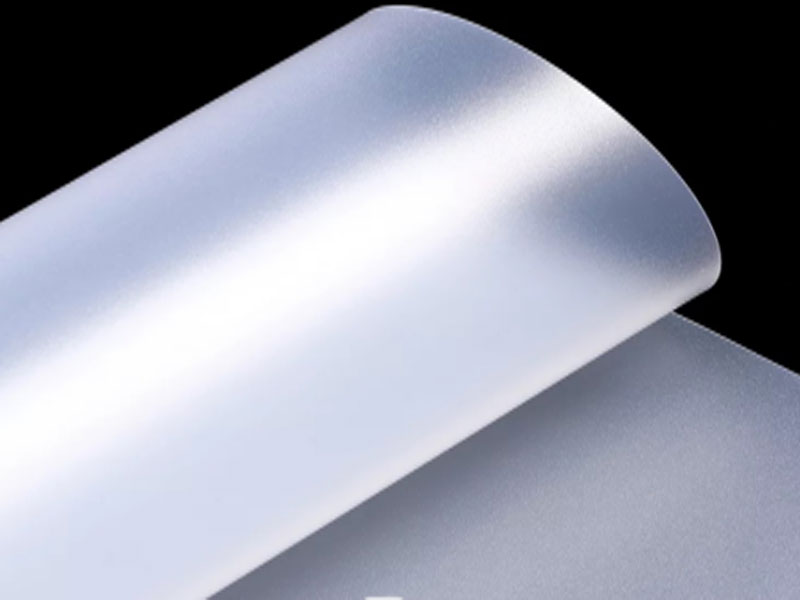
Matt PETG decorative films provide a smooth, low-reflective surface that reduces glare. This surface is suitable for applications where a uniform, muted appearance is preferred. The matte finish also helps conceal fingerprints, scratches, and minor surface imperfections compared to glossy alternatives.
Durability and Flexibility
The base PETG material offers high impact resistance, flexibility, and thermal stability. The film can be applied to curved or complex surfaces without cracking or losing structural integrity. These properties make it suitable for furniture, paneling, and other decorative applications where both appearance and durability are required.
Chemical and Environmental Resistance
Matt PETG films resist moisture, mild chemicals, and UV exposure. This allows them to maintain color stability and surface integrity over time, even in environments with variable temperature or humidity. Compared to other decorative materials, PETG films are easier to clean and maintain.
Ease of Fabrication
The films can be thermoformed, cut, laminated, or printed on without losing their mechanical properties. This compatibility with multiple processing methods makes them versatile for manufacturers and designers. Matte films also adhere well to substrates such as MDF, metal, or glass using standard adhesives or heat-assisted bonding.
Consistent Performance
Matt PETG films provide uniform thickness and surface finish, ensuring reliable performance across production batches. This consistency is critical for large-scale applications, where visual uniformity and material behavior must meet design and functional specifications.
Production Issues of Matt PETG Decorative Film
Surface Defects
During extrusion or coating, matt PETG films may develop surface defects such as streaks, bubbles, or inconsistent textures. These defects can result from uneven cooling, improper roller settings, or contamination in the polymer feed. Quality control and process monitoring are essential to minimize these issues.
Adhesion and Lamination Challenges
Applying matt PETG films to substrates requires proper surface preparation. Contaminated surfaces or incorrect adhesive application can bring about poor bonding, lifting, or air gaps. Adjustments in adhesive type, temperature, and pressure may be necessary to ensure uniform adhesion.
Thermal and Mechanical Stress
Thermoforming or bending matt PETG films may introduce stress marks, distortion, or cracking if heating and forming parameters are not properly controlled. The relatively low glass transition temperature of PETG requires careful management of heat and cooling cycles during production.
Color and Consistency Issues
Achieving uniform coloration or matte texture across large batches can be challenging. Variations in pigmentation, roller pressure, or polymer flow may produce inconsistent appearance. Manufacturers must maintain tight process control to ensure color stability and surface uniformity.