 English
 Español

Zhongsheng
Zhongsheng
Zhongsheng
Zhongsheng
Zhongsheng
Zhongsheng
Zhongsheng
Zhongsheng
Zhongsheng
Zhongsheng
Zhongsheng
Zhongsheng
Zhongsheng
Zhongsheng
Zhongsheng
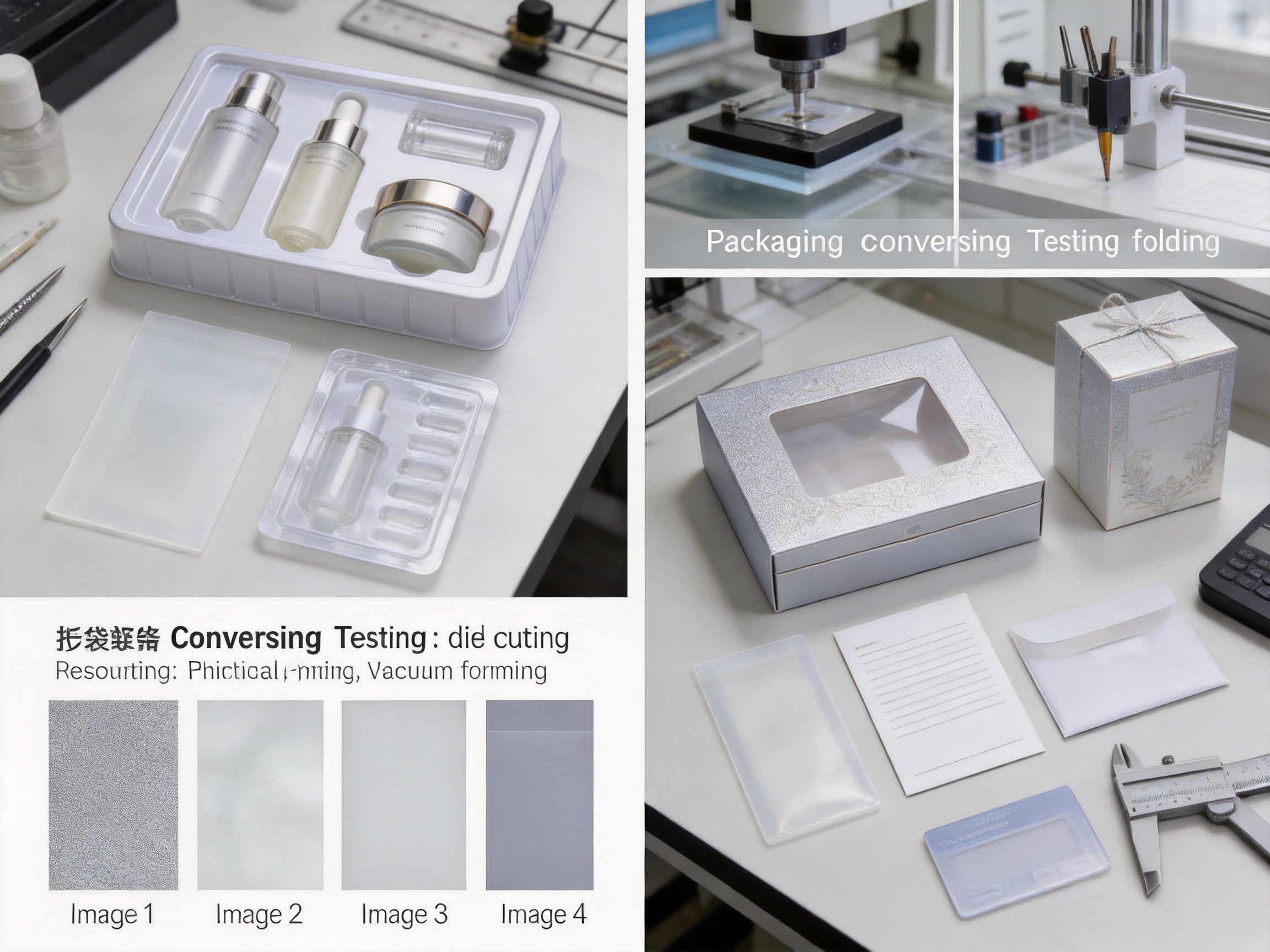
Premium cosmetic packaging must do more than protect a product. It must communicate quality, create a memorable first impression, support efficient production, and remain reliable throughout transportation, storage, retail display, and consumer use. Packaging designers therefore look for materials that combine refined appearance with dependable mechanical performance. Frosted PET film and sheet provide a practical solution for cosmetic containers, folding boxes, transparent windows, trays, blister packs, and other high-value packaging applications.
Frosted PET film and sheet are made from polyethylene terephthalate, a versatile engineering thermoplastic recognized for its strength, clarity, dimensional stability, chemical resistance, and processing flexibility. A controlled frosted surface adds visual softness and a premium tactile effect while maintaining many of the functional advantages associated with PET. The result is a material suitable for brands that need packaging to appear elegant without compromising durability or manufacturing efficiency.
This material is mainly used in high-end cosmetic packaging and other product packaging applications. It can also be processed into vacuum-formed trays, blister shells, folding boxes, stationery products, plastic windows, plastic cards, toy packaging, food packaging, and printed promotional structures. Its broad processing range allows packaging manufacturers to use one material family across several components of a product presentation.
The Role of Frosted PET in Modern Packaging Design
Cosmetic packaging is highly visual. Consumers often evaluate a product before opening it, and the package contributes significantly to perceptions of cleanliness, sophistication, safety, and value. Glossy plastics can create a bright, highly reflective appearance, while fully opaque materials conceal the product completely. Frosted PET occupies a useful middle position. It provides a softened, refined appearance and can diffuse reflected light while preserving a degree of transparency.
The frosted effect can help reduce the harsh reflections that sometimes appear on smooth transparent packaging. This is particularly useful for products displayed under strong retail lighting or photographed for digital commerce. A lightly diffused surface can create a more comfortable visual balance, allowing printed graphics, colors, and product silhouettes to remain attractive without excessive glare.
Frosted PET also supports a variety of design directions. It can be used for minimalist packaging with restrained typography, luxurious cosmetic boxes with metallic printing, translucent sleeves, premium product windows, inner trays, and decorative overlays. Designers may combine it with paperboard, labels, inks, adhesives, foils, or other plastic components to create layered packaging structures.
Unlike materials selected only for appearance, PET provides a functional foundation for repeated handling. A cosmetic package may be transported through multiple distribution stages, placed in cartons, loaded onto retail shelves, handled by customers, and exposed to changing temperatures. The material must resist cracking, distortion, and surface damage during these stages. Frosted PET sheet is well suited to this environment because its mechanical properties support both protection and presentation.
Material Construction and Surface Appearance
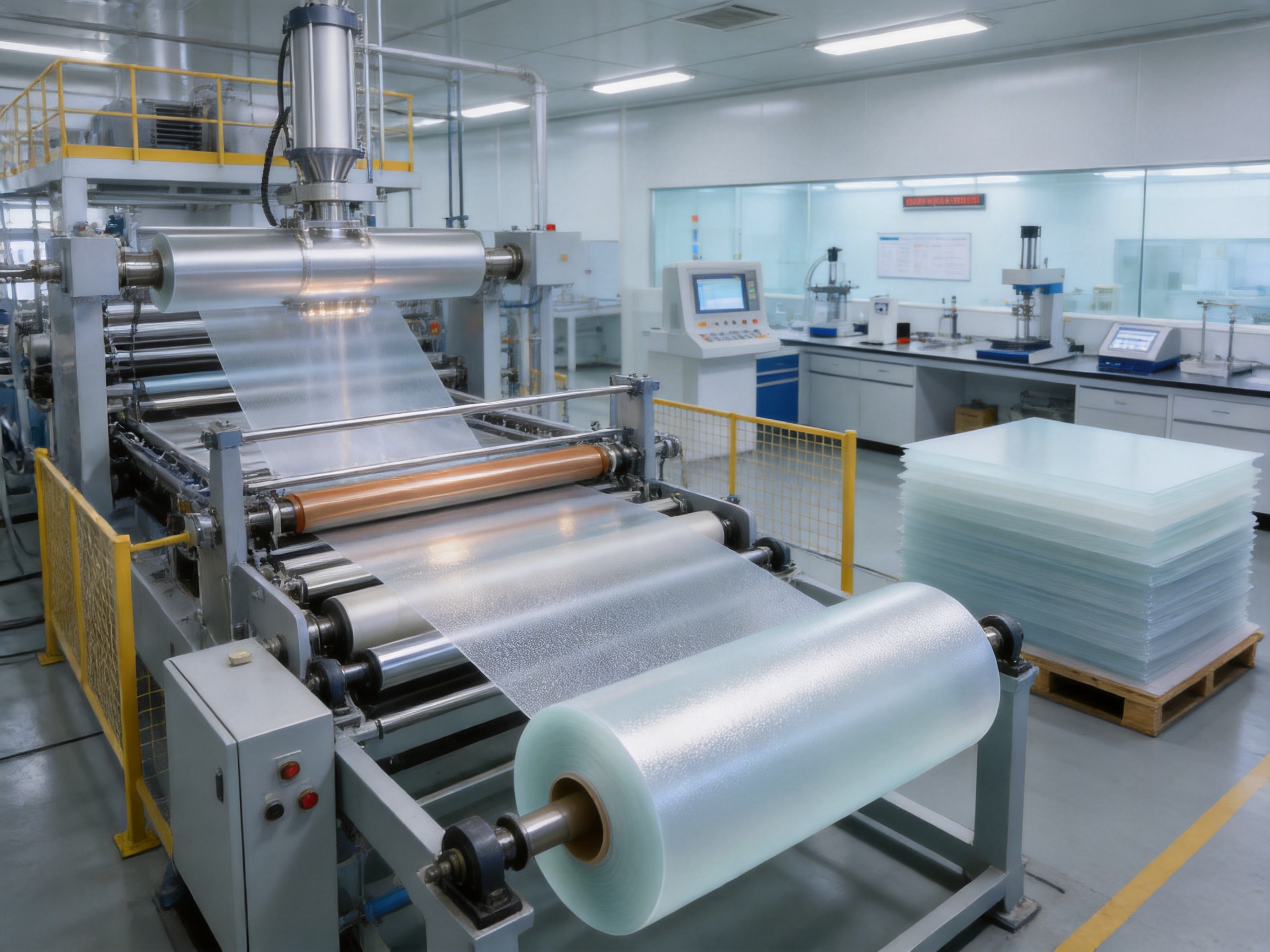
PET is produced from a polyester polymer that can be formed into films and sheets with controlled thickness, width, transparency, and surface characteristics. During manufacturing, the polymer is processed under carefully controlled thermal and mechanical conditions. The final structure can be engineered for packaging operations such as printing, folding, thermoforming, vacuum forming, and die cutting.
The frosted appearance is created through surface design and controlled light diffusion. Depending on the required application, the surface may be developed to provide a subtle matte effect or a more pronounced textured appearance. The objective is to achieve a consistent visual finish without undermining the clarity, strength, or processing behavior expected from a high-quality PET product.
Surface consistency is important for cosmetic packaging because even minor variations can become visible across large panels or repeated production batches. A reliable manufacturing process should control resin preparation, extrusion conditions, cooling, thickness distribution, surface treatment, winding, and final inspection. Stable process control helps packaging converters receive material that performs consistently on printing, forming, and assembly equipment.
The combination of a refined surface and a transparent or translucent body gives frosted PET a distinctive position among packaging materials. It can appear soft and luxurious while still allowing users to see selected portions of the package. This balance is valuable for cosmetics, personal care products, gift sets, and premium consumer goods that require both product protection and visual communication.
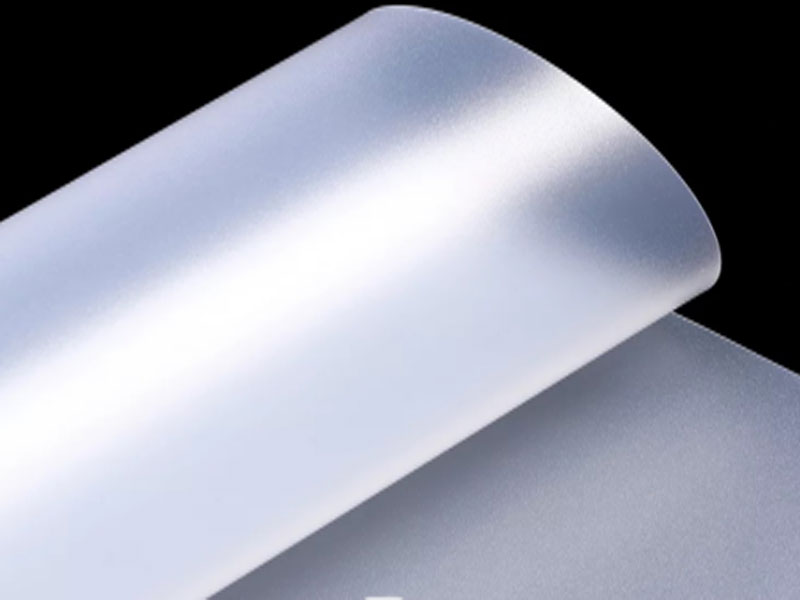
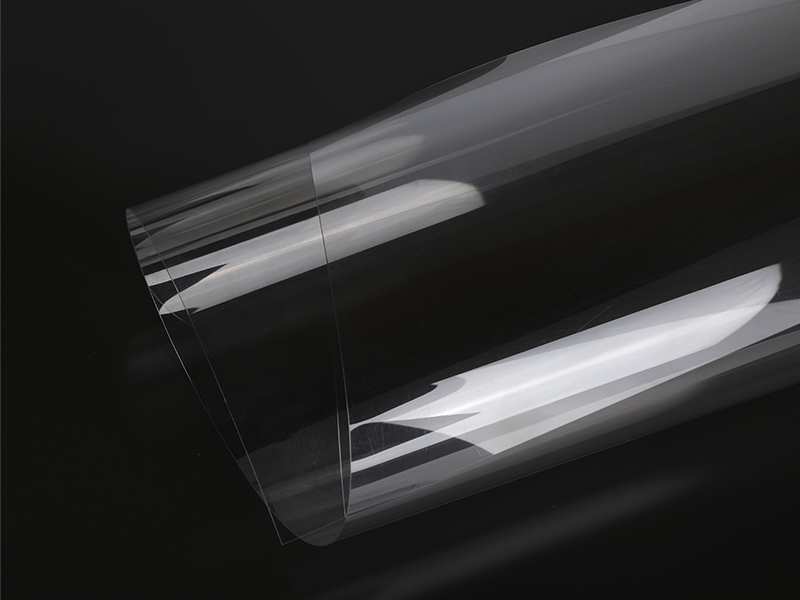
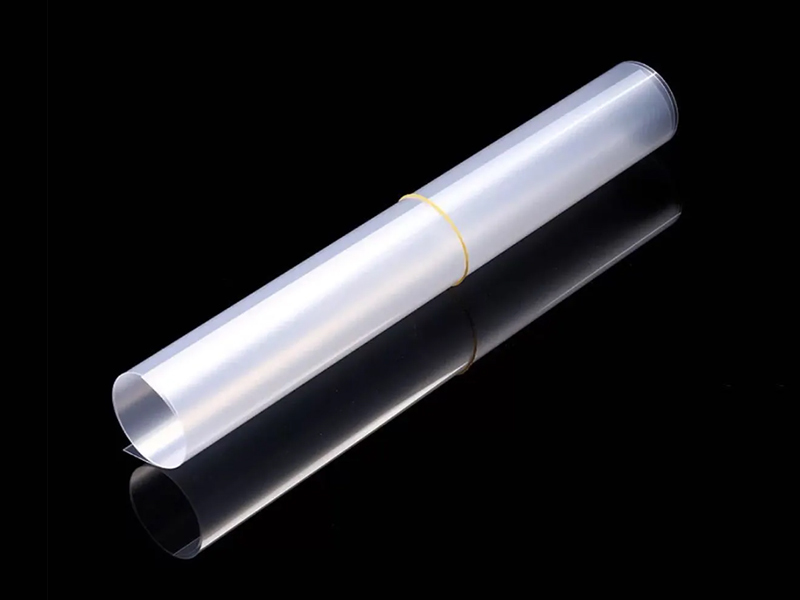
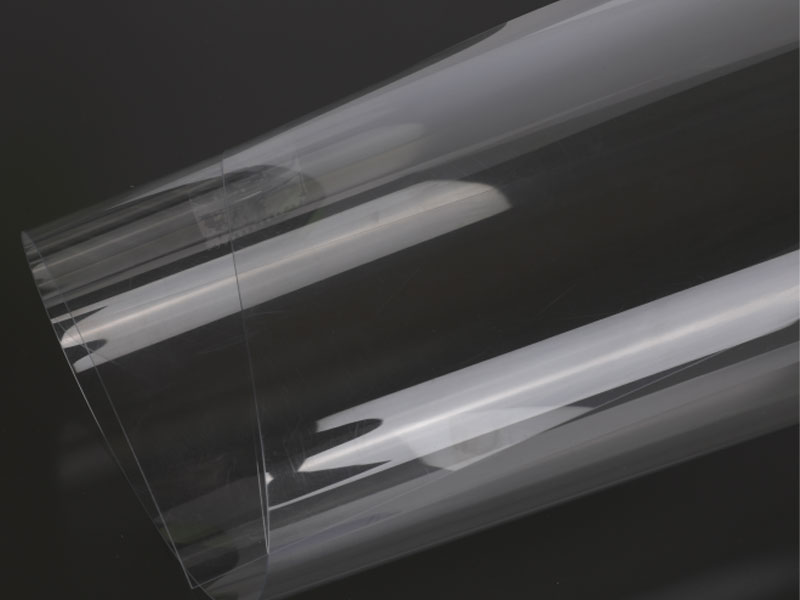
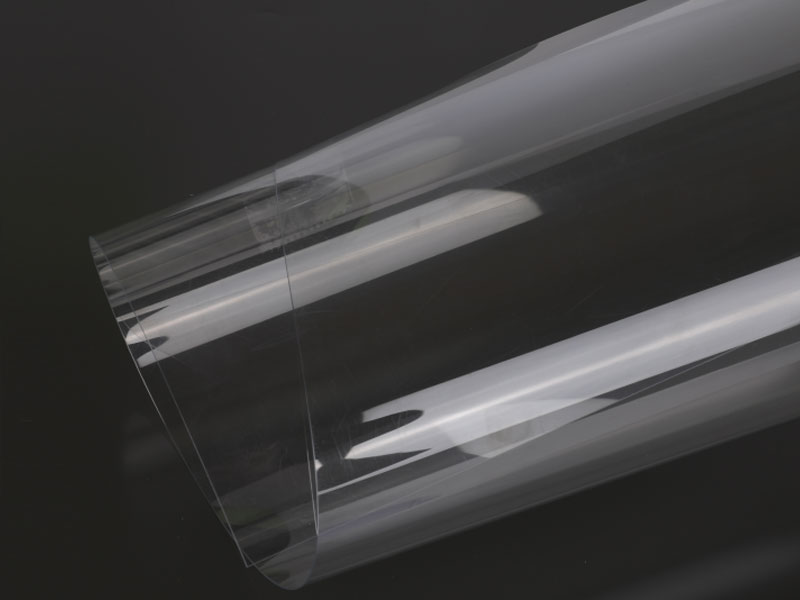
PET Frosted Film/Sheet for Cosmetics Package
Key Technical Advantages
High Mechanical Strength
One of the most important advantages of PET film and sheet is its mechanical performance. The material has high tensile strength and good resistance to impact, bending, and handling stresses. Its impact strength is described as three to five times that of certain other commonly used films, making it a reliable option for packaging that must withstand transportation and retail handling.
Strong mechanical performance reduces the likelihood of tearing, splitting, or accidental damage during packaging conversion. It also helps finished cosmetic boxes, trays, and windows maintain their shape. A package that remains structurally stable can protect the contents more effectively and preserve its visual quality until it reaches the consumer.
Good folding resistance is another useful characteristic. Folding cartons, inserts, sleeves, and display components may be creased or bent during production and assembly. Materials with inadequate folding performance can whiten, crack, or fail along stress lines. PET sheet is suitable for applications where controlled folding and repeated handling are part of the package design.
Resistance to Oils, Grease, and Common Chemicals
Cosmetic products may contain oils, fragrances, alcohols, surfactants, pigments, and other active ingredients. Packaging materials can come into contact with product residues during filling, transportation, opening, or use. Frosted PET provides resistance to oil and grease, as well as dilute acids, dilute alkalis, and most solvents under appropriate conditions.
This chemical resistance supports the long-term appearance and integrity of the package. It helps reduce the risk that ordinary cosmetic residues will cause rapid deterioration, softening, or visible damage. It is still important for packaging manufacturers to evaluate the exact formulation of the product, exposure duration, temperature, and contact conditions before final material approval.
Chemical resistance is also beneficial during printing and converting. Packaging production may involve inks, coatings, cleaning agents, or adhesives. Selecting a material with suitable resistance can improve process reliability, although compatibility testing should always be performed with the specific ink, coating, adhesive, and production conditions being used.
High Transparency and Controlled Light Transmission
PET is recognized for its high transparency and attractive gloss. In a frosted grade, the surface modifies the way light is reflected and transmitted, creating a softer appearance while retaining useful visibility. This enables designers to create packaging that feels premium without making the product completely invisible.
High transparency can support product identification, fill-level visibility, color coordination, and display appeal. In some cosmetic applications, the package may need to reveal the color or shape of the product. In others, a partially diffused surface may be preferred to create a more mysterious or luxurious presentation. Frosted PET can be selected according to the desired balance between clarity and diffusion.
The material also blocks ultraviolet rays to a useful degree. UV exposure can contribute to the fading of printed graphics and the degradation of light-sensitive contents. While packaging design must be evaluated according to the sensitivity of the specific cosmetic formula, PET’s UV-blocking characteristic adds another layer of protection and supports longer-lasting visual quality.
Gloss and Premium Visual Quality
Surface appearance is a major differentiator in high-end packaging. Frosted PET can combine a sophisticated matte or satin visual effect with the inherent gloss and clarity of PET. This makes it suitable for brands seeking a modern, clean, and refined appearance rather than a basic commodity finish.
The surface can provide a tactile distinction when consumers pick up the package. A carefully designed frosted finish may communicate softness, technical quality, or understated luxury. It can also help printed elements stand out by creating contrast between the surface texture and selected areas of gloss, ink, foil, or transparent design.
For packaging manufacturers, the visual quality of the raw material is only one part of the final result. Printing, cutting, creasing, forming, and assembly must be controlled as well. High-quality frosted PET provides a stable base for these operations, allowing the converter to focus on artwork registration, forming accuracy, and finished-package appearance.
Temperature Adaptability
Frosted PET film and sheet can adapt to environments from approximately -20°C to 70°C, with limited impact on mechanical properties within this range. This characteristic is valuable because packaging may experience temperature changes during manufacturing, warehousing, shipping, retail display, and consumer use.
Temperature adaptability helps reduce the risk of sudden brittleness at lower temperatures or excessive loss of strength at higher temperatures. It does not eliminate the need for application testing, especially when packaging is exposed to heat during forming, transportation in hot climates, or prolonged storage near heat sources. Nevertheless, the material’s broad working range provides a dependable starting point for many standard packaging applications.
Stable performance across normal environmental conditions can also support international distribution. Packaging producers serving different geographic markets often prefer materials that can tolerate varied climates without substantial changes in appearance or dimensional behavior. PET’s temperature performance contributes to this versatility.
Why Frosted PET Can Outperform Alternative Packaging Films
Packaging decisions should be based on the complete balance of appearance, strength, processability, chemical resistance, and cost. No single material is ideal for every application, but frosted PET offers a combination that is difficult to achieve with many alternative films.
Compared with thin commodity films, PET generally provides stronger mechanical support and better resistance to handling damage. This can be important for packaging that must retain a precise shape or include a large transparent panel. A stronger material may also permit efficient lightweight designs while maintaining acceptable structural performance.
Compared with fully opaque sheets, frosted PET provides greater visual flexibility. It can conceal selected details while still allowing light transmission or partial product visibility. This makes it useful for premium packages that need privacy and visual refinement without losing the benefits of a transparent structure.
Compared with ordinary glossy transparent plastic, a frosted grade can reduce visual harshness and create a more distinctive tactile and optical identity. This is particularly valuable in crowded retail environments where packaging must be recognizable without relying only on bright colors or complex graphics.
Compared with materials that have limited chemical resistance, PET offers stronger protection against contact with oils, grease, dilute acids, dilute alkalis, and most solvents. This supports cosmetic applications in which product formulas and packaging surfaces may interact during normal use.
The material also provides a useful balance between stiffness and flexibility. It can be manufactured in thicknesses suitable for thin film applications and thicker sheet applications. This range enables one material family to address different packaging structures, from printed decorative films to formed trays and rigid windows.
These advantages do not mean that PET replaces every other material. Paperboard, PVC, polypropylene, polycarbonate, acrylic, and other substrates each have their own uses. However, when the project requires clarity, strength, chemical resistance, folding performance, and a premium frosted appearance in one solution, PET is a strong candidate for technical evaluation.
Available Thicknesses and Widths
The product is available in thicknesses from 0.15 to 3.0 millimeters and widths from 170 to 1,350 millimeters. This dimensional range supports both film-oriented and sheet-oriented applications. Thin grades can be considered for overlays, labels, decorative layers, and flexible packaging components, while thicker grades may be used for folding structures, trays, display panels, and formed packaging parts.
| Specification | Available Range | Typical Design Considerations |
|---|---|---|
| Thickness | 0.15–3.0 mm | Selected according to stiffness, folding, printing, forming, and protection requirements |
| Width | 170–1,350 mm | Selected according to equipment width, nesting efficiency, and finished-part dimensions |
| Temperature adaptability | Approximately -20°C to 70°C | Useful for normal storage, transportation, display, and handling environments |
| Primary surface effect | Frosted or diffused appearance | Helps create a soft, premium visual and tactile finish |
| Processing options | Printing, folding, vacuum forming, blister forming, cutting, and assembly | Final suitability should be confirmed through application trials |
Thickness selection should be based on the complete package design rather than on appearance alone. Thin material may be appropriate where flexibility, low weight, and efficient printing are priorities. Thicker material may be preferred where the package must resist deformation, support a window, maintain a rigid fold, or undergo vacuum forming.
Width selection also influences production efficiency. A converter can evaluate the required finished-part dimensions, machine width, cutting layout, nesting pattern, and expected trim loss. Correct width planning can improve material utilization and reduce unnecessary waste during die cutting or sheet processing.
Applications in Cosmetic Packaging
Folding Boxes and Cartons
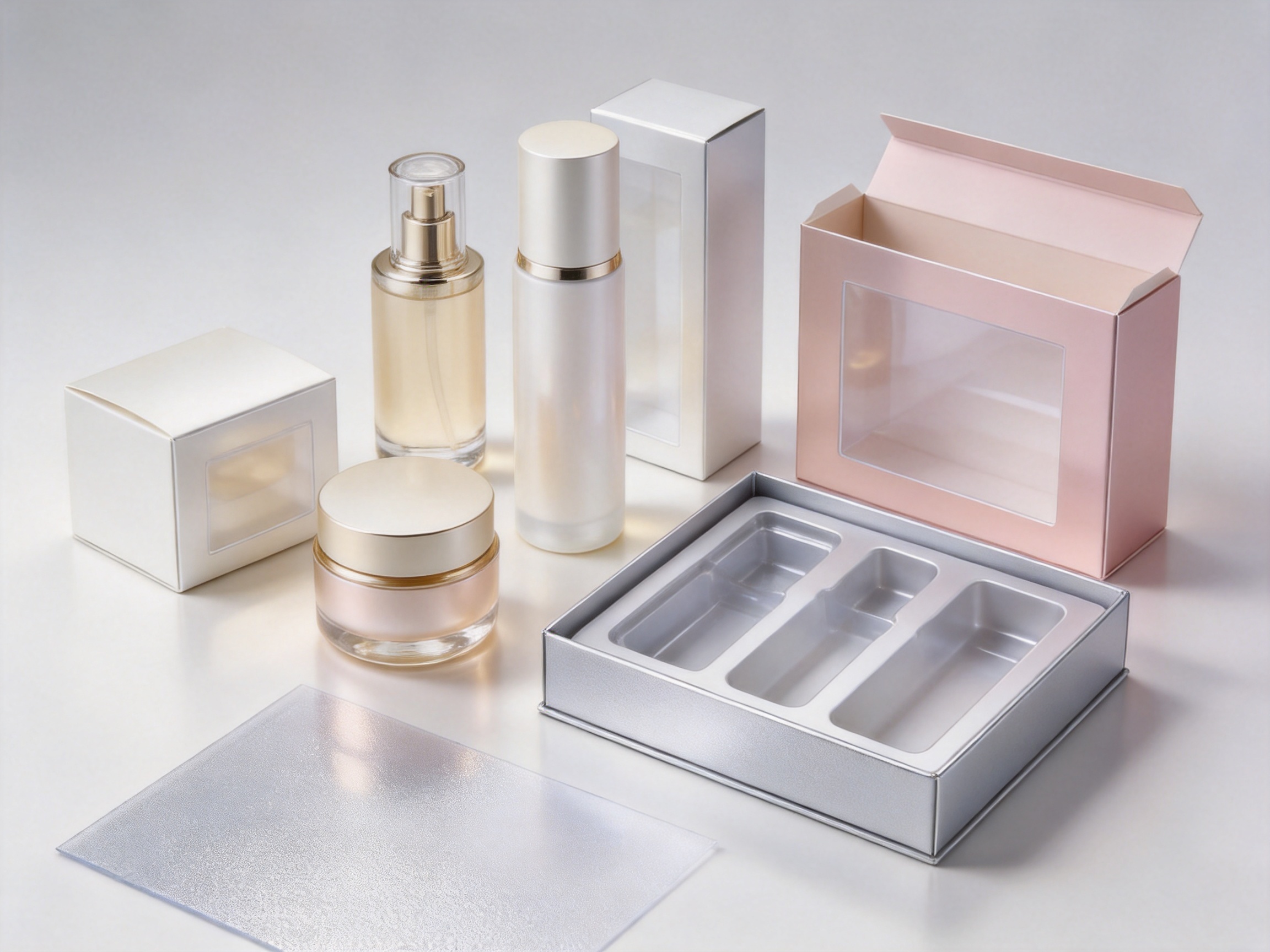
Frosted PET sheet can be used for folding boxes and carton-style structures that need a transparent or translucent appearance. It may serve as the primary package material or as a window integrated into a paperboard carton. Its folding resistance supports creasing and controlled assembly, while its surface provides a distinct alternative to ordinary clear plastic.
Cosmetic gift boxes can benefit from frosted panels that reveal the general shape or color of the contents without exposing every detail. Designers may combine the sheet with printed graphics, foil accents, colored inserts, or paperboard frames. This approach can create a layered presentation suitable for skincare sets, fragrance products, makeup collections, and seasonal gift packaging.
Plastic Windows and Decorative Overlays
Transparent or translucent windows help consumers identify the product and assess its presentation before purchase. Frosted PET can be used as a window material where glare reduction and surface refinement are desired. It can also be laminated or assembled with other substrates to create decorative overlays on boxes, folders, and display structures.
Because the material accepts printed decoration under suitable conditions, it can support brand colors, usage instructions, patterns, and product information. Printing trials are recommended to determine ink adhesion, drying behavior, color density, and resistance to rubbing or cosmetic contact.
Vacuum-Formed Trays
Vacuum forming allows a flat sheet to be shaped over a mold to create a tray, insert, or support structure. Frosted PET is suitable for applications such as cosmetic trays and presentation inserts when its thickness and forming grade are selected correctly.
A formed tray can hold bottles, jars, compacts, tubes, brushes, or accessories in a fixed position. This reduces movement inside the outer package and improves the presentation when the box is opened. The tray may be designed with cavities, retaining features, finger access points, and decorative contours.
Successful vacuum forming depends on sheet temperature, mold design, vacuum distribution, draw depth, cooling time, and demolding conditions. Packaging manufacturers should test the selected grade on their own equipment to confirm wall thickness distribution, corner definition, surface appearance, and dimensional accuracy.
Blister Packaging
Blister packaging uses a formed plastic cavity combined with a backing material. It is widely used for small products, promotional sets, accessories, and consumer goods that need visibility and tamper awareness. Frosted PET can provide an elevated appearance for blister structures while maintaining strength and product visibility.
The material can be considered for cosmetics accessories, applicators, travel-size products, tools, and small personal care items. A carefully designed blister can hold the product securely while presenting it in a clean and organized manner. The frosted finish may be used across the entire cavity or selectively combined with clear areas and printed backing cards.
Toys, Stationery, and Food Packaging
Although the primary focus is cosmetic packaging, the material’s properties support other product categories. Toys and stationery items may require transparent or semi-transparent packages that resist impact and maintain an attractive retail appearance. Frosted PET can also be used for folders, covers, sleeves, and display elements.
For food-related packaging, the exact grade, regulatory status, product composition, temperature exposure, and intended contact conditions must be confirmed before use. Where the selected product is appropriate for the application, PET’s strength, clarity, and chemical resistance can support trays, windows, and other packaging components.
Printing, Converting, and Fabrication Considerations
Frosted PET can be incorporated into a variety of converting processes. These may include sheet cutting, roll slitting, die cutting, creasing, folding, drilling, printing, laminating, and thermoforming. The best process sequence depends on thickness, surface design, package geometry, and production volume.
Before printing, the converter should confirm whether the surface has been treated for ink adhesion. Ink selection should be based on the required opacity, flexibility, drying method, rub resistance, and chemical exposure. The frosted surface can influence ink appearance, so color proofs should be prepared on the actual material rather than relying only on digital simulations.
Creasing and folding parameters should be optimized to avoid excessive stress concentration. The correct crease width, tool geometry, fold direction, and forming speed can improve the finished appearance. For thicker sheet, pretesting may be needed to determine whether scoring, heating, or specialized folding tools are required.
Die cutting performance depends on material thickness, tool sharpness, cutting pressure, sheet flatness, and production speed. Clean edges are especially important for cosmetic packaging because rough or uneven edges can reduce the perceived quality of the finished product. A well-maintained cutting system and appropriate tool selection can help achieve consistent results.
When the material is thermoformed or vacuum formed, heating must be sufficiently uniform. Uneven heating may lead to inconsistent wall thickness, distortion, incomplete forming, or variations in surface appearance. Mold temperature, vacuum strength, cooling, and demolding should be monitored during process development.
Storage before processing also matters. Rolls and sheets should be protected from contamination, moisture, excessive heat, direct sunlight, and physical deformation. Clean handling helps preserve the frosted surface and reduces the risk of scratches, dust marks, or printing defects.
Advanced Manufacturing Strengths
Large-Scale Production Infrastructure
ZheJiang ZhongSheng New Materials Co., Ltd. was established in 2006 and has developed into a manufacturer focused on transparent plastic sheets and plastic film rolls. Its manufacturing area covers approximately 40,000 square meters, providing space for production, storage, quality control, research, and supporting operations.
The company reports an annual production capacity of approximately 70,000 tons. This scale can support both regular production programs and larger packaging supply requirements. Capacity is important for customers that need continuity of supply, consistent specifications, and coordinated delivery across multiple product lines.
The company operates 33 production lines and more than 100 sets of machinery and equipment. A broad equipment base can provide flexibility in thickness, width, surface finish, and production scheduling. It can also support the separation of different material specifications and help reduce unnecessary changeovers when multiple grades are being produced.
Research and Development Capability
The company has an R&D team and two laboratories. Research and testing resources are essential for developing films and sheets that meet the detailed requirements of packaging converters. Material development may involve resin selection, surface design, thickness control, optical performance, forming behavior, and compatibility with downstream processes.
Laboratory evaluation can include tests for thickness, width, transparency, haze, gloss, tensile strength, impact resistance, folding performance, temperature response, chemical resistance, and surface quality. These evaluations help connect raw material characteristics with the actual requirements of packaging production.
Research capability also supports product customization. Different customers may require specific thicknesses, widths, frosted effects, optical characteristics, or processing behavior. A technically capable manufacturer can work with the customer to define a practical specification rather than offering only a limited standard grade.
Experience in PET-Based Products
The company has focused on the PET industry for more than 16 years according to the supplied company information. Long-term experience can contribute to process knowledge, equipment optimization, production troubleshooting, and understanding of converter requirements.
Its product portfolio includes PETA, PETG, and PET-GAG products used for thermoforming, vacuum forming, blister packaging, and furniture decorative film panels. Exposure to these related applications is relevant to frosted PET because many packaging customers require knowledge of forming, surface appearance, dimensional stability, and printed or laminated structures.
Experience across several PET-related products may also help the company recommend a suitable material family for a particular application. For example, a customer may need a rigid sheet for a formed tray, a transparent film for a decorative overlay, or a specialized multilayer structure for a demanding visual application. Product selection should be based on performance requirements, not simply on nominal thickness.
Patents and Technical Development
The company owns more than 60 invention and utility patents. Patents do not automatically determine whether a material is suitable for every application, but they demonstrate an ongoing focus on technical development and process improvement. Proprietary knowledge can support advances in surface treatment, film structure, equipment design, forming performance, or production efficiency.
The company’s self-developed PETG films are used in furniture decoration panels and have gained recognition in domestic and international markets. Although furniture films are different from cosmetic packaging sheets, this experience indicates the ability to develop decorative plastic products where visual consistency, surface quality, and downstream processing are important.
Quality-Oriented Management
The company follows the stated philosophy of seeking development with quality and creating a brand with integrity. For packaging customers, quality should be reflected in measurable specifications, production controls, inspection records, packaging protection, and responsive technical service.
A quality-oriented manufacturing system should control the complete process from raw material preparation to final shipment. Important controls may include incoming resin verification, drying conditions, extrusion temperature, line speed, thickness distribution, surface inspection, roll winding, sheet flatness, packaging, and traceability.
Consistent quality is particularly important for cosmetic packaging because appearance defects can be highly visible. Haze variation, uneven frosting, scratches, edge damage, contamination, thickness differences, and winding marks may affect the final package. Systematic inspection helps identify these issues before the material reaches the converter.
Production Process for Frosted PET Film and Sheet
Raw Material Preparation
Production begins with the selection and preparation of PET resin and any approved additives or processing components required for the specified grade. Resin quality influences transparency, strength, viscosity, color, thermal behavior, and forming performance.
Moisture control is especially important for PET processing. Excess moisture can contribute to hydrolytic degradation during melting, which may reduce molecular weight and negatively affect mechanical and optical properties. Proper drying and controlled material handling help establish a stable foundation for extrusion.
Melting and Extrusion
Prepared resin is conveyed into an extrusion system, where it is heated and melted under controlled conditions. The extruder must provide a consistent melt while avoiding excessive thermal history. Temperature profiles, screw speed, pressure, and residence time are monitored to support stable production.
The molten polymer is delivered through a die that determines the initial shape and width of the film or sheet. Die uniformity and equipment alignment influence thickness distribution across the web. A well-controlled extrusion stage is essential for producing material that performs consistently during printing, cutting, folding, and forming.
Cooling and Dimensional Control
After leaving the die, the molten material is cooled and solidified. Cooling conditions affect flatness, crystallinity, transparency, shrinkage, and dimensional stability. The production line must control temperature and tension to prevent warping, uneven edges, or internal stress.
For packaging applications, dimensional control is important because converters use automated equipment with defined tolerances. Stable thickness and width help improve cutting accuracy, forming repeatability, and registration between printed and unprinted elements.
Frosted Surface Development
The frosted effect may be achieved through controlled surface texture, material formulation, finishing technology, or a combination of techniques. The exact method is selected according to the desired haze, gloss, tactile quality, transparency, and downstream process requirements.
Surface development must be balanced carefully. Excessive diffusion may hide graphics or reduce product visibility, while insufficient diffusion may not deliver the intended premium appearance. Consistency across the complete roll or sheet is therefore a central manufacturing objective.
Inspection and Finishing
After production, the material is inspected for dimensional accuracy, visual quality, surface consistency, and packaging integrity. Rolls may be slit to the required width, while sheets may be cut and stacked according to customer specifications.
Final packaging should protect the material from dust, moisture, scratches, pressure, and deformation. Clear identification of grade, thickness, width, batch, and production information supports traceability and helps customers manage inventory efficiently.
Quality Factors Buyers Should Evaluate
Buyers should begin with the final package structure and define the material requirements before placing an order. Important questions include whether the material will be printed, folded, laminated, vacuum formed, or used in direct contact with a cosmetic formula. Each operation may require a different balance of stiffness, flexibility, surface energy, thickness, and chemical resistance.
Optical requirements should be defined clearly. Terms such as transparent, translucent, frosted, matte, haze, and gloss can be interpreted differently by different suppliers. A buyer should request physical samples and agree on measurable expectations for appearance whenever possible.
Thickness tolerance is another important consideration. Variations can affect forming depth, folding behavior, die cutting, and package dimensions. The converter should confirm the acceptable tolerance range and test the material on the intended equipment.
Surface cleanliness and defect limits should also be discussed. Cosmetic packaging often uses large visible surfaces, so small defects may be noticeable. A clear inspection standard can reduce disagreement between the material supplier and the converter.
Compatibility testing should include the actual cosmetic formulation, ink system, adhesive, coating, and production process. General chemical resistance information is useful, but each finished package is a system. A formulation that is compatible under short-term exposure may behave differently during long-term storage or elevated-temperature transportation.
Thermoforming and vacuum-forming customers should evaluate wall thickness distribution, forming depth, corner definition, shrinkage, demolding behavior, and post-forming appearance. A material that looks excellent as a flat sheet may require process adjustments when formed into a complex cavity.
Sustainability and Efficient Material Use
Material efficiency is an important consideration in modern packaging. PET’s strength can support designs that use material efficiently while still providing protection and visual quality. Lightweighting should be approached through engineering analysis rather than simply reducing thickness. The package must continue to withstand filling, transport, stacking, display, and consumer handling.
Efficient nesting of formed parts can reduce trim waste. Accurate width selection can improve the cutting layout, while stable thickness can reduce rejected parts. Process control therefore contributes not only to quality but also to responsible material use.
Recycling considerations depend on the complete package structure. A package made from a single compatible material may be easier to manage than a complex structure containing multiple inseparable layers, coatings, and attachments. Designers should consider the intended collection and recycling system, labeling requirements, additives, inks, adhesives, and the relationship between the PET component and the rest of the package.
Manufacturers and converters can also reduce waste by improving roll handling, protecting sheets from damage, optimizing production settings, and reusing suitable clean process scrap where technically and legally appropriate. Sustainability should be evaluated across the product life cycle, including raw material production, manufacturing energy, transport, package performance, and end-of-life management.
Design Guidance for Premium Cosmetic Packages
Use frosting strategically when the objective is to create a controlled visual effect. A fully frosted surface can create a uniform, soft appearance, while selective transparent areas may reveal the product or highlight important details. Designers can combine clear and diffused zones to guide attention toward the logo, product color, or package geometry.
Consider the relationship between the frosted surface and printed colors. Light colors may appear softer on a diffused background, while dark or metallic inks can create strong contrast. Color proofs should be viewed under the lighting conditions expected in retail stores and online photography environments.
Pay attention to edges and folds. High-quality material cannot compensate for a poorly designed crease or an overly tight bend radius. Package geometry should allow the PET sheet to fold or form without excessive stress. Rounded corners and well-planned relief features may improve appearance and reduce the risk of cracking.
Design formed trays with product retention and removal in mind. The cavity should hold the item securely without making it difficult for the consumer to remove. Finger access points, product orientation, and the relationship between the tray and outer box all influence the user experience.
Evaluate transparency according to the package’s communication objective. If consumers need to see the cosmetic color, a lighter frost level may be appropriate. If the package is intended to protect a decorative reveal or create a more luxurious sense of concealment, stronger diffusion may be preferred.
Finally, consider how the material will be stored and transported after conversion. Printed and formed components should be protected from abrasion, pressure, excessive heat, and contamination. Good packaging design continues beyond the material selection stage.
Commercial and Supply Advantages
A manufacturer with substantial production capacity can support customers that require stable supply over multiple purchase cycles. This is valuable for cosmetic brands because packaging designs often remain in production for extended periods, and unexpected changes in material appearance can create costly inconsistencies across product batches.
Multiple production lines can improve scheduling flexibility and support different product specifications. An established equipment base may also make it easier to arrange trial orders, standard production, and larger-volume programs without relying on one line for every grade.
Technical support is another important advantage. Packaging projects frequently involve collaboration between the brand owner, packaging designer, converter, printer, and material manufacturer. A supplier that understands forming, printing, folding, and decorative applications can help identify the causes of processing problems and recommend practical adjustments.
The company’s manufacturing scale, laboratory resources, R&D team, product experience, and stated patent portfolio provide a foundation for serving domestic and international customers. Its reported annual turnover of more than 70 million U.S. dollars also indicates an established commercial operation with experience supporting a broad customer base.
For international buyers, supplier evaluation should include communication, documentation, packaging protection, lead time, sample approval, production traceability, and after-sales support. These factors are as important as the nominal material specification because the success of a packaging program depends on reliable cooperation throughout the supply chain.
Recommended Application Evaluation Procedure
The first step is to provide the material supplier with a clear description of the finished product, package structure, dimensions, expected annual volume, production equipment, printing method, and environmental conditions. This information helps the supplier recommend a suitable thickness, width, and surface specification.
The second step is sample testing. Flat samples should be evaluated for appearance, clarity, frosting consistency, folding, cutting, printing, and chemical contact. If the final package will be formed, representative forming trials should be completed using the intended mold and production settings.
The third step is compatibility assessment. The selected sheet should be tested with the actual cosmetic contents, inks, coatings, adhesives, labels, and secondary packaging components. Accelerated aging or elevated-temperature testing may be useful when the package will experience long storage periods or demanding distribution conditions.
The fourth step is pilot production. A pilot run can reveal issues that are not visible during laboratory testing, including feeding, static, roll tension, registration, die cutting, stacking, forming speed, and assembly behavior.
The final step is specification approval. The buyer and supplier should confirm thickness, width, appearance, tolerances, packaging method, inspection criteria, batch identification, and delivery requirements. A clear approved specification helps maintain consistency during future orders.
Frequently Asked Questions
What is frosted PET film and sheet?
Frosted PET film and sheet are polyester-based plastic materials with a diffused or softened surface appearance. They combine the strength, transparency, chemical resistance, and dimensional stability of PET with a refined frosted visual effect. They are available in film-like and thicker sheet formats.
Why is frosted PET suitable for cosmetic packaging?
It offers a premium appearance, good mechanical strength, folding resistance, chemical resistance, high transparency, UV-blocking capability, and adaptability across a broad temperature range. These properties support cosmetic boxes, windows, trays, blister packages, decorative overlays, and display structures.
Can frosted PET be vacuum formed?
Yes. Suitable grades can be used for vacuum forming applications such as trays and blister shells. The correct thickness, forming temperature, mold design, vacuum level, and cooling conditions must be confirmed through trials on the customer’s equipment.
What thicknesses are available?
The stated thickness range is 0.15 to 3.0 millimeters. The best thickness depends on whether the material will be used for a flexible overlay, printed film, folding structure, transparent window, tray, blister, or other formed component.
What widths are available?
The stated width range is 170 to 1,350 millimeters. Width should be selected according to the converter’s equipment, finished-part size, cutting layout, nesting efficiency, and acceptable trim loss.
Is the material resistant to cosmetic oils and grease?
Frosted PET is resistant to oil and grease, as well as dilute acids, dilute alkalis, and most solvents. However, the exact cosmetic formulation, exposure time, temperature, and contact condition should be tested before final approval.
Does frosted PET remain transparent?
It can retain useful transparency while diffusing light and reducing harsh reflections. The precise balance between clarity and frosting depends on the selected grade and surface design. Samples should be reviewed before production.
Can the material be printed?
Yes, it can be considered for printing, provided the ink system and surface condition are compatible. Printing trials should evaluate ink adhesion, drying, color appearance, flexibility, rub resistance, and chemical resistance.
Can it be folded into boxes?
Its good folding resistance makes it suitable for many folding boxes, sleeves, windows, and decorative structures. Creasing tools, fold radius, material thickness, and package geometry should be optimized to avoid excessive stress.
What environmental temperature range can it handle?
The supplied product information indicates adaptability from approximately -20°C to 70°C, with minimal impact on mechanical properties at high and low temperatures within that range. Specific applications should still be evaluated according to actual storage and transport conditions.
What manufacturing capabilities does the supplier have?
The supplier reports a 40,000-square-meter manufacturing area, 33 production lines, more than 100 sets of machinery and equipment, one R&D team, two laboratories, and annual production capacity of approximately 70,000 tons. It has focused on PET products for more than 16 years and owns more than 60 invention and utility patents.
How should buyers confirm suitability before ordering?
Buyers should request samples, define appearance and dimensional requirements, test printing or forming on actual equipment, evaluate chemical compatibility with the cosmetic formula, conduct pilot production, and approve a written specification covering tolerances, inspection criteria, packaging, and delivery.
Conclusion
Frosted PET film and sheet provide a strong combination of visual refinement and practical packaging performance. Their diffused appearance supports premium cosmetic design, while high mechanical strength, folding resistance, chemical resistance, transparency, UV blocking, gloss, and temperature adaptability support reliable everyday use.
The material is suitable for a broad range of applications, including vacuum-formed trays, blister shells, folding boxes, plastic windows, decorative overlays, stationery, toy packaging, food packaging, plastic cards, and other retail structures. Its available thicknesses from 0.15 to 3.0 millimeters and widths from 170 to 1,350 millimeters allow designers and converters to select a format suited to different package requirements.
Its advantages over basic commodity films come from the balance of strength, appearance, processability, and resistance. Rather than serving only as a decorative surface, frosted PET can contribute to product protection, structural stability, brand presentation, and efficient conversion.
The supplier’s manufacturing infrastructure adds further value. A large production area, 33 production lines, extensive machinery, laboratory resources, an R&D team, significant annual capacity, long-term PET experience, and a portfolio of patents provide a strong foundation for consistent supply and technical development.
For the best results, buyers should evaluate the complete packaging system. Material thickness, surface appearance, printing, folding, forming, cosmetic compatibility, storage, transport, and end-of-life considerations should all be addressed before mass production. With appropriate specification and testing, frosted PET film and sheet can help cosmetic packaging achieve a premium appearance without sacrificing durability or manufacturing practicality.
References
Polyethylene Terephthalate Material Properties and Packaging Applications, technical reference literature.
Thermoforming and Vacuum-Forming Principles for Plastic Sheet, manufacturing process reference.
Packaging Materials: Performance, Testing, and Design Considerations, industry reference publication.
Polyester Film and Sheet Processing, Converting, and Surface Finishing Guidelines.
General Principles of Cosmetic Packaging Compatibility and Chemical Resistance Testing.
Technical information supplied for frosted PET film and sheet applications, product specification reference.