 English
 Español

Zhongsheng
Zhongsheng
Zhongsheng
Zhongsheng
Zhongsheng
Zhongsheng
Zhongsheng
Zhongsheng
Zhongsheng
Zhongsheng
Zhongsheng
Zhongsheng
Zhongsheng
Zhongsheng
Zhongsheng
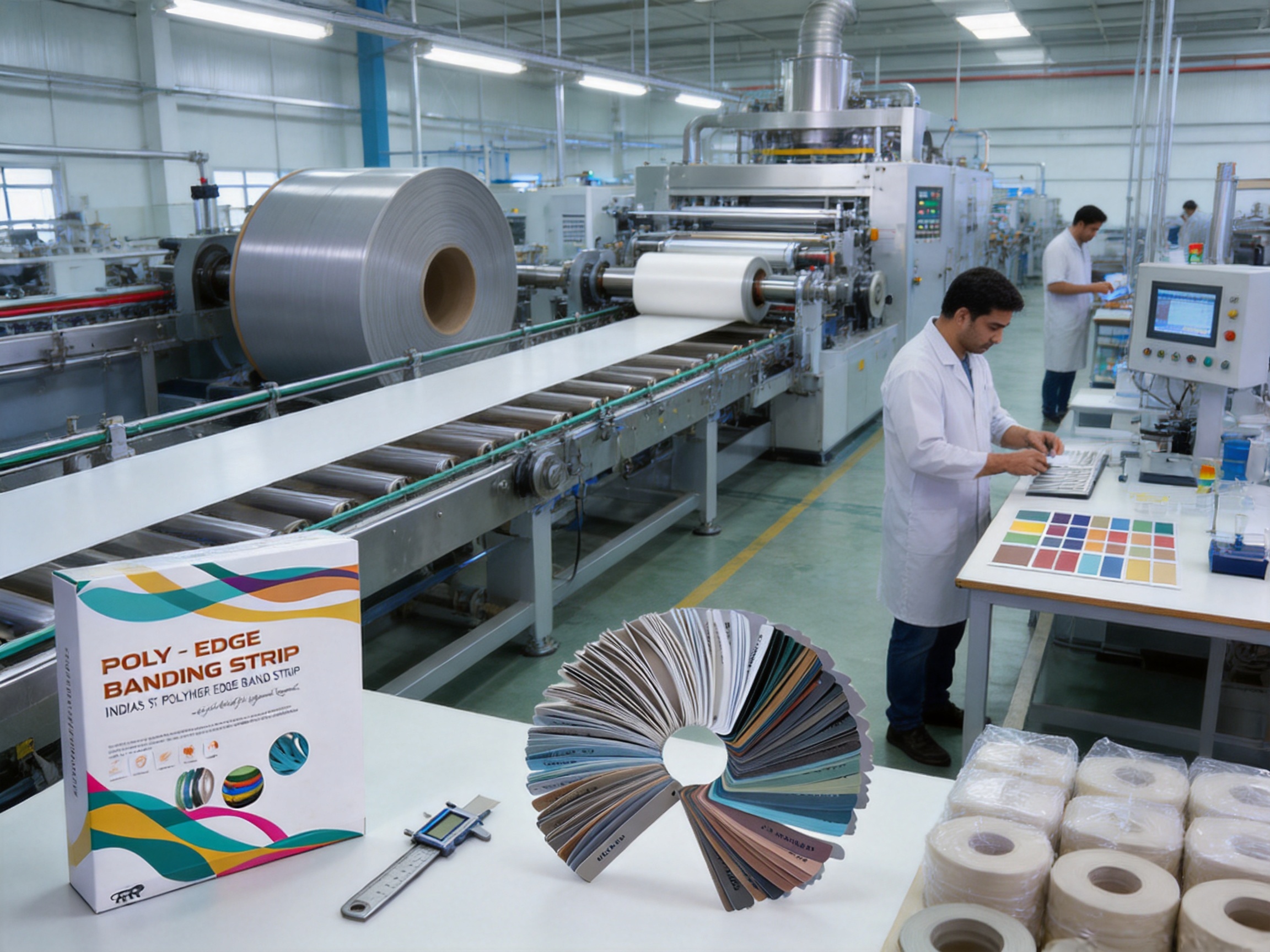
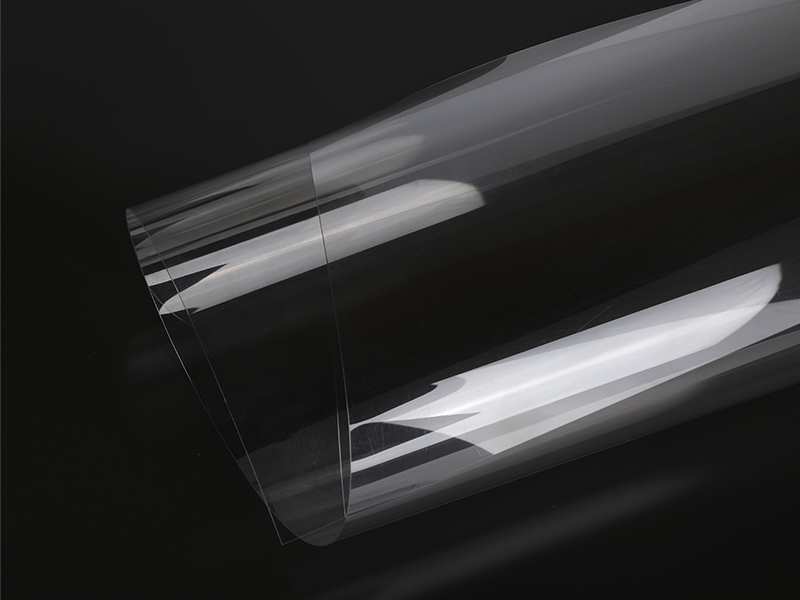
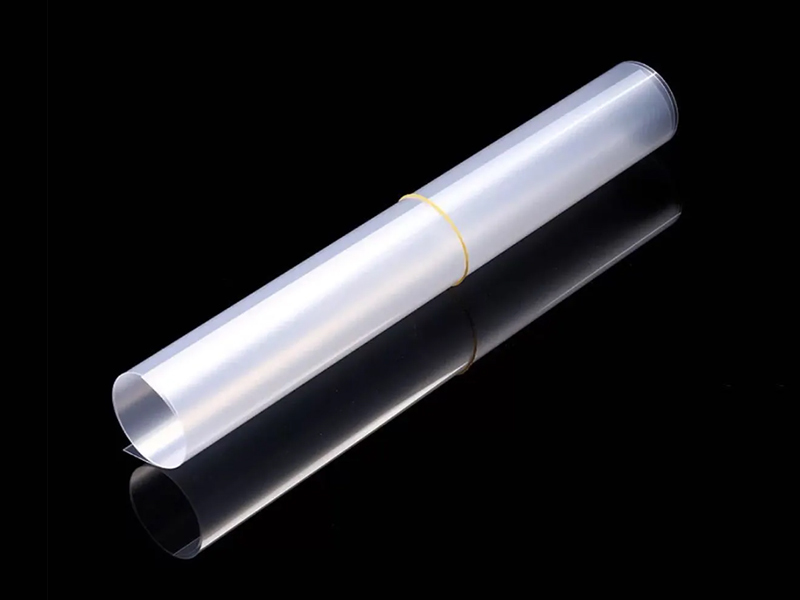
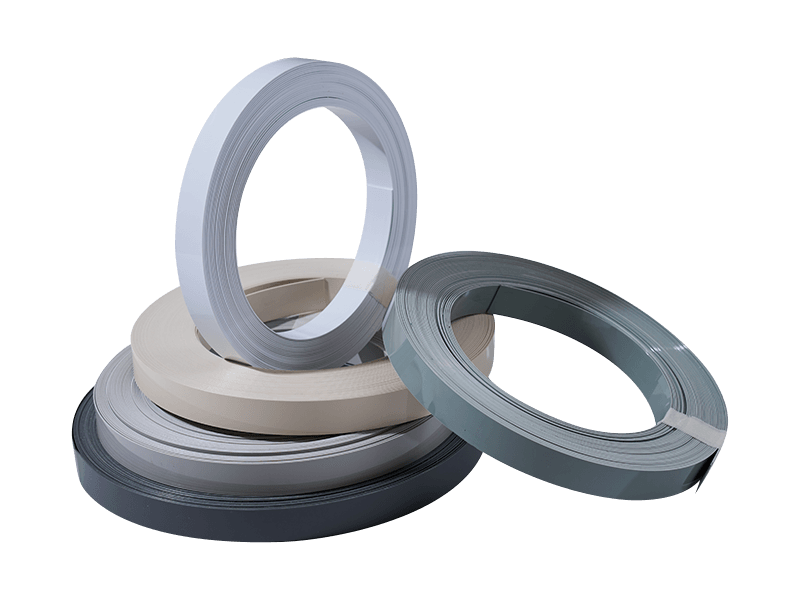
Edge banding is a small but essential component in furniture construction. It protects exposed panel edges, improves visual quality, supports long-term durability, and helps finished products achieve a clean and professional appearance. Whether used on a wardrobe, kitchen cabinet, bathroom cabinet, door board, office fixture, or commercial interior, a reliable edge band must combine attractive design with dependable performance.
PET and PVC edge bands provide practical solutions for these requirements. PET edge banding is especially suitable for premium furniture applications where high gloss, scratch resistance, color stability, and a luxury appearance are important. PVC edge banding offers flexibility, impact resistance, processing convenience, and cost efficiency for a wide range of general furniture projects. Together, these materials cover the needs of residential, commercial, hospitality, retail, and institutional interiors.
ZheJiang ZhongSheng New Materials Co., Ltd. supplies PET and PVC edge bands designed for furniture edge sealing and decorative finishing. The products are intended for use with MDF, particleboard, plywood, and other common furniture panels. They help cover raw board edges, reduce moisture penetration, improve visual continuity, and create a more refined finished surface.
What Is PET and PVC Edge Banding?
Edge banding is a narrow strip of material applied to the exposed edges of furniture panels. After a panel is cut, its internal structure may be visible and vulnerable to impact, humidity, dirt, and repeated handling. An edge band covers this exposed area and forms a protective transition between the panel face and its surrounding environment.
PET edge banding is produced from polyethylene terephthalate, a polymer widely recognized for its clarity, dimensional stability, surface appearance, and resistance to many common forms of wear. In decorative furniture, PET is often selected when a high-end visual effect is required. Its surface can be coordinated with decorative films, furniture laminates, and high-gloss panel finishes.
PVC edge banding is manufactured from polyvinyl chloride. It is valued for its flexibility, durability, broad processing compatibility, and economical cost structure. PVC can be produced in many colors, patterns, textures, and surface finishes. This makes it suitable for both standardized furniture ranges and customized interior projects.
Although PET and PVC have different material characteristics, both types of edge banding serve the same basic purpose: sealing and decorating the edges of furniture boards. Their performance depends not only on the polymer itself, but also on formulation, surface treatment, thickness control, color matching, winding quality, and compatibility with the selected adhesive and application equipment.
Why Edge Banding Matters in Furniture Manufacturing
Furniture panels are commonly manufactured by cutting large boards into individual components. Cutting exposes the internal core of MDF, particleboard, or plywood. Without edge protection, these exposed areas can absorb moisture, collect dust, chip during handling, or create an unfinished appearance.
Edge banding provides a practical barrier over the exposed edge. It can help reduce direct contact between the board core and the surrounding environment. In kitchens and bathrooms, this function is especially important because panels may be exposed to steam, splashes, cleaning activity, and frequent changes in humidity.
Edge banding also contributes to furniture design. A well-matched edge band can make a panel appear visually continuous from its face to its edge. A contrasting edge band can create a deliberate design detail, while a metallic, high-gloss, matte, woodgrain, or stone-inspired finish can support a specific interior concept.
For manufacturers, edge banding affects productivity as well as appearance. A material that feeds consistently, bonds securely, trims cleanly, and maintains stable dimensions can reduce production interruptions. It can also lower the risk of visible seams, lifting, cracking, uneven trimming, or color inconsistency.
Key Product Advantages
High-Quality Decorative Appearance
Both PET and PVC edge bands can be supplied in customized colors and coordinated with furniture surfaces. Color matching is important when the edge band is intended to blend into a panel. It is equally important when the edge is designed as a visible contrast element.
PET edge banding is particularly suitable for contemporary furniture designs that require a refined, high-gloss appearance. The smooth surface can complement modern kitchens, wardrobes, bathroom vanities, display units, and luxury commercial interiors. When combined with carefully matched decorative panels, PET edge banding supports a visually integrated design.
PVC edge banding provides broad decorative flexibility. It can be used for solid colors, woodgrain effects, understated mattes, textured finishes, and other appearance requirements. This versatility allows furniture manufacturers to select a suitable solution for different product series and price segments.
Scratch Resistance for Everyday Use
Furniture edges are frequently exposed to contact from hands, clothing, cleaning tools, packaging materials, and nearby objects. PET edge banding offers high scratch resistance for applications where maintaining a clean, polished appearance is a priority.
Scratch resistance does not mean that a surface is impossible to damage. Instead, it indicates improved resistance to routine surface abrasion and minor contact compared with less durable decorative materials. Correct handling, appropriate cleaning practices, and suitable packaging remain important throughout manufacturing, delivery, installation, and use.
For high-traffic furniture such as retail fixtures, office storage, kitchen cabinets, and commercial counters, a scratch-resistant edge can help preserve the product’s appearance over a longer service period.
Anti-Yellowing Performance
Color stability is a significant consideration for light-colored, white, transparent, and high-gloss furniture designs. Yellowing can reduce visual quality and create a mismatch between the edge and the main panel surface.
PET edge banding is designed with anti-yellowing performance for luxury decorative applications. This characteristic supports more stable appearance retention when the material is exposed to normal indoor lighting and everyday environmental conditions. The actual result depends on formulation, light exposure, temperature, cleaning agents, and installation conditions.
For furniture manufacturers producing premium white wardrobes, minimalist kitchen systems, modern bathroom cabinets, and high-end display furniture, improved color stability can support a more consistent finished product.
Flexibility and Durability
PVC edge banding is recognized for its flexibility, making it suitable for a broad range of furniture edges and processing requirements. Its flexibility can help the material conform to panel edges during application and can support efficient trimming and finishing when the production process is properly adjusted.
At the same time, PVC edge banding provides useful durability for general furniture applications. It can help resist routine impact, handling, and abrasion. This makes it a practical choice for residential furniture, office furniture, cabinets, shelving, interior doors, and commercial decoration.
The balance between flexibility, hardness, thickness, and surface finish can be selected according to the intended use. A demanding project may require a more robust edge, while a high-volume furniture line may prioritize ease of processing and cost control.
Waterproof Protection for Panel Edges
Furniture panels are often more vulnerable at their exposed edges than on their finished faces. Edge banding helps cover this vulnerable area and provides an additional barrier against direct contact with water and moisture.
PET and PVC edge bands are suitable for applications where moisture resistance is important, including kitchen cabinets, bathroom cabinets, vanity units, utility storage, and commercial interiors. Proper adhesion and complete edge coverage are essential. The edge band itself is only one part of the moisture-protection system; the board substrate, adhesive, joints, machining quality, and installation environment also affect final performance.
When the edge band is applied correctly, it can reduce the likelihood of moisture entering directly through the exposed board edge. This helps support cleaner appearance and longer service life in suitable indoor applications.
Strong Adhesion and Reliable Edge Sealing
Strong adhesion is necessary for a successful edge-banding result. A securely bonded strip should remain attached during normal use, handling, cleaning, and environmental changes. It should also maintain a clean transition without excessive adhesive overflow or visible gaps.
The final bond depends on several factors, including the selected adhesive, machine temperature, feed speed, pressure, panel cleanliness, edge condition, and material compatibility. PET and PVC edge bands can be integrated into appropriate edge-banding processes when the processing parameters are correctly selected.
Reliable adhesion improves more than appearance. It also supports the protective role of the edge band by helping prevent lifting, peeling, or water entry at the interface between the strip and the panel.
PET Edge Banding for Premium Furniture
PET edge banding is a strong option for furniture manufacturers seeking a high-end appearance combined with practical surface performance. It is especially appropriate for decorative programs in which the edge must match a smooth, glossy, or contemporary panel surface.
The high-gloss effect of PET can enhance the visual depth of a furniture edge. On white, black, neutral, or saturated color panels, a polished PET edge can create a clean and modern profile. It can also be used to reinforce a unified appearance when the furniture panel is covered with a related PET decorative film or finish.
Scratch resistance is another important benefit. Premium furniture is often expected to maintain its appearance despite repeated use. A PET edge band with suitable surface properties can help reduce the visibility of minor marks caused by ordinary contact.
Anti-yellowing performance is valuable for light-colored and high-brightness designs. When an edge band remains visually stable, the furniture can retain a more consistent appearance across its service life. This is particularly relevant for minimalist interiors, where small color differences may be easily noticed.
PET edge bands can be used on wardrobes, luxury kitchen cabinets, decorative door boards, bathroom cabinets, wall storage systems, display furniture, and selected commercial fixtures. They are also suitable for manufacturers who want to position a furniture collection toward a premium or design-focused market.
PVC Edge Banding for Versatile Applications
PVC edge banding is a practical solution for furniture manufacturers that need a combination of flexibility, durability, and cost efficiency. Its broad processing range and decorative adaptability make it suitable for many standard and customized furniture products.
For high-volume furniture production, material cost and processing efficiency are important considerations. PVC edge banding can provide a balanced solution where the main requirements are reliable edge sealing, attractive appearance, convenient processing, and controlled overall product cost.
PVC edge bands can be used on wardrobes, kitchen cabinets, office desks, shelving units, bathroom furniture, interior doors, storage systems, retail fixtures, and commercial decoration projects. They can be selected for matching or contrasting designs depending on the furniture concept.
The flexibility of PVC is also beneficial when furniture components include different edge profiles or when manufacturing equipment requires a material that can be applied smoothly. As with all edge-banding products, the appropriate thickness and processing conditions should be confirmed for the panel design and machine configuration.
Available Sizes and Customization
The stated regular thickness is 23 by 1 millimeter, with customized specifications available. This specification should be confirmed with the supplier because edge-band dimensions are normally selected according to the panel thickness, edge profile, trimming allowance, and application equipment.
The regular width is 1250 millimeters, with customized widths available. Depending on the production program, customers may require different roll widths, thicknesses, colors, surface finishes, or packaging arrangements. Customization can help manufacturers improve material utilization and coordinate the edge band with a specific furniture series.
Customized colors are available for projects that require close coordination with decorative sheets, films, boards, laminates, or painted surfaces. Color matching should be evaluated using approved samples under suitable lighting conditions. Differences in substrate, gloss level, texture, and viewing angle can affect perceived color even when the basic color formula is similar.
| Product type | PET and PVC edge band |
| Primary function | Furniture edge sealing, protection, and decoration |
| Regular stated thickness | 23 by 1 millimeter, with customized options |
| Regular stated width | 1250 millimeters, with customized options |
| Color | Customized colors available |
| Recommended substrates | MDF, particleboard, plywood, and compatible furniture panels |
| Main PET advantages | High gloss, scratch resistance, and anti-yellowing performance |
| Main PVC advantages | Flexibility, durability, and cost efficiency |
| Typical applications | Wardrobes, kitchen cabinets, door boards, bathroom cabinets, and commercial decoration |
Applications Across Furniture and Interior Design
Wardrobes and Storage Systems
Wardrobe panels often have large visible edges and are subject to frequent contact during opening, closing, cleaning, and installation. PET edge bands can support a premium appearance on high-gloss wardrobe doors, while PVC edge bands offer a durable and economical solution for everyday storage furniture.
Edge banding also helps create a more finished appearance around shelves, side panels, drawers, and cabinet doors. A coordinated edge can make a complete wardrobe system look more unified and professionally manufactured.
Kitchen Cabinets
Kitchen furniture must withstand regular handling, splashes, food residue, cleaning activity, and changing humidity. Edge banding helps protect the exposed edges of cabinet doors, drawer fronts, carcasses, shelves, and decorative panels.
PET is suitable for premium kitchen designs in which a glossy and scratch-resistant edge is desired. PVC is useful for standard and high-volume kitchen products that require flexibility, durability, and cost efficiency. In both cases, careful application is necessary to create a complete, secure seal.
Bathroom Cabinets
Bathroom environments present higher moisture demands than many other indoor spaces. Edge bands can help cover exposed board edges on vanity units, storage cabinets, mirror cabinets, and shelving systems.
The selected edge band should be combined with a suitable moisture-resistant board, compatible adhesive, accurate machining, and proper installation. No edge band should be regarded as a substitute for correct substrate selection and construction design.
Door Boards and Decorative Panels
Door boards and decorative panels often require clean edges because they are visible from multiple angles. A carefully selected PET or PVC edge band can complement the face finish and provide a more complete visual result.
For modern interiors, a high-gloss PET edge may reinforce a sleek design. For woodgrain or practical commercial doors, PVC can provide a flexible range of decorative and performance options.
Commercial Decoration
Retail stores, offices, hotels, restaurants, healthcare facilities, and public interiors frequently use large quantities of cabinets, counters, wall storage, display units, and partition furniture. These applications demand consistent appearance, stable supply, and reliable processing.
PET and PVC edge bands can support commercial decoration programs by providing repeatable edge finishes across multiple furniture components. Customized colors and specifications can also help coordinate furniture with interior branding, architectural finishes, or project design standards.
EDGE Band
Manufacturing Strengths Behind the Product
The quality of an edge band is influenced by the capabilities of the manufacturer behind it. ZheJiang ZhongSheng New Materials Co., Ltd. was established in 2006 and has focused on plastic sheet and film manufacturing for more than 16 years. This long-term experience provides a foundation for polymer material control, surface development, production organization, and customer-oriented customization.
The company operates a manufacturing area of approximately 40,000 square meters. It has one research and development team, two laboratories, 33 production lines, and more than 100 sets of machinery and equipment. These resources support production scale, development work, testing activity, and the ability to manage different product requirements.
The company reports an annual production capacity of approximately 70,000 tons. Its product portfolio includes PETA, PETG, and PET-GAG materials used for thermoforming, vacuum forming, blister packaging, furniture decorative film panels, and related applications.
Experience across transparent plastic sheets, plastic film rolls, and furniture decorative materials can be valuable when developing edge-banding products. Edge bands must combine polymer properties with decorative requirements, and an established material manufacturer may be better positioned to coordinate resin selection, processing conditions, surface appearance, and quality control.
Research and Development Capability
Research and development is important because furniture trends and material requirements continue to change. Customers may request new colors, gloss levels, textures, widths, thicknesses, or performance characteristics. An internal research and development team can support product improvement and help evaluate new material combinations.
For PET edge bands, development may focus on optical appearance, scratch resistance, anti-yellowing performance, surface smoothness, and compatibility with decorative panel systems. For PVC edge bands, development may focus on flexibility, durability, processing behavior, color consistency, and cost-effective formulation.
R&D capability also supports adaptation to customer equipment and application methods. Different furniture manufacturers may use different edge-banding machines, adhesives, feed speeds, pressure settings, and trimming tools. A supplier that understands these variables can provide more practical technical communication during product selection.
Laboratory and Quality Evaluation
The company has two laboratories, which can support material evaluation and product development. Laboratory work may include checking appearance, dimensions, surface condition, color, and selected physical properties. The exact testing program should be agreed upon according to the product specification and customer application.
Quality evaluation is especially important for edge bands because small variations can become visible after application. Width, thickness, winding, color, gloss, and surface cleanliness all influence production results. Consistent inspection helps reduce the risk of defective rolls, poor bonding, uneven trimming, or mismatched appearance.
For customers, laboratory capability also supports sample approval. Before mass production, a customer can evaluate a sample on the intended panel and equipment. This process helps confirm color, bonding, trimming, flexibility, and final appearance under realistic conditions.
Large-Scale Production Organization
Thirty-three production lines and more than 100 sets of machinery and equipment provide a substantial manufacturing platform. Production scale can help support regular orders, multiple specifications, and customized projects. It may also allow production planning to separate different material types, colors, or finishes more effectively.
Large-scale manufacturing does not automatically guarantee product quality, but it provides the infrastructure needed for systematic process management. Reliable production also depends on raw-material control, equipment maintenance, operator training, inspection procedures, and traceability.
For furniture manufacturers, supply stability is an important competitive consideration. A dependable edge-band supplier can help reduce delays in panel production and support repeat orders when a furniture design remains in the market for an extended period.
Patent and Technical Experience
The company owns more than 60 invention and utility patents. Patents do not replace product testing or application verification, but they indicate continuing attention to technical development and process innovation.
Technical experience in PETG, PET, and related plastic materials can support the development of decorative products for furniture and interior applications. The company’s self-developed PETG films are used in furniture decoration panels and have received recognition in domestic and international markets, according to the supplied company information.
This background is relevant to edge bands because furniture decoration increasingly requires coordination among face films, edge materials, surface textures, and panel substrates. A manufacturer with experience across related products can help customers consider the appearance and performance of the complete decorative system rather than treating the edge band as an isolated component.
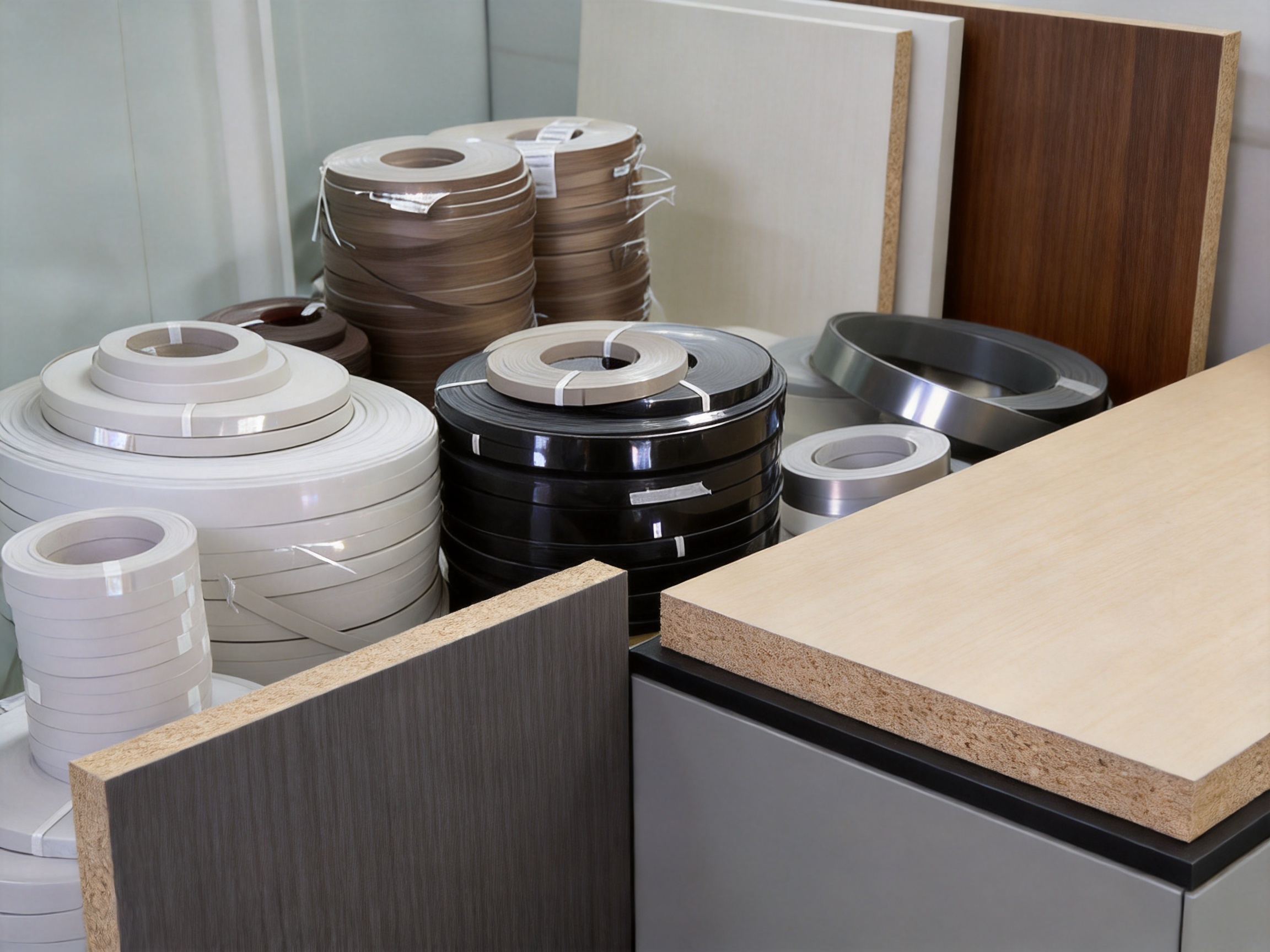
How PET and PVC Edge Bands Compare with Alternative Materials
Furniture manufacturers can choose among several edge-finishing methods, including paper-based edge materials, solid wood strips, ABS edge bands, acrylic-based products, PET edge bands, and PVC edge bands. Each material has a suitable application range.
Paper-based edge materials may offer a low-cost solution for certain indoor furniture products, but they may provide less resistance to moisture and impact than polymer-based alternatives. Solid wood edging can create a natural appearance but may require more demanding processing, finishing, and color coordination.
ABS edge bands are widely used for furniture and can provide strong mechanical performance. PET edge bands are attractive when high gloss, scratch resistance, anti-yellowing performance, and premium appearance are central requirements. PVC remains highly competitive where flexibility, design variety, durability, and cost efficiency are priorities.
Acrylic-based edge materials may provide a distinctive appearance, but the best choice depends on the furniture design, processing system, cost target, and expected service environment. PET and PVC edge bands offer a practical combination of decorative versatility and functional protection for a broad range of projects.
Processing Considerations for Better Results
Correct processing is essential to achieve the full value of an edge band. Before production, the furniture manufacturer should confirm the edge-band material, width, thickness, surface finish, adhesive system, and panel substrate.
The panel edge should be clean, dry, and properly machined. Dust, loose fibers, uneven cuts, or contamination can reduce adhesion and create visible defects. The edge-banding machine should be adjusted according to the material and adhesive requirements.
Important parameters may include adhesive temperature, pressure, feed speed, preheating, trimming, scraping, polishing, and cooling. These parameters should not be copied blindly from one material to another. PET and PVC may require different operating conditions, and the adhesive supplier’s technical guidance should be considered.
After application, the furniture manufacturer should inspect the edge for gaps, lifting, adhesive overflow, color mismatch, uneven trimming, surface damage, and poor alignment. Early inspection can identify process problems before large quantities of panels are completed.
Sample trials are recommended for customized projects. A trial should use the actual or equivalent panel substrate, adhesive, machine, and finishing sequence. This approach provides a more accurate assessment than evaluating the edge band alone.
Quality Control Priorities
Dimensional Consistency
Stable thickness and width help the edge band run smoothly through processing equipment. Dimensional variation can affect trimming, panel alignment, edge coverage, and final appearance.
Color and Surface Uniformity
Color should remain consistent from roll to roll and, where required, from production batch to production batch. Surface gloss, texture, and visual clarity should also remain within the approved standard.
Winding and Roll Condition
Good winding supports smooth unwinding during production. A roll should be protected against crushing, contamination, deformation, and moisture exposure during storage and transportation.
Bonding Compatibility
The edge band should be tested with the intended adhesive and substrate. Bonding performance may vary depending on adhesive chemistry, machine settings, panel material, and environmental conditions.
Surface Protection
Where the edge band has a high-gloss or decorative finish, protective packaging and careful handling are important. Avoiding abrasion during transport and installation helps preserve the intended appearance.
Environmental and Material Considerations
Furniture manufacturers increasingly consider material efficiency, indoor air quality, recyclability, and responsible production. PET and PVC edge bands should be evaluated within the complete furniture system, including the panel substrate, adhesive, coating, packaging, and end-of-life pathway.
The supplied product information describes the edge band as eco-friendly. Customers should request the specific environmental documentation required for their market, project, or certification system. Depending on the application, this may include information about restricted substances, recycled content, emissions, production standards, or disposal recommendations.
Material selection should also consider service life. A durable edge band that remains attached and attractive for many years may help reduce premature furniture replacement. Long-lasting furniture can support more efficient use of material resources, provided that the complete product is designed and manufactured responsibly.
Manufacturers should follow applicable local regulations for polymer products, adhesives, waste handling, and indoor furniture. Technical claims should be verified through product specifications and appropriate testing rather than assumed solely from the material name.
Why Customized Supply Can Improve Furniture Production
Furniture companies often manage multiple product lines with different panel thicknesses, colors, surface finishes, and target markets. A standardized edge band may be sufficient for basic products, but customized supply can improve efficiency for coordinated collections.
Customized width can help reduce unnecessary trimming and material waste. Customized color can improve coordination between the edge and the furniture face. Customized thickness can help match the panel structure and desired visual profile. Customized packaging can support the manufacturer’s warehouse and production workflow.
Customization is also useful for project-based interior decoration. A hotel, office, retail store, or residential development may require a consistent decorative specification across a large number of furniture components. A supplier that can support repeat production and color control can help maintain design consistency.
Before confirming a customized order, customers should provide detailed information about the application, panel material, edge profile, machine type, adhesive, required dimensions, surface finish, and expected quantity. Clear technical communication reduces the risk of selecting an unsuitable specification.
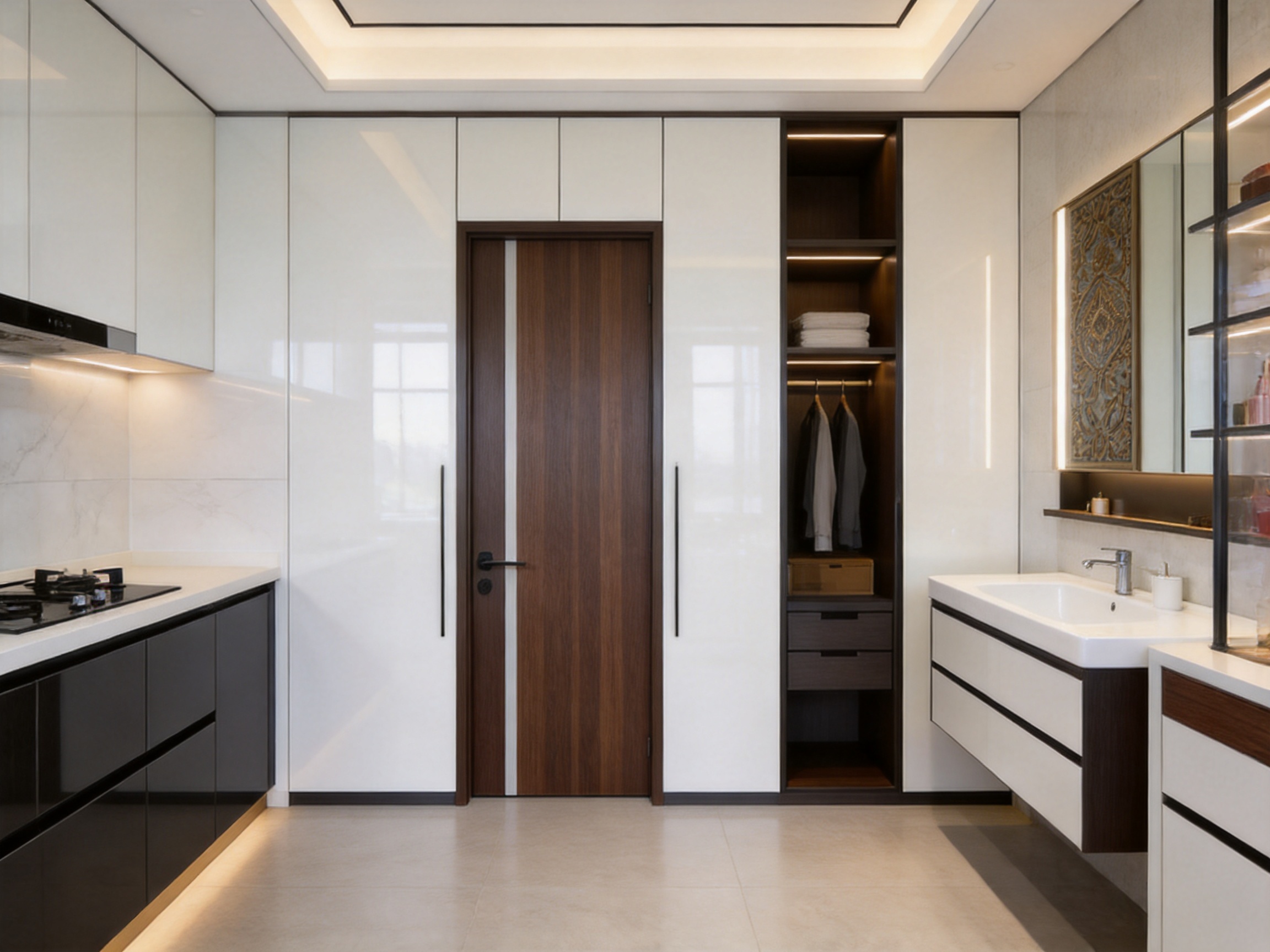
Supply Capability and Global Customer Support
ZheJiang ZhongSheng New Materials Co., Ltd. serves customers in domestic and international markets. Its production scale, technical resources, and broad polymer-material experience support the supply of decorative sheets, films, and related products for different industries.
The company’s annual turnover is reported to exceed 70 million United States dollars. This commercial scale reflects established market activity and provides a basis for managing regular production, product development, and customer service. For buyers, supplier stability can be important when edge bands are integrated into continuing furniture programs.
Global customers may require clear specification documents, samples, packaging details, production lead times, inspection arrangements, and shipping coordination. These requirements should be confirmed during the quotation and approval process. A professional supply relationship includes communication before production, quality verification during manufacturing, and support after delivery.
Customers can contact the company through its sales and technical representatives to discuss PET or PVC edge-band requirements, customized colors, dimensions, application conditions, and related decorative sheet or film products.
Recommended Selection Guide
Choose PET When:
PET is a strong choice when the furniture requires a high-gloss appearance, premium visual effect, improved scratch resistance, and anti-yellowing performance. It is particularly suitable for modern, luxury, minimalist, and design-focused furniture collections.
Choose PVC When:
PVC is a practical choice when flexibility, durability, decorative variety, and cost efficiency are important. It is suitable for general furniture, high-volume cabinet production, office fixtures, commercial interiors, and projects with broad color or texture requirements.
Request Customization When:
Customization should be considered when the project requires a specific color, unusual width, special thickness, coordinated surface finish, or repeatable appearance across a large furniture program.
Request Samples Before Mass Production When:
Samples are recommended for new substrates, new adhesives, unusual edge profiles, high-gloss finishes, moisture-sensitive applications, and any project where color or surface appearance is critical.
Installation and Maintenance Recommendations
During installation, avoid dragging sharp or abrasive objects across the edge. Confirm that the edge band is fully bonded before the furniture is packaged or placed into service. If a section shows lifting or incomplete adhesion, it should be repaired before use.
For routine cleaning, use a soft cloth and a mild cleaning solution suitable for the furniture surface. Avoid aggressive solvents, abrasive powders, hard brushes, and excessive force unless the specific product specification confirms compatibility.
Although PET and PVC edge bands provide moisture protection, furniture should not be continuously exposed to standing water or extreme humidity. Wipe spills promptly, especially around cabinet joints, sink units, bathroom vanities, and floor-level furniture.
Correct maintenance helps preserve gloss, color, surface smoothness, and edge adhesion. It also protects the furniture panel and extends the service life of the complete product.
Q&A: PET and PVC Edge Banding
What is the primary purpose of an edge band?
An edge band covers and protects the exposed edge of a furniture panel. It improves appearance, helps reduce direct moisture contact, supports cleaner handling, and creates a finished transition between the panel face and edge.
What is the difference between PET and PVC edge bands?
PET edge bands are mainly selected for high gloss, scratch resistance, anti-yellowing performance, and premium furniture appearance. PVC edge bands are valued for flexibility, durability, decorative variety, and cost efficiency in general furniture applications.
Can these edge bands be used on MDF?
Yes. The product information identifies MDF, particleboard, and plywood panels as suitable application substrates. The panel edge must be properly prepared, and the adhesive and machine settings should be compatible with the selected edge band.
Are customized colors available?
Yes. Customized colors are available. Customers should provide an approved color reference and evaluate samples under suitable lighting before confirming mass production.
What is the regular width?
The stated regular width is 1250 millimeters, with customized widths available. The correct width depends on the application method, panel dimensions, trimming allowance, and production equipment.
What is the stated regular thickness?
The supplied information states 23 by 1 millimeter or customized. Because this format may refer to a specific product dimension, customers should confirm the exact width and thickness notation with the supplier before ordering.
Can PET edge bands be used for kitchen cabinets?
Yes. PET edge bands are suitable for premium kitchen cabinets where high gloss, scratch resistance, and a refined appearance are desired. The complete cabinet must still use an appropriate panel, adhesive, construction method, and moisture-control design.
Can PVC edge bands be used for bathroom cabinets?
Yes. PVC edge bands can be used for bathroom cabinets and other indoor furniture applications requiring flexibility, durability, and moisture protection. Proper bonding and complete edge coverage are essential in humid environments.
Are the products suitable for commercial decoration?
Yes. The stated applications include commercial decoration. PET and PVC edge bands can be used on commercial cabinets, counters, display furniture, office fixtures, retail units, and other interior components when the selected specification matches the project requirements.
Does the edge band itself make a panel completely waterproof?
No. An edge band helps protect and seal the exposed panel edge, but complete waterproof performance depends on the panel substrate, adhesive, joints, machining, installation, and surrounding construction. The furniture system should be evaluated as a whole.
Why is a sample trial recommended?
A sample trial confirms compatibility among the edge band, panel, adhesive, machine, and processing conditions. It can identify issues involving bonding, color, gloss, trimming, flexibility, and final appearance before mass production begins.
What manufacturing resources support the product?
The company reports a 40,000-square-meter manufacturing area, one R&D team, two laboratories, 33 production lines, more than 100 sets of machinery and equipment, and annual production capacity of approximately 70,000 tons. These resources support material development, production, and quality evaluation.
Does the company produce other plastic materials?
Yes. The company manufactures transparent plastic sheets and plastic film rolls and supplies materials including PETA, PETG, and PET-GAG products for thermoforming, vacuum forming, blister packaging, and furniture decorative film panels.
How should edge bands be maintained after installation?
Use a soft cloth and a mild cleaning solution suitable for the furniture surface. Avoid abrasive tools, aggressive solvents, excessive force, and prolonged standing water. Promptly clean spills and inspect the edge if lifting or damage appears.
Conclusion
PET and PVC edge bands provide practical and attractive solutions for protecting and finishing furniture panels. PET is well suited to high-end applications that prioritize gloss, scratch resistance, anti-yellowing performance, and a luxury appearance. PVC offers flexibility, durability, decorative versatility, and cost efficiency for general furniture and commercial projects.
Both materials can be used on MDF, particleboard, plywood, and compatible decorative panels. Their applications include wardrobes, kitchen cabinets, bathroom cabinets, door boards, storage systems, office furniture, retail fixtures, and commercial interiors. Customized colors, widths, and thicknesses allow manufacturers to adapt the edge band to specific product designs and production systems.
The manufacturing capabilities behind the product are also important. ZheJiang ZhongSheng New Materials Co., Ltd. combines long-term experience in plastic sheets and films with a large manufacturing area, extensive production equipment, dedicated laboratories, an R&D team, multiple production lines, significant annual capacity, and a portfolio of technical patents. These strengths support consistent supply, product development, and customer-specific solutions.
For the best result, buyers should evaluate the complete application, confirm the correct dimensions, test the selected adhesive and substrate, approve color and surface samples, and establish suitable production parameters. When properly selected and applied, PET and PVC edge bands can improve furniture appearance, protect vulnerable panel edges, and support durable, efficient, and professional interior products.
References
1. Internal product information for PET and PVC edge bands, including stated dimensions, applications, features, and customization options.
2. Company-provided manufacturing profile for ZheJiang ZhongSheng New Materials Co., Ltd., including production area, equipment, laboratories, production lines, capacity, and research resources.
3. General polymer-material principles relating to polyethylene terephthalate and polyvinyl chloride in decorative and furniture applications.
4. General furniture manufacturing practices for edge preparation, adhesive application, trimming, inspection, storage, and maintenance.
5. General principles of panel construction and moisture protection for MDF, particleboard, plywood, cabinetry, and interior furniture systems.