 English
 Español

Zhongsheng
Zhongsheng
Zhongsheng
Zhongsheng
Zhongsheng
Zhongsheng
Zhongsheng
Zhongsheng
Zhongsheng
Zhongsheng
Zhongsheng
Zhongsheng
Zhongsheng
Zhongsheng
Zhongsheng
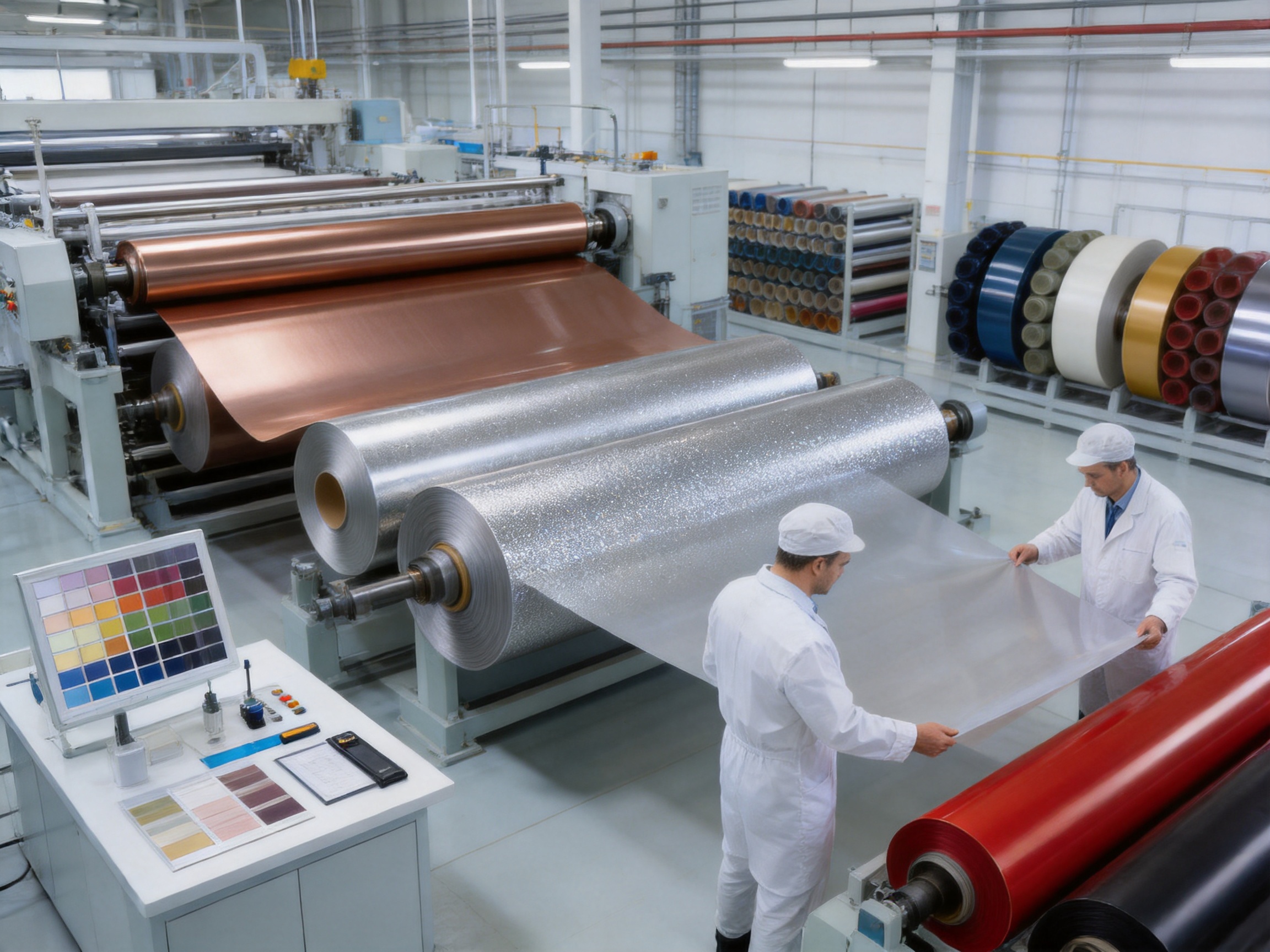
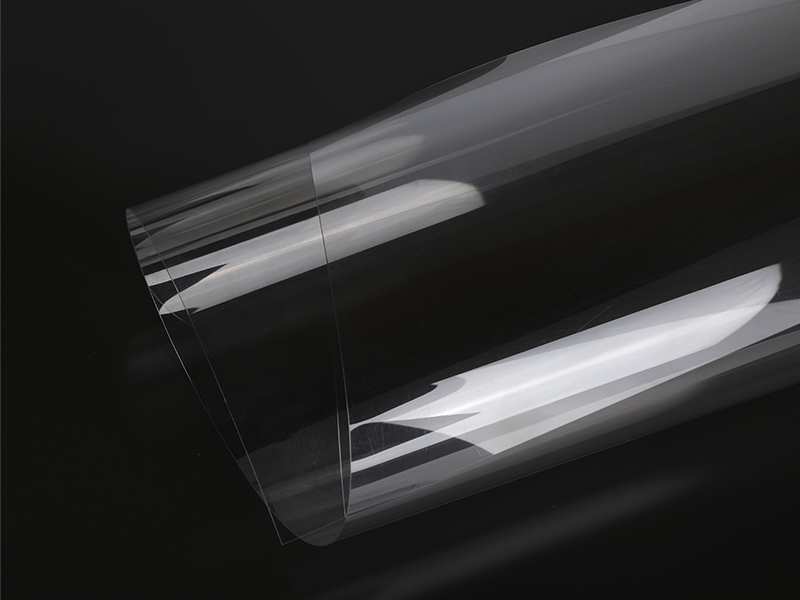
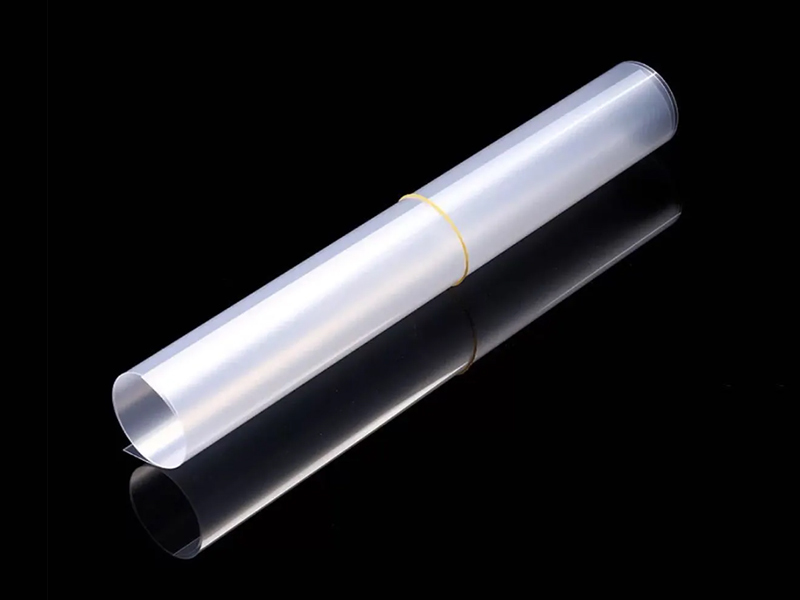
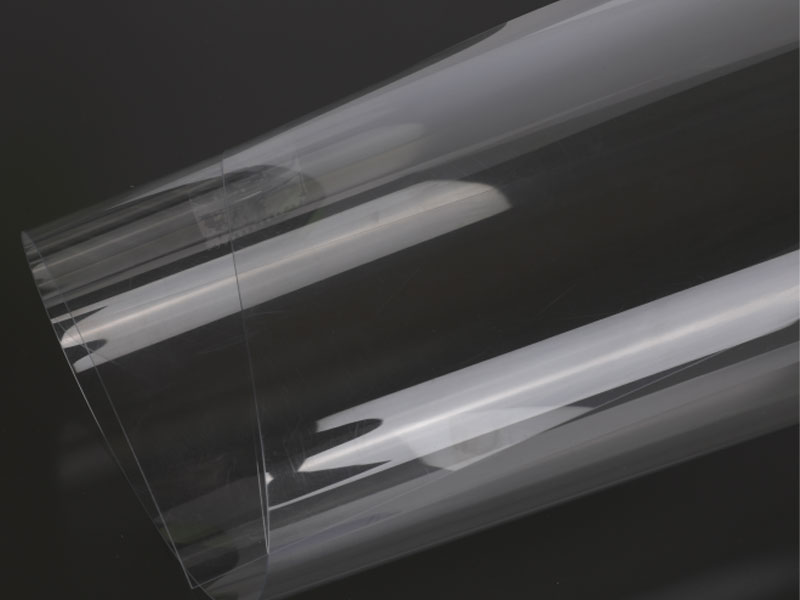
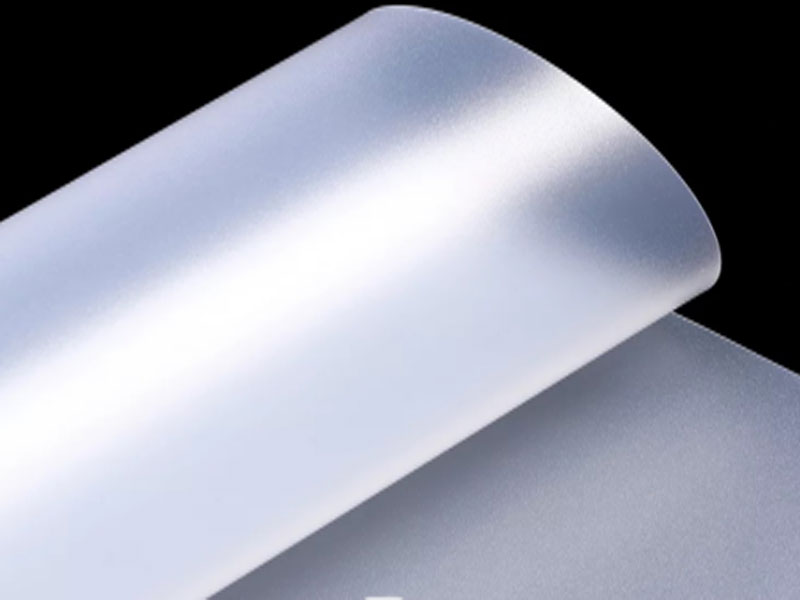
Metallic and sparkling PETG decorative film combines visual impact with the practical performance required for modern furniture and interior architecture. Designed for lamination onto wall panels, furniture panels, wardrobe doors, kitchen cabinets, bathroom cabinets, door boards, and commercial decorative surfaces, this film creates a refined metallic or shimmering appearance while supporting durability, dimensional stability, and everyday ease of maintenance.
As designers and manufacturers increasingly seek alternatives to conventional decorative papers, painted surfaces, and less durable plastic films, PETG has become an attractive material platform. Its balance of appearance, formability, impact strength, surface performance, and environmental considerations makes it suitable for decorative applications in both residential and commercial spaces. Metallic and sparkling effects further expand the design possibilities by introducing depth, reflected light, and a premium visual character to flat or formed panels.
ZheJiang ZhongSheng New Materials Co., Ltd. manufactures PETG decorative films using a large-scale production infrastructure, dedicated research capabilities, multiple laboratories, and extensive experience in PET-based materials. The company’s manufacturing strengths support consistent film production in a wide range of thicknesses, colors, finishes, and customized formats.
What Is Metallic and Sparkling PETG Decorative Film?
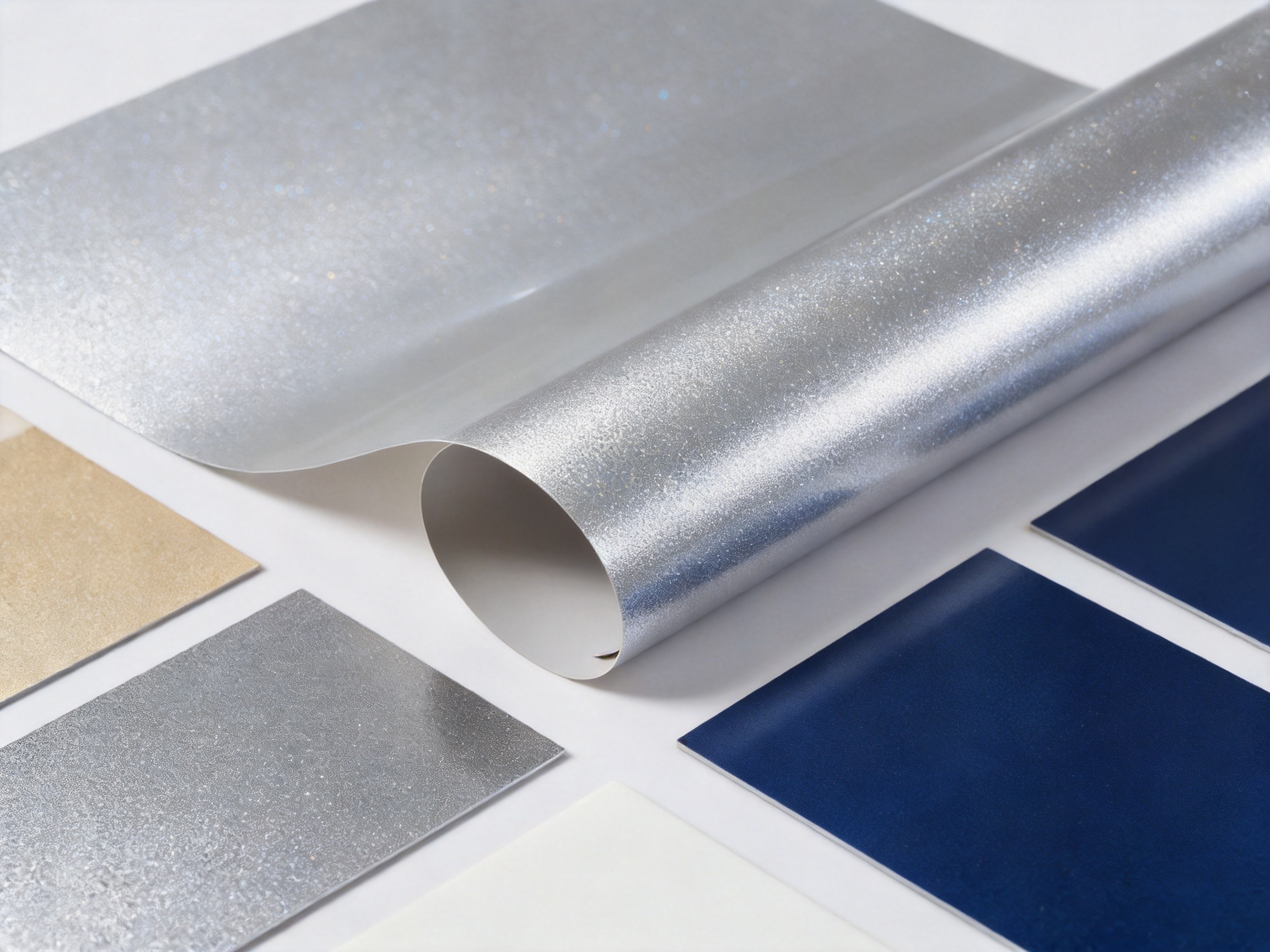
Metallic and sparkling PETG decorative film is a surface material produced from PETG polyester raw materials. During the manufacturing process, metallic powder or sparkling powder is introduced at the surface of the PETG material to create a reflective, shimmering, or glittering appearance. The result is a decorative film that can provide visual effects ranging from subtle satin shimmer to pronounced metallic brilliance.
PETG, or polyethylene terephthalate glycol-modified polyester, is a thermoplastic polyester valued for its clarity, toughness, dimensional stability, and processing adaptability. The glycol modification helps improve processing characteristics compared with standard PET, making PETG suitable for a variety of forming, laminating, and decorative applications. In film form, PETG can serve as both a functional surface layer and a design element.
The metallic and sparkling effect is integrated into the film surface rather than applied only as a temporary coating after production. This approach helps create a stable decorative finish when the material is correctly manufactured, handled, laminated, and maintained. The film can be supplied in different colors and thicknesses, allowing panel producers and furniture manufacturers to select a specification suited to the intended structure and visual result.
With available thicknesses from 0.20 to 1.0 millimeter and a regular width of 1,250 millimeters, the product can be adapted to many panel manufacturing workflows. Customized widths and colors are also available, enabling buyers to develop coordinated interiors, private-label collections, project-specific surfaces, and large-scale decorative programs.
Why Metallic and Sparkling Surfaces Are Increasingly Popular
Interior surfaces influence how people perceive a room, product, or commercial environment. A metallic finish can make furniture appear more architectural, technical, or luxurious, while a sparkling finish can introduce movement and visual energy. These effects are particularly useful when designers want a surface to interact with natural light, integrated lighting, or changing viewing angles.
Traditional decorative options may include printed paper, paint, laminates, acrylic sheets, or conventional plastic films. Each material has its own advantages, but buyers increasingly expect a combination of decorative freedom and practical performance. They want surfaces that are attractive but also resistant to fingerprints, stains, moisture, scratches, impact, and color changes. Metallic and sparkling PETG film addresses these demands by combining decorative surface treatment with the functional characteristics of PETG.
The product is suitable for minimalist interiors, contemporary kitchens, luxury wardrobes, hospitality furniture, retail displays, office partitions, bathroom storage, and commercial wall systems. Its visual range can support both understated and expressive design concepts. A fine metallic texture may be used for a modern neutral palette, while a stronger sparkle can become a focal point on a cabinet door, reception counter, or feature wall.
Another important advantage is design consistency. When the same film specification is used across multiple panels or furniture components, manufacturers can achieve a coordinated appearance over a larger project. Color and finish customization further support brand identity, interior design themes, and project-specific aesthetic requirements.

Metallic And Sparkling PETG Decorative Film
Core Product Specifications
The product is developed for manufacturers and distributors that require a decorative PETG film with a metallic or sparkling surface. The principal specifications are summarized below.
| Item | Specification |
|---|---|
| Product type | Metallic and sparkling PETG decorative film |
| Surface finish | Metallic and sparkling |
| Available color | Customized colors available |
| Thickness | 0.20 to 1.0 millimeter |
| Regular width | 1,250 millimeters |
| Customized width | Available according to project and production requirements |
| Recommended application | Lamination onto wall panels, furniture panels, wardrobes, kitchen cabinets, door boards, bathroom cabinets, and commercial decoration |
| Key surface qualities | Skin touch, anti-fingerprint, stain-resistant, color-stable, and waterproof |
| Mechanical and environmental qualities | High impact strength when laminated, good weather resistance, dimensional stability, and scratch resistance |
| Material positioning | Decorative, durable, adaptable, and eco-friendly PETG surface solution |
The available thickness range allows manufacturers to select a film according to the panel substrate, lamination equipment, forming requirements, desired surface feel, and final application. A thinner specification may be suitable for certain lightweight decorative assemblies, while a thicker film may be selected where a stronger surface presence or additional handling robustness is desired.
The regular width of 1,250 millimeters is practical for many panel production systems. Customized widths can help reduce trimming, improve material utilization, and support special furniture or wall-panel dimensions. Before production, buyers should confirm the required width, thickness tolerance, color, finish intensity, roll length, packaging method, and lamination conditions with the supplier.
Key Advantages of Metallic and Sparkling PETG Film
Distinctive Metallic and Sparkling Appearance
The most visible advantage is the film’s decorative surface. Metallic powder or sparkling powder creates a reflective effect that can make a panel appear deeper and more dynamic than a flat solid-color surface. Depending on the design, the finish can resemble fine metal, soft pearl, subtle shimmer, or a more expressive sparkling surface.
This visual flexibility is valuable for furniture manufacturers that want to expand their product collections without changing the basic panel structure. A single cabinet design can appear completely different when finished in a warm metallic tone, cool silver shade, deep dark shimmer, or custom color. Designers can also coordinate film colors with handles, lighting, flooring, wall coverings, and other interior elements.
Scratch Resistance for Everyday Use
Furniture surfaces are exposed to regular contact, movement, cleaning, and handling. Wardrobe doors, kitchen cabinet fronts, bathroom storage, and commercial counters may be touched repeatedly throughout the day. Scratch resistance helps the surface maintain its appearance during normal use and can reduce the visual impact of minor contact marks.
Scratch resistance is especially important for metallic and sparkling finishes because surface damage can be more noticeable on reflective materials. A properly manufactured and correctly laminated PETG film helps preserve the intended decorative effect. The final performance also depends on the substrate, adhesive or lamination process, installation method, cleaning practices, and operating environment.
Dimensional Stability
Dimensional stability helps the film maintain its size and shape under appropriate processing and service conditions. This characteristic is important when the film is laminated onto large panels, cabinet doors, wall systems, or other components that must remain visually flat and accurately aligned.
Stable dimensions can support smoother production, reduce the risk of visual waviness, and help maintain consistent joints between adjacent panels. For manufacturers, this may simplify cutting, matching, edge treatment, and assembly. For end users, it contributes to a cleaner appearance over the service life of the finished product.
Anti-Fingerprint and Stain-Resistant Surface
Fingerprints, oils, food residues, dust, and other stains are common on furniture and interior surfaces. The anti-fingerprint and stain-resistant qualities of this PETG film are designed to make daily maintenance easier. The surface can help reduce the visibility and adhesion of common marks, supporting a cleaner appearance between routine cleanings.
This feature is highly relevant to kitchens, wardrobes, bathroom cabinets, reception areas, retail fixtures, and hospitality furniture. In commercial settings, easy-clean surfaces can reduce maintenance effort and help preserve a professional appearance in high-contact areas.
Skin-Touch Surface Feel
Visual quality is only one part of the user experience. Furniture doors and panels are frequently touched, so surface feel also influences perceived quality. The skin-touch characteristic provides a smoother and more comfortable tactile experience, helping the product feel refined rather than purely functional.
A pleasant surface feel can be especially valuable in premium furniture collections and interior projects where users interact directly with cabinet doors, drawers, partitions, and wall features. When combined with metallic or sparkling visual effects, the tactile finish can reinforce the impression of a carefully engineered decorative product.
Waterproof Performance
Water resistance is important for kitchens, bathrooms, utility rooms, commercial wash areas, and other locations where surfaces may encounter humidity or occasional splashes. The waterproof characteristic of the film supports its use on laminated panels in environments where ordinary decorative papers may require additional protection.
Waterproof performance does not eliminate the need for correct edge sealing, suitable substrate selection, and proper installation. Panel manufacturers should ensure that water cannot enter through unsealed edges, joints, drilled holes, or damaged areas. When the complete panel system is properly designed, PETG decorative film can contribute to a durable and easy-to-maintain surface assembly.
High Impact Strength When Laminated
The film provides high impact strength when laminated onto an appropriate panel substrate. This is important for cabinet doors, wall panels, furniture fronts, and commercial fixtures that may experience knocks or accidental contact during transportation and use.
The performance of a laminated panel is determined by the combined behavior of the film, adhesive or bonding layer, substrate, processing temperature, pressure, cooling conditions, and edge construction. PETG film is therefore most effective when used as part of a controlled and compatible lamination system.
Color Stability
Color stability helps the finished surface retain its intended appearance over time. This is important for projects involving multiple production batches, coordinated furniture sets, or large wall installations. Stable color can reduce visible variation between adjacent components and support consistent interior design results.
Color stability is influenced by formulation, pigment or effect-powder distribution, processing conditions, exposure to light, temperature, cleaning chemicals, and installation environment. Buyers requiring an exact project color should approve a physical sample and establish a reference standard before mass production.
Good Weather Resistance
Good weather resistance broadens the potential use of the material in environments with changing temperature, humidity, and light exposure. The product is primarily positioned for interior decoration, but weather resistance can be valuable in semi-enclosed spaces, commercial areas, and applications where panels may experience more demanding environmental conditions.
Outdoor or highly exposed applications should be evaluated individually. Factors such as ultraviolet exposure, temperature cycling, moisture, substrate movement, and edge protection should be considered before approval. Technical testing under the actual project conditions is recommended for demanding installations.
Environmental Positioning
The product is described as eco-friendly and is based on PETG polyester materials. Environmental performance should be assessed as part of the complete product lifecycle, including raw materials, manufacturing efficiency, service life, maintenance, packaging, transport, and end-of-life options.
A long-lasting decorative surface can reduce the frequency of replacement and help extend the useful life of furniture and panels. Manufacturers can also evaluate waste reduction through optimized roll widths, accurate cutting plans, and responsible production management. The most appropriate environmental claims should always be verified according to the applicable market standards and project documentation.
Applications Across Furniture and Interior Decoration
Wardrobe and Storage Cabinet Panels
Wardrobes and storage cabinets are among the most suitable applications for metallic and sparkling PETG film. Large doors provide a broad visual area where the reflective surface can be appreciated, while the anti-fingerprint and stain-resistant qualities help support daily use.
Designers may use a subtle metallic surface for a calm, modern bedroom or a stronger sparkling finish for a luxury dressing room. The film can also be coordinated across doors, drawer fronts, side panels, and decorative niches. Its dimensional stability is helpful for maintaining alignment across large cabinet components.
Kitchen Cabinet Doors
Kitchen furniture requires surfaces that can tolerate frequent contact, moisture, food splashes, and cleaning. PETG decorative film offers a combination of visual appeal and practical surface characteristics for cabinet fronts, drawer panels, island units, and selected wall-panel elements.
Metallic finishes can complement stainless steel appliances, stone countertops, glass backsplashes, and modern lighting. Sparkling colors can create a distinctive design statement, while darker metallic tones may provide a sophisticated appearance in contemporary kitchens. Correct edge finishing remains essential in areas exposed to water and steam.
Bathroom Cabinets
Bathroom cabinets benefit from waterproof and stain-resistant surfaces. Metallic and sparkling PETG film can be used on vanity doors, storage units, wall-mounted cabinets, and decorative panel systems. The surface can help create a high-end appearance while supporting easier cleaning in a humid environment.
For bathroom applications, manufacturers should pay close attention to substrate moisture resistance, edge sealing, ventilation, and the compatibility of cleaning products. A high-quality film cannot compensate for a poorly protected panel core or an unsealed joint.
Door Boards
Interior doors and decorative door boards offer another opportunity for metallic PETG film. A reflective surface can make a door an architectural feature rather than a purely functional component. The film may be used on bedroom doors, office doors, hotel doors, closet doors, or decorative sliding systems, provided that the structure and lamination process are suitable.
Door applications require attention to impact, edge wear, handle areas, and repeated opening and closing. The combination of scratch resistance and laminated impact strength can support long-term visual quality when the door system is properly engineered.
Wall Panels
Wall panels finished with metallic or sparkling PETG film can create feature walls, reception backgrounds, retail displays, hospitality interiors, and decorative partitions. The film allows manufacturers to achieve a premium surface effect without relying exclusively on heavy metal sheets or complex finishing processes.
Large-scale wall applications require careful planning for joint alignment, panel flatness, color matching, lighting direction, and installation tolerances. A controlled roll width and customized color program can help support a consistent appearance across a complete project.
Commercial Decoration
Retail stores, restaurants, hotels, offices, showrooms, salons, and exhibition environments often require surfaces that attract attention while remaining practical to maintain. Metallic and sparkling PETG film can be used for counters, display fixtures, wall features, columns, partitions, decorative furniture, and branded interior elements.
Commercial environments may benefit from the material’s stain resistance, easy-clean character, impact strength when laminated, and design flexibility. Custom colors can help businesses coordinate the film with their visual identity, seasonal collections, or interior design standards.
Manufacturing Strengths Behind the Product
The quality of a decorative film depends not only on its raw material but also on the supplier’s production discipline, process control, research capability, equipment, and experience. ZheJiang ZhongSheng New Materials Co., Ltd. was established in 2006 and has focused on PET-related products for more than 16 years according to the provided company information.
The company operates a manufacturing area of approximately 40,000 square meters and has registered capital of 11.21 million United States dollars. Its production infrastructure includes one research and development team, two laboratories, 33 production lines, and more than 100 sets of machinery and equipment. This scale supports the development and production of transparent plastic sheets, plastic film rolls, PETG materials, PETA products, and PET-GAG products.
The reported annual production capacity reaches 70,000 tons, with annual turnover exceeding 70 million United States dollars. A large production capacity can provide several advantages for buyers, including improved supply planning, support for repeat orders, broader product development capability, and the ability to serve both standard and customized requirements.
Research and Development Capability
Decorative film performance depends on a careful balance of polymer formulation, surface effect materials, thickness, cooling, winding, and finishing. A dedicated research and development team can investigate these factors and develop products for different end uses, including thermoforming, vacuum forming, blister packaging, and furniture decorative panels.
The company’s PETG films have been developed for use in furniture decoration panels and have received recognition in domestic and international markets according to the supplied information. More than 60 invention and utility patents are also reported. Patents do not automatically guarantee performance in every application, but they indicate an ongoing emphasis on technical development and process innovation.
Laboratory and Quality Support
Two laboratories provide a foundation for material analysis, product evaluation, process verification, and application testing. For a decorative film manufacturer, laboratory capabilities may support checks related to thickness, appearance, color, surface quality, dimensional behavior, mechanical performance, and environmental resistance.
Quality management should begin with incoming raw materials and continue through compounding, film formation, surface treatment, finishing, inspection, winding, packaging, and shipment. Consistency is particularly important for metallic and sparkling films because uneven effect-powder distribution, thickness variation, or process instability can affect visual uniformity.
Multiple Production Lines
Thirty-three production lines provide substantial manufacturing capacity and can support different material specifications, widths, thicknesses, and order schedules. Multiple lines may also provide greater flexibility when customers require both standard products and customized projects.
For international buyers, production flexibility can be an important consideration. Interior projects often require samples, approval batches, repeat orders, and coordinated shipments. A supplier with broad production resources may be better positioned to support these stages than a producer with limited equipment and narrow product capability.
Experience in PET-Based Materials
More than 16 years of focus on the PET industry provides a foundation of material knowledge and production experience. PET-related products require control over polymer behavior, extrusion or forming conditions, cooling, surface finish, winding tension, storage, and transportation.
This experience is relevant to PETG decorative film because the product must combine a stable base material with a visually consistent surface effect. A supplier familiar with PET and PETG applications can better understand the relationship between film properties and downstream processes such as lamination, thermoforming, vacuum forming, cutting, and panel assembly.
Integrated Industrial Capability
The company’s product range includes transparent plastic sheets and film rolls used for thermoforming, vacuum forming, blister packaging, and furniture decoration. This broader capability may help the company understand different customer requirements, from transparent packaging materials to decorative panel surfaces.
Such industrial breadth can support cross-application learning. Knowledge gained from sheet production, forming, and packaging applications may contribute to better control of flatness, thickness, clarity, surface finish, and mechanical performance in decorative film production.
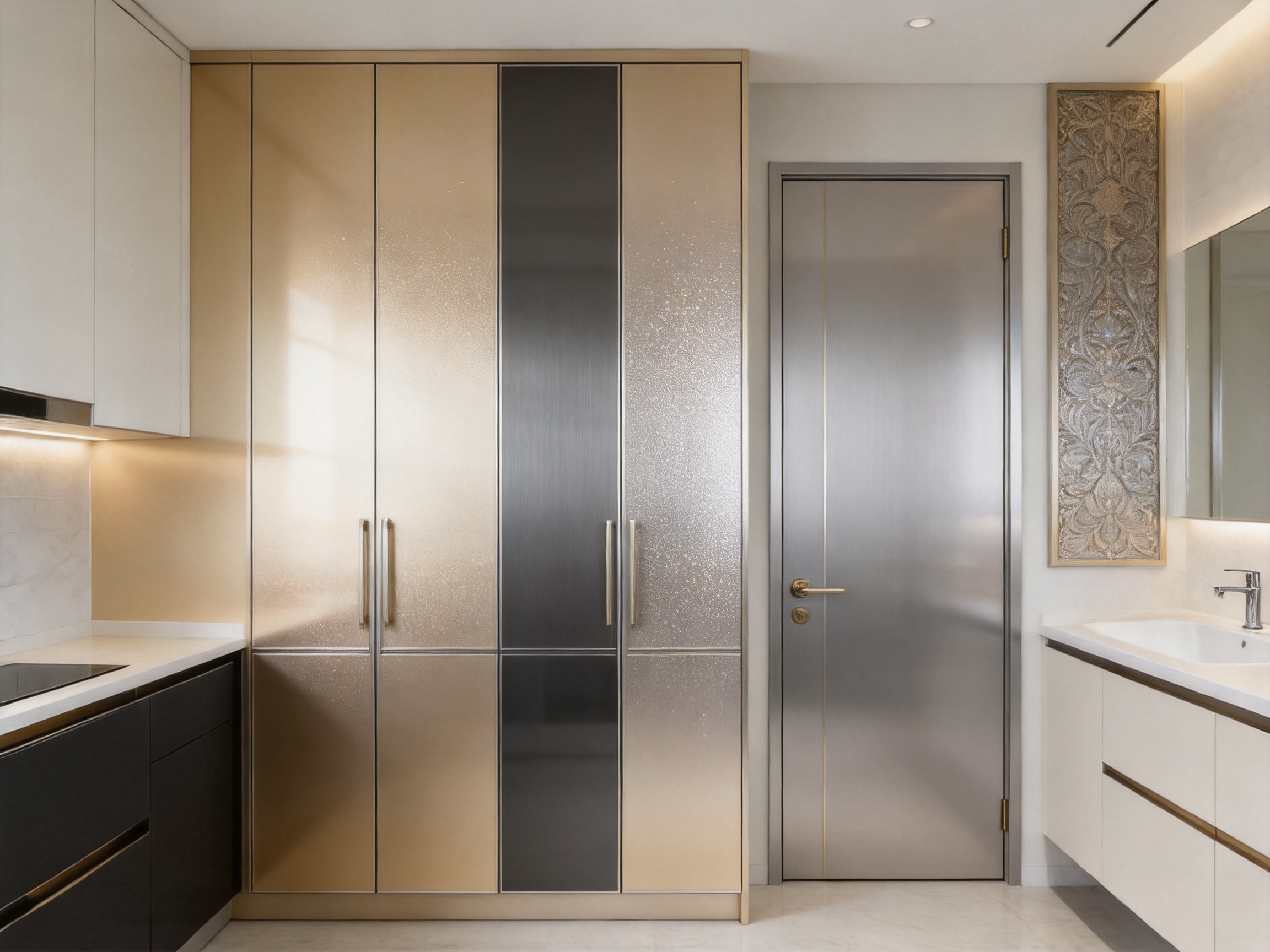
How PETG Decorative Film Compares with Other Decorative Surfaces
Every decorative material has an appropriate application range. Metallic and sparkling PETG film is not intended to replace every surface technology, but it offers a useful combination of design freedom and practical performance that can be advantageous in many panel applications.
Compared with Conventional Decorative Paper
Decorative paper can provide a broad selection of printed patterns and is widely used in furniture production. However, paper-based surfaces may require additional protective layers and can be more sensitive to moisture, edge exposure, and surface wear depending on the construction.
PETG film offers a polymer-based surface with waterproof characteristics, impact strength when laminated, and a tactile finish. It is especially suitable where the project requires a metallic or sparkling effect combined with resistance to everyday contact and cleaning.
Compared with Painted Panels
Painted panels can deliver smooth and attractive surfaces, but production may involve multiple coating stages, drying time, curing controls, and sensitivity to handling during manufacturing. Surface repair and color matching may also require careful process management.
Pre-produced PETG film can provide a consistent decorative surface that is laminated onto a prepared substrate. This may help panel manufacturers simplify certain finishing operations, although the lamination process itself must be carefully controlled for temperature, pressure, bonding, alignment, and surface cleanliness.
Compared with Conventional PVC Decorative Film
PVC decorative film is widely used in furniture and interior applications and offers extensive pattern and color options. PETG decorative film provides an alternative material platform for customers seeking PETG-based properties, including dimensional stability, impact performance when laminated, and a different environmental and material profile.
The selection between PETG and PVC should consider the complete project specification, processing equipment, regulatory requirements, cost objectives, substrate, service environment, and desired surface appearance. Metallic and sparkling PETG film is particularly attractive when the buyer wants a premium polyester-based surface with a distinctive reflective finish.
Compared with Metal Sheets
Real metal sheets create an authentic metallic appearance, but they may add weight, require more complex forming or edge treatment, and increase material and processing costs in some applications. PETG film can create a metallic visual effect on a lighter panel construction and can be applied to furniture substrates using lamination technology.
The film therefore offers designers a way to obtain a metal-inspired appearance while maintaining the flexibility of a decorative panel system. It is not a structural metal replacement, but it can be an efficient surface solution for interior furniture and wall decoration.
Compared with Acrylic Decorative Surfaces
Acrylic surfaces are known for gloss, clarity, and visual depth. PETG film offers a different balance, combining decorative sparkle or metallic effects with a thin, flexible film format and a range of functional surface characteristics. The best choice depends on the required gloss level, surface feel, impact expectations, forming method, thickness, and project budget.
For manufacturers seeking a roll-based material suitable for lamination onto furniture panels, PETG film can provide an efficient route to customized decorative production.
Manufacturing and Lamination Considerations
To achieve the best final result, the film must be processed under conditions suitable for PETG and the selected substrate. The panel surface should be clean, dry, smooth, and free from dust, oil, moisture, and other contaminants. Uneven substrates may cause visible defects through the film, particularly on metallic or sparkling surfaces that reflect light.
Lamination temperature, pressure, line speed, adhesive selection, and cooling conditions should be established through testing. Excessive heat may affect the film or substrate, while insufficient heat or pressure may result in weak bonding, bubbles, wrinkles, or incomplete contact. The specific production parameters should be confirmed with the film supplier and adapted to the lamination equipment.
Color and finish approval should be based on physical samples viewed under representative lighting. Metallic and sparkling effects can appear different under warm, cool, direct, or diffuse light. Buyers should assess samples in the actual interior environment whenever possible.
When multiple rolls are used for one project, manufacturers should plan for batch consistency and installation direction. Some effect surfaces may show directional differences depending on the orientation of the film, the light source, and the viewing angle. Keeping the roll direction consistent can help maintain a uniform appearance across adjacent panels.
Edges require particular attention. Even when the film surface is waterproof, exposed or poorly sealed panel edges may permit moisture penetration into the substrate. Edge banding, wrapping, sealing, or other suitable treatments should be selected according to the panel construction and intended environment.
Quality Control from Raw Material to Finished Roll
Reliable decorative film production requires control at every stage. Raw materials should be inspected for identity, quality, cleanliness, and suitability for the intended formulation. Metallic or sparkling effect materials should be distributed consistently to avoid variation in visual intensity.
During film production, operators and quality personnel should monitor thickness, width, surface appearance, color, gloss or sheen, transparency or opacity where relevant, winding quality, and visible defects. Process records can help identify the cause of variation and support repeatability between production batches.
Finished rolls should be protected from dust, moisture, excessive heat, direct sunlight, and mechanical damage. Packaging should prevent edge crushing, surface abrasion, and deformation during storage and transportation. Buyers should inspect packaging upon receipt and follow the supplier’s storage recommendations before processing.
For large projects, incoming inspection may include sample comparison, thickness measurement, width verification, color evaluation, surface inspection, and lamination trials. Establishing an agreed quality standard before production helps both the supplier and buyer evaluate the finished product objectively.
Storage, Handling, and Maintenance
Rolls should be stored in a clean, dry, and well-ventilated area away from direct sunlight and sources of excessive heat. They should be protected against moisture, dust, sharp objects, and heavy pressure that could deform the film or damage the edges.
During handling, workers should avoid dragging rolls across rough surfaces. Clean gloves may be used to reduce fingerprints and contamination, particularly when handling films with sensitive decorative surfaces. Rolls should be moved using equipment suitable for their weight and dimensions.
Finished panels should be cleaned with a soft cloth and a mild, compatible cleaning solution. Abrasive pads, aggressive solvents, sharp tools, and unapproved chemicals should be avoided because they may reduce gloss, damage the surface, or affect the decorative effect.
Although the film is scratch-resistant, scratch resistance is not the same as complete immunity to damage. Furniture should be protected from sharp impacts, abrasive materials, and prolonged contact with substances that may attack the surface. Proper care helps preserve the metallic or sparkling appearance for a longer period.
Customization Opportunities
Customization is a major advantage for furniture manufacturers, interior contractors, distributors, and brand owners. The product is available in customized colors, allowing buyers to develop shades that match a design concept, furniture collection, architectural specification, or corporate identity.
Customized widths can help improve production efficiency by matching panel sizes more closely. This may reduce cutting waste, simplify layout planning, and support the production of oversized or specialized components. The feasibility of a customized width depends on the order quantity, production schedule, equipment, and technical requirements.
Buyers may also discuss surface intensity, metallic character, sparkle level, thickness, roll dimensions, packaging, and application requirements with the manufacturer. A clear technical brief should describe the intended substrate, lamination method, final environment, target color, required quantity, and performance expectations.
For new projects, the recommended development process is to begin with sample selection, followed by physical color approval, trial lamination, performance evaluation, and pilot production. Once the specification is approved, the reference sample and technical requirements should be retained for future repeat orders.
Why Choose an Experienced PETG Film Manufacturer?
Decorative film is a visible product, so inconsistencies can affect the appearance of an entire furniture collection or architectural project. An experienced manufacturer can provide more than material supply; it can support specification development, sample preparation, application advice, production scheduling, and quality communication.
ZheJiang ZhongSheng New Materials Co., Ltd. combines a long operating history, PET industry specialization, extensive production resources, research and laboratory facilities, and a broad product portfolio. Its reported 40,000-square-meter manufacturing area, 33 production lines, more than 100 sets of equipment, and 70,000-ton annual capacity indicate the ability to support substantial domestic and international demand.
The company also reports more than 60 invention and utility patents and a focus on advanced technology and scientific management. These capabilities are relevant to customers seeking consistent PETG films for furniture decoration, especially when projects require customized colors, repeat production, and stable supply.
Its business philosophy emphasizes development through quality and brand building through integrity. For international buyers, these principles can be reflected in transparent specifications, clear sample approval, dependable communication, and appropriate technical support throughout the purchasing process.
Recommended Buyer Evaluation Checklist
Before placing an order, buyers should confirm the intended application and determine whether the film will be laminated onto a wall panel, furniture panel, wardrobe door, kitchen cabinet, bathroom cabinet, door board, or commercial fixture.
The following checklist can help guide technical discussions:
| Evaluation area | Questions to confirm |
|---|---|
| Substrate | What panel material will be used, and is it flat, dry, stable, and compatible with lamination? |
| Film thickness | Which thickness between 0.20 and 1.0 millimeter best suits the panel and processing method? |
| Width | Is the regular 1,250-millimeter width suitable, or is a customized width required? |
| Appearance | What color, metallic intensity, sparkle level, gloss, and tactile effect are required? |
| Processing | What adhesive, temperature, pressure, line speed, and cooling conditions will be used? |
| Environment | Will the finished product be used in a dry interior, humid room, commercial space, or semi-exposed area? |
| Quality | What standards apply to color consistency, thickness, surface defects, bonding, and dimensional stability? |
| Packaging | How will rolls be protected during storage, shipment, and handling? |
| Approval | Has a physical sample been tested and approved under representative lighting and processing conditions? |
Frequently Asked Questions
What is metallic and sparkling PETG decorative film used for?
It is used mainly for laminating wall panels and furniture panels, including wardrobe doors, kitchen cabinets, bathroom cabinets, door boards, storage cabinets, and commercial decorative fixtures. It can also be used for selected interior wall systems and feature surfaces.
How is the metallic or sparkling effect created?
The effect is created by adding metallic powder or sparkling powder at the surface of PETG polyester raw materials during the manufacturing process. This produces a reflective or shimmering appearance in different shades and colors.
What thicknesses are available?
The available thickness range is 0.20 to 1.0 millimeter. The most suitable thickness depends on the substrate, lamination process, required surface feel, panel structure, and final application.
Is the color customizable?
Yes. Customized colors are available. Buyers should provide a color reference or design target and approve a physical sample before mass production, especially for projects requiring close color matching.
What is the standard width?
The regular width is 1,250 millimeters. Customized widths may also be available according to production requirements, order quantity, and project specifications.
Is the film suitable for kitchens and bathrooms?
It is suitable for furniture applications in kitchens and bathrooms because it offers waterproof, stain-resistant, anti-fingerprint, and easy-maintenance characteristics. The panel substrate, edges, joints, and lamination process must also be properly protected against moisture.
Is the surface scratch-resistant?
Scratch resistance is one of the stated advantages of the product. However, the final resistance depends on the film specification, lamination quality, substrate, handling, cleaning method, and service conditions. Sharp or abrasive objects should still be avoided.
Can the film be used outdoors?
The product has good weather resistance, but it is primarily positioned for furniture and interior decoration. Outdoor or highly exposed applications should be evaluated with project-specific testing for ultraviolet exposure, temperature variation, moisture, and substrate behavior.
What makes PETG film different from decorative paper?
PETG film provides a polymer-based surface with waterproof characteristics, impact strength when laminated, dimensional stability, and a skin-touch finish. Decorative paper may offer different printing and cost advantages, but it may require additional protective construction depending on the application.
How should the film be cleaned?
A soft cloth and a mild compatible cleaning solution are recommended. Abrasive pads, harsh solvents, sharp tools, and unapproved chemicals should be avoided to protect the surface finish.
What should be checked before lamination?
The substrate should be clean, dry, flat, smooth, and compatible with the selected bonding system. The manufacturer should also confirm lamination temperature, pressure, line speed, cooling, edge treatment, and storage conditions through practical trials.
Can the film support large furniture or wall panels?
Yes. The regular 1,250-millimeter width and available customized widths can support many panel manufacturing formats. Large installations require careful attention to color consistency, roll direction, joint alignment, panel flatness, and installation tolerances.
What manufacturing capabilities does the supplier have?
The supplier was established in 2006 and reports a 40,000-square-meter manufacturing area, one research and development team, two laboratories, 33 production lines, more than 100 sets of equipment, and annual production capacity of 70,000 tons. The company also reports more than 60 invention and utility patents.
Does the company produce other PET-related materials?
Yes. The provided company information states that its products include PETA, PETG, and PET-GAG materials used for thermoforming, vacuum forming, blister packaging, transparent plastic sheets, plastic film rolls, and furniture decorative film panels.
How can buyers begin a customized project?
Buyers should provide the intended application, substrate, desired color, surface effect, thickness, width, quantity, lamination method, service environment, and delivery requirements. The supplier can then support sample development, technical confirmation, and production planning.
Conclusion
Metallic and sparkling PETG decorative film provides an effective combination of visual distinction and practical performance for modern furniture and interior panels. Its reflective or shimmering surface can elevate wardrobes, cabinets, doors, wall systems, and commercial decoration, while its scratch resistance, dimensional stability, anti-fingerprint surface, stain resistance, waterproof character, color stability, impact strength when laminated, and weather resistance support demanding everyday applications.
The product’s thickness range of 0.20 to 1.0 millimeter, regular width of 1,250 millimeters, and customized color and width options make it adaptable to different manufacturing systems and design programs. Compared with conventional decorative surfaces, it offers a useful balance between premium appearance, roll-based processing, maintenance convenience, and PETG material performance.
The manufacturing capabilities of ZheJiang ZhongSheng New Materials Co., Ltd. further support the product’s market position. Since its establishment in 2006, the company has developed experience in PET-based materials and built substantial production, research, laboratory, and equipment resources. Its reported annual capacity of 70,000 tons, 33 production lines, more than 100 sets of machinery, and patent portfolio provide a foundation for serving customized and large-volume requirements.
For manufacturers, architects, furniture brands, distributors, and interior contractors, the most successful results will come from treating the film as part of a complete panel system. Proper substrate preparation, lamination control, edge protection, sample approval, storage, and maintenance are essential. When these factors are managed carefully, metallic and sparkling PETG decorative film can deliver a durable, refined, and highly adaptable surface for contemporary interior design.
References
1. Product specification information for Metallic and Sparkling PETG Decorative Film, including surface, thickness, width, application, and performance characteristics.
2. Company information supplied by ZheJiang ZhongSheng New Materials Co., Ltd., including manufacturing area, production capacity, equipment, laboratories, research and development resources, and PET industry experience.
3. General technical principles for PETG polyester materials, thermoplastic film production, lamination, surface finishing, and furniture panel applications.
4. General best practices for decorative panel storage, handling, cleaning, edge protection, and quality inspection.
5. General considerations for material selection in furniture decoration, wall panels, cabinetry, architectural interiors, and commercial surface applications.