 English
 Español

Zhongsheng
Zhongsheng
Zhongsheng
Zhongsheng
Zhongsheng
Zhongsheng
Zhongsheng
Zhongsheng
Zhongsheng
Zhongsheng
Zhongsheng
Zhongsheng
Zhongsheng
Zhongsheng
Zhongsheng
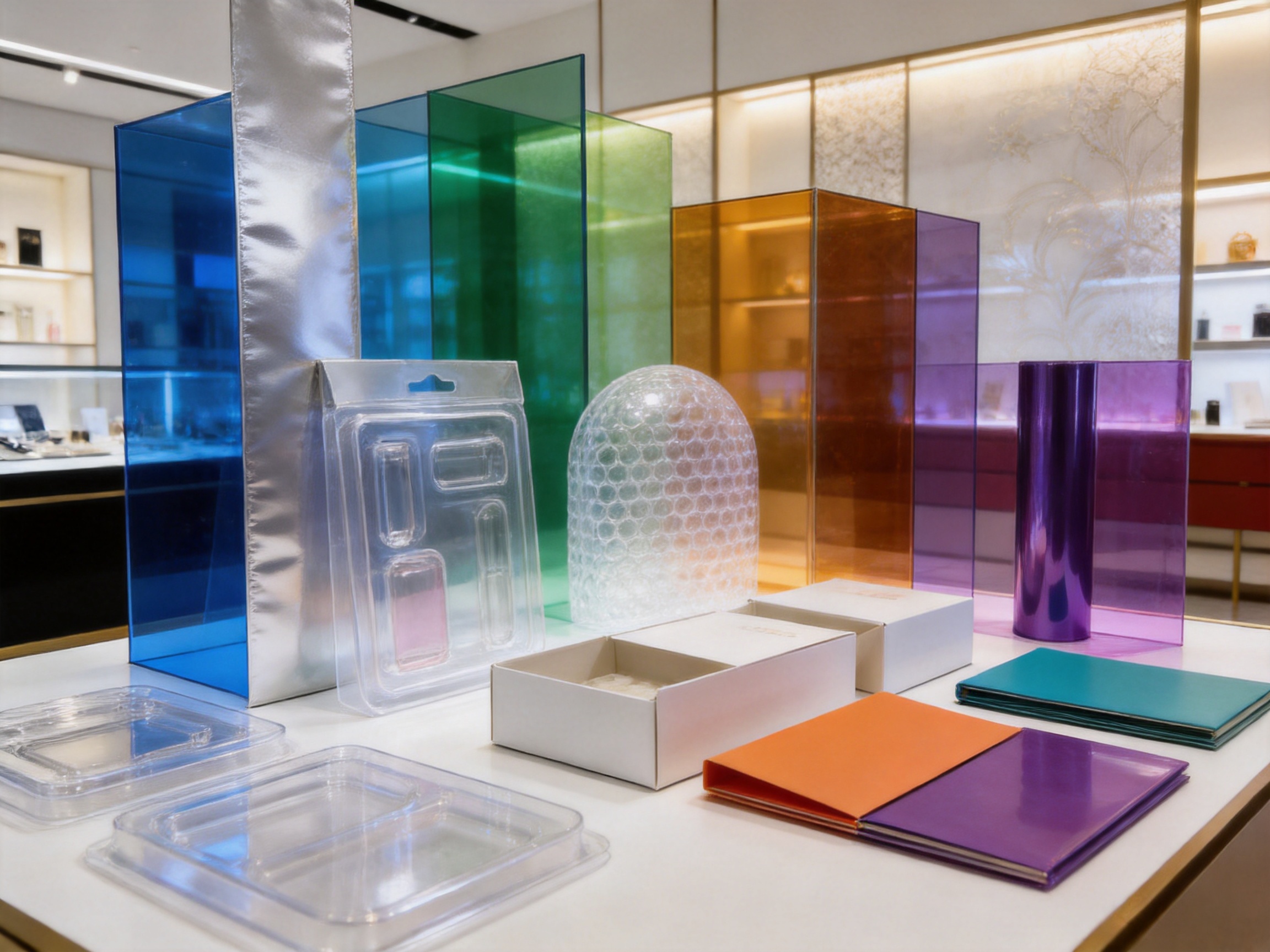
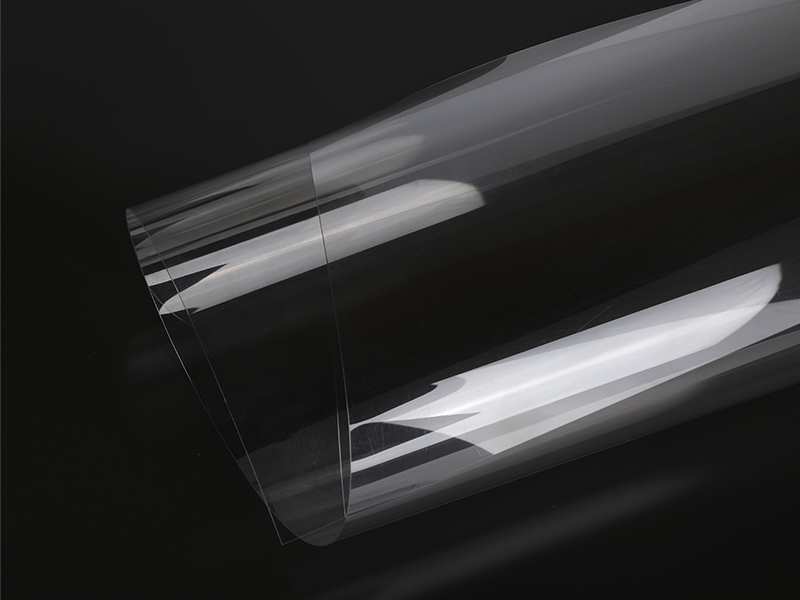
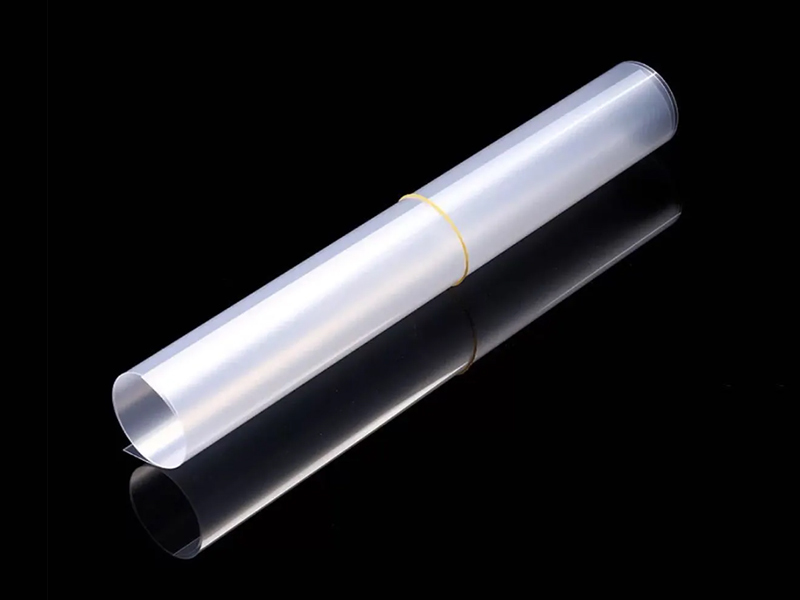
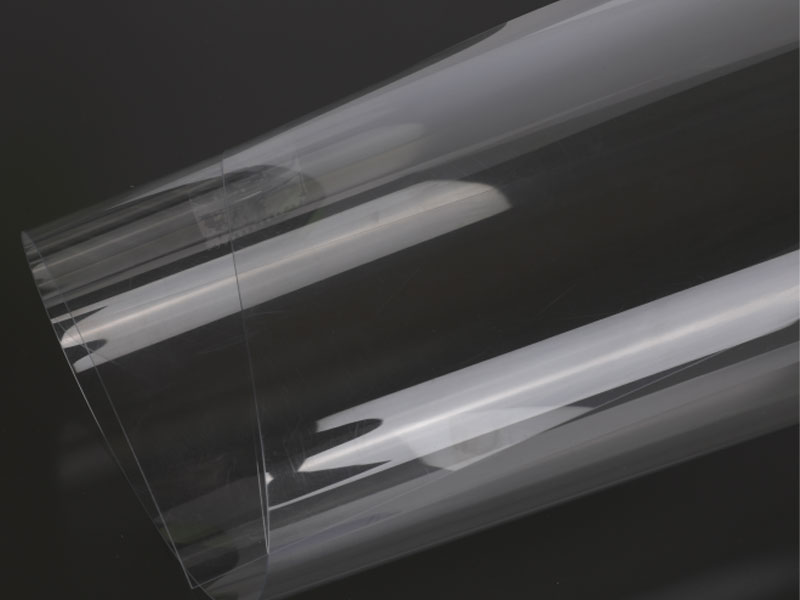
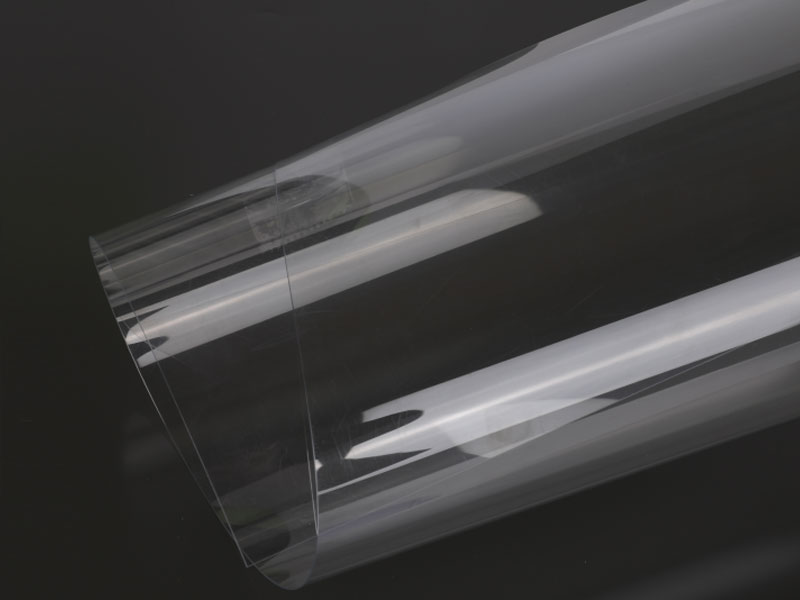
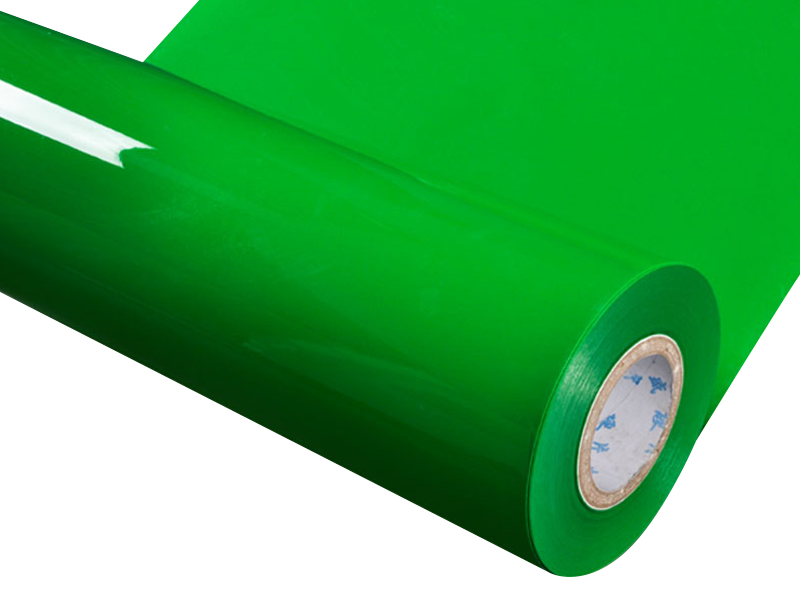
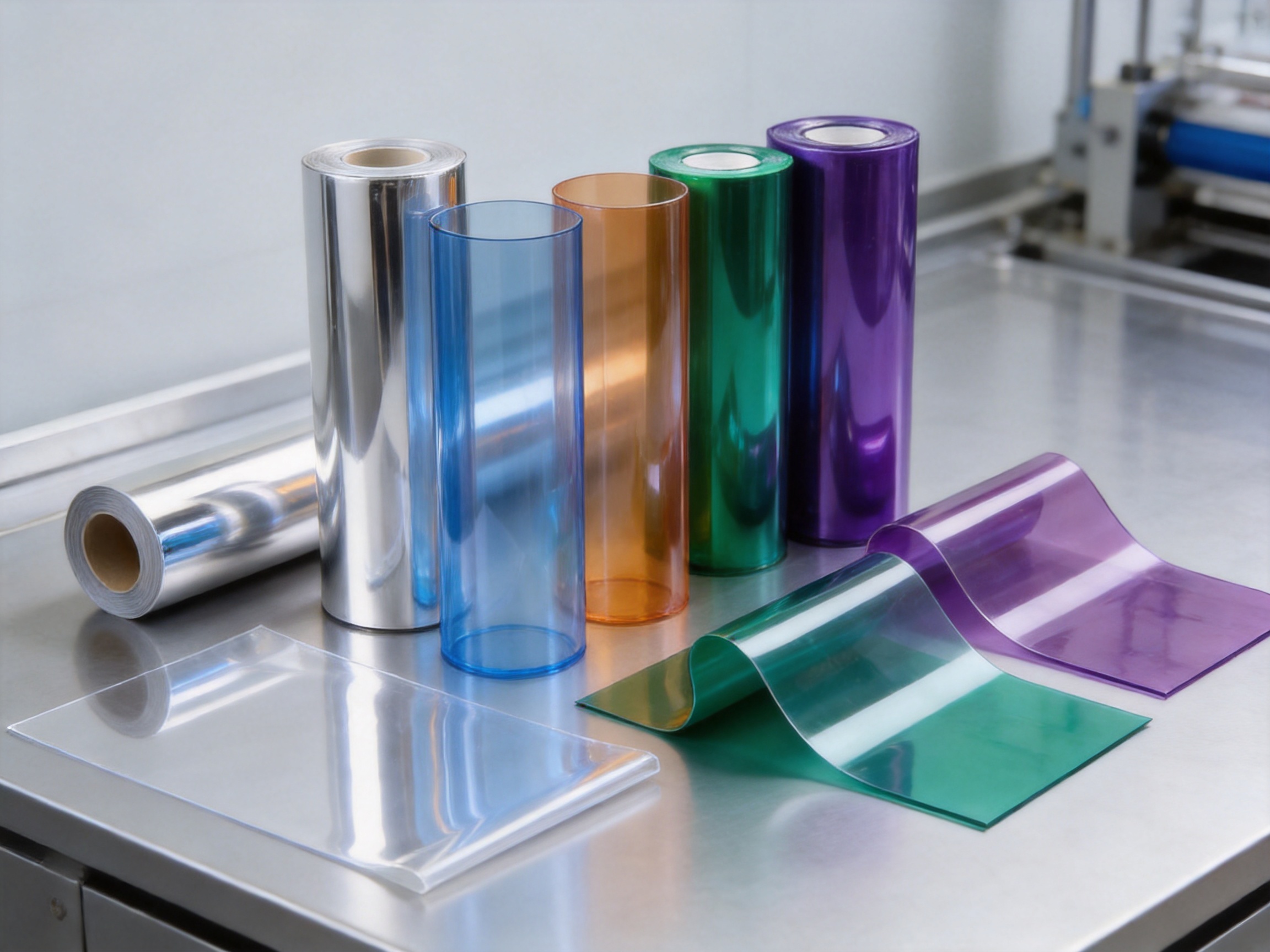
PET mirror effect and translucent color film is a specialized decorative and thermoforming material designed to combine visual appeal with dependable physical performance. Produced from APET, or amorphous polyethylene terephthalate, the film offers a valuable balance of transparency, surface gloss, folding resistance, strength, low-temperature performance, and processing flexibility. These characteristics make it suitable for vacuum forming, blister packaging, stationery, printing, folding boxes, display products, and decorative applications.
Unlike ordinary transparent plastic films that are primarily selected for basic visibility or protection, PET mirror effect and translucent color film is developed to contribute directly to the appearance and functionality of a finished product. Its mirror-effect surface can create a reflective, premium appearance, while its translucent color options allow designers to introduce depth, light diffusion, and visual distinction. The material can therefore serve both technical and aesthetic purposes in packaging, retail presentation, interior decoration, and manufactured products.
Modern buyers are increasingly looking for materials that offer more than an attractive surface. They need films that can withstand forming, folding, printing, handling, transportation, and storage without easily cracking, creasing, or losing their visual quality. APET film responds to these needs through a combination of material properties and controlled manufacturing. When produced with appropriate thickness uniformity, surface treatment, color consistency, and winding quality, it can provide reliable performance throughout the product life cycle.
What Is PET Mirror Effect and Translucent Color Film?
PET mirror effect and translucent color film is a colored APET film with a reflective or translucent surface appearance. PET is a thermoplastic polymer widely used in packaging, forming, and decorative products because it provides a strong combination of clarity, stiffness, dimensional stability, and chemical resistance. APET refers to the amorphous form of PET. Compared with highly crystalline PET structures, APET is especially suitable for transparent sheet and film applications because it offers high clarity and can be processed through thermoforming and related methods.
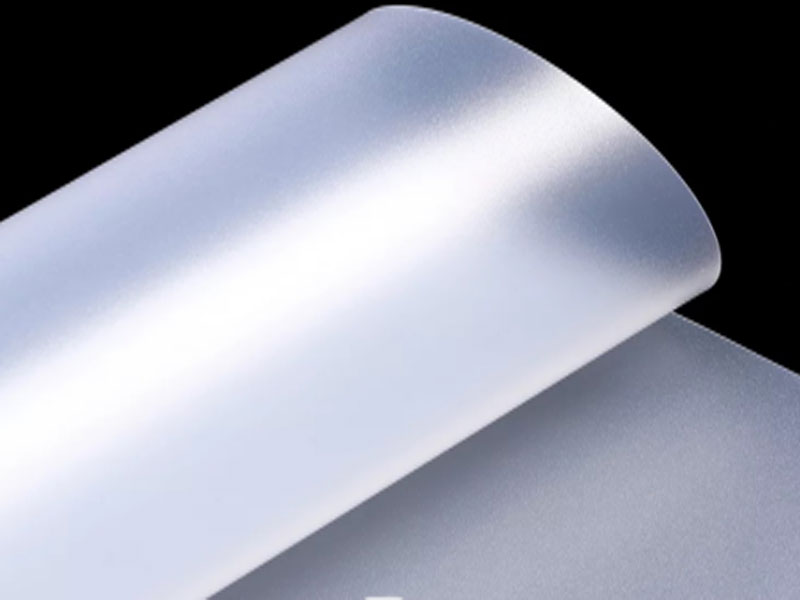
The mirror-effect version is designed to provide a bright, reflective visual surface. Depending on the selected structure and finish, it may be used to create a metallic-looking appearance, a decorative reflective layer, or an enhanced gloss effect. The translucent version allows light to pass through while maintaining a colored or softened visual effect. This feature can be valuable where complete transparency is not required and where designers want to control light, conceal internal components, or create a more refined appearance.
The film can be supplied in customized colors, allowing it to be matched with brand palettes, product concepts, interior schemes, or seasonal packaging designs. Its available thickness range is approximately 0.15 to 5.0 millimeters, and its width range is approximately 170 to 1,350 millimeters. These specifications provide flexibility for both narrow-format processing and larger sheet or panel production requirements.
| Item | Product Information |
| Material | APET |
| Product category | PET color film |
| Surface options | Mirror effect and translucent |
| Color | Customized colors available |
| Thickness | Approximately 0.15–5.0 mm |
| Width | Approximately 170–1,350 mm |
| Typical applications | Vacuum forming, trays, bubble shells, blister packaging, stationery, printing, folding boxes, and decorative products |
The combination of appearance and processability is the main reason this film is attractive to converters. A decorative surface is only valuable when it can remain intact during forming, cutting, folding, printing, assembling, and distribution. APET film is therefore manufactured to support both design requirements and practical production conditions.
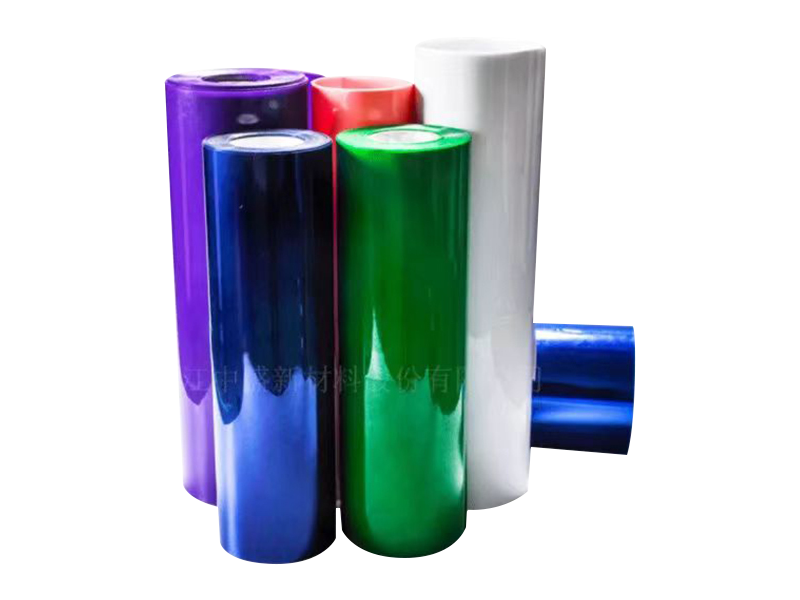
PET Mirror Effect/Translucent Color Film
Key Advantages of APET Film
Excellent Folding Resistance
One of the principal advantages of APET film is its excellent folding resistance. Many plastic materials can develop white stress marks, visible creases, or self-cracking when repeatedly folded or bent. These defects can reduce the visual quality of a package and may eventually affect structural integrity. APET is designed to resist this type of damage under suitable processing conditions.
Folding resistance is especially important for folding boxes, stationery products, packaging components, and formed structures that include corners or hinged sections. A film that maintains its surface and does not easily split at a fold can help manufacturers improve appearance consistency and reduce waste. It also provides designers with more freedom to create compact or three-dimensional packaging formats.
In practical production, folding performance depends on several variables, including film thickness, folding radius, temperature, tooling, orientation, and the speed of the process. APET provides a strong material foundation, while correct equipment settings and suitable design practices help achieve the best result. Its resistance to self-cracking and creasing gives it an advantage over less suitable materials in applications requiring repeated bending or sharply defined folds.
Lower Weight Than Many General Materials
APET has a specific gravity that is approximately 3.7 percent lower than that of general materials commonly used for comparable applications, according to the supplied product information. Although this difference may appear modest for an individual component, it can become meaningful in high-volume packaging and manufacturing operations.
Lower material weight can support reduced shipping loads, easier manual handling, and improved production efficiency. For packaging manufacturers, a lighter film may help reduce the total weight of finished goods while retaining the stiffness and surface quality needed for protection and presentation. In applications involving large production quantities, even a small reduction in material weight can contribute to lower resource consumption and more efficient logistics.
Weight reduction must always be balanced against thickness, forming behavior, stiffness, impact resistance, and end-use requirements. APET offers this balance by combining relatively efficient material use with strong mechanical performance. Manufacturers can select an appropriate thickness instead of relying solely on excessive material volume to obtain rigidity.
High Transparency and Attractive Gloss
High transparency is a defining strength of APET film. Clear areas can present products with excellent visibility, while the film’s gloss enhances the brightness and visual sharpness of the surface. For packaging, this can improve product presentation and help consumers see the contents without opening the package.
The mirror-effect and translucent versions expand the design possibilities beyond ordinary clear film. Mirror-effect surfaces can add a premium, reflective visual element to packaging, displays, stationery, and decorative panels. Translucent colors can soften light transmission, introduce a layered appearance, and create visual privacy without making the material completely opaque.
Surface gloss also affects how colors are perceived. A smooth, glossy finish can make colors appear more vivid and can provide a cleaner appearance after printing or forming. For decorative products, surface quality is often judged immediately by the customer, making uniform gloss and freedom from visible defects important factors in material selection.
High Strength and Impact Resistance
The strength of APET film is stated to be more than 20 percent higher than that of other materials in the relevant comparison provided for the product. This strength allows the film to support packaging and formed applications where resistance to handling stress is important.
High strength can help the film retain its shape during forming, transportation, and use. It can also reduce the likelihood of tearing or breakage when products are packed, stacked, displayed, or handled by consumers. In blister packaging and bubble-shell applications, strength is important because the formed structure must protect the product while maintaining a clean, attractive appearance.
Impact resistance is particularly valuable in distribution environments. Packages may experience vibration, compression, dropping, and contact with other products. A film that combines clarity with impact resistance provides both product visibility and a degree of physical protection. This combination is one reason PET-based materials are widely considered for demanding packaging formats.
Reliable Low-Temperature Performance
APET film can withstand temperatures down to several tens of degrees Celsius below zero without becoming brittle, according to the supplied product description. This low-temperature resistance supports applications that may encounter cold storage, winter transportation, refrigerated environments, or temperature changes during distribution.
When a plastic film becomes brittle at low temperature, it may crack during folding, impact, sealing, or handling. APET’s ability to maintain useful toughness under cold conditions can help improve packaging reliability. This advantage is relevant for products transported across different climates or stored in facilities where temperatures vary significantly.
Actual performance depends on the specific grade, thickness, forming method, exposure duration, and environmental conditions. Buyers should confirm the exact technical requirements for freezing, refrigeration, or outdoor use before final selection. Nevertheless, the material’s low-temperature resistance offers an important advantage over films that lose flexibility more quickly in cold environments.
Clean Appearance and Reduced Defect Risk
APET products are characterized by a smooth finish, high transparency, strong impact resistance, and a low tendency toward visible crystal points when properly manufactured. These characteristics are particularly valuable in applications where the film is viewed directly by consumers.
Crystal points, cloudiness, uneven gloss, scratches, gels, and foreign particles can negatively affect the appearance of a transparent or reflective product. Controlled raw-material handling, filtration, extrusion, cooling, and winding processes help reduce these risks. A clean surface is essential for high-quality packaging, printed products, and decorative components.
The visual quality of a film can also influence downstream productivity. If a converter receives material with inconsistent appearance, it may need to increase inspection, trim defective sections, or reject finished pieces. Consistent film quality helps reduce these interruptions and supports more stable processing.
Mirror-Effect and Translucent Design Possibilities
Mirror-Effect Surfaces
Mirror-effect PET film is intended for products that need a bright, reflective, and visually distinctive surface. It may be selected for premium packaging, decorative inserts, promotional displays, product labels, gift boxes, stationery, and interior components. The reflective appearance can help a product stand out on a retail shelf or create a more sophisticated presentation for branded goods.
A mirror-effect surface can also be combined with transparent windows, printed graphics, cut-out patterns, or formed geometry. This allows designers to use reflection selectively rather than covering the entire product with a uniform metallic appearance. For example, a package may use a reflective border around a transparent viewing area, or a decorative panel may combine translucent colored zones with brighter reflective accents.
Because reflective surfaces reveal scratches, handling marks, and unevenness more easily than many matte surfaces, careful processing and protective handling are important. Clean tooling, suitable protective films, appropriate stacking, and controlled transportation can help preserve the intended appearance.
Translucent Colored Film
Translucent PET color film allows light to pass through while diffusing or modifying the view of objects behind it. It can be used when designers want color and light transmission without complete transparency. This makes it appropriate for decorative packaging, visual partitions, lighting-related components, stationery, product displays, and interior design elements.
Translucent colors can produce a layered visual effect when multiple pieces are combined. They can also be used to reduce the visibility of internal structures while maintaining a sense of openness. When backlighting is applied, a translucent film may create a soft and attractive glow, subject to the selected color, thickness, light source, and surface finish.
Color customization is valuable for manufacturers that need to coordinate film with corporate identity, product families, interior finishes, or marketing campaigns. Color matching should be evaluated under defined lighting conditions because transparency and gloss can influence how a color appears. A professional approval process may include physical samples, agreed color references, and production inspection standards.
Manufacturing Process and Quality Control
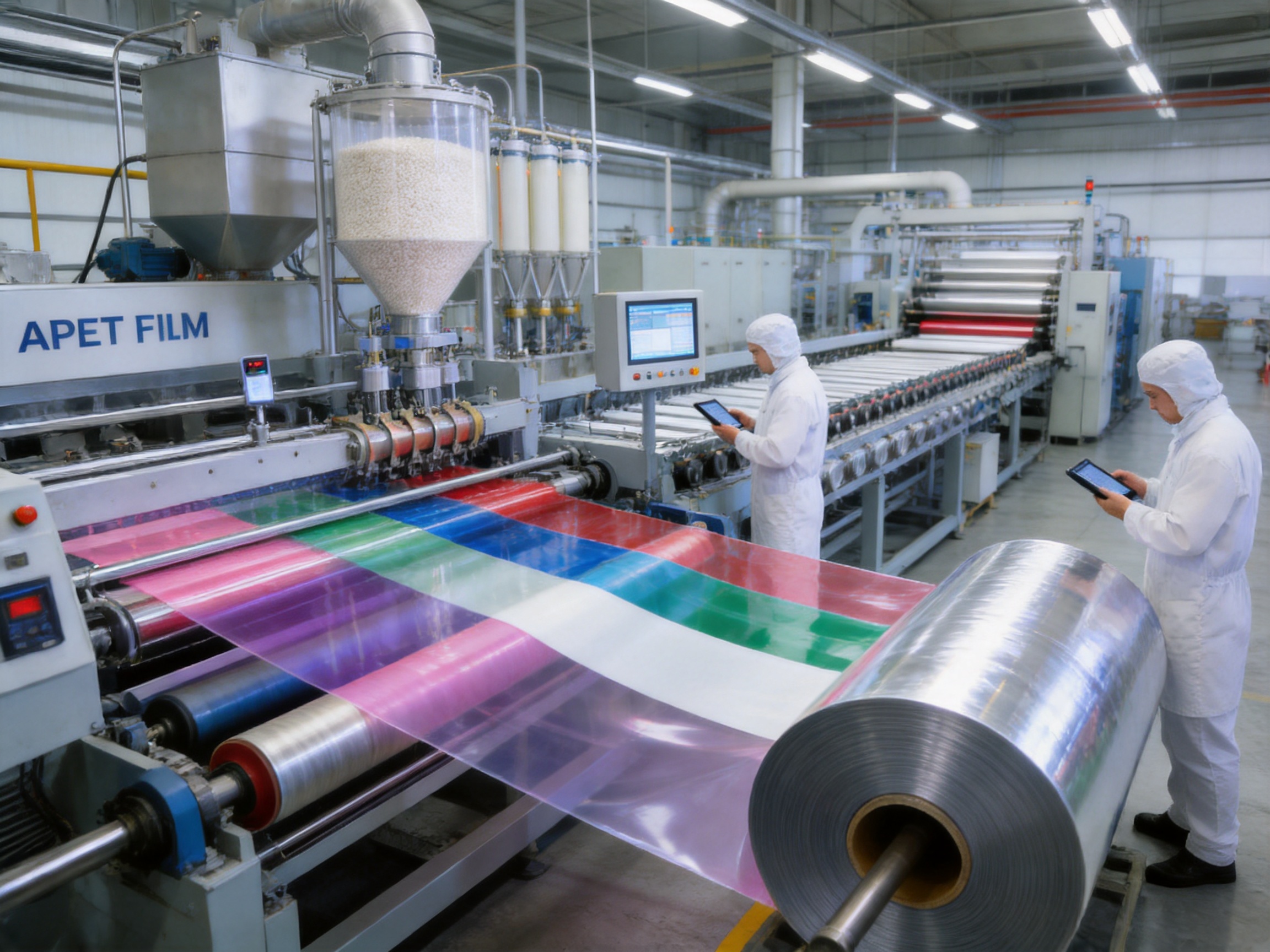
The performance of PET mirror effect and translucent color film depends not only on the polymer itself but also on the manufacturing process. Advanced production requires control from raw-material preparation through final inspection. Each stage can influence transparency, thickness, color, surface quality, winding stability, and forming performance.
Raw-Material Preparation
Manufacturing begins with the selection and preparation of suitable PET materials and approved additives or color components. Raw materials must be stored in controlled conditions to limit contamination and moisture exposure. PET is sensitive to moisture during melt processing, so drying is an important preparation step.
Proper drying reduces the risk of hydrolytic degradation during extrusion. If excessive moisture remains in the polymer, the molecular structure may be affected at processing temperatures, potentially reducing strength, clarity, and overall film quality. A controlled drying system helps prepare the material for stable extrusion and supports consistent production results.
Compounding and Color Control
For customized translucent colors, color concentrates or compatible pigments are carefully incorporated into the PET system. The formulation must be designed to maintain suitable dispersion, transparency, and processing stability. Poor dispersion can create streaks, specks, uneven color, or localized haze.
Color control is more complex in translucent film than in opaque products because light passes through the material and interacts with the background. Thickness variations can also influence perceived color density. For this reason, production teams must control both formulation and film thickness while evaluating color under consistent illumination.
For mirror-effect products, the surface or internal structure responsible for the reflective appearance must be controlled carefully. Uniformity across the usable width is important because changes in gloss or reflectivity may be visible in large panels or packaging surfaces.
Extrusion and Sheet or Film Formation
In the extrusion stage, prepared PET material is melted and transported through a controlled system before being formed into a sheet or film. Temperature, pressure, residence time, screw conditions, and filtration all influence the quality of the melt. Stable extrusion helps reduce thickness variation and surface defects.
High-quality filtration is important because foreign particles or unmelted material can create visible points and weak areas. A controlled melt flow supports better clarity and a more uniform surface. The film is then formed through suitable die and cooling equipment. Careful cooling helps establish the desired amorphous structure and supports dimensional stability.
Advanced production lines may use automated controls to monitor temperature, pressure, line speed, thickness, and other variables. Automation improves repeatability and reduces dependence on manual adjustment. It also provides production data that can be used for process analysis and continuous improvement.
Thickness and Width Control
Thickness uniformity is important for both appearance and processing. If thickness varies significantly across a roll, the material may form unevenly, display inconsistent color density, or behave differently during folding and cutting. Thickness control also influences stiffness, weight, transparency, and finished-product dimensions.
Modern lines can incorporate online thickness measurement and automatic die adjustment. These systems help detect deviations during production rather than only after the roll has been completed. Maintaining a stable profile across widths from approximately 170 to 1,350 millimeters allows the film to meet the needs of different converters and product formats.
Thickness selection should be based on the final application. Thin film may be preferred for lightweight packaging, labels, or flexible decorative elements, while thicker sheet is more suitable for trays, formed shells, rigid folding structures, and decorative panels. The available range from approximately 0.15 to 5.0 millimeters supports a broad selection of design and processing requirements.
Surface Finishing
Surface finishing is central to mirror-effect and translucent products. Gloss, smoothness, reflectivity, and transparency must be controlled according to the intended visual result. A smooth surface can enhance brightness and improve printing quality, while a controlled translucent finish can provide light diffusion and visual softness.
Surface inspection may include visual examination under standardized lighting, gloss evaluation, haze or transparency assessment, and checks for scratches, gels, streaks, and other irregularities. The inspection criteria should reflect the final use. A film for a high-visibility luxury package may require stricter cosmetic standards than a film used inside a concealed component.
Cooling, Cutting, and Winding
After forming and cooling, the film may be trimmed, slit, cut, or wound into rolls according to customer requirements. Winding tension must be controlled to prevent telescoping, wrinkles, blocking, or deformation. A well-wound roll is easier to transport, store, unwind, and process.
Edge quality is also important. Uneven or damaged edges can cause problems during feeding, printing, thermoforming, or die cutting. Controlled trimming and careful packaging help protect the material until it reaches the customer’s production line.
Final Inspection and Traceability
Before shipment, finished rolls or sheets can be inspected for dimensions, thickness, appearance, color, surface condition, winding quality, and packaging integrity. Production records and batch identification support traceability. Traceability is valuable when customers need to investigate a processing issue, repeat a color, or place a new order with the same specifications.
Quality management is most effective when it combines laboratory testing, online monitoring, operator inspection, and documented procedures. This integrated approach helps identify problems early and supports consistent output across large production volumes.
Manufacturing Strengths and Production Capacity
The manufacturer behind this product was established in 2006 and focuses on transparent plastic sheets and plastic film rolls. Its manufacturing area covers approximately 40,000 square meters, with registered capital of approximately 11.21 million U.S. dollars. The company operates one research and development team, two laboratories, 33 production lines, and more than 100 sets of machinery and equipment.
The reported annual production capacity reaches approximately 70,000 tons. This scale is important for customers that require stable supply, repeat orders, multiple thicknesses, or customized colors. Large production capacity can also help support shorter planning cycles and more efficient coordination between sampling, mass production, and delivery.
The company produces PETA, PETG, and PET-GAG products for applications including thermoforming, vacuum forming, blister packaging, and furniture decorative film panels. This material experience provides a broader technical foundation for developing and manufacturing PET-based products. Knowledge gained from different PET structures can support better recommendations for forming, surface performance, thickness selection, and application design.
More than 60 invention and utility patents are reported by the company. Patents alone do not replace production quality, but they indicate continued investment in technical development and process improvement. The company’s self-developed PETG films are used in furniture decoration panels and have received recognition in domestic and international markets, demonstrating experience in both transparent materials and decorative surface applications.
An annual turnover exceeding 70 million U.S. dollars reflects an established commercial operation with experience serving multiple markets. For international buyers, an experienced supplier can provide advantages in specification communication, export coordination, documentation, production scheduling, and after-sales support.
The company’s stated philosophy emphasizes development through quality and brand building through integrity. In practical terms, this philosophy should be reflected in consistent raw-material control, reliable production, honest specification communication, responsive technical support, and transparent cooperation with customers. These factors are important when a film is integrated into a high-volume manufacturing process.
Research and Development Support
Research and development capabilities are important for customized PET color film because different customers may require different combinations of color, thickness, gloss, transparency, forming behavior, or surface appearance. A dedicated R&D team can help evaluate new formulations, develop samples, optimize processing conditions, and address application-specific challenges.
For example, a customer may need a translucent color that remains visually consistent at a particular thickness, or a mirror-effect surface that can pass through a forming process without unacceptable distortion. Technical development helps bridge the gap between a general product specification and the actual requirements of a finished component.
Laboratories also support quality verification and process analysis. Testing can be used to examine physical properties, optical performance, dimensional behavior, and surface quality. Laboratory results help manufacturers establish internal standards and provide customers with more reliable technical information.
Scalable Supply for Global Customers
With multiple production lines and a substantial annual capacity, the supplier can support both standard products and customized orders. This is useful for packaging companies, printing businesses, stationery manufacturers, thermoforming plants, furniture-panel producers, and distributors that need regular material supply.
Global customers often require more than a product sample. They need repeatability across batches, predictable roll dimensions, stable color, suitable packaging, and communication across time zones and languages. A supplier with established export experience and organized production management is better positioned to meet these requirements.
Customers should still confirm minimum order quantities, lead times, packing methods, technical documentation, inspection procedures, and shipping terms before placing an order. Clear communication at the beginning helps avoid misunderstandings later in the project.
Applications of PET Mirror Effect and Translucent Color Film
Vacuum-Formed Trays
APET film is suitable for vacuum-forming applications such as trays. During vacuum forming, a heated sheet is shaped over or into a mold by vacuum pressure. The material must soften sufficiently for forming while retaining appropriate strength after cooling.
Trays may be used for consumer goods, electronics, cosmetics, tools, food-related products, and industrial components. A mirror-effect or translucent color surface can give the tray a more distinctive appearance than a standard clear structure. The film’s transparency and strength can also help present and protect the contents.
Successful forming depends on sheet thickness, heating uniformity, mold design, vacuum level, cooling conditions, and cycle time. Customers should test the selected film under their actual equipment settings to confirm wall thickness distribution, corner definition, surface appearance, and demolding behavior.
Bubble Shells and Blister Packaging
Blister packaging uses a formed plastic cavity to hold a product, often with a printed card or backing material. APET is suitable for this use because it combines visibility, strength, forming performance, and an attractive surface.
High transparency allows consumers to see the packaged product, while good impact resistance helps protect it during retail handling and transportation. Mirror-effect or translucent colors can be used for promotional packaging, seasonal products, cosmetics, accessories, and items that benefit from a premium appearance.
Folding resistance is also valuable in blister-related structures that include card folds, hinged elements, or secondary packaging components. The film can support a clean, professional appearance when the package is assembled and displayed.
Stationery and Printed Products
PET color film can be used in folders, covers, dividers, decorative cards, notebook components, packaging sleeves, and other stationery products. Its smooth surface and gloss can create a high-quality appearance, while translucent colors can add visual layering to printed designs.
Printing performance depends on ink system, surface energy, drying conditions, and the selected treatment. Before mass production, converters should conduct adhesion and rub-resistance tests with the intended inks and finishing processes. When properly matched, printed graphics can complement the film’s reflective or translucent appearance.
Folding Boxes
Folding boxes made with PET-based materials can provide a clear or semi-transparent alternative to paperboard or conventional plastic packaging. They allow the product to remain visible while providing a structured package with folds and locking features.
APET’s resistance to self-cracking and creasing supports folding-box designs, although the folding radius and die design remain important. Excessively sharp folds, unsuitable scoring, or incorrect processing conditions can damage any plastic film. A well-designed folding structure distributes stress and uses the material’s folding performance effectively.
Decorative Furniture and Interior Panels
Decorative PET films are increasingly considered for furniture surfaces, cabinet components, wall elements, display fixtures, and interior panels. Mirror-effect and translucent finishes can contribute to contemporary design themes, especially where reflective accents or controlled light transmission are desired.
In furniture decoration, the film may be laminated or combined with a suitable substrate. Adhesive compatibility, thermal expansion, scratch resistance, cleaning requirements, and edge finishing should be evaluated before production. PET-based decorative surfaces can help create a consistent visual finish across panels and accessories when the lamination process is properly controlled.
The company’s experience with PETG films used in furniture decorative panels provides relevant knowledge for this type of market. Although APET and PETG have different processing characteristics, experience across these products can support practical consultation for decorative-panel applications.
Displays and Promotional Materials
Retail displays must attract attention while remaining lightweight and easy to manufacture. Mirror-effect film can create a bright accent, while translucent film can be used for layered signs, illuminated displays, dividers, and decorative graphics.
Designers can combine printed areas, transparent windows, cut shapes, and reflective sections to create distinctive promotional products. The film’s available width and thickness range makes it adaptable to different display sizes and fabrication methods.
Comparison with Other Common Film Materials
Material selection should be based on the complete application rather than a single property. PET mirror effect and translucent color film offers a balanced combination of appearance, strength, clarity, and processability, but different materials may be preferred for specific conditions.
| Material characteristic | APET mirror/translucent color film | General flexible film | Paper-based packaging | Rigid conventional plastic sheet |
| Transparency | High transparency with mirror or translucent options | Varies by formulation | Generally opaque | Varies by polymer and grade |
| Folding resistance | Strong resistance to self-cracking and creasing under suitable conditions | Depends on material structure | Can crease or tear when wet or repeatedly folded | May crack if not designed for folding |
| Surface appearance | High gloss, mirror-effect, or translucent color | Matte or gloss depending on grade | Printable, usually paper-like | Depends on surface treatment |
| Forming suitability | Suitable for vacuum forming and blister structures | Often limited for rigid forming | Requires different forming methods | Depends on polymer and thickness |
| Impact performance | High strength and useful impact resistance | Often flexible but may not provide rigid protection | Can be damaged by impact or moisture | Can be strong but may be heavier |
| Low-temperature behavior | Can withstand temperatures down to several tens of degrees Celsius below zero without becoming brittle, subject to grade and conditions | Varies widely | Performance depends on moisture and structure | Varies widely by polymer |
The comparison shows why APET is attractive for applications that require a combination of visual quality and mechanical performance. Flexible films may be easier to bend but may not provide the same rigidity or forming capability. Paper-based materials offer printability and a familiar appearance but may be less suitable for transparent, moisture-sensitive, or three-dimensional packaging. Other rigid plastics may provide strength but can be heavier, less transparent, or less suitable for folding.
APET should not be viewed as a universal replacement for every material. Instead, its value lies in the specific balance it offers. Where transparency, gloss, forming, folding, strength, and decorative appearance are needed together, it can be a strong candidate for evaluation.
Processing Recommendations for Converters
Storage
Film should be stored in a clean, dry environment away from direct sunlight, excessive heat, moisture, chemicals, and sharp objects. Rolls should remain in their protective packaging until they are ready for use. Correct storage helps preserve surface quality and reduces the risk of contamination or deformation.
Pre-Production Testing
Before full-scale production, converters should test the film using their actual equipment, tooling, inks, adhesives, and assembly methods. Testing should include forming, folding, printing, cutting, sealing, lamination, and stacking when these operations are part of the final process.
Sample testing is particularly important for customized colors and mirror-effect products. Optical appearance may change depending on lighting, background, forming depth, surface contact, and viewing angle. A physical approval sample provides a more reliable reference than a digital image alone.
Thermoforming and Vacuum Forming
Heating should be uniform across the sheet or film. Uneven heating can result in inconsistent stretching, thin corners, distorted color density, or uneven surface appearance. Mold temperature, vacuum level, forming speed, and cooling should be adjusted according to the selected thickness and product geometry.
Deep draws and sharp corners require careful design because stretching can change the local thickness and visual appearance. Where a mirror-effect surface is used, distortion may be more noticeable. Design engineers should evaluate the relationship between forming depth, radius, and the desired appearance before finalizing tooling.
Printing
Printing performance depends on surface energy and ink compatibility. The converter should confirm whether surface treatment is required and conduct adhesion, abrasion, drying, and environmental-resistance tests. Ink manufacturers can provide guidance for suitable systems.
Mirror-effect surfaces may alter the appearance of printed colors. Transparent or translucent inks can produce special visual effects, while opaque inks may be needed to achieve strong coverage. Test panels should be viewed under the lighting conditions expected in the market.
Die Cutting and Folding
Sharp, properly maintained dies support clean cutting and reduce edge damage. Folding lines should be designed with suitable radii and scoring conditions. Excessive pressure or an unsuitable folding direction can produce stress marks even when the base film has good folding resistance.
For high-speed production, feeding tension and alignment should be monitored. Stable roll winding and consistent thickness help reduce feeding problems and improve productivity.
How to Select the Correct Specification
Customers should begin by defining the final product rather than selecting a film based only on color or appearance. Important questions include whether the material must be thermoformed, folded, printed, laminated, sealed, exposed to cold temperatures, or used in a high-visibility environment.
Thickness should be selected according to structural needs, forming depth, stiffness, folding requirements, and total product weight. Width should match the equipment and nesting layout to reduce trim waste. Color should be evaluated using physical samples under agreed lighting conditions. Surface finish should be selected according to the desired balance between gloss, reflection, transparency, and visual softness.
Buyers should also clarify roll length, core dimensions, packaging method, tolerances, inspection standards, and batch consistency requirements. For repeat projects, maintaining a detailed specification record helps ensure that future orders match the approved sample.
Why Choose an Experienced PET Manufacturer?
An experienced PET manufacturer can contribute more than a basic material supply. It can provide assistance with product selection, color development, thickness recommendations, forming trials, packaging specifications, and production planning. This technical support can reduce the time required to move from concept to stable mass production.
A supplier with a broad PET product portfolio may also understand the differences between APET, PETG, and PET-GAG materials. This knowledge can help customers choose the most appropriate structure for clarity, forming, surface performance, impact resistance, or decorative use.
Manufacturing scale is another important consideration. Multiple production lines and substantial capacity can support larger programs while allowing the supplier to manage different product specifications. Laboratories and R&D resources can help investigate quality concerns and develop customized solutions.
For international customers, supplier reliability also includes communication, documentation, delivery planning, packaging protection, and responsive problem solving. A technically capable manufacturer that maintains clear records and consistent procedures can become a long-term partner rather than a one-time material vendor.
Q&A
What is the main purpose of PET mirror effect and translucent color film?
The film is designed to provide a combination of decorative appearance and practical performance. It can offer a reflective mirror effect or a translucent colored appearance while maintaining useful transparency, gloss, strength, folding resistance, and forming suitability.
What does APET mean?
APET means amorphous polyethylene terephthalate. It is a transparent PET structure commonly used for sheets and films because it provides high clarity, surface gloss, strength, and suitability for forming applications.
Can the film be customized in color?
Yes. Customized colors are available. Color development should be confirmed through physical samples and evaluated under agreed lighting conditions because transparency, thickness, gloss, and background can influence the final appearance.
What thicknesses are available?
The supplied specification indicates an approximate thickness range of 0.15 to 5.0 millimeters. The correct thickness depends on the intended application, forming depth, stiffness, folding design, optical requirements, and processing equipment.
What widths are available?
The supplied width range is approximately 170 to 1,350 millimeters. Specific usable widths should be confirmed according to the production line, roll format, edge tolerances, and order requirements.
Is the film suitable for vacuum forming?
Yes. Vacuum forming is one of the listed applications. It may be used for trays, bubble shells, blister structures, and other formed products. Actual results depend on the material thickness, mold design, heating profile, vacuum conditions, and cooling process.
Can it be used for blister packaging?
Yes. APET film is suitable for blister packaging where product visibility, forming performance, impact resistance, and an attractive surface are needed. Mirror-effect and translucent colors can provide alternatives to conventional clear blister packaging.
Does APET resist cracking when folded?
APET has excellent folding resistance and does not exhibit self-cracking or creasing like some other materials under suitable conditions. Folding radius, scoring, temperature, thickness, and tooling still need to be considered during product design.
Is the material suitable for cold environments?
The supplied product information states that APET can withstand temperatures down to several tens of degrees Celsius below zero without becoming brittle. The exact performance should be confirmed for the selected grade, thickness, exposure period, and application conditions.
Can the film be printed?
Printing is one of the listed applications. The converter should confirm ink compatibility, surface treatment, adhesion, drying, abrasion resistance, and the effect of the film’s reflective or translucent appearance on printed colors.
What is the difference between mirror-effect and translucent film?
Mirror-effect film is intended to provide a reflective, bright surface. Translucent film allows light to pass through while softening or partially obscuring the view behind it. Both can be supplied in customized colors, but they create different visual effects and should be selected according to the design objective.
What information should be provided when requesting a quotation?
Customers should provide the required material type, color, surface finish, thickness, width, roll or sheet format, estimated quantity, application, processing method, packaging needs, and delivery destination. Providing drawings or sample references can also improve quotation accuracy.
How should customers verify suitability before mass production?
Customers should request samples and test them using the actual forming, printing, folding, cutting, laminating, or assembly equipment. Appearance should be checked under representative lighting, while physical performance should be evaluated under realistic handling and environmental conditions.
Conclusion
PET mirror effect and translucent color film provides a practical solution for manufacturers seeking both strong technical performance and distinctive visual design. Its APET structure offers high transparency, attractive gloss, excellent folding resistance, useful strength, impact resistance, and low-temperature performance. The available mirror-effect and translucent finishes expand its value beyond ordinary clear film and allow it to support premium packaging, decorative products, printed materials, displays, stationery, folding boxes, and formed components.
The material’s advantages are strengthened by controlled manufacturing. Proper drying, compounding, extrusion, filtration, cooling, thickness control, surface finishing, winding, and inspection all contribute to a reliable finished product. A supplier with substantial production capacity, multiple production lines, laboratories, an R&D team, broad PET experience, and a significant patent portfolio can provide the technical foundation required for customized and repeat production.
For the best result, customers should define their final application clearly, select the appropriate thickness and width, approve physical color samples, and conduct processing trials before mass production. When material selection and manufacturing conditions are properly matched, PET mirror effect and translucent color film can deliver a strong combination of appearance, performance, efficiency, and design flexibility.
References
1. Product specification information for PET Mirror Effect and Translucent Color Film, including APET advantages, dimensions, finishes, and applications.
2. General technical literature on polyethylene terephthalate, amorphous PET, thermoforming, vacuum forming, and transparent packaging materials.
3. General guidance on plastic film extrusion, polymer drying, melt filtration, thickness control, cooling, winding, and quality inspection.
4. General packaging engineering references covering blister packaging, folding boxes, trays, bubble shells, and retail display structures.
5. General materials-selection references concerning optical properties, impact resistance, folding performance, low-temperature behavior, and decorative plastic surfaces.
6. Manufacturer-provided company information concerning production capacity, research and development, laboratories, equipment, PET-based product experience, and patent development.