 English
 Español

Zhongsheng
Zhongsheng
Zhongsheng
Zhongsheng
Zhongsheng
Zhongsheng
Zhongsheng
Zhongsheng
Zhongsheng
Zhongsheng
Zhongsheng
Zhongsheng
Zhongsheng
Zhongsheng
Zhongsheng
Introduction
Modern interior design increasingly depends on materials that combine visual refinement, long-term performance, and responsible manufacturing. Decorative surfaces are no longer selected only for color or pattern. Architects, furniture manufacturers, interior contractors, and building-material distributors now expect surface films to deliver a balanced combination of sophisticated appearance, tactile quality, scratch resistance, stain resistance, dimensional stability, water resistance, and ease of maintenance.
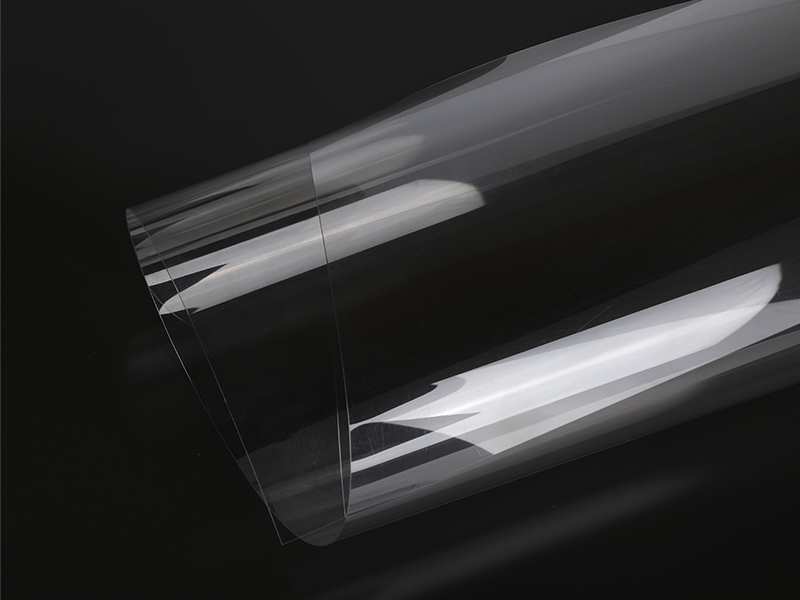
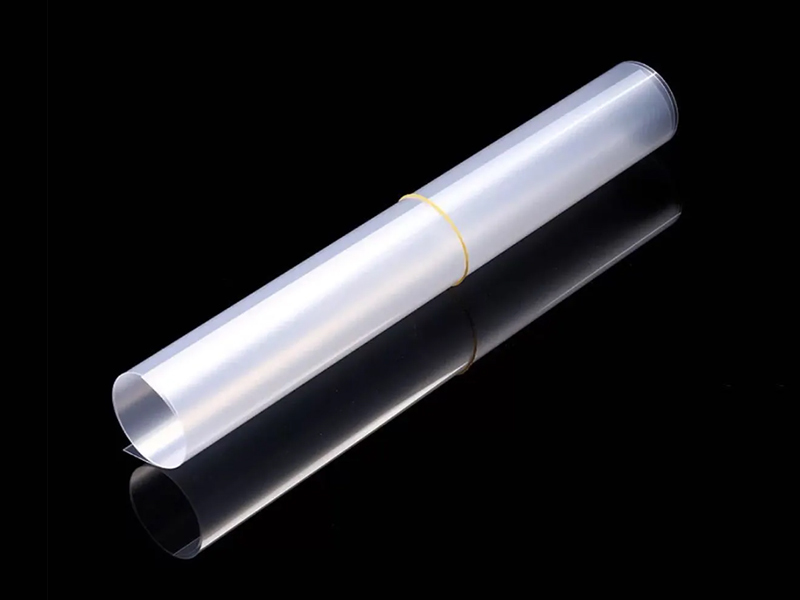
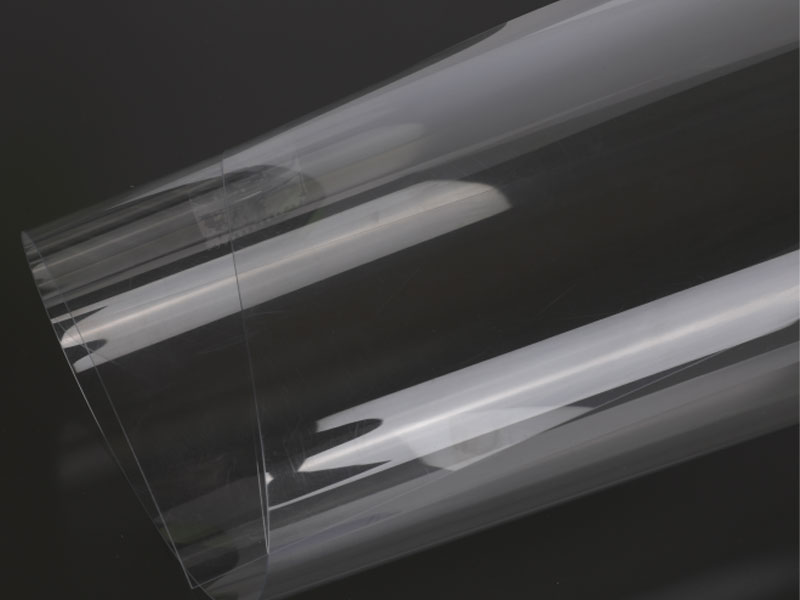
The Super Matt EB Self-Decorative Repairable Film is designed to meet these changing requirements. Developed for application on wall panels, furniture panels, wardrobe doors, kitchen cabinets, bathroom cabinets, door boards, commercial decoration panels, and other interior surfaces, this PETG-based decorative film provides a refined super-matte appearance while supporting practical requirements in demanding environments.
Its design is centered on the NCT surface treatment process, a next-generation decorative film technology described as using deep ultraviolet nanotechnology. The process is intended to create a healthier, more environmentally responsible, formaldehyde-free decorative surface with improved resistance to scratches, wear, stains, and everyday cleaning. The repairable surface characteristic further distinguishes the product by helping preserve the appearance of finished panels during daily use.
Manufactured by ZheJiang ZhongSheng New Materials Co., Ltd., the film benefits from the resources of an established PET industry specialist with a large manufacturing area, extensive production capacity, dedicated research and development resources, laboratories, and a broad portfolio of production equipment. The company’s experience in PET, PETG, and PET-GAG materials supports the development of films for both packaging and decorative applications.
This article examines the product’s material characteristics, decorative advantages, application potential, manufacturing strengths, quality considerations, and commercial value. It also explains how the Super Matt EB Self-Decorative Repairable Film can help manufacturers and project owners create modern interior products that are attractive, durable, easy to maintain, and suitable for large-scale production.
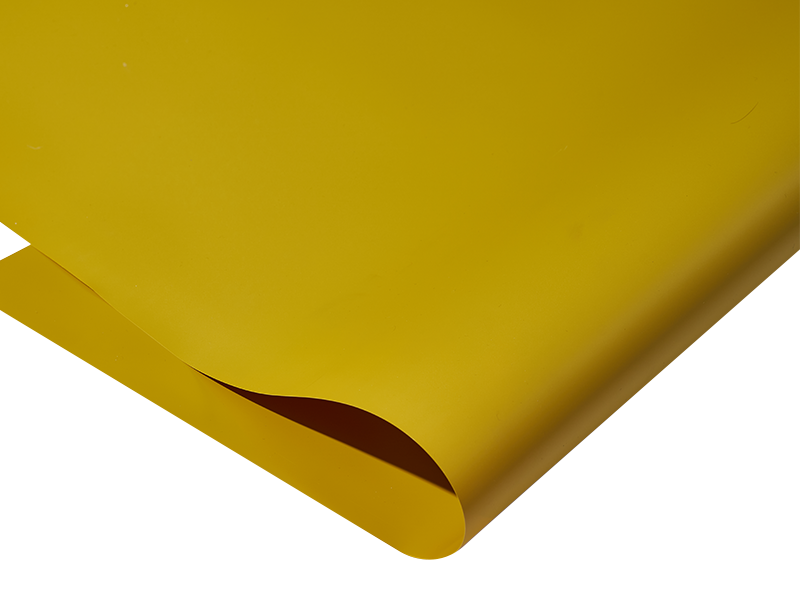
Super Matt EB Self-Decorative Repairable Film
Product Overview
The Super Matt EB Self-Decorative Repairable Film is a decorative PETG film with a super-matte surface and a range of performance characteristics intended for panel lamination. Its primary role is to serve as a finishing layer for substrates used in residential, hospitality, office, retail, healthcare, and commercial interiors.
The product is available in thicknesses from 0.16 to 0.5 millimeters. This range allows users to select an appropriate film structure according to the project’s forming requirements, substrate design, visual expectations, and application method. A thinner grade may be appropriate where flexibility and material efficiency are important, while a thicker grade may be preferred when a more substantial surface feel or additional handling strength is required.
The regular width is 1,250 millimeters, with customized widths available for specific production requirements. This width is suitable for many panel manufacturing lines and can help reduce unnecessary material waste when matched with standard board dimensions. Customized supply can also support manufacturers with specialized panel sizes or automated laminating equipment.
Color selection can be based on PANTONE references or customized according to project requirements. This provides flexibility for furniture brands, interior designers, contractors, and distributors that need to coordinate decorative panels with a broader design scheme. The product can be used for understated neutral interiors, contemporary monochromatic spaces, warm residential environments, or more distinctive commercial concepts.
| Item | Product Information |
|---|---|
| Product type | PETG EB decorative film |
| Surface finish | Super matt |
| Thickness | 0.16 to 0.5 millimeters |
| Standard width | 1,250 millimeters |
| Color selection | PANTONE reference or customized color |
| Primary applications | Wall panels, furniture panels, wardrobes, kitchen cabinets, door boards, bathroom cabinets, and commercial decoration |
| Key characteristics | Repairable, stain-resistant, color-stable, waterproof, impact-resistant after laminating, weather-resistant, and environmentally responsible |
Why the Super-Matte Surface Matters
Super-matte finishes have become increasingly important in contemporary architecture and furniture design. Unlike high-gloss surfaces, which reflect strong highlights and can reveal fingerprints, glare, and minor surface irregularities, a super-matte finish creates a softer and more controlled visual effect.
The low-reflection appearance can contribute to a calm, elegant, and tactile interior atmosphere. It is particularly suitable for minimalist furniture, modern kitchen systems, built-in wardrobes, hotel interiors, office partitions, wall cladding, and retail displays. The finish can make large surfaces appear more refined because it reduces visual distraction and creates a consistent appearance across the panel.
A super-matte surface also helps designers coordinate multiple interior elements. It can be combined with woodgrain structures, stone-inspired materials, metal details, glass, lighting systems, and textured fabrics. Neutral matte colors can provide a stable foundation for a design, while customized colors can support brand-specific interiors or coordinated furniture collections.
In practical use, a matte surface must do more than look attractive. It must resist the marks and surface damage associated with handling, installation, cleaning, and repeated daily contact. The Super Matt EB Self-Decorative Repairable Film is therefore developed with a group of supporting performance features, including stain resistance, wear resistance, water resistance, and repairability.
NCT Surface Treatment Technology
NCT is presented as an advanced decorative film surface treatment process manufactured using deep ultraviolet nanotechnology. In the context of this product, the treatment is intended to improve the functional behavior of the decorative surface while maintaining the visual depth and refined feel expected from a premium super-matte finish.
The importance of a surface treatment process lies in the fact that the outermost layer of a decorative film experiences the greatest amount of contact with the environment. It may be exposed to friction, dust, fingerprints, food residue, moisture, cleaning agents, sunlight, and occasional impact. A well-designed surface treatment can help the film retain its appearance and functional performance throughout its service life.
The NCT approach is associated with several user-focused benefits. These include a formaldehyde-free decorative solution, scratch resistance, wear resistance, stain resistance, ease of cleaning, and a more environmentally responsible material profile. These characteristics are especially valuable in interior products where appearance, hygiene, and maintenance are closely connected.
For furniture manufacturers, the value of the treatment is not limited to the finished panel. A stable and functional film surface may also help reduce complaints related to visible marks, difficult cleaning, premature visual aging, or inconsistent appearance. For project owners, it can contribute to lower maintenance demands and a more consistent interior presentation.
The treatment is also positioned as part of a broader transition toward healthier and more sustainable decorative materials. As consumers become more attentive to indoor environmental quality, manufacturers are under pressure to provide materials that reduce unnecessary chemical concerns and support responsible building practices. A film promoted as formaldehyde-free and environmentally responsible can help meet these expectations when used within an appropriate panel system and verified according to relevant testing requirements.
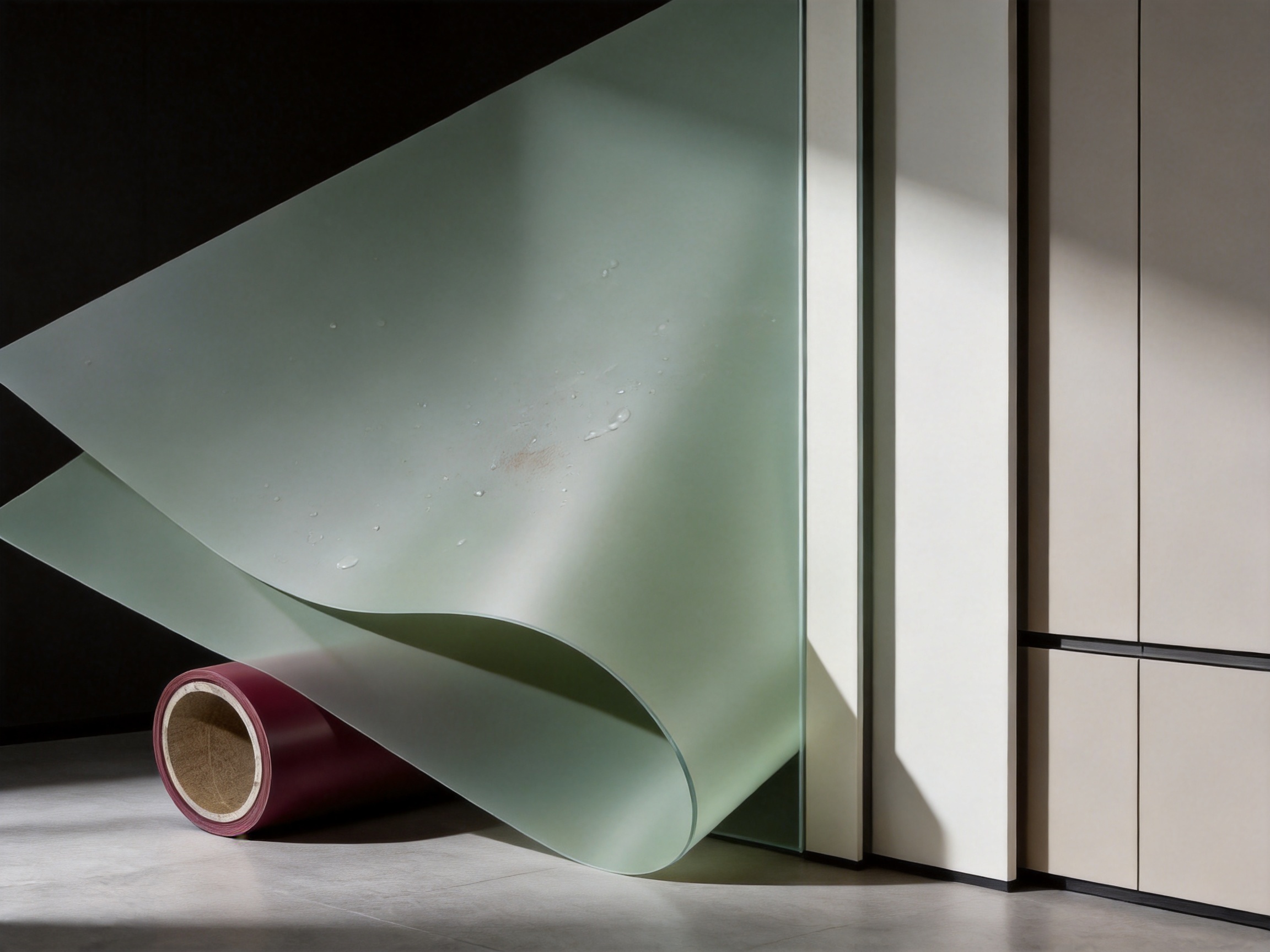
Key Performance Advantages
Repairable Surface Performance
Repairability is one of the product’s most distinctive characteristics. In daily use, decorative panels may experience minor marks, light scuffs, or superficial surface disturbances. A repairable finish can help reduce the visual impact of certain minor defects and extend the attractive appearance of the finished panel.
This feature is valuable in homes with active daily use, particularly around kitchen cabinets, wardrobes, doors, and high-contact furniture. It is also useful in commercial settings where fixtures and panels are frequently touched, moved, cleaned, or exposed to installation activity. While repairability does not mean that the film is immune to all types of damage, it can provide a practical advantage over ordinary decorative surfaces that permanently retain every minor mark.
For manufacturers and distributors, repairability can become an important product differentiator. It provides a clear functional message that can be communicated to furniture brands, project developers, interior designers, and end users. It also supports a longer-life approach to decorative products by helping maintain the usefulness and appearance of panels over an extended period.
Stain Resistance and Easy Cleaning
Stain resistance is essential for surfaces used in kitchens, bathrooms, hospitality interiors, restaurants, offices, showrooms, and retail environments. Decorative panels in these spaces may come into contact with water, oil, beverages, dust, cosmetics, cleaning products, and other common contaminants.
The Super Matt EB Self-Decorative Repairable Film is designed to resist staining and support easier cleaning. A surface that can be cleaned efficiently may reduce the time and labor required for routine maintenance. It can also help prevent the gradual accumulation of marks that makes a decorative panel appear old or poorly maintained.
Easy cleaning is particularly important for super-matte materials because designers and consumers expect a soft, elegant appearance without accepting excessive maintenance requirements. The film’s surface technology aims to balance the visual appeal of a low-gloss finish with the practical benefit of convenient daily care.
Scratch and Wear Resistance
Furniture panels are exposed to repeated contact throughout their useful life. Doors open and close, objects are placed on surfaces, clothing and bags rub against wardrobes, and cleaning activities create repeated friction. Without adequate wear resistance, decorative films may lose their visual quality prematurely.
The NCT-treated surface is designed to improve resistance to scratches and wear. This helps the film retain its color and surface character in applications where contact is frequent. It is an important consideration for cabinet doors, wall panels in public areas, reception counters, commercial fixtures, and other interior products that must maintain a finished appearance under repeated use.
Resistance to wear does not eliminate the need for suitable handling, correct cleaning procedures, and proper installation. However, it provides an additional layer of protection that can improve the practical value of the laminated panel when compared with less advanced decorative finishes.
Color Stability
Color stability is a major factor in decorative material quality. A panel may be mechanically sound, but if its color changes noticeably over time, the overall appearance of the installation can be compromised. This is particularly important where multiple panels are installed together or where the same color is used across doors, cabinets, wall systems, and furniture.
The product is specified as color-stable, supporting a consistent visual appearance during normal use. Stable color helps furniture manufacturers achieve uniformity across production batches and helps project contractors maintain a coherent design across larger spaces.
Color stability also benefits distributors and showrooms. When a sample, production panel, and completed project maintain a close visual relationship, customers can make purchasing decisions with greater confidence. Customized colors can further support brand identity and project-specific design requirements.
Water Resistance
Water resistance is important in kitchens, bathrooms, utility spaces, hospitality facilities, and commercial interiors. Moisture can affect both the decorative surface and the underlying panel if the material system is not selected and processed correctly.
The Super Matt EB Self-Decorative Repairable Film is described as waterproof, making it suitable for applications where routine exposure to moisture is expected. When properly laminated to an appropriate substrate and sealed at edges and joints, the film can contribute to a more durable and easier-to-maintain panel system.
Water resistance should always be considered as part of the complete construction. The substrate, adhesive, edge treatment, panel design, and installation method all influence final performance. Nevertheless, a water-resistant decorative film provides a strong foundation for moisture-conscious interior applications.
Impact Strength After Laminating
The product is also characterized by good impact strength when laminating. This is significant because a decorative film must remain intact and visually uniform during the conversion process. It must pass through handling, positioning, pressure, and bonding operations without unnecessary tearing, wrinkling, or surface damage.
Good impact strength can support more reliable production and reduce material losses caused by handling defects. It may also improve the durability of the finished panel when the film is bonded correctly to a suitable substrate.
For large-volume manufacturers, this characteristic can contribute to greater process efficiency. Fewer defects may mean improved yield, more predictable production scheduling, and lower waste. The actual result will depend on the laminating equipment, temperature, pressure, adhesive system, substrate condition, and operator settings, but film toughness remains a critical part of overall manufacturing performance.
Weather Resistance
Although the primary applications are interior decorative panels, weather resistance can be valuable in environments with temperature changes, humidity variation, transportation exposure, or areas close to exterior openings. It may also support selected semi-exposed decorative applications, subject to project-specific testing and installation requirements.
Good weather resistance helps the film remain more stable when exposed to normal environmental fluctuations. This can support consistent appearance during storage, transportation, installation, and service. For distributors serving multiple regions, environmental stability can be an important consideration because products may be shipped and installed in different climatic conditions.
Advantages Compared with Conventional Decorative Films
Many conventional decorative films offer attractive colors and patterns, but their performance may be limited by surface sensitivity, difficult maintenance, low resistance to scratches, or poor visual stability. The Super Matt EB Self-Decorative Repairable Film is intended to provide a more comprehensive solution by combining design quality with functional performance.
Its super-matte finish creates a more contemporary appearance than traditional glossy films. Its repairable surface addresses minor daily damage more effectively than a standard unmodified surface. Its stain resistance and cleaning characteristics can reduce maintenance concerns. Its color stability supports more consistent interior installations. Its waterproof nature expands its suitability for moisture-prone areas, while its impact strength during laminating supports efficient panel production.
Another advantage is the balance between customization and standardization. Customers can use the regular 1,250-millimeter width for common production requirements or request customized dimensions. Colors can be selected according to PANTONE references or developed for specific projects. This gives manufacturers a way to create differentiated products without abandoning the efficiency of an established film-converting process.
| Comparison factor | Conventional decorative film | Super Matt EB Self-Decorative Repairable Film |
|---|---|---|
| Visual finish | Often standard gloss or basic matte | Refined super-matte appearance |
| Minor surface damage | May remain permanently visible | Repairable surface designed to reduce the impact of minor marks |
| Cleaning performance | Varies by surface treatment | Stain-resistant and designed for easier cleaning |
| Scratch and wear resistance | Dependent on basic film construction | Enhanced through NCT surface treatment |
| Color selection | Usually limited to stocked colors | PANTONE-based or customized color options |
| Moisture resistance | Depends strongly on material and structure | Specified as waterproof for suitable laminated applications |
| Production flexibility | May have fixed widths and thicknesses | 0.16 to 0.5 millimeter thickness range and standard or customized width |
| Environmental positioning | Varies by formulation and process | Promoted as formaldehyde-free and environmentally responsible |
Applications in Interior Design and Panel Manufacturing
Wall Panels
Wall panels are one of the most visible applications for decorative films. A wall system must often cover a large area, making color consistency, surface uniformity, and resistance to daily contact especially important. The super-matte finish can create a calm architectural background for residential and commercial interiors.
The film may be laminated onto suitable wall-panel substrates to produce clean, contemporary surfaces for living rooms, bedrooms, corridors, offices, hotels, and retail areas. Its stain resistance and easy-cleaning characteristics are valuable in public spaces where walls may be touched or exposed to dust and frequent maintenance.
Wardrobe and Storage Panels
Wardrobes and storage systems benefit from a decorative finish that is visually attractive and resistant to repeated handling. Doors are opened and closed frequently, while clothing, bags, and household objects can come into contact with the surface.
The repairable and wear-resistant characteristics of the film can help preserve the appearance of wardrobe doors. The super-matte look is also well suited to built-in storage because it creates a visually integrated appearance across large door surfaces without excessive glare.
Kitchen Cabinets
Kitchen cabinets require a combination of stain resistance, water resistance, easy cleaning, and durable appearance. Grease, steam, food residue, moisture, and frequent hand contact are common conditions in this environment.
The Super Matt EB Self-Decorative Repairable Film can be laminated onto suitable kitchen cabinet panels to create a refined finish with practical maintenance benefits. Customized colors can support a wide range of kitchen styles, from soft neutral schemes to darker contemporary designs.
Bathroom Cabinets
Bathroom furniture is regularly exposed to humidity, splashing water, cleaning products, and temperature changes. A waterproof decorative film can contribute to a more suitable surface solution when combined with a moisture-resistant substrate and properly sealed construction.
The super-matte finish can provide a modern appearance for vanity units, storage cabinets, wall panels, and other bathroom furnishings. Easy cleaning is especially valuable in this setting because hygiene and surface maintenance are key considerations.
Door Boards
Interior doors are high-contact products. They are touched, opened, closed, cleaned, and exposed to impact more often than many other decorative surfaces. A film with good wear resistance, color stability, and repairability can help doors retain their appearance during long-term use.
The film may be used for bedroom doors, office doors, cabinet doors, wardrobe doors, and decorative door boards. Its customized color capability can help coordinate doors with wall systems, furniture, flooring, and other interior finishes.
Commercial Decoration
Commercial spaces often require decorative materials that combine appearance with efficient maintenance. Retail stores, hotels, restaurants, offices, showrooms, and public facilities need finishes that remain presentable under repeated use.
The product’s stain resistance, ease of cleaning, impact strength after laminating, and modern super-matte appearance make it a strong option for selected commercial panel applications. Its availability in customized colors can also support branded interiors and coordinated commercial environments.
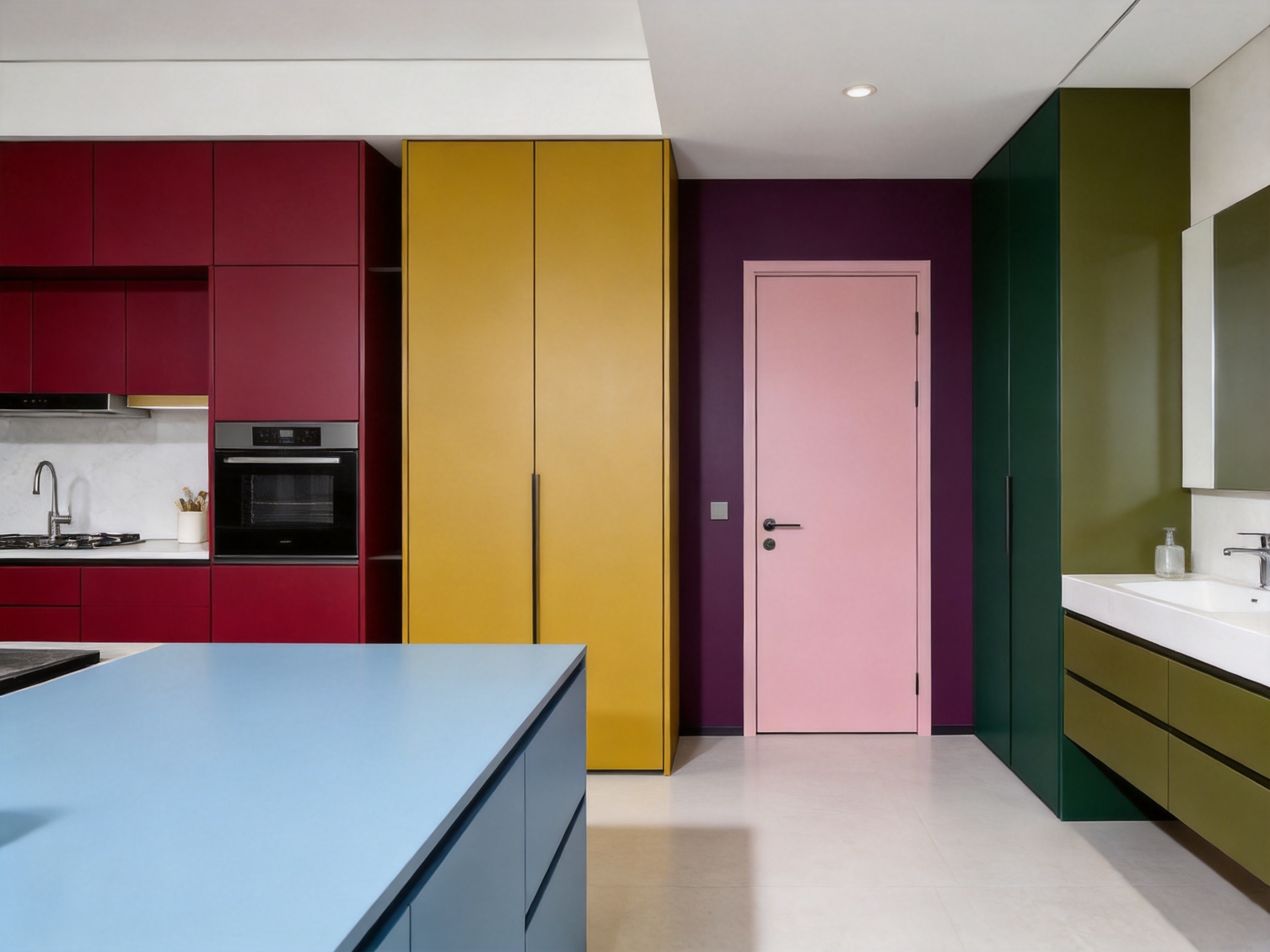
Manufacturing Capabilities and Company Strengths
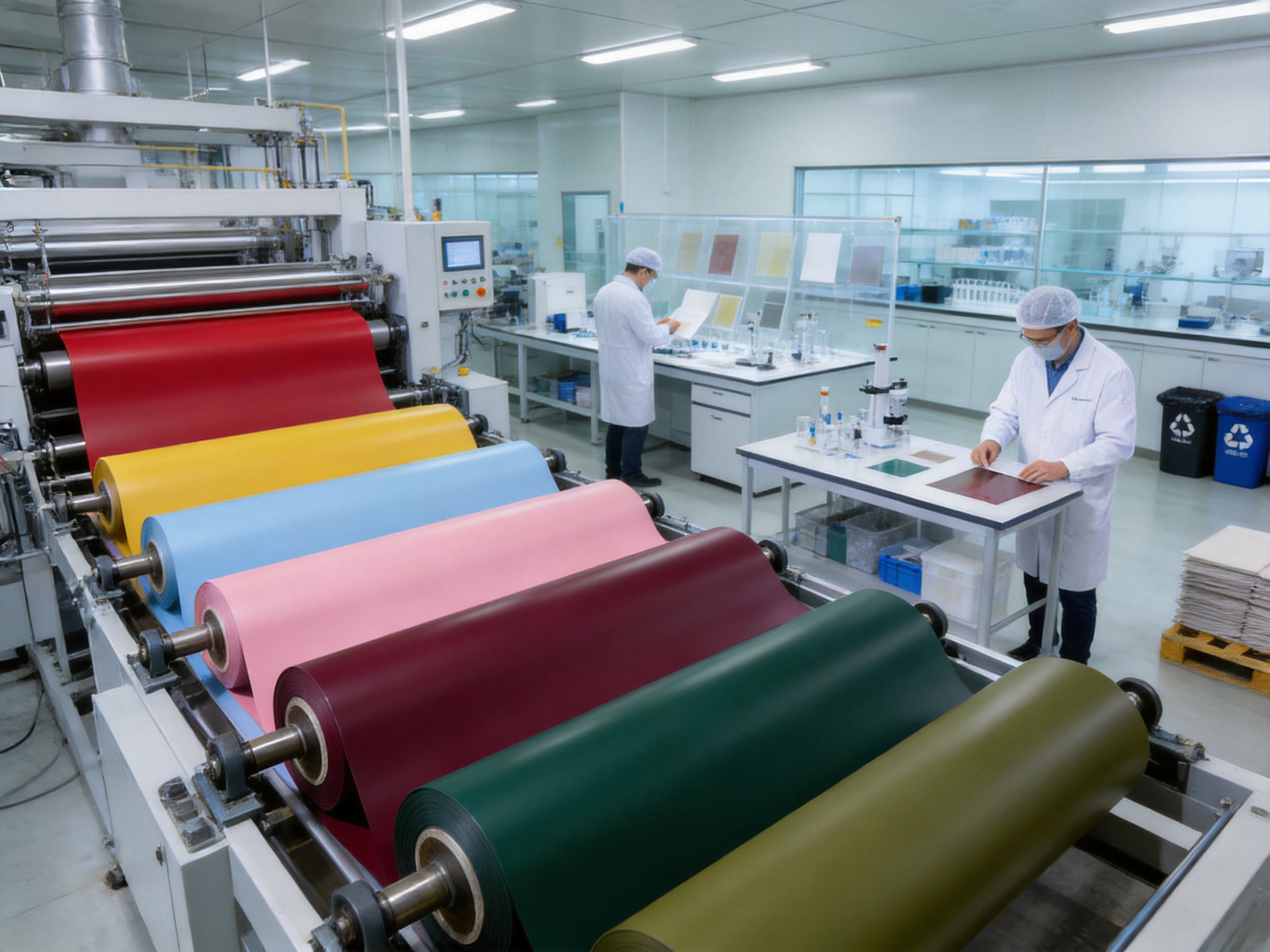
The performance of a decorative film depends not only on its design concept but also on the manufacturing system behind it. Consistent thickness, reliable surface treatment, stable color, clean production conditions, accurate winding, and effective quality control are all necessary for a film to perform well in panel production.
ZheJiang ZhongSheng New Materials Co., Ltd. was established in 2006 and has focused on the PET industry for more than 16 years. The company operates a manufacturing area of approximately 40,000 square meters and has registered capital of approximately 11.21 million United States dollars. These resources provide a substantial foundation for research, production, quality management, and customer support.
The company has one research and development team, two laboratories, 33 production lines, and more than 100 sets of machinery and equipment. A production structure of this scale can support a range of materials, thicknesses, widths, and product specifications. It also provides the capacity needed to serve customers with recurring volume requirements.
Annual production capacity is stated at approximately 70,000 tons. This capacity includes PETA, PETG, and PET-GAG products used in thermoforming, vacuum forming, blister packaging, and furniture decorative film panels. Experience across multiple PET-related applications can strengthen the company’s understanding of polymer processing, film formation, material behavior, and downstream customer requirements.
The company reports annual turnover exceeding 70 million United States dollars and owns more than 60 invention and utility patents. These figures indicate a sustained commitment to industrial development, process improvement, and product innovation. For customers, a strong technical and production base can reduce dependence on a single product line and provide greater confidence in long-term supply.
Self-developed PETG films are used in furniture decoration panels and have received recognition in domestic and international markets. This experience is directly relevant to the Super Matt EB Self-Decorative Repairable Film because decorative panel production requires a detailed understanding of surface appearance, lamination behavior, film handling, and end-use performance.
Advanced Manufacturing Process Considerations
Material Preparation
Consistent raw-material preparation is an essential starting point for PETG film production. Material selection and preparation influence optical quality, thickness uniformity, mechanical performance, forming behavior, and surface compatibility. Proper control at this stage supports the stability of later processing steps.
For decorative films, material preparation must also consider the final visual result. Small variations in contamination, moisture, or material quality can affect the appearance of a super-matte surface. A controlled production environment and appropriate material-handling procedures are therefore important for achieving clean and consistent film.
Film Formation and Thickness Control
Film formation requires accurate control of processing conditions so that the final material maintains a uniform thickness across its width and along its length. Thickness consistency supports predictable lamination, stable appearance, and reliable conversion into finished panels.
The product’s thickness range of 0.16 to 0.5 millimeters provides flexibility for different application requirements. The manufacturing system must be capable of controlling these specifications while maintaining surface quality and mechanical performance. Reliable thickness control also helps customers optimize adhesive consumption, pressure settings, cutting operations, and panel design.
Surface Treatment
The NCT surface treatment is central to the product’s identity. The treatment is intended to produce the super-matte appearance and support resistance to scratches, wear, and stains. Deep ultraviolet nanotechnology is described as part of this advanced surface-treatment approach.
Surface treatment must be carefully controlled because it influences the film’s tactile quality, visual uniformity, cleaning performance, and interaction with the underlying film structure. The objective is to create a consistent surface across the entire roll so that laminated panels have a uniform appearance from one production batch to another.
Color Management
Color management is especially important for decorative materials. Customers may require a specific PANTONE reference, a project-developed color, or a repeat order that matches an earlier production batch. Accurate formulation, processing control, sampling, and inspection all contribute to better color consistency.
Customized colors expand the product’s commercial potential. Furniture brands can develop signature finishes, contractors can coordinate multiple materials within a project, and designers can create differentiated interior schemes. A capable supplier must combine color development expertise with production repeatability to make customization commercially practical.
Quality Inspection and Laboratory Support
Laboratories provide an important support function for material development and quality control. Testing can help evaluate appearance, thickness, color, adhesion compatibility, stain resistance, scratch resistance, water resistance, dimensional behavior, and other characteristics relevant to the customer’s application.
The company’s two laboratories and dedicated research and development team support the ongoing improvement of PET, PETG, and PET-GAG products. Laboratory resources also help manufacturers investigate production issues and adjust product specifications for different laminating systems or panel substrates.
Production Scale and Supply Reliability
A large number of production lines and substantial annual capacity can benefit customers that need consistent supply for furniture programs, construction projects, retail rollouts, and distributor inventories. Production scale can also support better scheduling flexibility when customers require multiple specifications or customized colors.
Supply reliability is particularly important for decorative materials because a project may involve large quantities of matching panels. Delays, inconsistent color, or variation in surface appearance can affect installation schedules and final project quality. A manufacturer with broad equipment resources and established PET industry experience is better positioned to support repeat orders and larger projects.
Environmental and Health Considerations
Environmental responsibility has become a central concern in decorative building materials. Customers increasingly seek products that support healthier indoor environments, reduce unnecessary emissions, and align with green-building objectives.
The product is promoted as formaldehyde-free and environmentally friendly. These characteristics respond to concerns about indoor air quality and the use of decorative materials in homes, offices, schools, hotels, healthcare environments, and commercial buildings. However, the complete environmental profile of a finished panel also depends on the substrate, adhesive, ink, coating, manufacturing process, transportation, installation, and disposal route.
For this reason, professional buyers should evaluate the complete panel system rather than considering the film in isolation. They may request technical data, safety information, test reports, and project-specific compliance documentation where necessary. Proper product selection and correct processing remain important for achieving the intended health and environmental performance.
The film’s durability can also support a more sustainable use model. When a decorative surface remains attractive for longer and can be maintained through cleaning or minor repair, the frequency of replacement may be reduced. Longer service life can help lower material consumption and minimize the waste associated with premature refurbishment.
Processing and Lamination Guidance
Successful use of the Super Matt EB Self-Decorative Repairable Film depends on a suitable lamination process. The substrate should be clean, dry, flat, and free from dust, oil, moisture, and other contaminants. Any irregularity in the substrate may become visible through the finished film, especially on large super-matte surfaces.
Manufacturers should select an adhesive system compatible with PETG film, the chosen substrate, the intended service environment, and the laminating equipment. Adhesive amount, coating uniformity, drying conditions, temperature, pressure, and line speed should be established through trials before mass production.
Correct tension control is important during roll handling and lamination. Excessive tension may cause distortion, while insufficient tension may lead to wrinkles or poor alignment. Edge trimming, panel sizing, and storage conditions should also be managed carefully to preserve the film’s appearance.
Trial production is recommended for every new substrate, adhesive system, thickness, color, and equipment configuration. Testing should examine adhesion, surface appearance, color, flatness, edge quality, scratch resistance, stain resistance, and moisture behavior. The exact process window may vary between production lines and should be established by the user’s technical team.
Finished panels should be stored in clean, dry conditions and protected from excessive heat, moisture, direct sunlight, and physical pressure. Appropriate packaging helps prevent damage during transportation and handling before installation.
Commercial Value for Manufacturers and Distributors
The Super Matt EB Self-Decorative Repairable Film offers commercial value in several ways. First, it provides a premium visual surface that can help furniture and panel manufacturers differentiate their product lines. A modern super-matte finish is attractive to customers seeking understated, high-end interiors.
Second, the product combines decorative appeal with practical performance. Repairability, stain resistance, easy cleaning, color stability, water resistance, and wear resistance provide clear benefits that can be communicated in product catalogs, showrooms, technical documents, and sales demonstrations.
Third, customized width and color options allow manufacturers to serve project-specific requirements. This flexibility can help suppliers participate in residential developments, hospitality projects, branded retail interiors, office programs, and customized furniture production.
Fourth, the supplier’s production scale and PET industry experience can support long-term cooperation. Customers may benefit from a broader product portfolio, technical support, development assistance, and the ability to consolidate related material requirements through one experienced manufacturer.
Finally, the product aligns with market demand for healthier, more durable, and more environmentally responsible decorative materials. It provides a way for panel manufacturers to respond to changing buyer expectations without sacrificing design quality.
Quality and Selection Checklist
Before placing a production order, buyers should define the required application, substrate, film thickness, width, color, surface finish, adhesive system, and expected service conditions. A clear technical specification can help prevent misunderstandings and improve production consistency.
Buyers should also request samples for evaluation. Sample testing should include visual inspection under different lighting conditions, touch and tactile evaluation, lamination trials, cleaning tests, scratch testing, water exposure, and adhesion assessment. If the material will be used in a regulated project, relevant compliance documents should be reviewed in advance.
For large projects, production-batch approval may be useful. A reference sample can be retained so that future deliveries can be compared for color, gloss level, texture, thickness, and overall appearance. This is especially valuable when panels are manufactured in different periods or at different facilities.
Customers should communicate storage and transportation conditions to the supplier when appropriate. The film may need specific packaging, roll dimensions, labeling, or delivery scheduling to match the customer’s converting process.
Q&A
What is the Super Matt EB Self-Decorative Repairable Film?
It is a PETG decorative film with a super-matte surface, designed for lamination onto wall panels, furniture panels, wardrobes, kitchen cabinets, door boards, bathroom cabinets, and commercial decoration products.
What does NCT refer to?
NCT refers to the decorative film surface treatment process used for this product. It is described as an advanced process manufactured using deep ultraviolet nanotechnology and is intended to support a healthy, environmentally responsible, formaldehyde-free, scratch-resistant, wear-resistant, stain-resistant, and easy-to-clean decorative surface.
What is the available thickness range?
The stated thickness range is 0.16 to 0.5 millimeters. The appropriate thickness depends on the panel construction, laminating process, surface requirements, and end-use conditions.
What is the standard film width?
The regular width is 1,250 millimeters. Customized widths can be discussed for projects with special production or panel-size requirements.
Can the color be customized?
Yes. Colors can be selected according to PANTONE references or developed according to customer requirements. Color samples and production trials should be confirmed before mass manufacturing.
Is the film suitable for kitchen and bathroom cabinets?
It is designed for applications including kitchen cabinets and bathroom cabinets. Its stain resistance, water resistance, easy-cleaning characteristics, and super-matte appearance are relevant to these applications. The substrate, adhesive, edge sealing, and complete panel construction must also be suitable for the intended environment.
Does repairable mean that every scratch can be removed?
No. Repairability is intended to help reduce or improve the appearance of certain minor surface marks. Severe cuts, deep gouges, punctures, burns, or structural damage may not be repairable. Actual performance should be evaluated through application-specific testing.
Can the film be used for exterior applications?
The product is primarily intended for interior decorative panels and furniture applications. It is described as having good weather resistance, but exterior use should be confirmed through project-specific testing and technical consultation because exposure to ultraviolet radiation, temperature, moisture, and weather varies significantly by location.
What are the main advantages over ordinary decorative films?
The main advantages include a refined super-matte appearance, repairable surface performance, stain resistance, easy cleaning, scratch and wear resistance, color stability, waterproof characteristics, good impact strength during laminating, weather resistance, customization flexibility, and an environmentally responsible product positioning.
What manufacturing strengths support this product?
The manufacturer has operated since 2006, focuses on the PET industry, operates a large manufacturing area, maintains a research and development team and two laboratories, and has 33 production lines with more than 100 sets of machinery and equipment. Its annual production capacity is stated at approximately 70,000 tons across PETA, PETG, and PET-GAG products.
What should be tested before mass production?
Customers should test adhesion, color, surface appearance, thickness, flatness, cleaning performance, scratch resistance, stain resistance, water behavior, edge quality, and compatibility with the selected substrate and adhesive. A trial run is recommended before commercial production.
How can customers select the correct film specification?
Selection should be based on the intended application, substrate, panel dimensions, laminating equipment, adhesive system, required appearance, expected contact level, moisture exposure, color requirements, and target service environment. The supplier can assist with specification confirmation and sample development.
Conclusion
The Super Matt EB Self-Decorative Repairable Film is designed to address the growing demand for decorative materials that combine premium appearance with reliable everyday performance. Its super-matte surface supports modern interior design, while its repairable, stain-resistant, wear-resistant, color-stable, waterproof, and easy-cleaning characteristics provide practical advantages for furniture and panel applications.
The NCT surface treatment process gives the product a distinct technical identity. By using a deep ultraviolet nanotechnology-based approach, the film is positioned as a healthier, formaldehyde-free, environmentally responsible, and performance-oriented decorative solution. Its flexibility in thickness, width, and color allows it to serve both standardized production and customized project requirements.
The manufacturing resources behind the product further strengthen its commercial potential. With more than 16 years of PET industry experience, a 40,000-square-meter manufacturing area, dedicated research and laboratory capabilities, 33 production lines, more than 100 sets of equipment, substantial annual capacity, and a portfolio of patents, the manufacturer is equipped to support large-scale and technically demanding customers.
For furniture manufacturers, building-material distributors, interior contractors, and design professionals, the product offers a combination of visual differentiation, surface protection, production flexibility, and long-term supply potential. When paired with a suitable substrate, adhesive, lamination process, and installation method, it can help create decorative panels that are attractive, durable, maintainable, and aligned with current expectations for healthier and more responsible interior materials.
References
1. Product technical information for Super Matt EB Self-Decorative Repairable Film, including surface, thickness, width, application, and performance characteristics.
2. Manufacturer profile and corporate information for ZheJiang ZhongSheng New Materials Co., Ltd.
3. General principles of PETG film processing, decorative panel lamination, and polymer-film quality control.
4. General guidance on decorative surface durability, stain resistance, scratch resistance, water resistance, and maintenance performance.
5. General references concerning sustainable building materials, indoor environmental quality, and responsible decorative-material selection.
6. General technical practices for color management, laboratory testing, roll handling, storage, and panel manufacturing.