 English
 Español

Zhongsheng
Zhongsheng
Zhongsheng
Zhongsheng
Zhongsheng
Zhongsheng
Zhongsheng
Zhongsheng
Zhongsheng
Zhongsheng
Zhongsheng
Zhongsheng
Zhongsheng
Zhongsheng
Zhongsheng
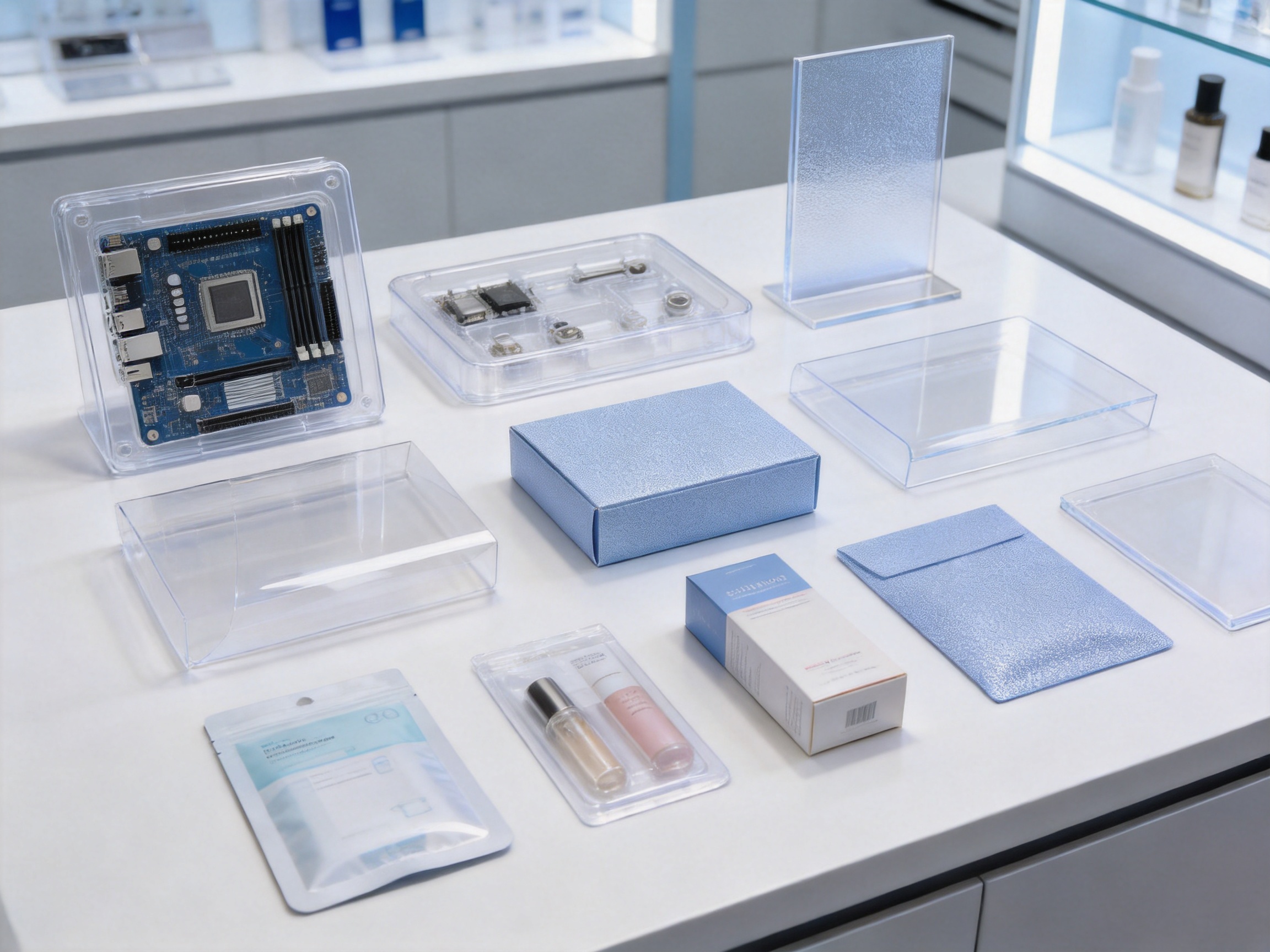
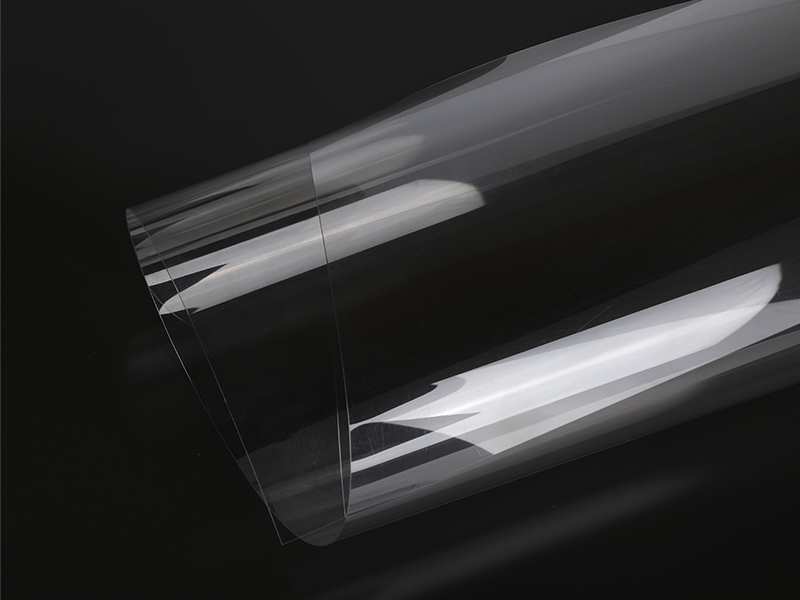
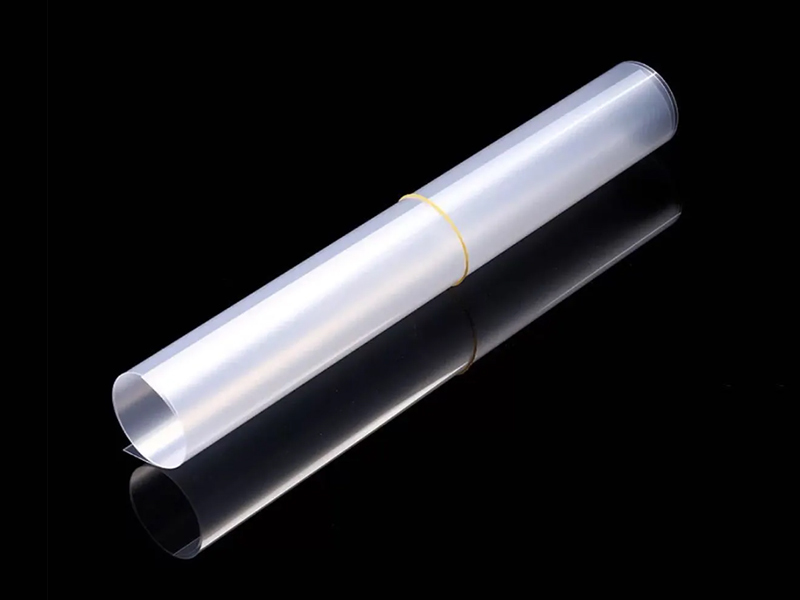
Anti-Static Clear Rigid PET Sheet/Film is a high-performance transparent material designed for applications where optical clarity, mechanical strength, dimensional stability, and controlled static dissipation are essential. Unlike conventional plastic sheets that may attract dust, accumulate electrostatic charge, or interfere with sensitive products, anti-static PET combines the practical benefits of rigid polyethylene terephthalate with a surface and material structure intended to reduce static buildup.
This type of sheet is especially suitable for electronics packaging, transparent protective covers, display panels, medical and pharmaceutical packaging, folding boxes, blister packs, printed window panels, and other products that require a clean and visually attractive appearance. Its smooth surface and high transparency help products remain visible, while its impact resistance supports reliable handling, forming, transportation, and daily use.
The product is manufactured by ZheJiang ZhongSheng New Materials Co., Ltd., a China-based manufacturer specializing in transparent plastic sheets and film rolls. The company has focused on the PET industry for more than 16 years and operates a large-scale production system supported by research and development, laboratory testing, multiple production lines, and extensive manufacturing equipment. This combination of material expertise and production capacity enables the company to supply consistent PET-based products for both domestic and international customers.
Understanding Anti-Static Clear Rigid PET Sheet/Film
Anti-Static Clear Rigid PET Sheet/Film is a transparent, semi-rigid or rigid plastic sheet manufactured from polyethylene terephthalate. PET is widely recognized for its strength, dimensional stability, chemical resistance, and excellent appearance. When an anti-static function is incorporated into the sheet, the material is designed to reduce the accumulation of electrostatic charge on or around the surface.
Static electricity can be inconvenient in ordinary packaging and potentially harmful in environments containing sensitive electronic components. A charged plastic surface may attract dust, lint, fibers, and other airborne particles. In some cases, sudden discharge can affect electronic components, interfere with handling, or create an undesirable spark risk. Anti-static PET helps address these problems by supporting the dissipation of static charge rather than allowing it to remain concentrated on the sheet surface.
The material is transparent, smooth, and suitable for a wide range of converting processes. It can be cut, folded, printed, thermoformed, vacuum formed, and fabricated into packaging or protective structures, depending on the selected thickness and grade. Its versatility allows manufacturers to use one material family across several product categories while maintaining a clean and professional appearance.
Although anti-static PET is often selected for electronics and technical packaging, its application range is broader. It can be used in display windows, transparent panels, stationery, cosmetics packaging, medical packaging, printed enclosures, folding cartons, plastic windows, and specialized protective covers. The appropriate grade, thickness, surface treatment, and processing conditions should be selected according to the final product requirements.
Key Product Characteristics
High Transparency
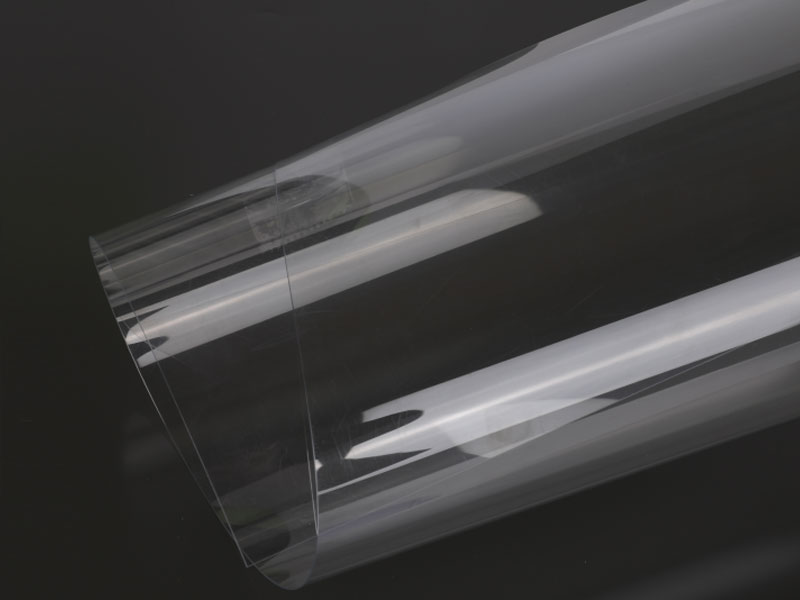
One of the most important benefits of clear rigid PET is its high optical transparency. The material allows customers to see the packaged product without opening the package, which is valuable for retail presentation, product inspection, and visual merchandising. A clear package can also show product color, shape, labeling, and surface quality more effectively than an opaque package.
The supplied APET transparent film and sheet products are designed to provide a clean visual appearance with a smooth finish. The manufacturing objective is to minimize visible defects such as crystal points, excessive haze, and surface irregularities. For applications such as display panels, blister packaging, and folding boxes, this appearance supports a polished and professional result.
Transparency is also important in protective covers and printed windows. A transparent PET panel can shield a product or printed image while preserving visibility. This makes it useful for retail displays, document covers, product windows, and packaging that requires both protection and presentation.
Smooth Surface Finish
A smooth surface helps improve the visual quality of the finished product and supports printing, laminating, folding, and forming operations. It also makes the sheet easier to clean and less likely to retain dust or small particles than a rough or irregular surface.
For anti-static applications, surface quality is particularly important. Static control is more effective when the sheet has a consistent and uniform surface. A smooth finish can also reduce the visual impact of minor marks and improve contact during printing or conversion. Depending on the manufacturing specification, the sheet may be used for direct printing or combined with additional coatings and laminating materials.
Impact Resistance
Rigid PET offers strong resistance to impact compared with many ordinary transparent packaging materials. This characteristic helps the sheet withstand handling, transportation, assembly, and regular use. In packaging applications, impact resistance can reduce the likelihood of cracking or breakage when the package is dropped, compressed, or exposed to moderate mechanical stress.
The balance between rigidity and impact resistance can be adjusted through thickness selection and product design. Thin grades can support folding and lightweight packaging, while thicker grades can be used for protective panels, display structures, and more demanding formed components.
Static Dissipation
The defining feature of this product is its anti-static performance. Static charge can develop when plastic surfaces rub against other materials, separate from films, move through production equipment, or come into contact with dry air. An anti-static sheet is intended to reduce the retention of this charge and help limit dust attraction.
For electronic components, static control is a key consideration because uncontrolled electrostatic discharge may damage or reduce the reliability of sensitive devices. Anti-static PET packaging can provide a transparent barrier while helping create a cleaner and more controlled packaging environment. It may be used for component trays, transparent covers, blister packs, folding boxes, and other protective structures.
Anti-static performance can vary according to formulation, surface condition, humidity, storage time, and use environment. Customers should therefore confirm the required static-control specifications before mass production. The material should also be stored and handled according to the supplier’s technical recommendations.
Barrier Performance
PET sheet and film products can provide useful barrier performance against moisture, gases, oil, and odors. The exact barrier level depends on the grade, thickness, structure, and final package design. For packaging applications, this property helps protect the contents from environmental exposure while maintaining a clear appearance.
Anti-fog PET products can further support visibility in conditions where condensation may form. These products are designed to reduce fogging and preserve a clearer viewing area. They can be relevant to medical packaging, protective face products, food packaging, transparent covers, and other applications where moisture-related loss of visibility is undesirable.
Barrier performance is not identical for every PET sheet or film, so the selected material should match the product’s storage conditions, expected shelf life, and regulatory requirements. In multilayer or coated constructions, PET may also function as a strong transparent outer or inner layer.
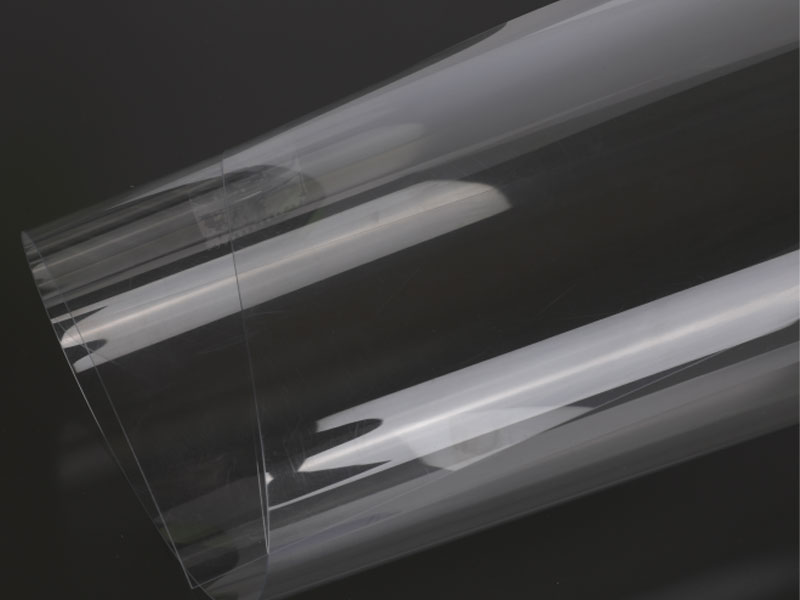
Anti-Static Clear Rigid PET Sheet/Film
Technical Specification and Product Range
The available product range is designed to serve both thin-film and rigid-sheet applications. The stated thickness range is approximately 0.15 to 5.0 millimeters, allowing customers to select a flexible, foldable, semi-rigid, or more robust sheet according to the design requirements.
| Item | Available Information | Practical Significance |
|---|---|---|
| Material | Clear PET sheet or film | Provides transparency, strength, and process versatility |
| Functional options | Anti-static, anti-scratch, and anti-fog grades | Supports specialized packaging and protective applications |
| Thickness | Approximately 0.15–5.0 mm | Allows selection for film, packaging, panels, and formed products |
| Width | Approximately 170–1350 mm | Accommodates different converting and production line requirements |
| Appearance | Clear, smooth, and highly transparent | Improves product visibility and finished-product presentation |
| Processing suitability | Thermoforming, vacuum forming, printing, folding, and cutting | Supports a broad range of manufacturing methods |
| Typical packaging uses | Blister packs, folding boxes, trays, and cylindrical containers | Protects products while preserving visibility |
| Specialized uses | Electronics, medicine packaging, display panels, and transparent covers | Addresses applications requiring cleanliness and functional protection |
The thickness and width options should be evaluated together with the final product design. A thin material may be appropriate for labels, printed windows, folding structures, and lightweight packaging. A thicker sheet may be preferred for panels, protective covers, reusable trays, or parts exposed to higher mechanical loads.
Customers should also consider forming depth, bend radius, sealing method, printing system, die-cutting process, and storage conditions. These factors influence the ideal material specification. A sheet that is suitable for a flat printed panel may not be the best choice for a deep-drawn tray, even if both products are made from PET.
Advantages Over Conventional Clear Plastic Sheets
Better Control of Dust Attraction
Conventional plastic sheets may develop static charge during manufacturing, transport, or use. Once charged, the surface can attract dust and fibers. This is particularly problematic in electronics packaging, transparent retail displays, medical packaging, and high-appearance products.
Anti-static PET is designed to help reduce this problem. By supporting the dissipation of electrical charge, it can help maintain a cleaner surface and reduce the frequency with which dust becomes attached. This advantage can improve product presentation and simplify handling in controlled production environments.
More Suitable for Sensitive Products
Many ordinary transparent sheets provide mechanical protection but do not address electrostatic concerns. Anti-static PET adds a functional layer of protection for products that may be sensitive to electrostatic discharge or particle contamination. This makes it more suitable for electronic components, precision parts, technical accessories, and other sensitive products.
The material does not replace a complete electrostatic-control program. Grounding, humidity control, personnel protection, suitable equipment, and correct packaging procedures remain important. However, anti-static PET can be an important part of a broader static-control strategy.
Strong Appearance and Product Visibility
Some specialized protective materials may offer static control but have limited transparency, poor surface quality, or a less attractive appearance. Clear rigid PET combines functional performance with a strong visual presentation. Customers can display the packaged product while maintaining a protective barrier.
This combination is valuable in retail packaging, where product visibility can influence purchase decisions. It is also useful in industrial packaging, where operators need to inspect components without opening the package.
Broad Conversion Capability
The material can be converted into trays, covers, folding boxes, blister packaging, cylindrical containers, panels, and other structures. Its suitability for thermoforming and vacuum forming allows manufacturers to create three-dimensional packaging with defined shapes and protective cavities.
Compared with materials limited to a single forming or printing process, PET provides greater design flexibility. It can be adapted to different product sizes and packaging concepts while maintaining a consistent material family across product lines.
Balanced Mechanical Performance
Clear rigid PET offers a useful balance of rigidity, toughness, and impact resistance. Some transparent materials may be very rigid but brittle, while others may be flexible but lack the dimensional stability required for panels or formed packaging. PET can occupy a practical middle ground for many applications.
This balance may help reduce damage during transportation and improve the service life of the finished package or panel. It also supports production efficiency by providing a material that can be handled by automated and semi-automated converting equipment.
Manufacturing Process and Quality Considerations
Raw Material Preparation
Manufacturing begins with the selection and preparation of PET-based raw materials appropriate for the intended product. Material selection affects transparency, melt behavior, mechanical strength, forming performance, and final appearance. For anti-static products, the formulation must also support the required static-dissipation function.
Raw materials are typically managed with attention to cleanliness and moisture control. PET is sensitive to moisture during processing, and excessive moisture can affect melt quality and finished-sheet performance. Proper preparation supports more stable extrusion and helps reduce the risk of bubbles, haze, brittleness, or inconsistent thickness.
Compounding and Functional Integration
For an anti-static grade, the static-control function may be introduced through the material formulation, a compatible additive system, a surface treatment, or a combination of technologies. The chosen approach should be compatible with transparency, adhesion, forming, printing, and long-term use requirements.
Functional integration must be carefully controlled. Excessive additive loading may affect clarity or mechanical properties, while insufficient treatment may not provide the desired static behavior. A professional manufacturing system therefore needs to balance optical performance, surface characteristics, processability, and functional requirements.
Extrusion and Sheet Formation
During extrusion, the prepared PET material is melted and delivered through a controlled system to form a continuous sheet or film. Temperature, pressure, screw speed, cooling conditions, and line speed all influence the final thickness and appearance.
Uniform extrusion is essential for products used in packaging and forming. Thickness variation can affect forming depth, folding performance, print registration, sealing, and mechanical strength. Advanced production lines help manufacturers maintain stable process conditions across different product widths and thicknesses.
After the melt exits the die, it is cooled and shaped into the required sheet structure. Cooling must be controlled to support dimensional stability and surface quality. Excessive or uneven cooling may contribute to stress, warping, or uneven appearance, while insufficient control may affect flatness and forming behavior.
Surface Treatment and Finishing
Depending on the product grade, additional surface treatment may be applied to support anti-static behavior, anti-scratch performance, anti-fog properties, printing adhesion, or other functional requirements. Surface treatment must be uniform across the usable width of the material.
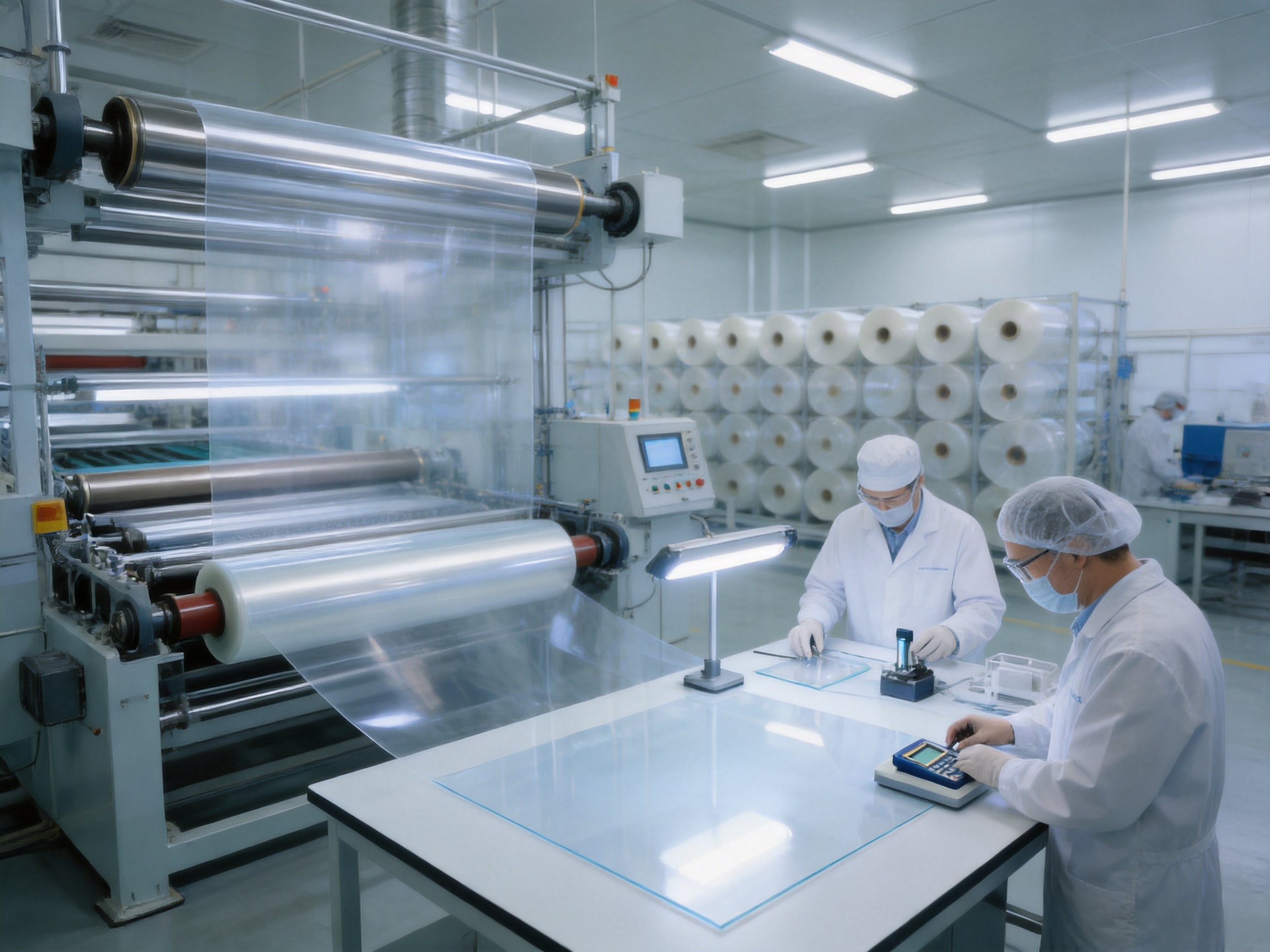
Finishing operations may include edge trimming, slitting, cutting, roll winding, protective-film application, and packaging. The finished material can be supplied in sheet or roll form according to the customer’s equipment and production method.
Inspection and Laboratory Testing
Quality inspection is important for transparent plastic materials because small defects can be easily seen. Inspection may cover thickness, width, transparency, haze, surface cleanliness, flatness, color, impact behavior, and visual defects. For anti-static grades, electrical performance and surface behavior should also be evaluated according to the relevant customer specification.
ZheJiang ZhongSheng New Materials Co., Ltd. operates two laboratories and maintains a dedicated research and development team. These resources support product development, process improvement, material evaluation, and quality control. Laboratory capability is especially valuable when customers require customized thicknesses, specialized surface functions, or consistent performance across large production volumes.
Manufacturing Strengths of the Supplier
ZheJiang ZhongSheng New Materials Co., Ltd. was established in 2006 and has developed a manufacturing system focused on transparent plastic sheets and film rolls. The company has more than 16 years of experience in the PET industry and supplies materials for thermoforming, vacuum forming, blister packaging, furniture decorative film panels, and related applications.
The company reports a manufacturing area of approximately 40,000 square meters, registered capital of 11.21 million United States dollars, 33 production lines, and more than 100 sets of machinery and equipment. Its annual production capacity reaches approximately 70,000 tons. This scale supports both routine product supply and larger-volume customer programs.
Large Production Capacity
Large-scale capacity can provide several practical advantages. It may support more stable supply, reduce the risk of production interruptions, and allow customers to plan long-term purchasing programs with greater confidence. Multiple production lines also create flexibility for different sheet widths, thicknesses, finishes, and product categories.
For packaging manufacturers, supply consistency is particularly important. A material change in thickness, clarity, or forming behavior can affect production efficiency and finished-product quality. A mature production system is better positioned to maintain repeatability between batches when manufacturing controls are properly implemented.
Research and Development Capability
The company has one research and development team and two laboratories. This structure supports the development of PET, PETG, and PET-GAG products, including materials used in thermoforming, vacuum forming, packaging, and decorative applications.
Research and development capability can help a supplier respond to changing customer requirements. These requirements may include improved transparency, higher impact resistance, enhanced anti-static behavior, better forming performance, surface protection, or compatibility with specific printing and converting systems.
The company also reports ownership of more than 60 invention and utility patents. Patents alone do not guarantee that every product will be suitable for every application, but they indicate continued investment in technical development and proprietary manufacturing solutions.
Experience With PET-Based Materials
Experience with PET is valuable because the material requires careful control during drying, melting, extrusion, cooling, and finishing. A supplier with long-term PET experience is more familiar with common processing variables and potential quality issues.
The company manufactures PETA, PETG, and PET-GAG products in addition to clear PET materials. This broader material portfolio provides a foundation for comparing different resin structures and selecting suitable solutions for forming, packaging, decoration, and transparent protection.
International Supply Orientation
The company serves customers in domestic and international markets. International supply requires attention to packaging protection, production planning, documentation, communication, and consistency between orders. A supplier serving global customers must also understand that packaging designs, converting equipment, and product specifications can differ significantly between markets.
For overseas buyers, technical communication before ordering is important. Customers should provide drawings, target thickness, width, application details, static-control expectations, forming conditions, surface requirements, and packaging preferences. Clear specifications help reduce misunderstandings and support efficient sampling and mass production.
Application Areas
Electronics Packaging
Electronics packaging is one of the most relevant application areas for anti-static clear PET. Components such as connectors, circuit accessories, sensors, small devices, and precision parts may require both visual inspection and protection from static-related risks.
Transparent anti-static packaging allows operators and customers to view the product without unnecessary exposure. Trays, blister packs, folding boxes, and protective covers can be designed around the component shape. The rigid structure helps maintain separation, while the clear surface supports identification and inspection.
Packaging designers should consider contact points, component weight, forming depth, closure method, and the level of static protection required. The sheet should be integrated with other electrostatic-control measures where necessary.
Blister Packaging
Blister packaging uses a formed transparent cavity to hold a product against a backing card or another closure layer. Clear PET is suitable for blister packaging because it offers visibility, forming capability, and impact resistance.
Anti-static blister packaging can be useful for electronic accessories, technical products, small tools, medical components, and precision items. It can reduce dust attraction and help protect the product during storage and retail handling. The sheet thickness should be selected according to cavity size, forming depth, product weight, and required rigidity.
Vacuum-Formed Trays
Vacuum forming uses heat and vacuum pressure to shape a plastic sheet over a mold. PET sheets can be formed into trays with pockets, dividers, and contoured surfaces. These trays may be used for electronics, medical products, industrial components, toys, cosmetics, or stationery.
The anti-static function is particularly valuable when trays are used for components that must be kept clean and protected from uncontrolled electrostatic charge. Designers should evaluate wall thickness after forming because stretching can reduce the material thickness in certain areas of a deep cavity.
Folding Boxes and Retail Packaging
Clear PET can be die-cut, scored, and folded into transparent boxes. These boxes provide a strong visual presentation and allow customers to see the product from multiple angles. Anti-static functionality can add value when the packaged contents are dust-sensitive, electrically sensitive, or prone to attracting particles.
Folding boxes are used for cosmetics, stationery, small household goods, electronic accessories, toys, and promotional products. The smooth surface also provides a suitable foundation for labels, printed graphics, and decorative elements, subject to testing for ink adhesion.
Medical and Pharmaceutical Packaging
Transparent PET sheet and film can be used in selected medical and pharmaceutical packaging formats where visibility, cleanliness, and structural protection are important. The material may be used for protective covers, medicine packages, trays, windows, or secondary packaging components.
Medical applications require careful attention to regulatory compliance, sterilization conditions, biocompatibility, cleanliness, and contact requirements. The product information provided here describes general material properties and does not automatically confirm suitability for a specific medical device or pharmaceutical application. Customers should request the necessary technical and compliance documentation before use.
Display Panels and Printed Windows
Clear rigid PET is suitable for display panels, printed windows, product covers, and information displays. Its transparency preserves visibility, while its rigidity provides a more stable structure than thin flexible film.
Anti-static performance may help reduce dust accumulation on display surfaces, which can be beneficial in retail, exhibition, industrial, and office environments. The sheet can be printed, cut, mounted, or combined with other panels according to the design requirements.
Cosmetics and Stationery Packaging
Cosmetics packaging often requires a clean and attractive appearance. Clear PET enables customers to see the container, color, or accessory inside the package. Folding boxes, windowed cartons, and blister structures can be produced with the material.
Stationery packaging may use PET for transparent folders, covers, protective windows, and product boxes. The material’s impact resistance and smooth finish help products remain presentable during transportation and retail display.
Food and General Consumer Packaging
PET is widely used in packaging because of its clarity and mechanical performance. It may be used for selected food packaging applications, trays, containers, and transparent covers. Food-contact suitability depends on the specific grade, additives, manufacturing controls, and applicable regulations.
Customers should confirm food-contact documentation and processing compatibility before using anti-static or surface-treated grades for direct food contact. For secondary packaging and display purposes, different requirements may apply.
Design and Processing Guidance
Choosing the Correct Thickness
Thickness should be selected according to the product size, required rigidity, forming depth, weight, and expected handling conditions. Thin material may provide better folding performance and lower material consumption, while thick material may provide stronger protection and better dimensional stability.
For vacuum forming, the initial sheet thickness should account for material stretching. A deep cavity can result in thinner walls at corners or other highly stretched areas. Mold design, heating conditions, plug assistance, and forming speed should be evaluated together with sheet thickness.
Printing and Decoration
The smooth clear surface of PET can support printing and decorative treatments. However, ink adhesion depends on the ink system, surface energy, drying method, and final-use conditions. Customers should conduct print trials before committing to mass production.
Printing may be applied to the front surface, reverse surface, or a laminated layer. The preferred structure depends on whether the product requires scratch protection, mirror-image graphics, internal decoration, or resistance to cleaning and handling.
Storage and Handling
PET sheet and film should be stored in a clean, dry environment away from excessive heat, direct sunlight, moisture, and contaminants. Rolls and sheets should be protected from crushing, sharp edges, and unnecessary abrasion.
Before processing, the material should be allowed to reach the production environment’s temperature where appropriate. Sudden temperature changes may contribute to condensation or dimensional variation. Anti-static performance can also be influenced by humidity and surface contamination, so clean handling is recommended.
Compatibility With Forming Equipment
Before production, the material should be tested on the customer’s actual forming, cutting, printing, or folding equipment. Machine settings such as heating temperature, dwell time, vacuum level, forming speed, and cooling conditions can affect the final result.
A supplier sample can help confirm whether the material meets the customer’s requirements. Testing should include appearance, forming accuracy, dimensional stability, static behavior, impact resistance, and packaging performance under realistic conditions.
Quality, Sustainability, and Operational Value
Material selection influences not only product performance but also production efficiency. A sheet with stable thickness and consistent surface quality can reduce rejects, improve forming repeatability, and support more predictable printing and cutting. These benefits may lower material waste and reduce interruptions on the customer’s production line.
PET can also contribute to responsible packaging strategies because it is a well-established thermoplastic material with recycling pathways in many markets. Recycling availability depends on local infrastructure, product construction, additives, coatings, labels, and contamination. Multilayer or heavily treated structures may require different handling from a mono-material PET product.
Designers can improve material efficiency by optimizing sheet thickness, reducing unnecessary trim, improving nesting during die cutting, and designing packaging around the actual product dimensions. A strong and rigid sheet may allow a lighter design in some applications, but this must be confirmed through practical testing.
For manufacturers, operational value also comes from dependable supply. A supplier with multiple production lines, laboratory resources, and a substantial annual capacity can support larger programs and repeat orders. ZheJiang ZhongSheng New Materials Co., Ltd. reports an annual production capacity of approximately 70,000 tons, providing a foundation for volume supply across several product categories.
Why Select This Product for Competitive Applications?
Anti-Static Clear Rigid PET Sheet/Film is competitive because it brings several desirable properties together in one transparent material. It offers clear appearance, smooth finish, impact resistance, processing flexibility, and static-control functionality. This combination reduces the need to choose between visibility and protection.
Compared with ordinary clear sheets, it can provide better control of dust attraction and static buildup. Compared with opaque protective materials, it preserves product visibility. Compared with less rigid films, it can provide improved structural support for packaging, display, and protective applications.
The product also benefits from a broad thickness and width range. Buyers can select a material suited to lightweight film applications, formed trays, folding structures, rigid covers, or display panels. This flexibility can simplify sourcing for companies that manufacture several types of transparent packaging.
The manufacturer’s experience, production scale, research capability, laboratory resources, and multi-line manufacturing system further strengthen the product offering. These capabilities are important for customers seeking stable supply, technical support, customization, and consistent quality over repeated orders.
Product selection should still be based on application-specific validation. Anti-static behavior, transparency, impact resistance, forming performance, food-contact status, medical compliance, and printing compatibility should be confirmed according to the intended use. A technically suitable material is one that satisfies the complete set of performance and regulatory requirements, not only one or two headline characteristics.
Recommended Purchasing Process
A structured purchasing process helps customers obtain the most suitable PET sheet or film. The first step is to define the final application. Buyers should identify whether the product will be used for electronics packaging, blister packaging, a display panel, a medical package, a folding box, a formed tray, or another purpose.
The next step is to specify the required thickness, width, sheet or roll format, surface finish, transparency level, and functional properties. If anti-static performance is critical, the customer should provide the required test method or target range where available.
Customers should then request samples for processing trials. These trials should be conducted using the intended equipment and should include the main production steps. For example, a thermoforming customer should test heating, forming, trimming, assembly, and final packaging rather than evaluating only a flat sheet.
Once the sample is approved, the customer and supplier should confirm packaging, labeling, production tolerances, inspection standards, delivery schedule, and documentation. Written specifications help maintain consistency between the sample order and later mass-production orders.
For long-term supply, customers may also benefit from a quality agreement or approved-product specification. This can define the key characteristics that must remain stable, including thickness, width, appearance, transparency, static performance, packaging format, and acceptance criteria.
Frequently Asked Questions
What is anti-static clear rigid PET sheet used for?
It is used for electronics packaging, transparent protective covers, display panels, blister packs, folding boxes, formed trays, medical and pharmaceutical packaging, stationery, cosmetics packaging, printed windows, and other products that require transparency and reduced static buildup.
How does anti-static PET differ from ordinary clear PET?
Ordinary clear PET provides transparency, strength, and processability but may accumulate static charge during handling. Anti-static PET is designed to help dissipate static charge and reduce dust attraction, making it more suitable for sensitive electronic products and clean appearance applications.
Is the sheet suitable for thermoforming and vacuum forming?
Yes. The product range is intended for applications including thermoforming and vacuum forming. Actual forming performance depends on thickness, mold design, heating conditions, forming depth, and equipment settings. Customers should conduct trials before production.
What thicknesses are available?
The stated thickness range is approximately 0.15 to 5.0 millimeters. The correct thickness depends on whether the material is used as a film, folding package, formed tray, panel, protective cover, or another product.
What widths can be supplied?
The stated width range is approximately 170 to 1350 millimeters. Width availability should be confirmed according to the selected thickness, product grade, sheet or roll format, and order requirements.
Can the material be printed?
Clear PET can generally be used for printed packaging, panels, windows, and decorative products. Printing results depend on the ink system, surface treatment, drying method, and handling conditions. A print-adhesion test is recommended for every new design.
Can anti-static PET be used for food packaging?
It may be suitable for selected food packaging applications, but suitability depends on the specific grade, additives, construction, and applicable food-contact regulations. Customers must request and verify the necessary compliance documentation before direct food contact.
Can it be used for medical or pharmaceutical packaging?
It may be used for selected medical and pharmaceutical packaging applications, but the specific product must meet the relevant regulatory, cleanliness, sterilization, and contact requirements. Application approval should be based on documented testing and compliance review.
Does anti-static performance remain unchanged forever?
Anti-static behavior can be influenced by humidity, surface contamination, storage conditions, aging, and the technology used to provide static dissipation. The expected performance period should be confirmed with the supplier and evaluated under the actual use environment.
What manufacturing resources does the supplier have?
ZheJiang ZhongSheng New Materials Co., Ltd. reports a 40,000-square-meter manufacturing area, 33 production lines, more than 100 sets of machinery and equipment, one research and development team, two laboratories, and annual production capacity of approximately 70,000 tons.
Does the company supply materials other than clear PET?
The company also manufactures PETG, PET-GAG, and PETA-related products for applications including thermoforming, vacuum forming, blister packaging, and furniture decorative film panels. Product selection should be based on the specific technical requirements of the finished application.
What information should be provided when requesting a quotation?
Buyers should provide the material type, thickness, width, sheet or roll format, quantity, functional requirements, intended application, printing or forming process, packaging requirements, delivery destination, and any required test or compliance documentation.
Conclusion
Anti-Static Clear Rigid PET Sheet/Film provides a practical combination of transparency, smooth appearance, impact resistance, barrier capability, and static-control performance. These properties make it suitable for packaging, display, forming, printing, electronics protection, medical applications, and many other products that require a clear and reliable plastic structure.
Its main advantage over conventional clear plastic sheets is the ability to support static dissipation while preserving product visibility and mechanical protection. This can help reduce dust attraction, improve packaging cleanliness, and protect sensitive products when the material is used as part of an appropriate electrostatic-control system.
The available thickness range of approximately 0.15 to 5.0 millimeters and width range of approximately 170 to 1350 millimeters provide flexibility for different production methods and product designs. The material can be supplied for vacuum forming, thermoforming, blister packaging, folding boxes, trays, printed windows, panels, and protective covers.
ZheJiang ZhongSheng New Materials Co., Ltd. strengthens this product offering through its long-term PET industry experience, large manufacturing area, 33 production lines, more than 100 sets of equipment, research and development resources, two laboratories, patent portfolio, and substantial annual capacity. These capabilities support consistent production and provide a foundation for customized material solutions.
For the best results, customers should match the sheet specification to the actual application, perform processing trials, confirm anti-static and optical requirements, and verify any necessary food-contact, medical, pharmaceutical, or electronic-industry documentation. When selected and processed correctly, anti-static clear rigid PET can deliver an effective balance of protection, appearance, manufacturing flexibility, and product value.
References
1. Product information supplied for Anti-Static Clear Rigid PET Sheet/Film, including stated applications, dimensions, and functional characteristics.
2. Company information supplied for ZheJiang ZhongSheng New Materials Co., Ltd., including manufacturing capacity, facilities, research resources, and product portfolio.
3. General technical principles of polyethylene terephthalate sheet extrusion, thermoforming, vacuum forming, and packaging conversion.
4. General industry guidance concerning electrostatic control in electronic component packaging and handling.
5. General packaging engineering principles concerning transparency, impact resistance, barrier performance, material thickness, and forming design.
6. General technical considerations for printing, surface treatment, storage, and converting of clear thermoplastic sheets.