 English
 Español
Zhongsheng
Zhongsheng
Zhongsheng
Zhongsheng
Zhongsheng
Zhongsheng
Zhongsheng
Zhongsheng
Zhongsheng
Zhongsheng
Zhongsheng
Zhongsheng
Zhongsheng
Zhongsheng
Zhongsheng
As the demand for lightweight, cost-effective alternatives to traditional metal finishes continues to grow, so too does the expectation for improved performance—particularly when it comes to durability and weather resistance.
One of the common concerns among manufacturers and designers revolves around the perceived fragility of Metallic Decorative Film. For years, questions persisted: Can this material withstand daily wear and tear? Will it maintain its appearance under UV exposure? Is it suitable for high-contact or high-humidity environments?
Today, thanks to advances in surface treatment and lamination technology, these concerns are being addressed more effectively than ever. Modern Metallic Decorative Film now features reinforced top layers that significantly boost scratch resistance and environmental stability. This evolution marks a pivotal shift in the material’s capabilities, positioning it as a dependable option for both interior and exterior applications.
At the heart of this transformation is the use of high-performance coatings that act as a protective barrier against abrasions and surface degradation. These coatings help maintain the pristine appearance of the Metallic Decorative Film over time, even in settings where physical contact is frequent, such as furniture surfaces, elevator panels, and public installations.
In fact, many manufacturers are now offering Metallic Decorative Film products with warranties ranging from 3 to 5 years, reflecting confidence in the film’s ability to perform in a variety of challenging environments. This marks a notable departure from earlier generations of decorative film, which were more often associated with aesthetic value than structural reliability.
Another contributing factor is the film’s improved resistance to ultraviolet light, temperature fluctuations, and moisture. Where traditional metallic finishes such as brushed aluminum or stainless steel can become dull or tarnished, Metallic Decorative Film maintains its visual integrity with minimal maintenance. This makes it especially attractive in sectors where upkeep and appearance are both priorities, including hospitality, retail, and automotive interiors.
Moreover, the enhanced durability of Metallic Decorative Film is expanding its role in outdoor applications. From façade accents to signage and exterior trim, the film is now being engineered to meet the rigorous demands of environmental exposure. In these cases, the use of multi-layer constructions ensures that the decorative finish remains intact, even after years of UV radiation and temperature extremes.
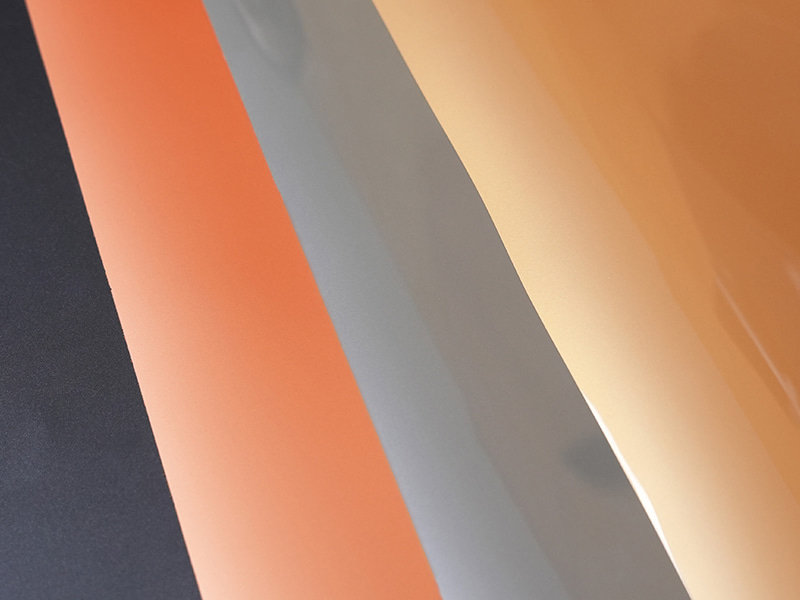
It's worth noting that the advancements in Metallic Decorative Film technology do not compromise its visual versatility. On the contrary, manufacturers can still offer a wide range of finishes—from mirror-like gloss to textured matte, and from classic gold and silver to contemporary bronze and rose gold—all without sacrificing performance.
Additionally, the flexibility of Metallic Decorative Film allows it to conform to complex shapes and surfaces, something that traditional metal panels struggle to achieve without significant tooling costs. This adaptability adds further value in modern design applications, where both form and function are essential.
As the market continues to mature, specifiers and procurement teams are becoming more familiar with the long-term benefits of Metallic Decorative Film. No longer viewed as a purely decorative solution, the material is increasingly recognized as a practical choice for enhancing durability and extending product life cycles.
In conclusion, the improved scratch resistance and weather durability of Metallic Decorative Film represent a significant leap forward for industries seeking dependable, aesthetic surface solutions. With its combination of lightweight construction, visual appeal, and reliable performance, Metallic Decorative Film is not just a trend—it’s a strategic material choice for the future of design and manufacturing.