 English
 Español
Zhongsheng
Zhongsheng
Zhongsheng
Zhongsheng
Zhongsheng
Zhongsheng
Zhongsheng
Zhongsheng
Zhongsheng
Zhongsheng
Zhongsheng
Zhongsheng
Zhongsheng
Zhongsheng
Zhongsheng
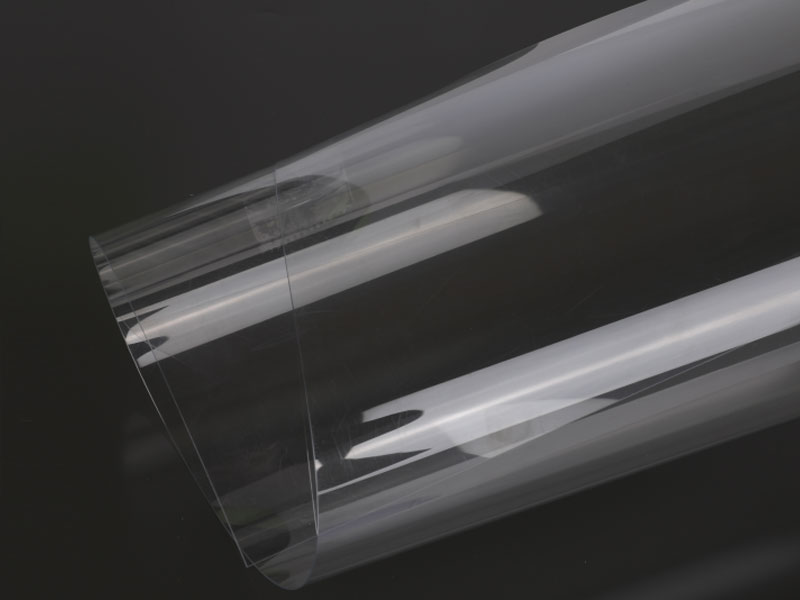
In the world of modern interior decoration, the materials chosen for cabinetry, wall panels, and furniture surfaces are more than just aesthetic elements—they are a direct reflection of safety, durability, and practicality. As trends in residential and commercial design increasingly favor lightweight, impact-resistant, and visually appealing materials, PETG Decorative Sheet has emerged as a valuable alternative to traditional glass and other rigid surfaces.
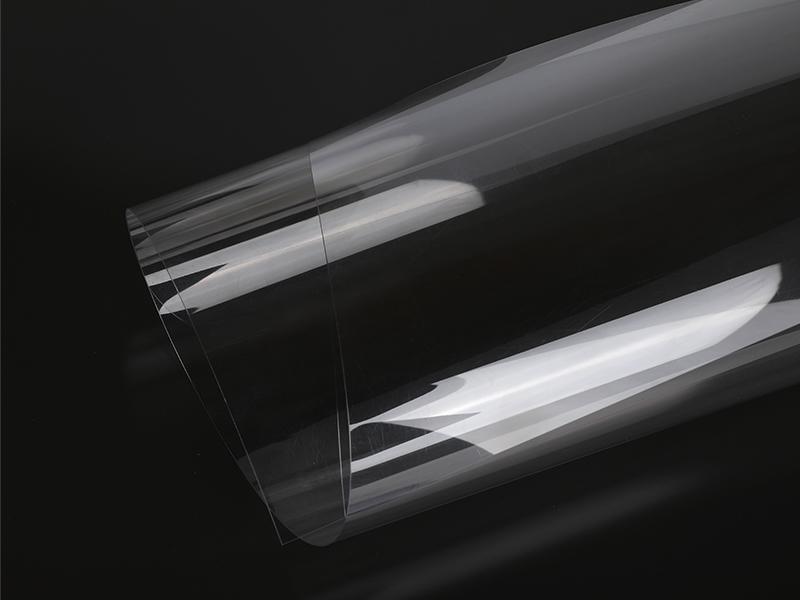
PETG Decorative Sheet is gaining recognition among furniture designers and interior architects for its ability to replicate the glossy, high-end appearance of glass without the fragility. This characteristic alone has made it a practical choice for applications such as cabinet doors, bathroom vanities, wardrobes, and decorative wall panels, where safety and durability are as important as visual impact.
One of the key benefits of PETG Decorative Sheet lies in its impact resistance. In environments where panels may be exposed to frequent contact—such as kitchen cabinetry or children’s rooms—glass panels pose a risk of breakage. PETG Decorative Sheet, on the other hand, offers the same glossy or textured finish as glass but is far less prone to cracking or shattering. This makes it an ideal solution for residential interiors where safety cannot be compromised.
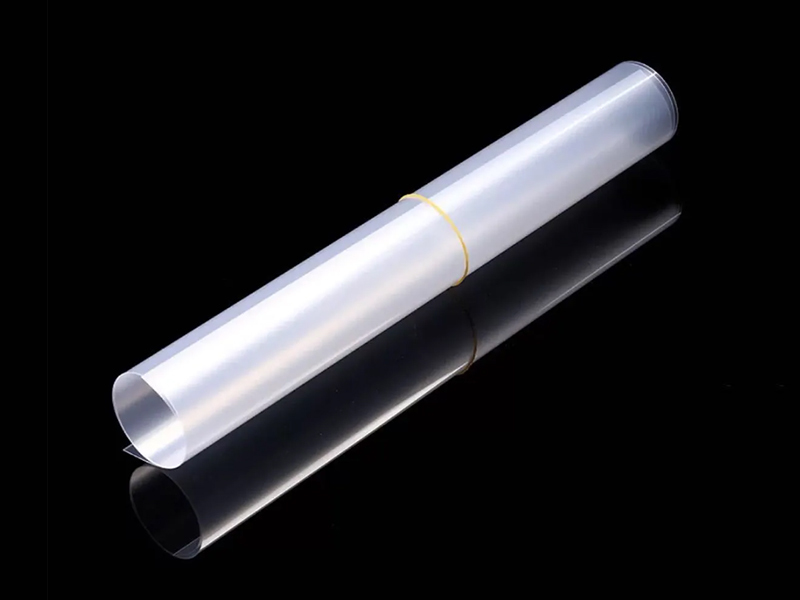
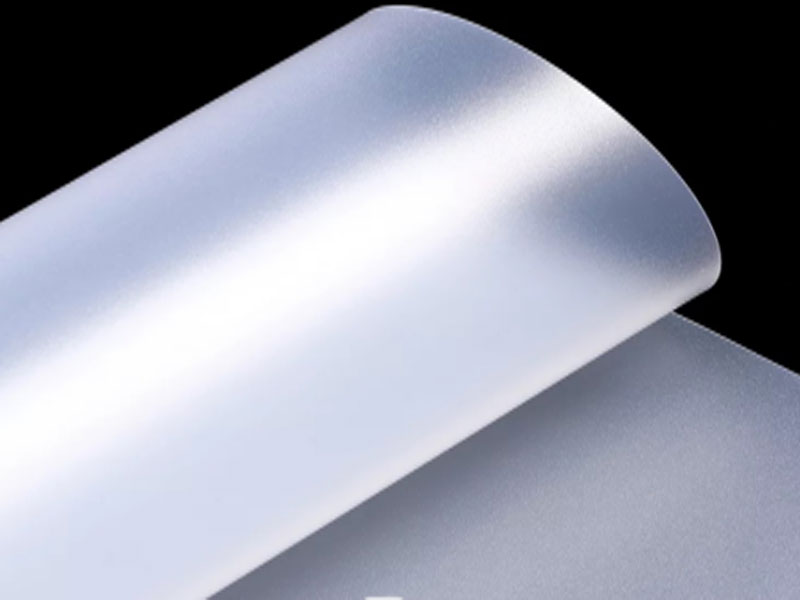
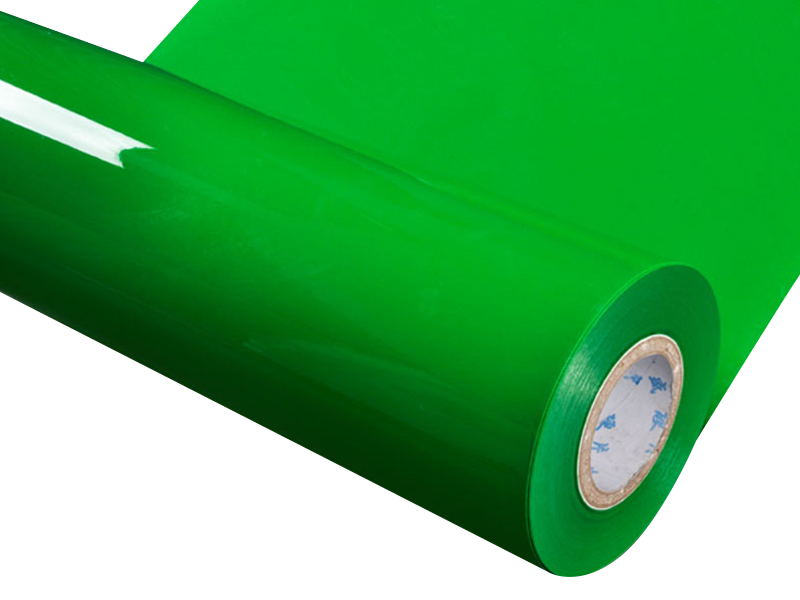
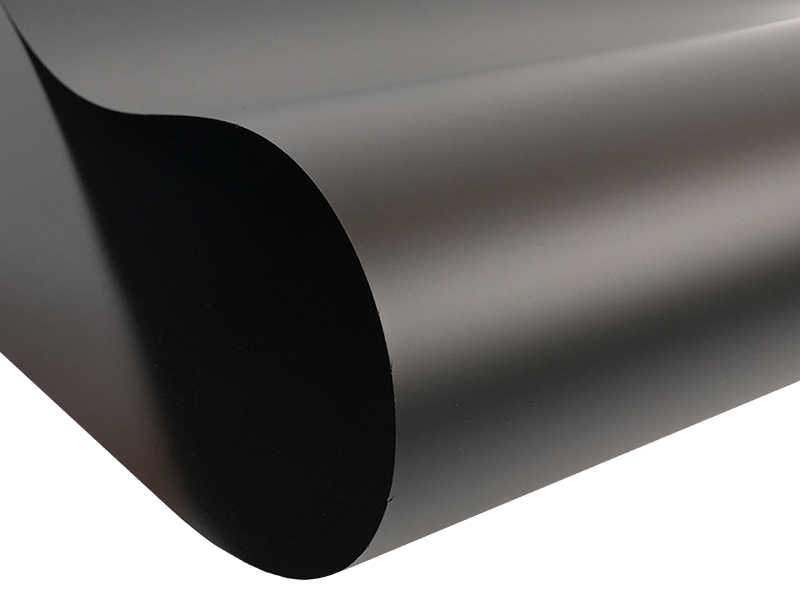
Beyond its safety profile, PETG Decorative Sheet also excels in design flexibility. Available in a wide range of colors, finishes, and surface textures—including high-gloss, matte, frosted, and metallic effects—it allows furniture manufacturers to meet diverse design preferences. Whether aiming for a minimalist white bathroom cabinet or a bold feature wall in a retail space, PETG Decorative Sheet can be customized to align with contemporary design language.
The sheet’s lightweight nature adds further value, especially during fabrication and installation. Compared to glass, PETG Decorative Sheet is easier to transport, cut, and mount—reducing labor costs and installation time. It is compatible with standard woodworking tools and adhesives, making it a preferred choice for both factory-scale production and bespoke furniture design.
Moisture resistance is another advantage that supports its widespread use in bathrooms and kitchens. PETG Decorative Sheet maintains dimensional stability and surface integrity even in humid environments, which are typically challenging for many traditional paneling materials. In bathroom cabinetry or kitchen backsplashes, this resistance ensures long-term performance without the warping or delamination seen in less stable options.
Additionally, PETG Decorative Sheet aligns with growing consumer awareness around sustainability and indoor air quality. It is manufactured without harmful additives like BPA, and many suppliers offer products that are fully recyclable and compliant with environmental standards such as RoHS and REACH. This makes PETG Decorative Sheet not only a design-forward material but also one that supports healthier living spaces.
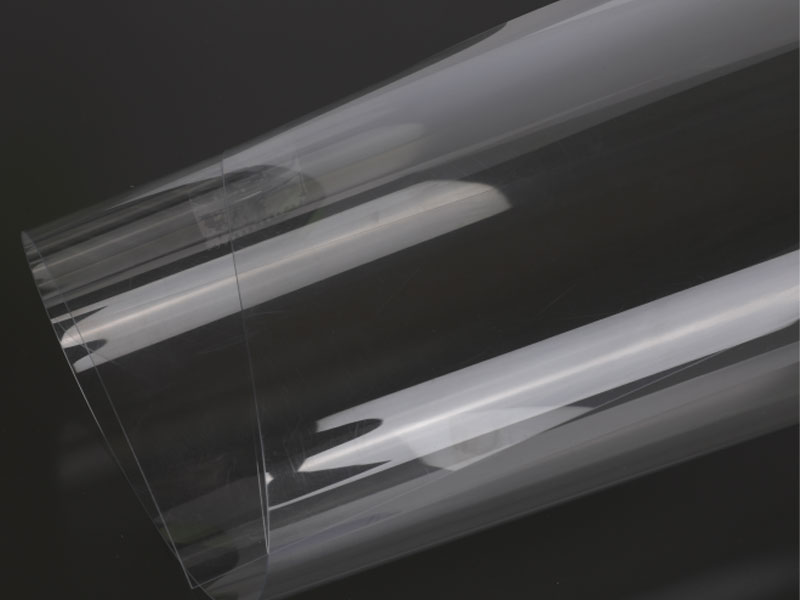
In terms of aesthetics, PETG Decorative Sheet achieves a refined and uniform appearance that adds a premium touch to any surface. Unlike traditional laminates or printed foils, its visual clarity and depth give it a more authentic, three-dimensional look. This visual depth is especially valued in high-gloss or transparent applications where the interplay of light adds character to a space.
As furniture manufacturers and interior fit-out companies continue to look for materials that balance safety, performance, and beauty, PETG Decorative Sheet is proving to be a reliable and forward-thinking option. Its role as a glass alternative in cabinet fronts, vanity panels, wardrobe doors, and wall cladding is becoming more prominent in both residential and commercial settings.