 English
 Español
Zhongsheng
Zhongsheng
Zhongsheng
Zhongsheng
Zhongsheng
Zhongsheng
Zhongsheng
Zhongsheng
Zhongsheng
Zhongsheng
Zhongsheng
Zhongsheng
Zhongsheng
Zhongsheng
Zhongsheng
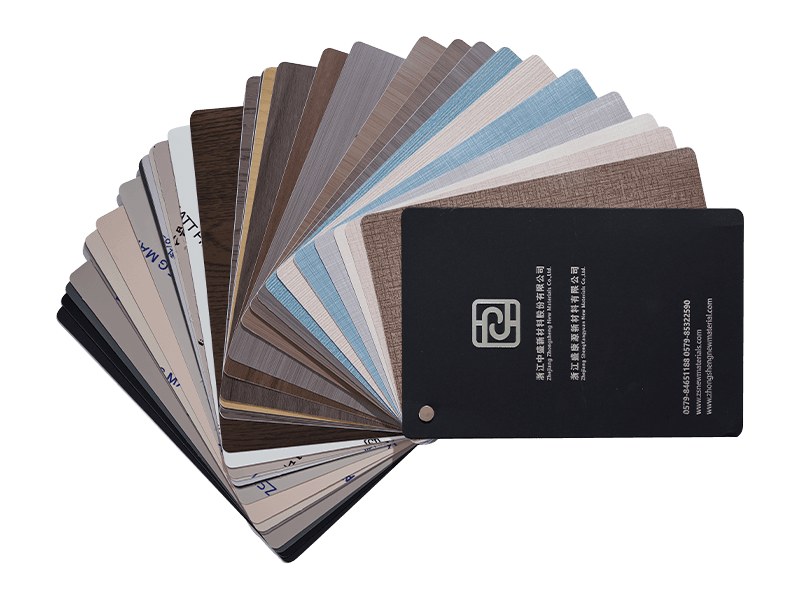
Metallic finishes have become an important design element in modern interiors, consumer products, and decorative surfaces. Many designers prefer the appearance of brushed aluminum or stainless steel because the linear texture creates a refined industrial style. However, using real metal can increase weight, processing difficulty, and maintenance requirements. This has increased interest in materials such as PETG textured metal brushed film, which is designed to reproduce the visual characteristics of brushed metal while maintaining the flexibility of polymer-based materials.
A common question from designers and buyers is whether PETG brushed metal surfaces still look realistic under different lighting environments. The answer depends largely on surface texture, light direction, viewing angle, and the quality of the decorative layer. Brushed finishes create their appearance through controlled linear patterns that influence light reflection rather than relying only on metallic color.
The Visual Science Behind Brushed Metal Appearance
Micro-texture creates a realistic metallic effect
The appearance of brushed metal comes from thousands of fine directional lines across the surface. These microscopic patterns scatter and soften reflected light, producing a satin metallic glow instead of a mirror-like reflection. Real brushed metal follows the same principle, with linear grain patterns controlling how light interacts with the surface.
PETG decorative films replicate this effect through embossing or textured surface processing. The textured layer creates variations in reflection, helping the material imitate aluminum, stainless steel, and other metallic finishes.
- Surface grain direction determines light movement across the panel
- Embossing depth influences tactile realism
- Metallic pigment distribution affects color consistency
How Different Lighting Conditions Change the Appearance
Natural daylight near windows
Sunlight provides a broad light source that reveals the texture direction clearly. Under daylight, PETG brushed metal film usually shows softer highlights because the textured surface spreads reflected light across multiple directions.
Large wardrobe panels, wall decorations, and furniture surfaces may appear slightly different throughout the day because sunlight changes position and intensity. Similar behavior can also be observed with textured metal surfaces, which change visual characteristics depending on surrounding light conditions.
| Lighting Environment | Visual Effect | Surface Features Highlighted |
| Direct sunlight | Strong metallic reflection with visible grain movement | Texture direction and surface depth |
| Cloudy daylight | Softer and more uniform appearance | Overall color and matte finish |
| Warm indoor lighting | Slight color tone change | Metallic warmth and decorative pattern |
| LED spotlight | Sharper highlights | Embossed texture and reflection angle |
LED lighting and spotlight environments
Modern interiors often use LED strips and spotlights around cabinets, ceilings, and display areas. These concentrated light sources create stronger contrast on textured surfaces.
A high-quality PETG textured metal brushed film can produce dynamic light transitions because the brushed lines reflect light differently at various angles. Poor-quality surfaces may appear flat because they lack sufficient texture depth or have uneven metallic printing.
Factors That Influence Realistic Metal Simulation
1. Brushed line accuracy
The direction and consistency of brushed lines strongly affect authenticity. Real brushed metal usually has continuous grain movement, while artificial patterns may appear repetitive or overly uniform.
Manufacturers use controlled embossing techniques to create fine directional textures that improve the visual connection with genuine metal surfaces.
2. Surface gloss level
Gloss balance plays an important role in realistic appearance.
- Excessive gloss may make the surface look like plastic
- Very low gloss may reduce metallic depth
- Balanced satin reflection creates a closer metal-like appearance
3. Color and pigment technology
Metallic finishes are available in various tones, including silver, champagne, titanium, and dark brushed steel. The combination of base color and reflective particles determines how the surface responds under different lighting environments.
PETG Brushed Film Compared With Real Metal Surfaces
| Feature | PETG Brushed Metal Film | Real Brushed Metal |
| Visual effect | Metal-like decorative appearance | Natural metallic reflection |
| Weight | Lightweight polymer structure | Higher density metal material |
| Processing | Easy cutting and surface application | Requires metal fabrication processes |
| Texture control | Designed through embossing technology | Created through mechanical brushing |
| Application range | Furniture, panels, interior decoration | Architecture, equipment, premium surfaces |
Where PETG Brushed Metal Film Creates the Strongest Visual Impact
Furniture and cabinet surfaces
Kitchen cabinets, wardrobes, and storage systems benefit from metallic textures because they create a modern appearance without adding excessive structural weight.
The brushed pattern can also reduce the visibility of fingerprints compared with highly reflective finishes, making it suitable for frequently touched interior surfaces.
Wall panels and commercial interiors
Hotels, offices, retail spaces, and exhibition areas often require decorative surfaces that provide visual impact under changing lighting. Metallic PETG films can create different visual effects throughout the day as natural and artificial light conditions change.
Common Reasons a PETG Metallic Surface May Look Less Realistic
- The brushed pattern lacks natural variation
- The surface reflection is too glossy or too flat
- The metallic color does not match the texture direction
- Lighting exposes repeated decorative patterns
- The substrate creates uneven surface tension
These factors are related to surface engineering rather than the PETG material itself. A well-designed film combines texture depth, color accuracy, and protective layers to achieve a convincing metallic effect.
Technical Reference Parameters
| Parameter | Typical Range | Visual Influence |
| PETG thickness | 0.15–0.8 mm | Affects flexibility and surface stability |
| Surface texture depth | Micron-level embossing | Controls light diffusion |
| Gloss level | Matte to satin | Determines reflection intensity |
| Color layer accuracy | Multi-layer printing control | Influences metallic realism |
The realism of PETG brushed metal surfaces comes from the interaction between texture design and lighting behavior. A properly manufactured PETG textured metal brushed film can create convincing metallic reflections under daylight, LED lighting, and indoor environments because its surface structure controls how light is scattered and reflected.
Rather than simply copying the color of metal, advanced decorative films reproduce the visual characteristics that people associate with brushed aluminum or stainless steel: directional grain, soft highlights, and changing reflections. This makes PETG brushed metal solutions suitable for interior applications where appearance, flexibility, and practical performance need to work together.