 English
 Español
Zhongsheng
Zhongsheng
Zhongsheng
Zhongsheng
Zhongsheng
Zhongsheng
Zhongsheng
Zhongsheng
Zhongsheng
Zhongsheng
Zhongsheng
Zhongsheng
Zhongsheng
Zhongsheng
Zhongsheng
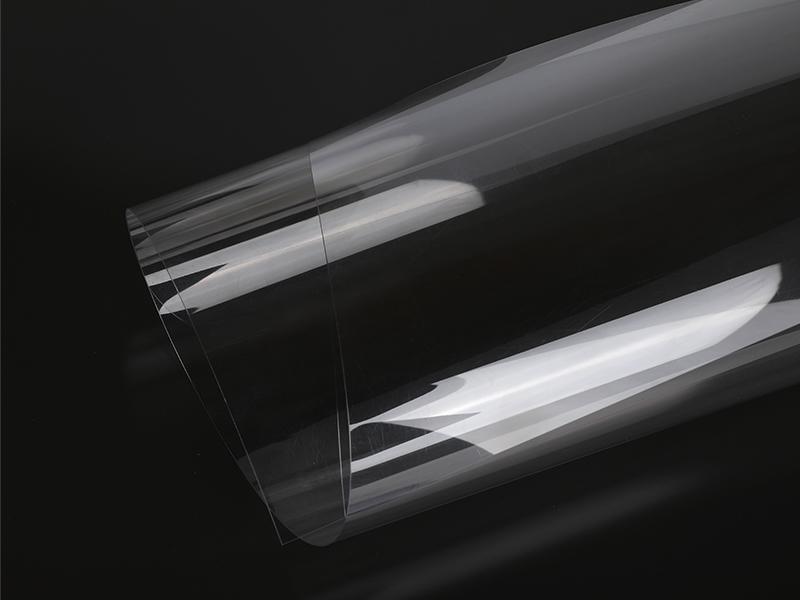
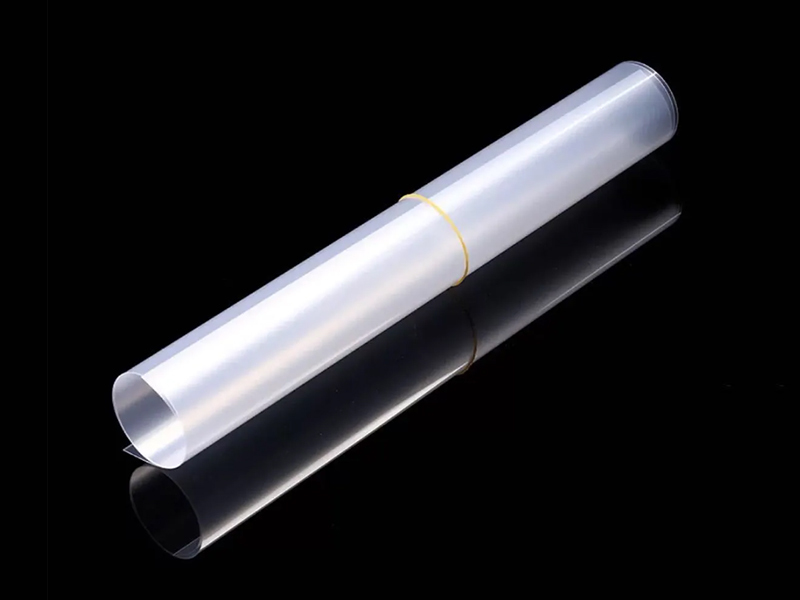
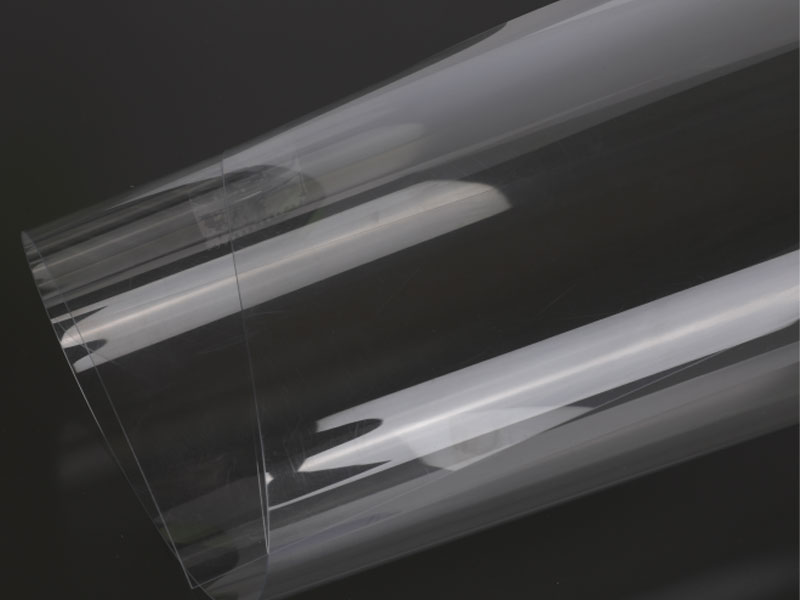
Thickness uniformity is one of the key quality indicators for PET sheets used in packaging, thermoforming, printing, electronics, and decorative applications. A sheet that appears visually smooth may still contain thickness differences across its width or length, affecting downstream processing accuracy and product performance.
For buyers working with a PET sheet factory, understanding the causes behind thickness inconsistency helps evaluate production capability, quality control systems, and technical communication with suppliers. Thickness variation is usually not caused by a single machine setting. It often results from the interaction between raw materials, extrusion conditions, die performance, cooling systems, and process stability.
How PET Sheet Extrusion Controls Thickness
The basic extrusion process structure
PET sheet production generally involves several continuous stages:
- PET resin drying and material preparation
- Melting and plasticizing inside the extruder
- Melt distribution through a flat die
- Cooling and shaping through calender rolls
- Online measurement and final cutting or winding
Each stage influences the final thickness. A small fluctuation during melt flow or cooling may become visible as thickness deviation after the sheet is formed.
Common thickness variation patterns
| Variation Type | Appearance | Possible Cause |
| Cross-direction variation | Different thickness from edge to center | Die gap imbalance or uneven melt distribution |
| Machine-direction variation | Thickness changes along sheet length | Output fluctuation or unstable pulling speed |
| Local thickness spots | Random thick or thin areas | Material contamination or flow disturbance |
Different thickness patterns indicate different production problems, so diagnosis requires analyzing the entire extrusion line rather than adjusting one parameter randomly.
1. Unstable Melt Flow Creates Uneven Sheet Thickness
Extruder output fluctuation
The extruder must deliver a stable amount of molten PET to maintain consistent sheet dimensions. Variations in screw feeding, melting efficiency, or pressure stability can change the amount of material reaching the die.
Typical causes include:
- Irregular PET resin feeding
- Screw wear after long-term operation
- Unstable melt temperature
- Pressure changes before the die
Melt pressure fluctuations directly influence extrusion stability because inconsistent pressure changes the volume of material passing through the die opening.
Effect of PET material preparation
PET is sensitive to moisture. Before extrusion, resin usually requires sufficient drying because excessive moisture can affect melt quality and molecular stability.
Poor material preparation may cause:
- Uneven melting behavior
- Reduced melt strength
- Bubble formation
- Surface and thickness defects
A reliable PET sheet factory normally uses controlled drying systems and moisture monitoring before production begins.
2. Die Adjustment Problems Affect Thickness Distribution
Uneven die lip opening
The flat die determines how molten PET spreads into a sheet shape. A small difference in die lip spacing can create thicker areas and thinner areas across the sheet width.
| Die Condition | Result on PET Sheet |
| Balanced die gap | More consistent thickness distribution |
| Blocked flow channel | Localized thin or thick zones |
| Incorrect die temperature | Uneven melt viscosity |
Die adjustment is one of the major factors affecting sheet gauge consistency because uneven melt distribution directly changes the thickness profile.
Die temperature differences
PET melt viscosity changes with temperature. A hotter section may allow easier flow, while a cooler section may restrict movement. This creates uneven material distribution before cooling.
- Center area becomes thicker due to excessive flow
- Edge areas become thinner due to restricted flow
- Thickness variation increases at higher production speeds
3. Cooling Roll Conditions Influence Final Thickness
Importance of roll temperature stability
After leaving the die, PET sheets pass through cooling rolls that determine final thickness, flatness, and surface quality. Uneven cooling changes the shrinkage behavior of different areas.
Factors affecting cooling performance include:
- Roll temperature differences
- Cooling water circulation problems
- Roll surface wear
- Incorrect roll pressure
Cooling roll alignment and temperature uniformity are important because unstable cooling can create dimensional changes after forming.
Roll pressure and sheet stretching
Too much pressure between rolls may compress the sheet unevenly, while insufficient pressure can reduce contact quality and affect heat transfer.
| Roll Condition | Potential Effect |
| Excessive pressure | Local thickness reduction |
| Insufficient pressure | Poor cooling contact |
| Misalignment | Uneven sheet profile |
4. Production Speed Changes Can Create Thickness Fluctuation
Relationship between extrusion speed and sheet gauge
Production speed affects the balance between material output and sheet stretching. A faster line speed without matching melt output may produce thinner sheets.
Important parameters include:
- Extruder output rate
- Roll rotation speed
- Haul-off speed
- Cooling efficiency
A stable extrusion line requires coordination between these systems. Any mismatch can create thickness changes along the production direction.
Quality Control Methods Used by PET Sheet Manufacturers
Online thickness measurement
Modern production lines often use automatic thickness measurement equipment to monitor sheet gauge continuously. Real-time inspection helps identify abnormal trends before large quantities of material are affected.
Laboratory testing
Typical quality checks include:
- Thickness tolerance measurement
- Transparency testing
- Impact strength evaluation
- Thermal performance testing
Recommended PET Sheet Thickness Reference
| Application | Common Thickness Range | Thickness Control Requirement |
| Food packaging | 0.2–1.0 mm | High consistency for forming |
| Thermoforming products | 0.3–2.0 mm | Stable stretching behavior |
| Protective sheets | 0.5–3.0 mm | Flatness and durability |
| Decorative applications | 0.2–1.5 mm | Appearance consistency |
How Buyers Can Evaluate a PET Sheet Factory
Thickness control capability reflects a manufacturer’s process management level. Buyers can review several technical points before cooperation:
- Extrusion line configuration
- Thickness inspection equipment
- Raw material drying system
- Quality tolerance standards
- Production testing records
A supplier with systematic process monitoring can provide more stable PET sheets for applications requiring precise dimensions.
Thickness inconsistency during PET sheet extrusion is usually the result of multiple factors working together. Melt pressure stability, die performance, cooling roll control, production speed coordination, and material preparation all influence the final sheet profile.
A professional PET sheet factory focuses not only on extrusion output but also on maintaining stable process conditions throughout production. Understanding these technical factors helps buyers identify quality differences between suppliers and choose PET sheets that perform reliably in downstream applications.