 English
 Español
Zhongsheng
Zhongsheng
Zhongsheng
Zhongsheng
Zhongsheng
Zhongsheng
Zhongsheng
Zhongsheng
Zhongsheng
Zhongsheng
Zhongsheng
Zhongsheng
Zhongsheng
Zhongsheng
Zhongsheng
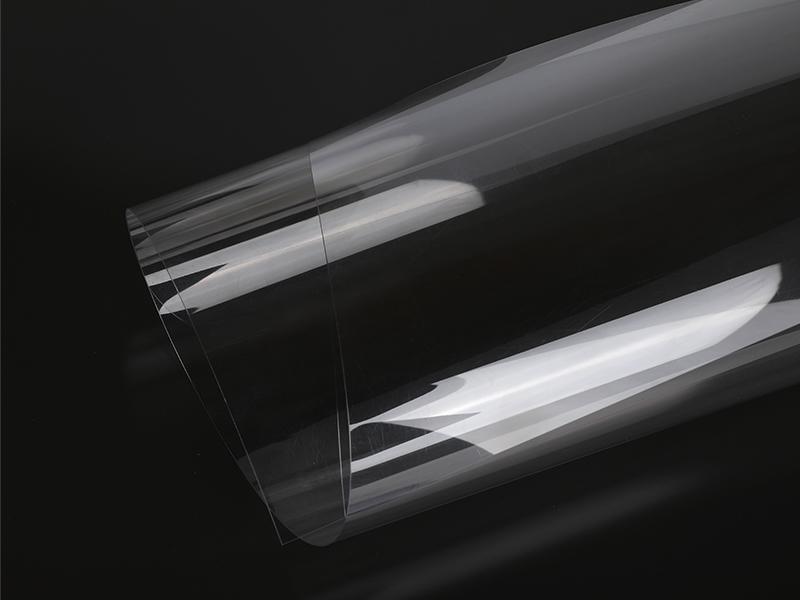
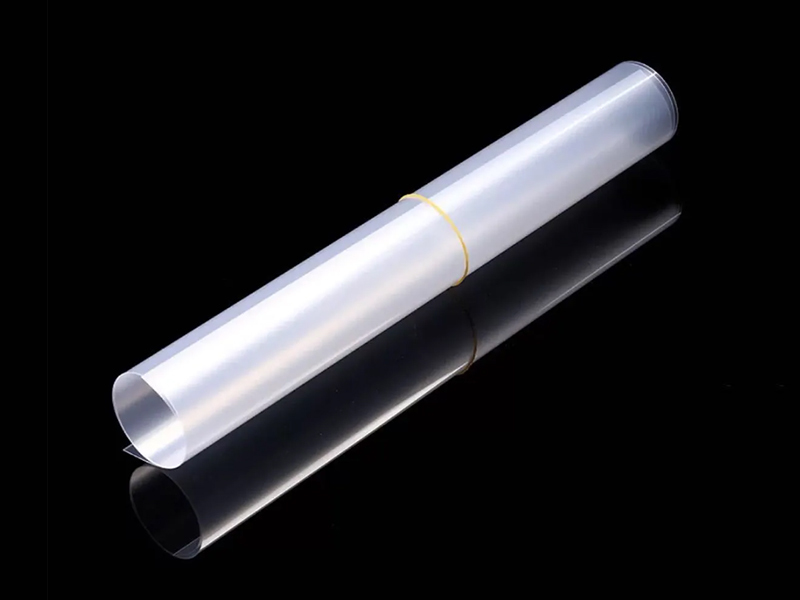
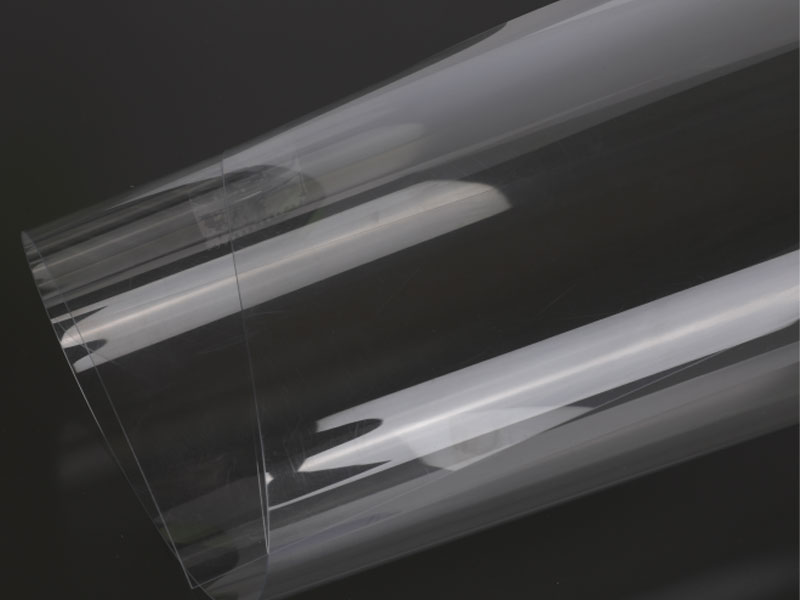
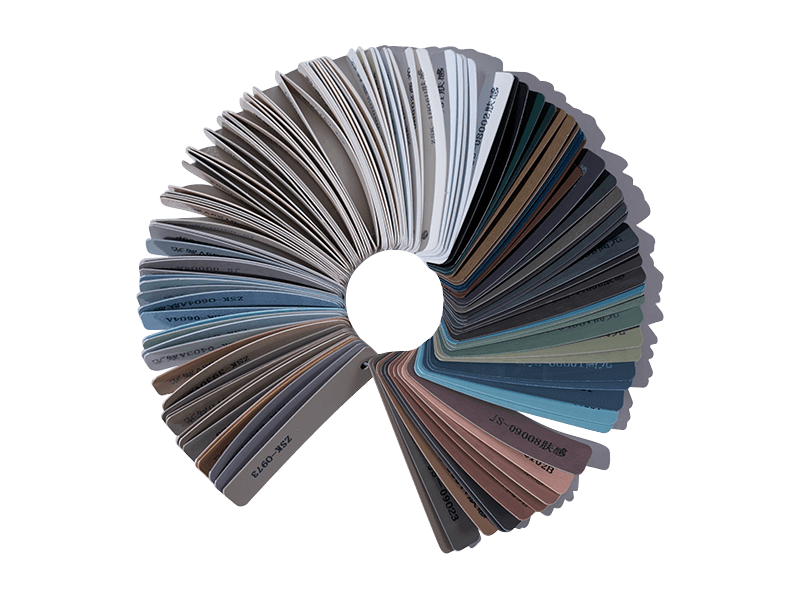
Transparency is one of the main reasons PET materials are widely used in packaging, protective panels, display covers, electronic components, and decorative applications. A high-quality PET transparent sheet provides nice light transmission, a smooth appearance, and stable dimensional performance.
However, many users have concerns about long-term heat exposure. Will continuous temperature changes make PET sheets cloudy? Can sunlight, heated equipment, or repeated thermal cycles reduce transparency over time?
The answer depends on several factors, including temperature level, exposure duration, material structure, crystallization behavior, and manufacturing quality. PET does not automatically lose clarity under all heat conditions, but excessive thermal stress may change its internal structure and affect optical performance. Heat-related haze in PET materials is often associated with crystallization, molecular rearrangement, or internal stress development that changes how light passes through the sheet.
Why PET Transparent Sheet Maintains High Clarity Under Normal Conditions
Amorphous structure supports light transmission
The transparency of PET comes from its largely amorphous molecular arrangement. The polymer chains remain randomly distributed, allowing visible light to pass through with limited scattering.
A clear PET sheet typically has:
- Low internal stress to prevent light distortion
- Uniform molecular structure for stable transparency
- Controlled thickness distribution for consistent optical performance
- Smooth surface finish to reduce light scattering
This structure allows PET materials to achieve a glass-like visual effect while remaining lightweight and impact resistant.
How Long-Term Heat Exposure Changes PET Optical Properties
Thermal energy can trigger molecular rearrangement
Extended exposure to elevated temperatures provides additional energy for PET molecular chains to reorganize. Some areas may begin forming crystalline regions, which scatter light instead of allowing direct transmission.
The result can include:
- Reduced transparency
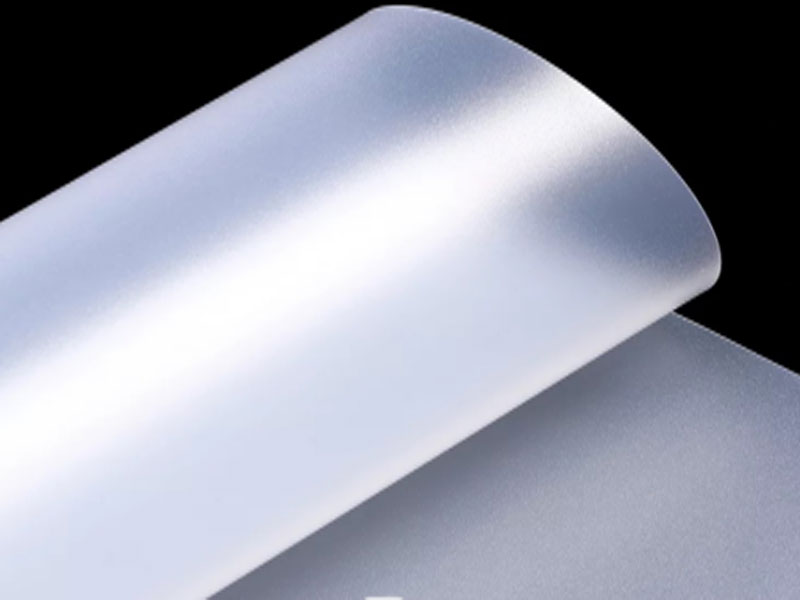
- White or cloudy appearance
- Lower gloss level
- Uneven optical performance
Research on PET heat treatment shows that increased heating time can increase crystallization, causing transparent PET samples to become less clear due to stronger light scattering effects.
Temperature level and exposure time work together
Short exposure to moderate temperatures may not create noticeable changes. Problems usually appear after prolonged heating or repeated thermal cycling.
| Heat Condition | Possible Effect on PET Sheet |
| Normal indoor temperature | Stable transparency and appearance |
| Short-term moderate heating | Usually limited optical change |
| Continuous high-temperature exposure | Higher risk of haze and crystallization |
| Repeated heating and cooling cycles | Potential internal stress and clarity reduction |
Main Causes of Cloudiness in PET Transparent Sheets
1. Increased crystallization
Crystallization is one of the main reasons transparent PET becomes hazy. During heating, polymer chains may move into more organized structures. These crystalline areas have different optical properties compared with the surrounding amorphous regions.
Light passing through these different structures becomes scattered, creating a cloudy visual effect.
2. Internal stress after processing
Extrusion, stretching, and cooling processes create internal stress inside PET sheets. A well-controlled production process minimizes these stresses, while uneven cooling or excessive stretching may leave unstable areas.
Long-term heat exposure can release these stresses and create:
- Micro-deformation
- Optical distortion
- Localized whitening
3. Moisture and material degradation
PET is sensitive to moisture during processing. Poor drying before extrusion can reduce molecular stability and affect transparency after thermal exposure.
A professional PET transparent sheet manufacturer usually controls:
- Raw material moisture content
- Extrusion temperature
- Cooling speed
- Sheet orientation control
Temperature Resistance Factors of PET Sheets
Material grade influences thermal stability
Different PET formulations provide different heat performance. Some sheets are designed mainly for room-temperature applications, while others use modified formulations for environments requiring higher thermal stability.
| Factor | Influence on Heat Performance |
| PET molecular weight | Affects strength and thermal behavior |
| Crystallinity level | Changes transparency and heat resistance |
| Additives | May improve UV or thermal stability |
| Processing control | Determines internal stress level |
Applications Where Heat Exposure Requires Extra Attention
Lighting covers and display components
PET sheets used near lamps, electronic equipment, or illuminated displays may experience continuous heat exposure. Optical clarity becomes especially important because even slight haze can affect product appearance.
Automotive and outdoor applications
Outdoor PET applications face combined effects from sunlight, temperature changes, and UV radiation. A sheet exposed near windows or enclosed spaces may experience higher surface temperatures than the surrounding air.
Packaging applications
Food and industrial packaging may encounter heat during filling, transportation, or storage. Maintaining transparency helps users inspect products visually and improves presentation quality.
Comparison Between Normal PET Sheet and Heat-Resistant PET Sheet
| Feature | Standard PET Transparent Sheet | Heat-Resistant PET Sheet |
| Transparency | High clarity under normal conditions | Maintains clarity under elevated temperatures |
| Heat exposure capability | Suitable for general environments | Designed for higher temperature applications |
| Processing control | Standard extrusion requirements | Requires stricter thermal management |
| Main applications | Packaging, covers, displays | Industrial and specialized applications |
How Manufacturers Improve PET Transparency Stability
Optimized extrusion temperature control
PET extrusion requires precise temperature management. Excessive heat during processing may increase molecular degradation, while insufficient control can create uneven melting conditions.
Uniform cooling process
Cooling speed affects final molecular structure. Balanced cooling reduces internal stress and supports stable transparency.
Optical quality inspection
Quality-focused production lines often evaluate:
- Haze value
- Light transmission rate
- Thickness uniformity
- Surface defects
These measurements help ensure PET sheets maintain consistent optical performance after processing and application.
Practical Ways to Reduce Heat-Related Clarity Loss
- Choose PET grades suitable for the expected temperature range
- Avoid continuous exposure beyond the recommended service temperature
- Use proper ventilation around heat sources
- Confirm thermal testing data before demanding applications
A PET transparent sheet can maintain nice clarity under normal operating conditions, but long-term exposure to excessive heat may change its internal structure and reduce optical performance. Cloudiness usually develops from crystallization, internal stress release, or material degradation rather than simple temperature contact alone.
Understanding the relationship between heat, molecular structure, and processing quality helps users select suitable PET materials for different environments. With proper formulation and manufacturing control, transparent PET sheets can continue providing stable visibility and appearance across a wide range of applications.