 English
 Español
Zhongsheng
Zhongsheng
Zhongsheng
Zhongsheng
Zhongsheng
Zhongsheng
Zhongsheng
Zhongsheng
Zhongsheng
Zhongsheng
Zhongsheng
Zhongsheng
Zhongsheng
Zhongsheng
Zhongsheng
A wall makeover can completely change the atmosphere of a room, but choosing the right surface material is not always simple. Wallpaper has been a popular decoration option for decades because of its wide range of patterns and affordable installation. However, wpc panels for interior spaces are gaining attention among homeowners, designers, and commercial project developers because they combine decorative appeal with a more solid structure.
The decision between WPC panels and wallpaper depends on several factors, including room usage, desired texture, installation conditions, and long-term appearance. Rather than replacing one option completely, understanding the differences helps create a wall design that matches practical needs and visual expectations.
Visual Impact: Texture Depth Creates Different Design Experiences
Wallpaper mainly relies on printed patterns, colors, and surface graphics to create visual effects. It can imitate stone, wood, fabric, or artistic patterns, making it suitable for bedrooms, living rooms, and temporary decoration projects.
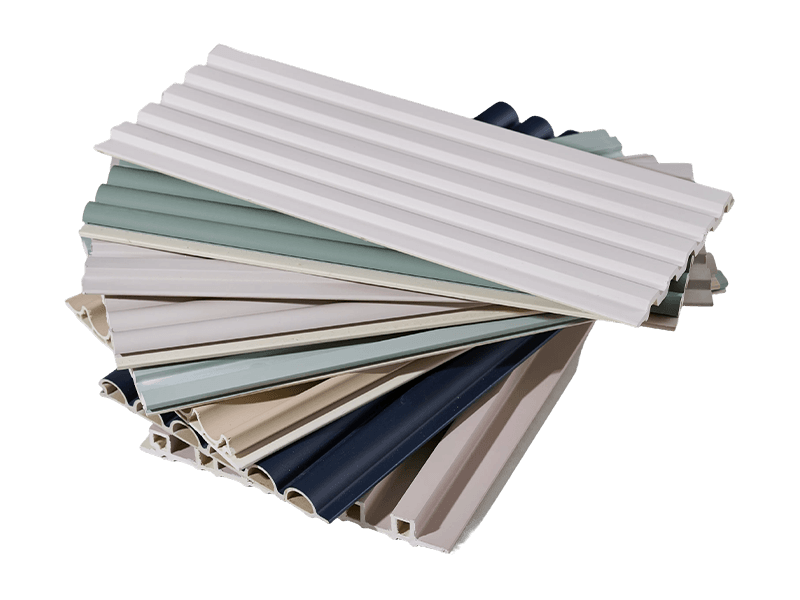
WPC panels create a different design experience through three-dimensional structures. Wood grain finishes, fluted surfaces, matte textures, and embossed patterns add depth that printed wallpaper cannot easily reproduce. This makes wpc panels for interior applications popular for feature walls, TV backgrounds, hotel spaces, offices, and modern residential projects.
- Wallpaper provides flexible colors and decorative patterns.
- WPC panels create physical texture and layered wall effects.
- Panel designs can match contemporary, natural, industrial, or minimalist interiors.
Design Comparison Between WPC Panels and Wallpaper
| Design Aspect | WPC Interior Panels | Wallpaper |
| Surface Style | 3D textures, wood grain, grooves, embossed finishes | Printed patterns, colors, images |
| Visual Feeling | Solid, layered, architectural appearance | Decorative and pattern-focused appearance |
| Common Applications | Feature walls, living rooms, offices, hospitality areas | Bedrooms, rental spaces, accent walls |
Material Structure Determines Wall Performance
The biggest difference between these two materials comes from their construction. Wallpaper is generally made from paper, vinyl, fabric, or non-woven layers. It is attached directly to the wall surface using adhesive. The final performance depends heavily on wall preparation and installation quality.
WPC panels are produced from wood fiber combined with thermoplastic materials. This composite structure creates a rigid board with better dimensional stability compared with traditional wood decoration materials. Many interior WPC products are manufactured with hollow or solid structures, depending on the application requirements.
- Panel thickness: Common interior WPC wall panels range from around 5mm to 25mm depending on the design style and installation method.
- Surface finishing: Options include PVC film coating, hot stamping, wood texture printing, and UV decorative layers.
- Panel width: Popular sizes include 150mm, 160mm, 200mm, and customized dimensions for different wall layouts.
Installation Methods Change the Renovation Experience
Wallpaper installation requires careful measurement, smooth wall preparation, adhesive application, and accurate pattern alignment. Small mistakes may create visible bubbles or uneven joints.
WPC panels usually use clip systems, grooves, screws, or adhesive installation methods. The rigid structure helps cover minor wall imperfections and provides a cleaner finished appearance. Some homeowners also prefer WPC panels because they can create a complete wall transformation without major construction work.
Installation Factors to Consider
- Wall condition: Wallpaper performs better on smooth surfaces, while panels can handle slightly uneven backgrounds.
- Project duration: Panel installation is usually faster for large feature walls because each piece covers a larger area.
- Future changes: Wallpaper is easier to replace with new patterns, while WPC panels offer a more fixed decorative solution.
Moisture Resistance and Daily Use Performance
Different rooms create different challenges for wall decoration. Areas such as kitchens, entrances, hallways, and commercial spaces may experience humidity, stains, or frequent contact.
Many wpc panels for interior projects are selected because the composite material has low water absorption and a stable structure. This makes them suitable for areas where traditional wood or paper-based decorations may require additional protection. Wallpaper can still perform well in dry rooms, but moisture exposure may affect some types of wallpaper over time.
| Usage Scenario | Recommended Material Feature | Reason |
| Living Room Feature Wall | Textured WPC panels | Adds depth and creates a premium visual focus |
| Bedroom Decoration | Wallpaper or lightweight panels | Offers flexible styles and comfortable atmosphere |
| Office Reception Area | Durable WPC wall panels | Creates a professional appearance with stable performance |
| High Humidity Area | Water-resistant wall materials | Reduces concerns related to moisture exposure |
Cost Value Depends on Project Goals
Wallpaper usually has a lower initial material cost and allows frequent style updates. This makes it attractive for short-term decoration projects, rental properties, or homeowners who enjoy changing interior themes regularly.
WPC panels generally require a higher initial investment because of their composite structure and three-dimensional manufacturing process. However, their rigid surface, decorative depth, and longer service period may provide added value for permanent interior projects.
- Wallpaper fits projects focused on quick style changes and pattern variety.
- WPC panels suit spaces requiring stronger visual impact and stable wall finishes.
- Material choice should consider room purpose rather than appearance alone.
Which Wall Solution Matches Modern Interior Needs?
The growing interest in wpc panels for interior decoration reflects a shift toward materials that combine appearance and practical performance. Wallpaper remains valuable because of its creative flexibility, but WPC panels provide a different approach with texture, structure, and a more architectural feeling.
A successful wall makeover is not simply about choosing the decoration material. It is about matching the surface solution with the room environment, design style, and expected usage period. For homeowners seeking a textured feature wall or designers creating modern commercial spaces, WPC panels offer an alternative that goes beyond traditional wall covering methods.