 English
 Español
Zhongsheng
Zhongsheng
Zhongsheng
Zhongsheng
Zhongsheng
Zhongsheng
Zhongsheng
Zhongsheng
Zhongsheng
Zhongsheng
Zhongsheng
Zhongsheng
Zhongsheng
Zhongsheng
Zhongsheng
Creative interior design is moving beyond traditional materials such as wood, metal, and wallpaper. Designers, exhibition builders, and DIY enthusiasts are exploring lightweight materials that can be shaped, finished, and installed more easily. Among these options, foam core plastic sheet products have gained attention because they combine a lightweight structure with a smooth surface suitable for decorative applications.
Unlike heavy construction boards, foam core sheets provide flexibility for temporary installations, interior displays, furniture concepts, wall decorations, and creative models. Their unique cellular structure allows designers to achieve larger decorative effects without adding unnecessary weight to the building structure. Foam core materials are commonly manufactured with a foam center that improves rigidity while keeping the overall density low.
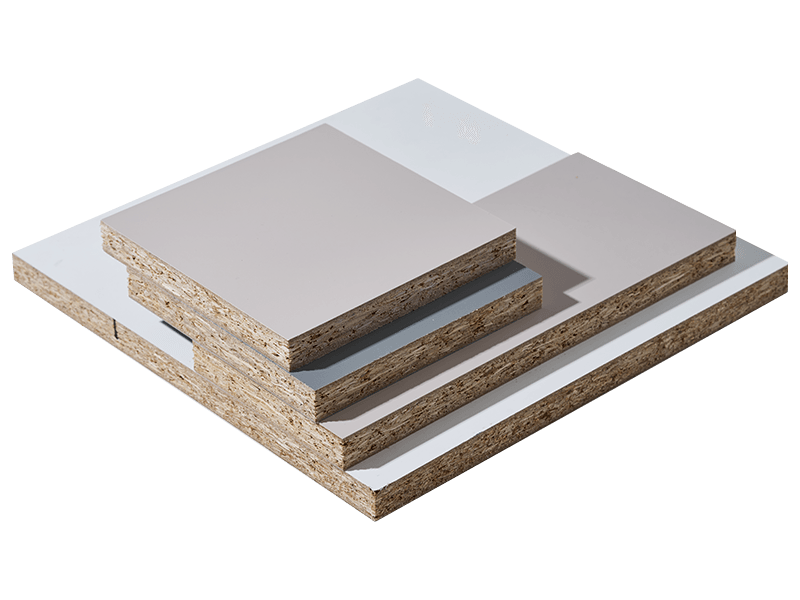
Lightweight Structure Opens More Design Possibilities
One reason designers choose a foam core plastic sheet is its balance between strength and weight. Traditional solid boards may create installation challenges because of their heavy structure, especially for large decorative panels or temporary interior projects.
Foam core sheets usually feature a cellular middle layer that contains small air pockets. This structure reduces material weight while maintaining a stable flat surface. The sandwich-style construction helps improve bending resistance because the outer layers support the internal foam core.
- Easy transportation: Lightweight sheets can be moved and handled with less labor.
- Flexible installation: Panels can be cut into different shapes for customized designs.
- Creative freedom: Designers can build curved surfaces, decorative structures, and display elements.
Common Material Specifications of Foam Core Plastic Sheets
| Parameter | Typical Range | Design Application |
| Thickness | 3mm - 25mm | Wall decoration, display boards, interior structures |
| Surface Finish | Matte, glossy, laminated, printed | Customized visual effects |
| Density | Lightweight cellular structure | Easy handling and shaping |
| Processing Method | Cutting, drilling, bonding, printing | Creative interior fabrication |
Why Designers Use Foam Core Materials for Interior Concepts
Modern interior projects often require materials that can adapt to different design ideas. A restaurant may need unique wall decorations, a retail store may require temporary display structures, and an exhibition booth may need lightweight components that can be assembled quickly.
A foam core plastic sheet offers a practical surface for these applications because it can support various finishing methods. Designers can apply decorative films, paint coatings, digital printing, or laminates to achieve different appearances.
- Retail displays: Creates lightweight shelves, signs, and product presentation structures.
- Interior prototypes: Helps designers test shapes and layouts before permanent construction.
- Event decoration: Suitable for temporary backgrounds, partitions, and themed installations.
- Creative furniture concepts: Supports experimental designs with reduced structural weight.
Surface Quality Makes Decoration More Convenient
Interior designers often need materials that provide both structural support and an attractive finish. Foam core plastic sheets are valued because their smooth surface allows different decorative treatments.
Compared with rough construction materials, foam boards can provide a cleaner base for printing, laminating, or painting. This feature makes them useful for projects where appearance is a key part of the design concept.
Decorative Options Available for Foam Core Sheets
- Digital printing: Suitable for custom graphics, brand displays, and artistic patterns.
- PVC film lamination: Creates wood, stone, or metal visual effects.
- Paint finishing: Allows designers to match specific interior color themes.
- Surface engraving: Produces textured decorative details.
Foam Core Sheets Compared With Traditional Interior Boards
Different interior projects require different material characteristics. Wood boards provide natural appearance and strength, while metal panels offer durability and industrial style. Foam core sheets focus on lightweight construction and creative flexibility.
| Material Type | Main Feature | Suitable Project |
| Foam Core Plastic Sheet | Lightweight, easy to process, smooth surface | Creative displays, temporary structures, decorative projects |
| Wood Board | Natural texture and solid structure | Permanent furniture and interior construction |
| Metal Panel | Strong surface and modern appearance | Commercial and industrial decoration |
| Paper-Based Foam Board | Low weight and simple fabrication | Models, presentations, short-term displays |
Processing Features Support Custom Interior Designs
Another factor behind the popularity of foam core materials is their processing convenience. Many creative projects require cutting unusual shapes, creating layered structures, or producing customized sizes.
A foam core plastic sheet can usually be processed with common fabrication tools. Cutting, drilling, bonding, and surface finishing methods allow designers to create unique interior elements without complex manufacturing equipment.
- Suitable for CNC cutting and customized patterns.
- Compatible with many adhesives and decorative coatings.
- Easy to combine with acrylic, wood veneer, and other decorative materials.
Creative Interior Trends Increase Demand for Flexible Materials
Interior design is becoming more personalized, with homeowners and businesses looking for unique spaces rather than standard decoration styles. This change has increased interest in materials that allow faster experimentation and customized designs.
The growing use of foam core plastic sheet products reflects this demand. From artistic wall panels to exhibition structures, these lightweight boards provide designers with a practical material for transforming ideas into physical spaces.
Is Foam Core Plastic Sheet Suitable for Your Next Interior Project?
A successful interior project depends on choosing materials that match the design purpose, installation requirements, and expected usage period. Foam core sheets are not intended to replace every traditional board, but they provide unique advantages for creative applications where lightweight construction and easy customization matter.
With smooth surfaces, flexible processing options, and a lightweight structure, foam core plastic sheet products continue to attract attention from designers who want more freedom in interior decoration. Whether used for displays, decorative walls, prototypes, or temporary installations, this material provides a practical foundation for turning creative concepts into finished designs.