 English
 Español
Zhongsheng
Zhongsheng
Zhongsheng
Zhongsheng
Zhongsheng
Zhongsheng
Zhongsheng
Zhongsheng
Zhongsheng
Zhongsheng
Zhongsheng
Zhongsheng
Zhongsheng
Zhongsheng
Zhongsheng
Interior and commercial projects often require materials that balance appearance, weight, processing convenience, and long-term stability. Traditional boards such as plywood, MDF, and solid wood have been widely used for decades, but modern applications are creating demand for lighter and more adaptable alternatives. Among these options, expanded foam pvc board has become a practical choice for designers, fabricators, and builders who need a material with flexible processing characteristics.
Made from foamed polyvinyl chloride with a closed-cell structure, expanded PVC board combines a lightweight core with a rigid surface layer. This construction allows the sheet to maintain flatness while reducing overall weight compared with many solid boards. The material is commonly used for interior decoration, display systems, signage, exhibition structures, and customized fabrication projects.
The Material Structure Creates Different Performance Advantages
The unique structure of expanded foam pvc board separates it from conventional wood-based panels. Instead of relying on dense fibers or solid layers, the board contains microscopic foam cells that reduce density while maintaining enough rigidity for many decorative and fabrication applications.
This structure provides several practical characteristics:
- Reduced weight: The foamed core makes large sheets easier to transport, handle, and install.
- Moisture resistance: The closed-cell structure helps limit water absorption compared with many wood-based materials.
- Smooth surface: The flat PVC surface supports printing, painting, laminating, and decorative finishing.
- Easy fabrication: Sheets can be cut, drilled, routed, and shaped for customized designs.
Typical Technical Characteristics of Expanded PVC Board
| Property | Common Specification | Application Value |
| Thickness | 1mm - 30mm | Suitable for decorative panels, displays, and fabricated structures |
| Density | Approximately 0.45 - 0.65 g/cm³ | Provides lightweight handling performance |
| Surface | Matte, glossy, textured, laminated | Supports different design finishes |
| Processing | CNC cutting, drilling, bonding, printing | Allows customized production |
Expanded PVC Board Finds Advantages in Moisture-Sensitive Areas
One major difference between PVC foam boards and traditional wooden boards is their reaction to humidity. Materials such as MDF and plywood may absorb moisture from the environment, which can affect dimensional stability over time.
Expanded foam pvc board is often selected for areas where occasional moisture exposure may occur, including bathroom cabinets, kitchen decorative panels, wall coverings, and indoor commercial spaces. The closed-cell structure helps reduce concerns related to swelling, warping, and surface damage caused by humidity.
- Bathroom wall decoration requiring moisture-resistant materials.
- Commercial interiors where cleaning frequency is high.
- Marine interior applications such as cabin panels and storage components.
Why Does Expanded PVC Board Fit Creative Fabrication Projects?
Modern interior design increasingly includes customized shapes, curved surfaces, and unique decorative elements. Traditional boards may require additional equipment or reinforcement during processing, while expanded PVC sheets offer easier machining characteristics.
Designers can use the material to create:
- Retail displays: Lightweight shelves, product stands, and promotional structures.
- Exhibition booths: Temporary walls, graphic panels, and decorative frameworks.
- Interior features: Wall panels, room dividers, and customized decorative pieces.
- Signage systems: Printed boards, 3D letters, and display backgrounds.
Expanded PVC Board vs Traditional Boards: Application Comparison
Choosing between materials depends on the purpose of the project. Wood-based boards still provide advantages in furniture manufacturing and heavy-duty structures, while expanded PVC boards offer specific benefits for lightweight and decorative applications.
| Project Requirement | Expanded PVC Board | Traditional Board Materials |
| Lightweight Installation | Suitable for large panels and temporary structures | Usually requires stronger support systems |
| Moisture Exposure | Handles humid environments better | May require sealing or protective coatings |
| Custom Cutting | Easy routing, drilling, and shaping | Processing depends on material type |
| Surface Decoration | Suitable for printing and laminating | Often requires additional finishing layers |
How Does Surface Treatment Expand Design Options?
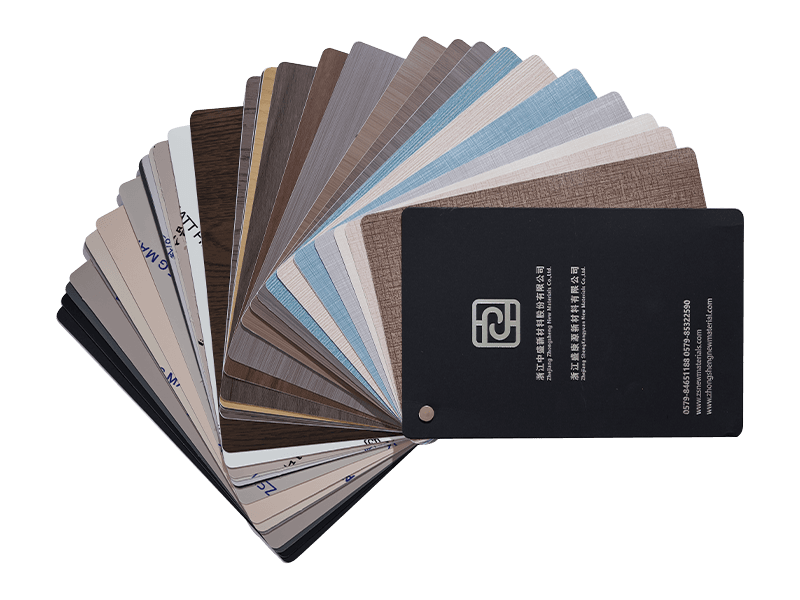
A major reason behind the use of expanded foam pvc board is its compatibility with different surface treatments. The smooth PVC layer provides a stable base for designers who want customized appearances.
Common finishing methods include:
- Digital printing: Creates detailed graphics for signs, displays, and branded spaces.
- Lamination: Adds wood, stone, metallic, or decorative patterns.
- Painting: Allows color customization for interior concepts.
- CNC engraving: Produces three-dimensional designs and customized textures.
Which Projects Benefit More From Expanded PVC Board?
Expanded PVC board is not designed to replace every traditional construction material. Heavy structural applications may still require wood, metal, or reinforced composites. However, projects focused on decorative performance, easy fabrication, and lightweight installation can benefit from this material.
The growing adoption of expanded foam pvc board shows how interior and display industries are searching for more flexible material solutions. From retail environments to customized interior projects, its combination of low weight, stable structure, and processing convenience provides designers with more possibilities.
A Flexible Material Choice for Modern Design Applications
Material selection directly affects the appearance, installation process, and usability of a project. Expanded PVC board provides a balance between decorative quality and practical performance, making it suitable for applications where traditional boards may create limitations.
With advantages in fabrication, moisture resistance, and surface customization, expanded foam pvc board continues to gain attention across interior decoration, commercial displays, and creative manufacturing fields. For projects requiring lightweight panels with reliable finishing options, this material offers a modern alternative to conventional board solutions.