 English
 Español
Zhongsheng
Zhongsheng
Zhongsheng
Zhongsheng
Zhongsheng
Zhongsheng
Zhongsheng
Zhongsheng
Zhongsheng
Zhongsheng
Zhongsheng
Zhongsheng
Zhongsheng
Zhongsheng
Zhongsheng
Refreshing an interior space does not always require replacing furniture, repainting walls, or starting a large renovation project. More homeowners, designers, and commercial property owners are exploring flexible surface decoration materials that can create a new appearance with less construction work. Among these solutions, decorative self adhesive film has become a practical option for updating walls, cabinets, doors, glass surfaces, and furniture panels.
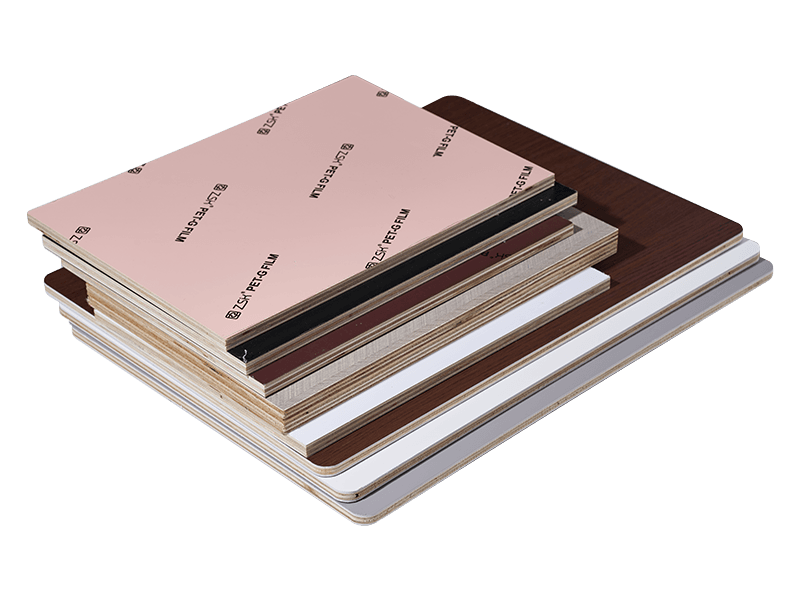
Unlike traditional decorative methods that may require professional installation or long preparation periods, self adhesive films combine a decorative surface layer with a pressure-sensitive adhesive backing. This structure allows the material to be applied directly onto smooth surfaces after basic cleaning and preparation. Decorative films are available in wood grain, stone texture, metallic finishes, solid colors, and customized patterns, making them suitable for different interior styles.
A New Approach to Interior Updates Without Major Renovation
Interior transformation often involves balancing visual improvement with project limitations. Large renovation work may require removing existing surfaces, creating dust, increasing costs, and extending project schedules. A decorative self adhesive film offers another approach by covering existing surfaces and creating a refreshed appearance.
This material is especially attractive for projects that require quick visual changes, such as rental apartments, retail stores, offices, hotels, and home improvement projects. Instead of replacing a cabinet door or furniture panel, designers can apply a decorative film with a new texture or color to achieve a different style.
- Furniture renewal: Updates outdated cabinets, tables, shelves, and storage units.
- Wall decoration: Creates customized backgrounds and accent surfaces.
- Commercial interiors: Refreshes reception areas, counters, and display spaces.
- Glass decoration: Adds privacy effects or decorative patterns to glass partitions.
Typical Structure of Decorative Self Adhesive Film
| Layer | Material Function | Design Value |
| Protective Layer | Improves scratch resistance and surface durability | Helps maintain appearance during daily use |
| Decorative Layer | Provides color, texture, and visual patterns | Creates wood, stone, fabric, or metallic effects |
| Adhesive Layer | Attaches film to the target surface | Supports convenient installation |
| Release Liner | Protects adhesive before application | Makes handling easier during installation |
Why Are Designers Using Decorative Films Instead of Traditional Finishes?
Traditional materials such as natural wood veneer, stone panels, and painted surfaces provide attractive results, but they may require more preparation, specialized tools, or higher installation costs. Decorative films provide a different solution by reproducing the appearance of these materials through printed textures and embossed surfaces.
A high-quality decorative self adhesive film can imitate natural materials while maintaining a thinner and lighter structure. Architectural films are also used to recreate finishes such as wood, stone, metal, leather, and fabric on walls, doors, cabinets, and furniture surfaces.
- Wood patterns create a warm and natural interior atmosphere.
- Stone textures provide a modern appearance without heavy panels.
- Metallic finishes support contemporary commercial designs.
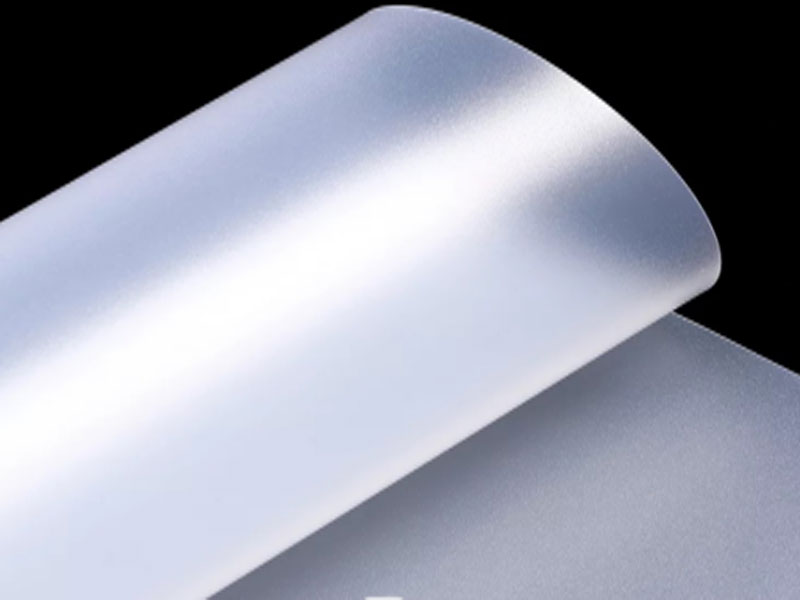
- Matte surfaces reduce reflections and create a softer visual effect.
Surface Compatibility Determines the Final Result
Although decorative film is designed for convenient application, the quality of the finished surface depends greatly on the base material. Smooth, clean, and dry surfaces generally provide better adhesion performance.
Suitable application surfaces commonly include:
- Wood panels: Cabinet doors, furniture boards, and decorative panels.
- Glass surfaces: Office partitions, windows, and decorative screens.
- Metal surfaces: Equipment covers and commercial fixtures.
- Plastic surfaces: Smooth interior components and display structures.
Installation guides for decorative films commonly recommend cleaning the surface, measuring accurately, removing the protective liner, and using tools such as a squeegee to reduce bubbles during application. Films are generally designed for smooth surfaces rather than heavily textured backgrounds.
Decorative Film Applications Across Different Spaces
The flexibility of self adhesive film allows it to serve different interior purposes. Residential users may focus on furniture updates, while commercial designers often use films to maintain a consistent brand style across multiple locations.
| Space Type | Common Application | Visual Effect |
| Kitchen | Cabinet wrapping and countertop decoration | Creates updated wood, marble, or solid-color styles |
| Office | Glass partitions and wall surfaces | Adds privacy and professional appearance |
| Retail Store | Display counters and feature areas | Supports seasonal or brand-focused designs |
| Hotel Interior | Doors, panels, and decorative surfaces | Maintains consistent design themes |
Does Self Adhesive Film Support DIY Interior Projects?
One reason behind the popularity of decorative self adhesive film is its accessibility for small-scale renovation projects. Homeowners can update selected surfaces without replacing entire furniture pieces or hiring large installation teams.
Basic installation usually involves several steps:
- Cleaning the surface to remove dust, oil, and particles.
- Measuring the application area and cutting the film with suitable allowance.
- Applying the film gradually while smoothing the surface.
- Trimming edges carefully for a neat finished appearance.
Some decorative films can also be removed later, which makes them attractive for temporary spaces or interior updates that may change in the future. However, removal performance depends on the adhesive type, surface condition, and installation period.
What Technical Features Should Buyers Consider?
Different projects require different film characteristics. A decorative film used on a cabinet surface may need stronger wear resistance, while a wall decoration project may focus more on appearance and easy application.
- Thickness: Common interior films are often produced around 0.1mm to 0.3mm depending on the application.
- Surface finish: Options include matte, glossy, embossed, textured, and printed designs.
- Adhesive type: Different adhesives are designed for temporary or long-term applications.
- Temperature resistance: Important for kitchens, commercial environments, and areas with changing conditions.
Could Decorative Self Adhesive Film Change Future Interior Decoration?
The growing use of decorative self adhesive film reflects a changing approach to interior design. Instead of replacing every existing surface, designers and homeowners are looking for materials that allow more flexibility, customization, and faster visual updates.
Self adhesive film is not a replacement for every traditional finishing material, but it provides a valuable option for projects that require decorative effects with simpler installation. From furniture renewal to commercial interior upgrades, this material offers a practical way to transform ordinary surfaces into personalized design elements.
As interior styles continue to evolve, decorative films provide a bridge between creativity and convenience, helping more spaces achieve a refreshed appearance without extensive renovation processes.