 English
 Español
Zhongsheng
Zhongsheng
Zhongsheng
Zhongsheng
Zhongsheng
Zhongsheng
Zhongsheng
Zhongsheng
Zhongsheng
Zhongsheng
Zhongsheng
Zhongsheng
Zhongsheng
Zhongsheng
Zhongsheng
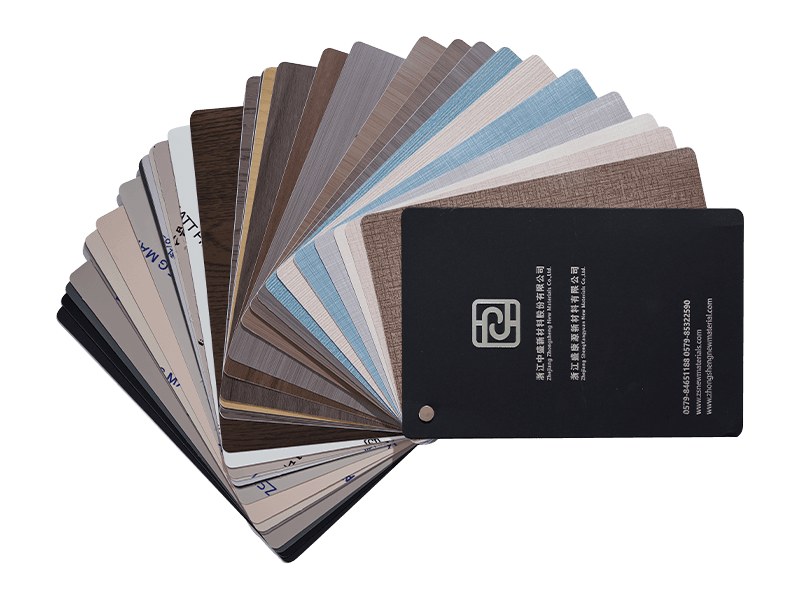
Choosing a wall covering is not only about the color or pattern shown on a product sample. The finished wall can look noticeably different once several plastic wall cladding sheets are installed together. Panel size, joint alignment, surface texture, lighting, and the condition of the wall behind the sheets can all influence the final appearance.
This is particularly important for large-format PVC wall panels. A sample may show a clean marble pattern or solid color, while a completed wall presents a much larger visual surface. Understanding the factors behind that change helps buyers, contractors, and interior designers plan a more consistent result.
Panel Size Changes the Visual Balance
The dimensions of plastic wall cladding sheets can affect how a room is visually divided. Large sheets create fewer vertical or horizontal joints, while smaller panels create a more segmented appearance.
| Panel Characteristic | Possible Visual Effect |
| Large-format sheet | Cleaner and more continuous wall surface |
| Narrow panel | More visible lines and stronger panel definition |
| Gloss surface | Reflects light and highlights surface details |
| Matt surface | Produces a softer, less reflective appearance |
| Patterned sheet | Joint alignment can influence pattern continuity |
Commercial PVC cladding products can be supplied in formats such as 2440 × 1220 mm or 3050 × 1220 mm, with thicknesses ranging from around 1.5 mm to 3.0 mm in some product ranges. Larger sheets can visually reduce the number of joints across a wall.
Pattern Direction Matters
Wood grain, stone textures, geometric graphics, and digitally printed designs may require careful alignment. A small change in panel orientation can make the pattern appear interrupted, even though every individual sheet is correctly installed.
- Wood-effect designs benefit from consistent grain direction.
- Marble-effect panels may require vein alignment across adjacent sheets.
- Geometric patterns need accurate panel positioning.
- Plain colors generally make joint alignment less visually noticeable.
Joints Can Change the Overall Appearance
The joint is a functional part of a wall cladding system, but it also becomes a visible design element. H-sections, joining profiles, corner trims, and sealant lines can create either subtle transitions or clearly defined divisions between panels.
Some PVC systems use H-shaped joining profiles between sheets and J-shaped edge profiles at the top and bottom. These components help secure the panels while creating a controlled finish.
Joint width deserves particular attention. Installation guidance for different plastic sheet systems may specify expansion allowances such as 2–4 mm, depending on the material and system. Acrylic-based wall cladding, for example, may require around 4 mm between sheets, while other PVC systems use smaller allowances.
That means joint dimensions should not simply be copied from another panel system. The recommended allowance needs to match the actual sheet material and installation profile.
Wall Flatness Can Affect the Finished Surface
A visually attractive sheet cannot completely hide an uneven substrate. Dips, raised areas, loose coatings, and surface debris can influence how a panel sits against the wall.
Three Conditions Worth Checking
- Flatness: Uneven areas may create visible shadows or irregular reflections.
- Cleanliness: Dust and loose particles can interfere with adhesive contact.
- Dryness: The substrate should meet the installation requirements of the selected cladding system.
Installation guidance commonly recommends a dry, clean, and reasonably flat substrate before applying plastic wall cladding sheets. Surface preparation is therefore part of the visual design process rather than simply a construction step.
Temperature Movement Can Influence the Appearance
PVC and other plastic materials can expand and contract with temperature changes. A sheet installed tightly against surrounding profiles may not have sufficient room for this movement.
Installation systems therefore incorporate expansion space at joints, corners, ceilings, and other fixed points. Some PVC cladding instructions specify approximately 2–3 mm of clearance, while particular systems use different values.
| Design Detail | Why It Matters Visually |
| Expansion clearance | Allows controlled material movement |
| Consistent joint spacing | Keeps panel lines visually uniform |
| Corner profiles | Creates cleaner transitions at wall intersections |
| Accurate cutting | Reduces irregular edges around openings |
Lighting Can Make the Same Sheet Look Different
Surface finish has a strong relationship with lighting. A glossy plastic wall panel can reflect ceiling lights, windows, or directional spotlights, making certain areas appear brighter. A matt or textured finish generally distributes reflected light differently.
This effect explains why a panel sample viewed horizontally on a showroom table may not look identical after vertical installation. The viewing angle, light direction, surrounding colors, and wall size all change the visual presentation.
What Should Buyers Check Before Installation?
- Request a physical sample rather than judging the finish from a small digital image alone.
- Check the actual sheet dimensions and thickness.
- Confirm the recommended joint and expansion allowance.
- Review how patterns should be aligned across adjacent sheets.
- Inspect the wall substrate before installation begins.
- Consider the room's lighting before choosing glossy or textured finishes.
A Sample Shows the Material; Installation Shows the Design
The appearance of plastic wall cladding sheets does not depend on the sheet alone. Dimensions, surface finish, pattern direction, joint treatment, substrate condition, and temperature movement all contribute to the finished wall.
A well-planned installation therefore starts before the initial sheet reaches the wall. Matching the panel specification with the room dimensions and installation system can create a more visually consistent surface and help the finished design stay close to the intended appearance.