 English
 Español
Zhongsheng
Zhongsheng
Zhongsheng
Zhongsheng
Zhongsheng
Zhongsheng
Zhongsheng
Zhongsheng
Zhongsheng
Zhongsheng
Zhongsheng
Zhongsheng
Zhongsheng
Zhongsheng
Zhongsheng
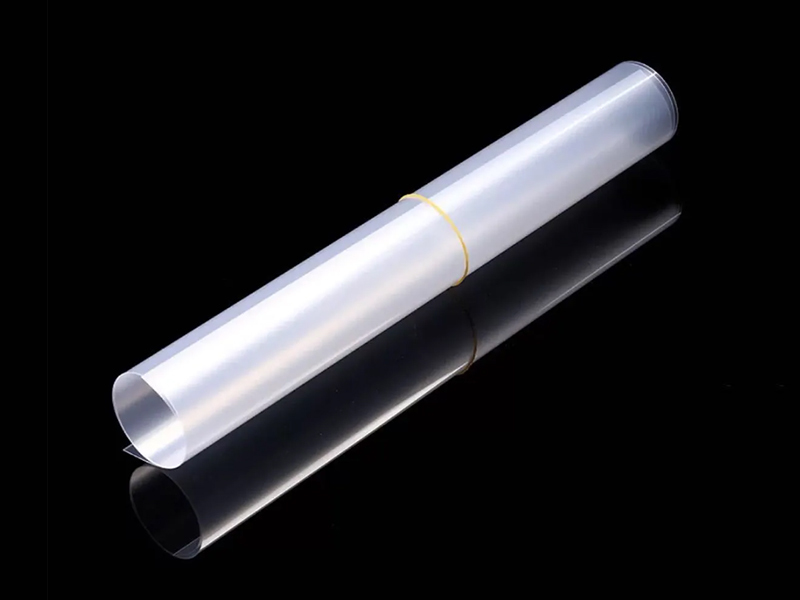
PET (polyethylene terephthalate) sheet and film are widely used in packaging, electronics, printing, and industrial applications. Known for clarity, strength, and chemical resistance, PET film is a common choice for food packaging, protective laminates, labels, and insulation. However, as PET usage grows, public concerns have emerged around environmental impact, recycling, health safety, and supply chain stability.
Environmental Impact and Plastic Waste
One of the discussed topics is PET's environmental footprint. PET is a type of plastic that can persist in the environment if not properly managed. Concerns focus on plastic waste accumulation, microplastics, and the carbon emissions associated with production.
PET recyclability: PET is one of the recyclable plastics. It can be mechanically recycled into new containers, fibers, and sheets. Recycled PET (rPET) is increasingly used in packaging and textiles.
Waste management challenges: The environmental impact largely depends on collection and recycling systems. In regions with limited recycling infrastructure, PET products may end up in landfills or the environment.
Energy and emissions: Producing PET requires energy and raw materials derived from fossil fuels. Using recycled PET reduces energy consumption and greenhouse gas emissions compared with producing virgin PET.
PET sheet/film can be a relatively sustainable option when integrated into a circular economy with effective recycling and reuse systems. However, waste management remains a key public concern.
Food Safety and Chemical Migration
PET film is widely used for food packaging due to its strength, transparency, and barrier properties. Food safety is a major topic of public concern, particularly regarding chemical migration and material safety.
Food-grade PET: PET used for food packaging is generally recognized as safe when manufactured according to regulatory standards. It has a stable chemical structure and is resistant to many food substances.
Low migration risk: PET has low permeability and is less likely to leach harmful chemicals compared with some other plastics. It is commonly used for bottled water, food trays, and cling films.
Regulatory compliance: PET packaging must meet food safety regulations in each region, such as FDA approval in the United States or EFSA standards in the European Union.
While PET is considered safe for food packaging applications, manufacturers must ensure proper material quality, production processes, and compliance with local regulations.
Recycling and rPET Demand
Recycling and the use of recycled PET (rPET) are major industry and public concerns. As demand for sustainable packaging increases, many brands and governments encourage higher rPET content in products.
Growing rPET market: rPET is used in bottles, sheets, fibers, and thermoformed products. It helps reduce reliance on virgin PET and decreases waste.
Quality control: Recycling PET requires sorting, cleaning, and processing to remove contaminants. Maintaining clarity and mechanical properties is important for high-quality rPET products.
Cost and availability: rPET prices and availability depend on collection rates and recycling capacity. In some regions, limited recycling infrastructure can restrict rPET supply.
Increasing the use of rPET supports circularity but requires coordinated efforts across collection, processing, and manufacturing.
Supply Chain and Material Price Fluctuations
The PET sheet/film market is affected by global supply chain conditions and raw material prices. Recent years have seen volatility in petrochemical feedstock prices, which impacts PET production costs.
Raw material dependence: PET is produced from ethylene glycol and terephthalic acid, which are derived from petroleum. Fluctuations in oil prices can affect PET sheet/film costs.
Production capacity: PET production capacity is influenced by investment in manufacturing plants, regional demand, and regulatory policies. Supply shortages or disruptions can affect availability.
Trade and logistics: Transportation costs, tariffs, and shipping delays can influence PET sheet/film pricing and lead times.
For manufacturers and buyers, monitoring market trends and maintaining supply chain flexibility is important to manage costs and ensure steady supply.