 English
 Español
Zhongsheng
Zhongsheng
Zhongsheng
Zhongsheng
Zhongsheng
Zhongsheng
Zhongsheng
Zhongsheng
Zhongsheng
Zhongsheng
Zhongsheng
Zhongsheng
Zhongsheng
Zhongsheng
Zhongsheng
What is PETG film, and how does it differ from standard PET or vinyl films?
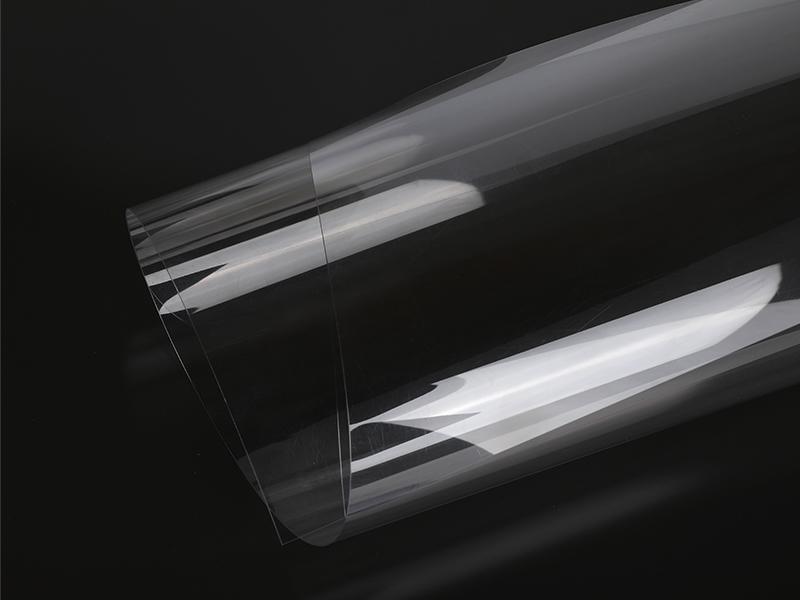
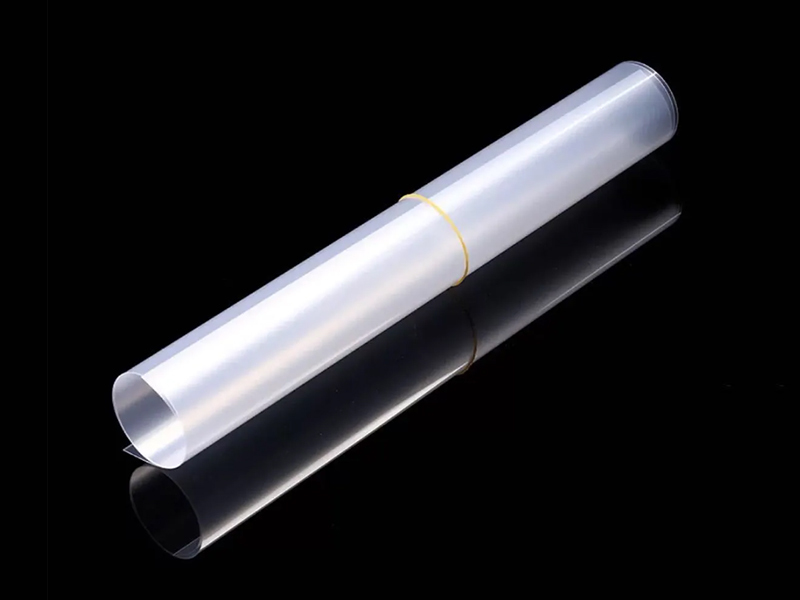
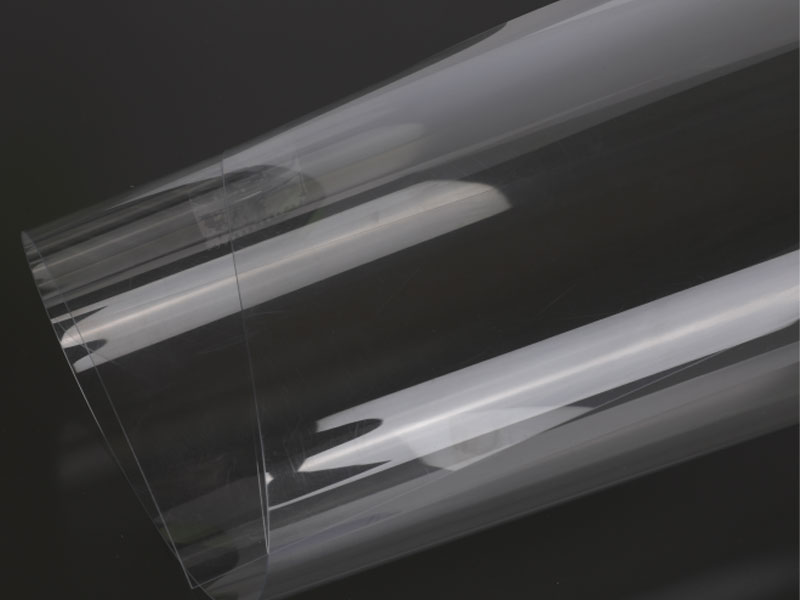
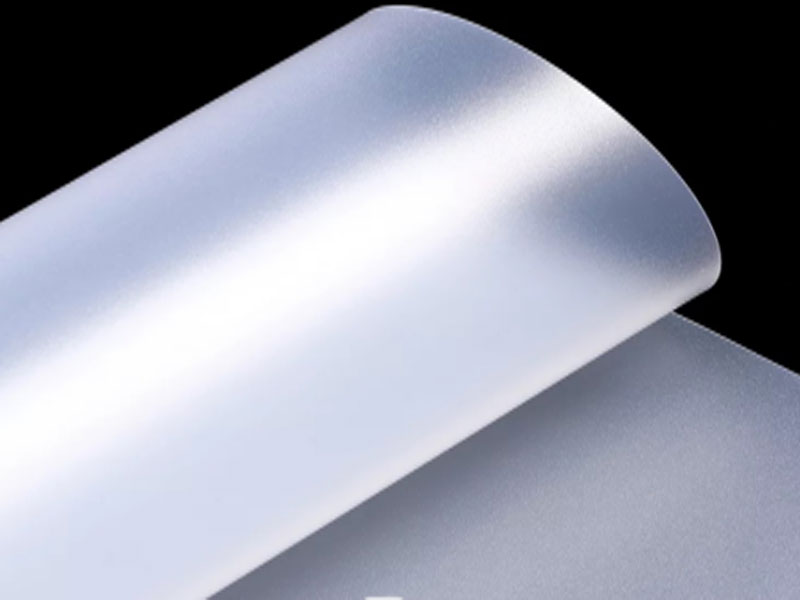
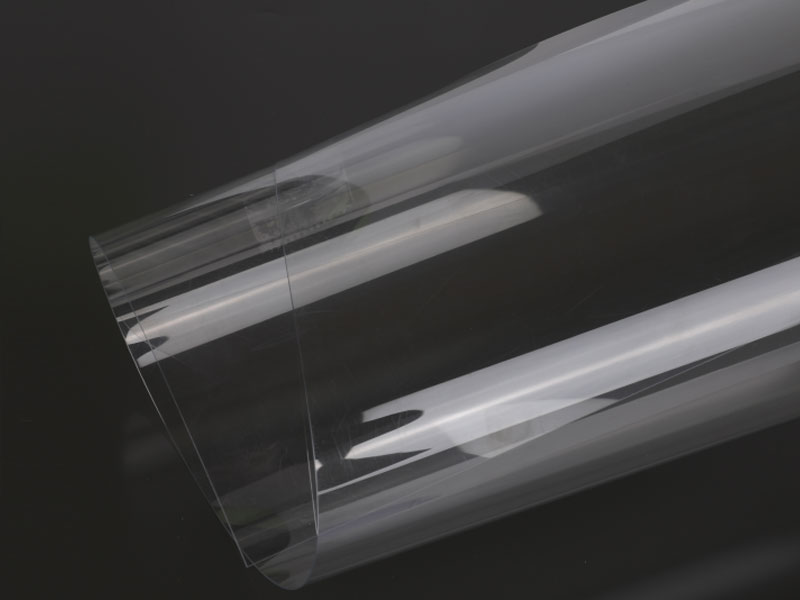
PETG is a copolymer derived from PET (Polyethylene Terephthalate). The modification process involves adding a glycol component during polymerization. This chemical alteration changes the material's physical properties. The notable differences from standard PET are increased toughness and impact resistance, and a significant reduction in brittleness. PETG remains clearer and more rigid than standard PET at room temperature and does not crystallize as readily, which helps maintain its clarity and dimensional stability.
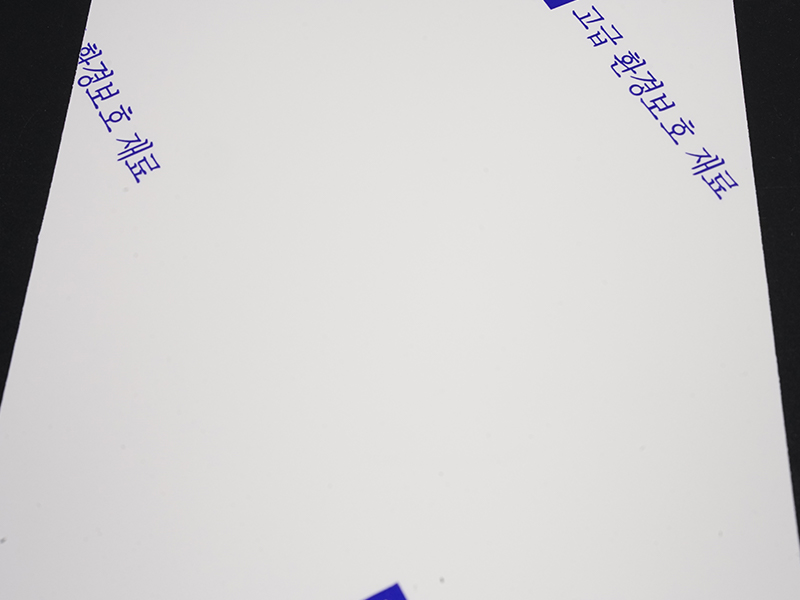
When compared to common vinyl films (like PVC-based calendered or cast vinyl), PETG film has distinct advantages. It is inherently rigid or semi-rigid, offering more structural integrity than flexible vinyl, which makes it suitable for forming over gentle curves or for use as a self-supporting panel. PETG is also known for its clarity and color consistency. From an environmental and safety perspective, PETG does not contain chlorine (unlike PVC) and does not require plasticizers to achieve flexibility, which can migrate or emit volatile organic compounds (VOCs). This makes it a preferred choice in applications where material composition is regulated, such as in certain consumer products or interior spaces.
What are the primary applications for PETG decorative film?
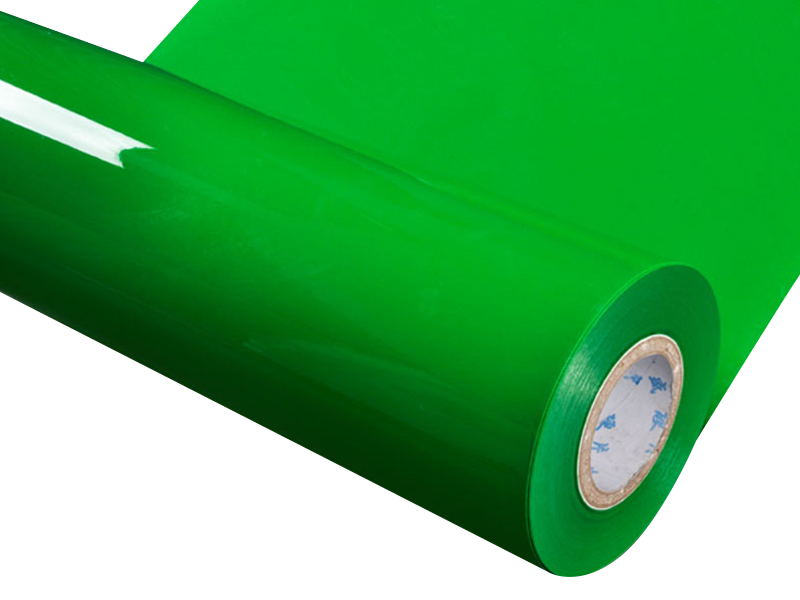
PETG film is used in several sectors where durability, aesthetics, and formability are required. A major application is in point-of-purchase (POP) displays and retail signage. Its ability to be printed with high-quality graphics using UV or solvent inks, coupled with its toughness, makes it suitable for durable signs, shelving overlays, and promotional displays that must withstand handling.
Another significant use is in interior decoration and surface finishing. PETG films are laminated to substrates like medium-density fibreboard (MDF), plywood, or acrylic to create decorative panels for furniture, wall cladding, and cabinetry. The film can emulate materials like wood grain, metal, or stone with a consistent finish. Furthermore, its use in appliance and automotive interiors is common, where it is thermoformed into components like control panel overlays or interior trim pieces, providing a durable, scratch-resistant, and visually consistent surface.
How is PETG decorative film typically applied or installed?
The application method depends on the substrate and the final product's requirements. The common industrial process is flatbed laminating. In this method, a sheet of PETG film is precisely aligned over a rigid substrate (e.g., MDF) and bonded using an adhesive, often activated by heat and pressure in a laminating press. This creates a permanent, high-strength bond.
For more complex, three-dimensional shapes, thermoforming is the standard process. A printed or solid-colored PETG sheet is heated until pliable and then vacuum-formed or pressure-formed over a mold. This allows the film to take on the shape of items like faceplates, kiosk housings, or contoured interior panels. For simpler applications, such as applying film to an existing flat surface, a pressure-sensitive adhesive (PSA) backing can be added to the PETG film. This creates a self-adhesive product that can be applied similarly to a large sticker, though this is less common for rigid PETG and more typical for thinner, flexible versions.
What are the limitations or important handling considerations for PETG film?
While durable, PETG film has specific limitations that affect its use. A primary consideration is its susceptibility to scratching. Although it has good impact resistance, its surface can be marred by abrasive cleaners or sharp objects. For high-traffic areas, a protective overlaminate with a harder coating (like polyurethane) is often applied after printing. PETG also has a defined heat resistance. Its glass transition temperature (the point at which it begins to soften) is typically around 80-88°C (176-190°F). This makes it unsuitable for applications near high-heat sources like oven doors or engine compartments where temperatures can exceed this range.
From a processing standpoint, PETG is hygroscopic, meaning it can absorb moisture from the air. If sheets are not stored in a controlled environment or dried before thermoforming, the absorbed moisture can turn to steam during heating, causing bubbles, haze, or surface defects (known as "sizzle") in the finished part. Proper material storage and pre-drying are necessary steps in manufacturing. Finally, while PETG has good chemical resistance to many substances, it can be attacked by strong alkalis and certain aromatic hydrocarbons, so its compatibility with cleaning agents and environmental exposures must be verified for the intended application.