 English
 Español
Zhongsheng
Zhongsheng
Zhongsheng
Zhongsheng
Zhongsheng
Zhongsheng
Zhongsheng
Zhongsheng
Zhongsheng
Zhongsheng
Zhongsheng
Zhongsheng
Zhongsheng
Zhongsheng
Zhongsheng
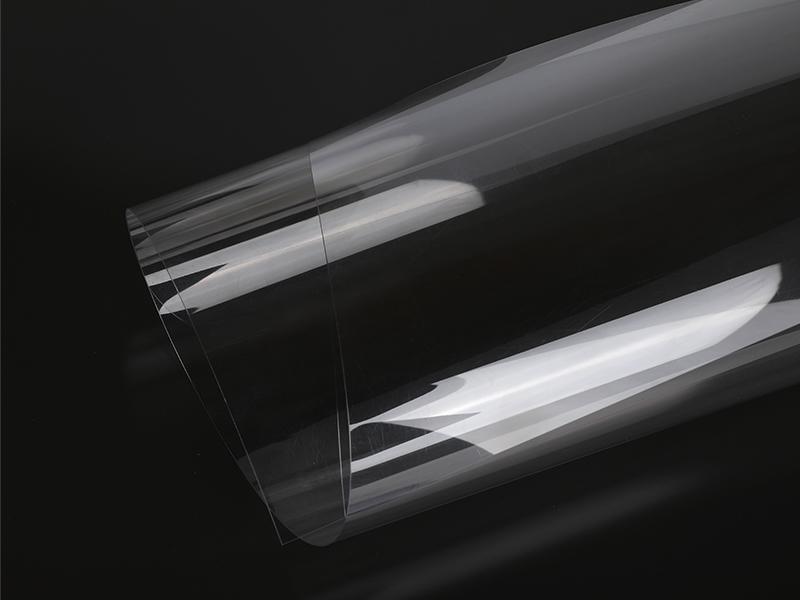
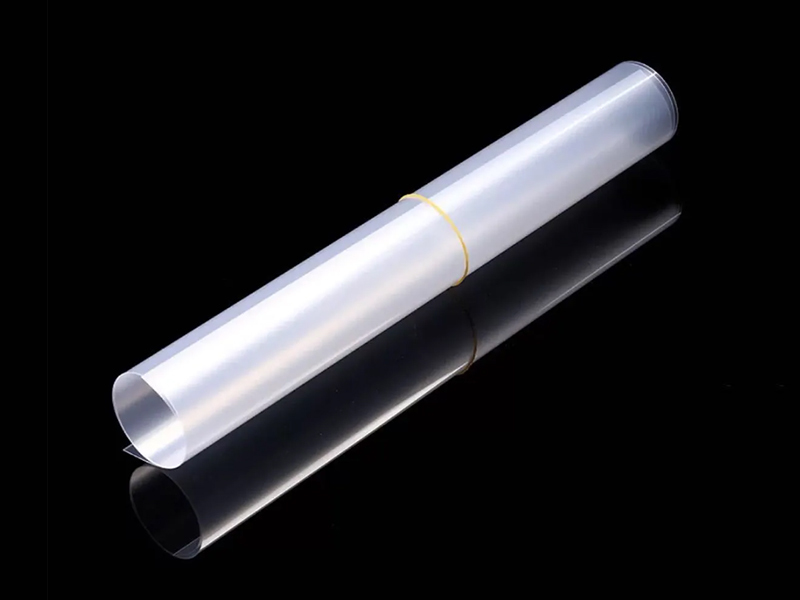
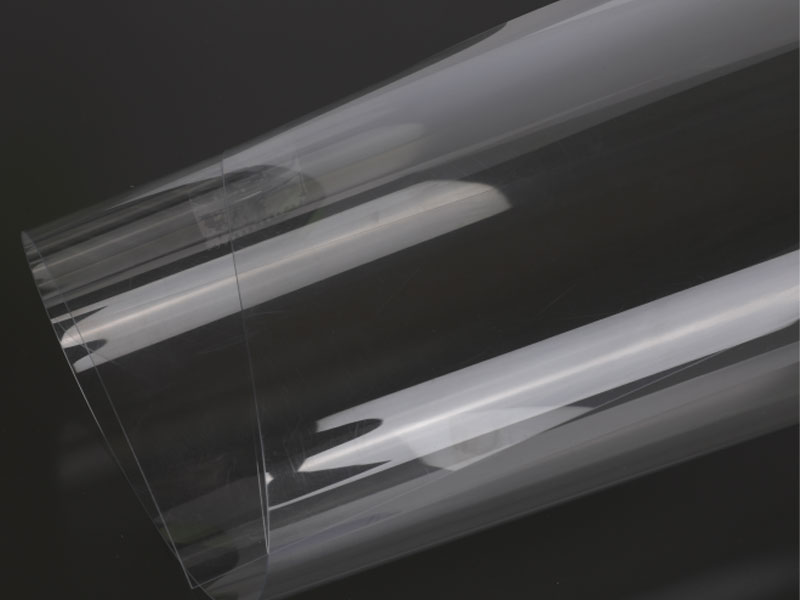
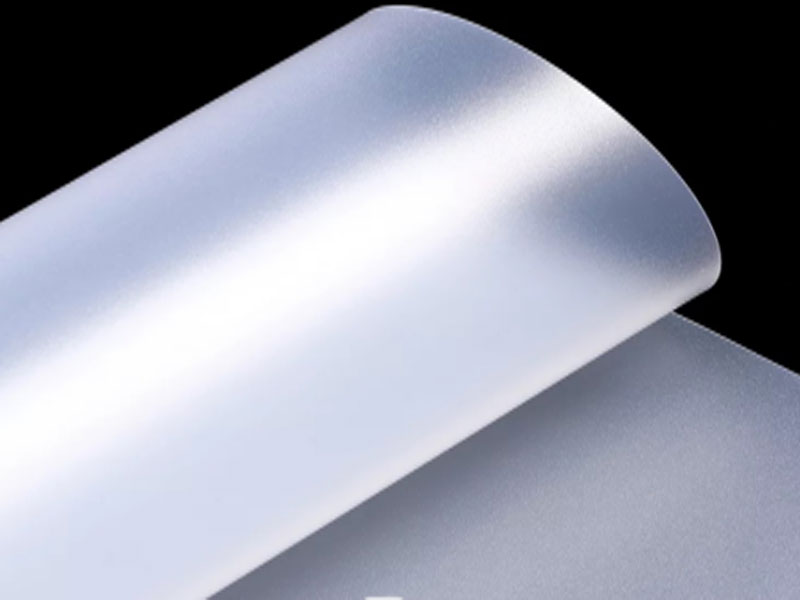
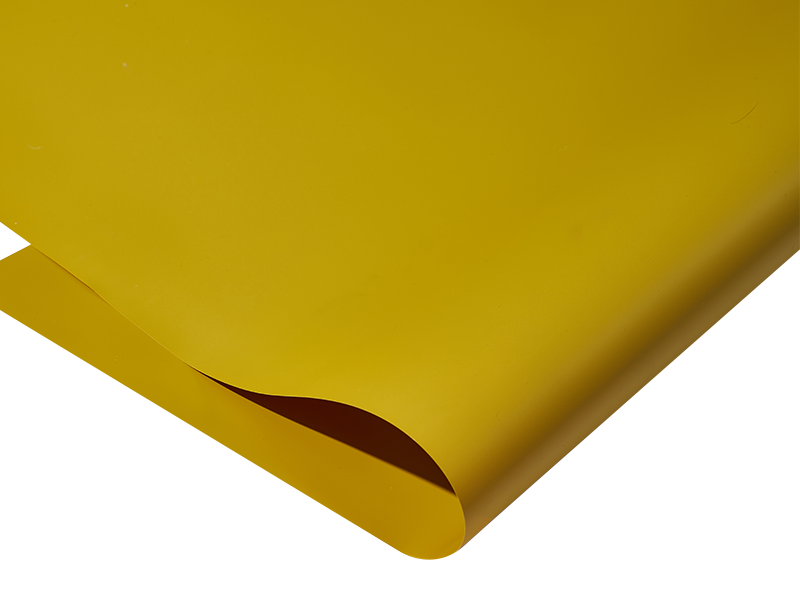
PETG EB film refers to a polyethylene terephthalate glycol-modified (PETG) film that has undergone electron beam (EB) curing or treatment. This combination of material and processing technology results in a film with enhanced surface properties, mechanical stability, and application versatility. PETG itself is widely used due to its clarity, toughness, and ease of thermoforming, while EB technology further modifies its performance without requiring chemical initiators.
What Is PETG EB Film and How Is It Produced?
PETG EB film is based on PETG resin, which is a copolyester modified with glycol to reduce crystallinity. This modification improves clarity and impact resistance while making the material easier to process compared to standard PET.
The EB (electron beam) process involves exposing the PETG film to high-energy electrons. This treatment can initiate cross-linking or curing reactions in coatings applied to the film surface. Unlike traditional UV curing, EB curing does not require photoinitiators, which can be beneficial in applications where chemical residues must be minimized.
The production process typically includes the following steps:
· Extrusion of PETG Film:
PETG resin is melted and extruded into thin film form, followed by cooling and winding.
· Surface Coating Application:
Functional coatings, such as scratch-resistant or anti-fog layers, may be applied to the film surface.
· Electron Beam Curing:
The coated film passes through an EB curing unit, where high-energy electrons initiate rapid curing or cross-linking of the coating.
· Slitting and Finishing:
The film is then cut into required widths and prepared for downstream applications.
What Are the Key Properties of PETG EB Film?
PETG EB film combines the inherent properties of PETG with the enhancements provided by EB treatment. These properties make it suitable for various technical and commercial applications.
· Transparency and Optical Clarity:
PETG offers high light transmission, making it suitable for applications requiring clear visibility, such as packaging or display panels.
· Impact Resistance:
Compared to standard PET, PETG has improved toughness, reducing the likelihood of cracking during handling or forming.
· Surface Hardness (After EB Treatment):
EB-cured coatings can increase surface hardness, improving resistance to scratches and abrasion.
· Chemical Resistance:
The film demonstrates resistance to certain chemicals, which is beneficial in environments where exposure to cleaning agents or solvents occurs.
· Thermoformability:
PETG can be easily thermoformed into complex shapes without significant stress whitening or cracking.
· Low Residual Content:
Since EB curing does not rely on photoinitiators, the final product may have fewer residual chemicals, which is relevant in sensitive applications.
Where Is PETG EB Film Commonly Used?
PETG EB film is used across multiple industries due to its balanced mechanical and surface properties. Common application areas include:
· Medical Packaging:
The low residual content and clarity make PETG EB film suitable for packaging medical devices, where cleanliness and visibility are important.
· Protective Films:
EB-cured coatings enhance scratch resistance, making the film useful as a protective layer for displays, panels, or decorative surfaces.
· Printing and Graphics:
PETG films provide a stable substrate for printing, and EB-treated surfaces can improve ink adhesion and durability.
· Electronics and Displays:
Used in screen protection layers or optical components due to its clarity and dimensional stability.
What Are the Processing Considerations for PETG EB Film?
When working with PETG EB film, several processing factors should be taken into account to ensure consistent performance:
· Temperature Control:
PETG has a lower melting point compared to standard PET, so precise temperature control is necessary during extrusion and thermoforming.
· Coating Compatibility:
The effectiveness of EB curing depends on the formulation of the applied coating. Not all coatings are suitable for EB processes.
· Thickness Uniformity:
Maintaining consistent film thickness is important for optical clarity and mechanical performance.
· Handling and Storage:
Although EB treatment improves surface properties, the film should still be handled carefully to avoid contamination or physical damage.
· Equipment Requirements:
EB curing requires specialized equipment, which may involve a higher initial investment compared to conventional curing systems.