 English
 Español
Zhongsheng
Zhongsheng
Zhongsheng
Zhongsheng
Zhongsheng
Zhongsheng
Zhongsheng
Zhongsheng
Zhongsheng
Zhongsheng
Zhongsheng
Zhongsheng
Zhongsheng
Zhongsheng
Zhongsheng
Decorative plastic sheets have become ubiquitous in modern interior design, retail displays, furniture manufacturing, and architectural applications. These versatile materials offer designers and builders the ability to achieve specific aesthetic effects while benefiting from the practical properties of plastics—durability, moisture resistance, and consistent quality. Despite their widespread use, many consumers and professionals have questions about what these products are, how they differ from one another, and how to select the right type for specific applications.
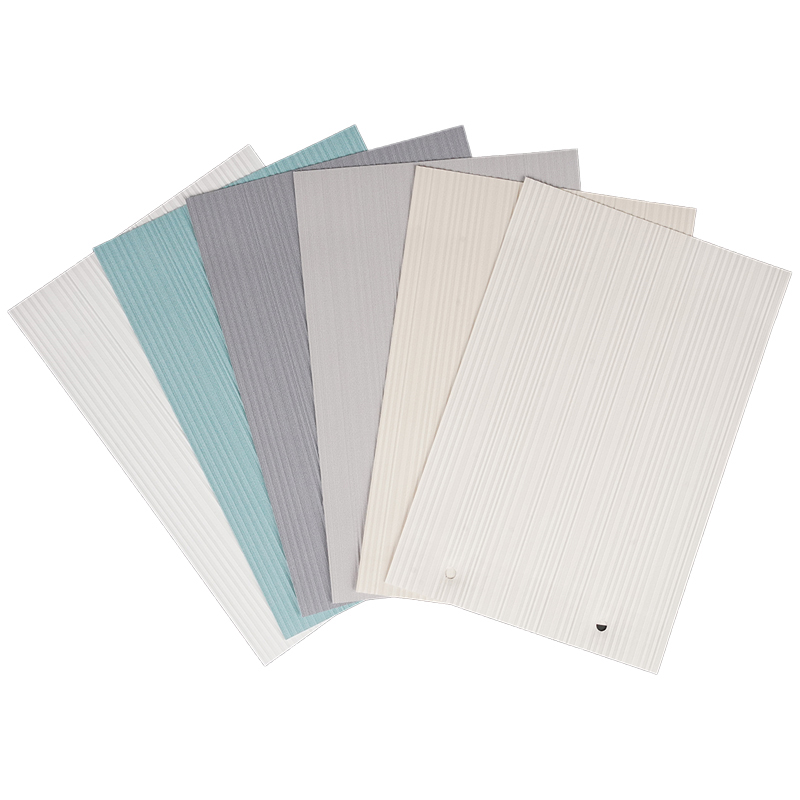
What Are the Main Types of Decorative Plastic Sheets Available?
The market offers several distinct categories of decorative plastic sheets, each manufactured from different base materials and suited to different applications. Understanding these categories helps users select appropriate products for their specific needs.
High-Pressure Laminate (HPL) Sheets:
HPL consists of multiple layers of kraft paper impregnated with phenolic resin for the core, topped with a decorative paper layer saturated with melamine resin, and finished with a clear overlay also containing melamine resin.
These layers are bonded together under high heat and pressure (typically over 1,000 psi and temperatures above 120°C), which fuses them into a single, dense sheet.
HPL is available in thicknesses ranging from 0.5mm for vertical applications to 1.2mm or more for horizontal surfaces requiring greater impact resistance.
The material offers excellent resistance to heat, moisture, and staining, making it suitable for kitchen countertops, laboratory surfaces, and high-traffic commercial installations.
Solid Surface Sheets:
Solid surface materials are composed of acrylic resins, polyester resins, or blends of both, combined with mineral fillers such as aluminum trihydrate (ATH) .
The mixture is cast into sheets and cured, resulting in a homogeneous material with consistent color and pattern throughout the entire thickness.
Unlike laminated products, solid surface sheets can be sanded and buffed to repair scratches, and seams can be joined invisibly using color-matched adhesives.
These sheets are typically 6mm to 12mm thick and are used for countertops, vanity tops, and seamless architectural features.
Polycarbonate (PC) Decorative Sheets:
Polycarbonate sheets are manufactured by extruding polycarbonate resin, sometimes with co-extruded layers for UV protection.
Decorative versions may include embedded colors, textures, or patterns within the transparent or translucent material.
Polycarbonate offers exceptional impact resistance—approximately 250 times that of glass—while remaining lightweight and formable.
These sheets are used in applications requiring light transmission combined with durability, such as decorative partitions, lighting diffusers, and signage.
Acrylic (PMMA) Decorative Sheets:
Acrylic sheets are produced from polymethyl methacrylate resin through casting or extrusion processes.
They offer optical clarity and weatherability compared to other plastics, with good resistance to UV yellowing.
Decorative acrylic sheets come in transparent, translucent, and opaque varieties, with options for mirrored finishes, textures, and embedded patterns.
Applications include retail displays, museum cases, furniture components, and architectural glazing where aesthetics are prioritized.
Polyvinyl Chloride (PVC) Decorative Sheets:
PVC sheets are produced by extruding or calendering PVC resin with plasticizers, stabilizers, and pigments.
They are available in rigid and flexible formulations, with foam-core varieties offering lightweight rigidity for certain applications.
PVC decorative sheets are often used in interior cladding, exhibition stands, and temporary displays due to their cost-effectiveness and ease of fabrication.
Some formulations contain chlorine, which has environmental considerations during production and disposal.
How Do Decorative Plastic Sheets Differ from Solid Wood and Wood Veneers?
Many consumers choose between plastic sheets and wood products when planning projects. The differences extend beyond appearance to fundamental material properties and maintenance requirements.
Key Distinctions:
Dimensional stability: Plastic sheets do not expand or contract significantly with humidity changes, unlike wood which moves across the grain.
Pattern consistency: Plastics can reproduce exotic materials or patterns consistently across large installations, while natural wood varies from piece to piece.
Wear characteristics: Plastics may scratch or dull over time but resist staining better than unfinished wood. Solid surface materials can be renewed by sanding, while wood requires refinishing.
Installation methods: Plastic sheets often require different adhesives, fasteners, and edge treatments than wood products.
How Are Decorative Plastic Sheets Manufactured?
The manufacturing process varies significantly depending on the type of plastic sheet, but several common methods produce the majority of decorative sheets on the market.
High-Pressure Laminate Production:
Paper preparation: Rolls of kraft paper and decorative paper are impregnated with resins. Kraft paper receives phenolic resin, while decorative paper receives melamine resin. The impregnated paper is dried to a controlled residual solvent content.
Assembly: Multiple layers of kraft paper are stacked, with the decorative paper placed on top and a clear overlay paper positioned as the top layer.
Pressing: The stack is placed between polished steel plates and subjected to high pressure (1,000-1,500 psi) and temperature (120-150°C) for a specified time. The pressure compacts the layers, and heat cures the resins.
Finishing: After pressing, the sheets are trimmed to size, and the backs may be sanded to facilitate bonding during installation.
Solid Surface Casting:
Material mixing: Acrylic or polyester resins are combined with aluminum trihydrate filler, pigments, and catalysts. The mixture is degassed under vacuum to remove air bubbles.
Casting: The liquid mixture is poured into molds to form sheets. For patterned varieties, different colored mixtures may be introduced to create veining or speckling.
Curing: The sheets cure through chemical reaction, either at room temperature or in heated ovens, depending on the formulation.
Demolding and finishing: After curing, sheets are removed from molds, inspected, and may have surfaces sanded to achieve uniform thickness and smoothness.
Extrusion Processes:
For polycarbonate, acrylic, and PVC sheets, extrusion is the primary manufacturing method.
Plastic resin pellets are fed into an extruder, where they are heated and melted, then forced through a die that shapes the sheet.
The extruded sheet passes through polishing rolls that cool it and impart surface finish.
Additional processes such as embossing (for textures) or co-extrusion (for multi-layer sheets) may occur in line.
What Are the Environmental Considerations for Decorative Plastic Sheets?
As environmental awareness increases, questions about the sustainability of plastic materials have become more prominent. Decorative plastic sheets present a complex picture with both advantages and disadvantages compared to alternatives.
Material Sourcing:
Most decorative plastic sheets are derived from petroleum-based feedstocks. The extraction and processing of crude oil into plastic resins have environmental impacts, including energy consumption and greenhouse gas emissions.
Some manufacturers have introduced sheets containing bio-based plastics or recycled content. Polylactic acid (PLA) sheets, derived from corn or sugarcane, are available for some applications, though they have different performance characteristics.
Aluminum trihydrate filler in solid surface materials is mined, and its extraction has land-use implications.
Manufacturing Impacts:
Sheet production requires significant energy for heating, pressing, and cooling operations.
Modern manufacturing facilities increasingly use closed-loop water systems and capture volatile organic compounds released during resin curing.
Waste material from trimming and offcuts can often be reground and incorporated back into production, particularly for thermoplastics.
In-Use Phase:
Plastic sheets generally require less maintenance than wood or painted surfaces, potentially reducing the need for cleaning chemicals and refinishing over the product lifetime.
Their durability means replacements are less frequent, which can offset initial environmental impacts compared to less durable materials.
Some plastic sheets, particularly PVC, may release trace amounts of plasticizers or stabilizers over time, though modern formulations minimize this.
End-of-Life Options:
Recycling: Thermoplastic sheets (polycarbonate, acrylic, PVC) can theoretically be recycled, but practical recycling is limited by contamination, adhesive residues, and the difficulty of separating decorative layers. Some manufacturers operate take-back programs for post-industrial waste.
Landfilling: Most decorative plastic sheets eventually enter landfills, where they persist for long periods because plastics do not biodegrade significantly.
Incineration: Energy recovery through incineration is possible for some plastic types, though PVC combustion requires careful emission controls to manage chlorine compounds.