 English
 Español
Zhongsheng
Zhongsheng
Zhongsheng
Zhongsheng
Zhongsheng
Zhongsheng
Zhongsheng
Zhongsheng
Zhongsheng
Zhongsheng
Zhongsheng
Zhongsheng
Zhongsheng
Zhongsheng
Zhongsheng
Metallic decorative films and sheets are engineered materials designed to provide the aesthetic appeal of metal while offering practical properties suited for modern manufacturing and design. These products, typically constructed from polymer substrates like PET, PP, or PVC with a thin metallic layer, serve as versatile surfacing solutions. Their characteristics are defined by a combination of visual, physical, and application-specific properties that distinguish them from solid metals and other decorative materials.
Visual and Aesthetic Characteristics
The primary function of these materials is to achieve a specific visual effect, which is accomplished through various manufacturing techniques.
1.1. Finish and Luster
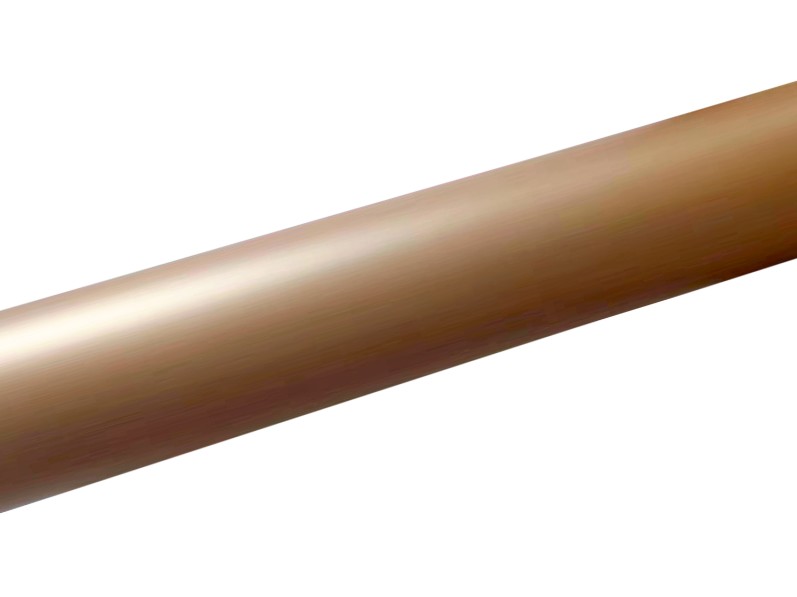
Metallic films can replicate a wide spectrum of metal finishes. These include high-gloss surfaces that mimic polished chrome or stainless steel, satin finishes that provide a soft, brushed-metal appearance, and matte finishes that offer a subdued, non-reflective look. This range allows for design flexibility, from creating a bright, reflective accent to a subtle, textured background.
1.2. Color and Authenticity
Through advanced deposition and coating processes, these films are available in a variety of metallic hues beyond standard silver, including gold, copper, rose gold, and bronze. The metallic layer can be tinted with transparent color coatings to create anodized aluminum effects or other colored metallic appearances. The level of authenticity in replicating the visual depth and grain of real metal can vary with the quality of the manufacturing process.
1.3. Pattern and Texture
Embossing techniques can impart physical textures onto the film's surface, creating patterns such as hairline brushes, circular grains, or diamond patterns. This texturing not only enhances the visual realism but also helps in masking minor scratches and fingerprints, which is a practical consideration for high-touch surfaces.
Physical and Mechanical Properties
The physical characteristics of metallic films are largely derived from their polymer base, which differentiates them from the solid metals they emulate.
2.1. Flexibility and Formability
Unlike rigid metal sheets, many metallic decorative films are highly flexible. This allows them to be applied to curved surfaces, wrapped around complex geometries, and used on substrates that experience slight flexing. Certain types are thermoformable, meaning they can be heated and stretched over three-dimensional molds without losing their metallic luster or delaminating, which is useful in automotive interior trim and appliance fascias.
2.2. Weight and Density
A significant characteristic is their low weight. By replacing a solid metal sheet with a thin polymer film, the overall weight of a product is reduced. This is a critical factor in industries like automotive and aerospace, where weight reduction correlates with improved fuel efficiency, and in consumer electronics for creating lightweight, portable devices.
2.3. Durability and Resistance
These materials often possess good resistance to impact and abrasion. The polymer base is less prone to denting than soft metals like aluminum. The surface is usually coated with a protective clear layer that provides resistance to scratching, chemicals, and UV radiation, which helps prevent fading and corrosion over time—a notable advantage over some untreated metals.
Functional and Application-Oriented Properties
The utility of metallic films extends beyond aesthetics to include functional benefits that streamline manufacturing and enhance product performance.
3.1. Ease of Fabrication and Processing
Metallic films can be easily die-cut, laminated, and printed upon. They are often supplied with pressure-sensitive adhesives, allowing for efficient application without the need for mechanical fasteners or high-temperature processes. This simplifies assembly, reduces production time, and can lower manufacturing costs compared to working with and finishing solid metal parts.
3.2. Conductivity and Shielding
While standard decorative films are non-conductive, specialized versions are available with conductive metal layers. These are used for Electromagnetic Interference (EMI) and Radio Frequency Interference (RFI) shielding in electronic device housings. This provides a functional benefit that combines shielding performance with a desirable aesthetic.
3.3. Cost-Effectiveness
From an economic perspective, metallic films offer a way to achieve the look of metal without the material cost and processing expense of solid metal. They eliminate or reduce the need for costly secondary operations like polishing, plating, or painting, presenting a cost-efficient alternative for achieving a high-quality metallic appearance.