 English
 Español
Zhongsheng
Zhongsheng
Zhongsheng
Zhongsheng
Zhongsheng
Zhongsheng
Zhongsheng
Zhongsheng
Zhongsheng
Zhongsheng
Zhongsheng
Zhongsheng
Zhongsheng
Zhongsheng
Zhongsheng
Glossy PET Film: High Clarity and Shine
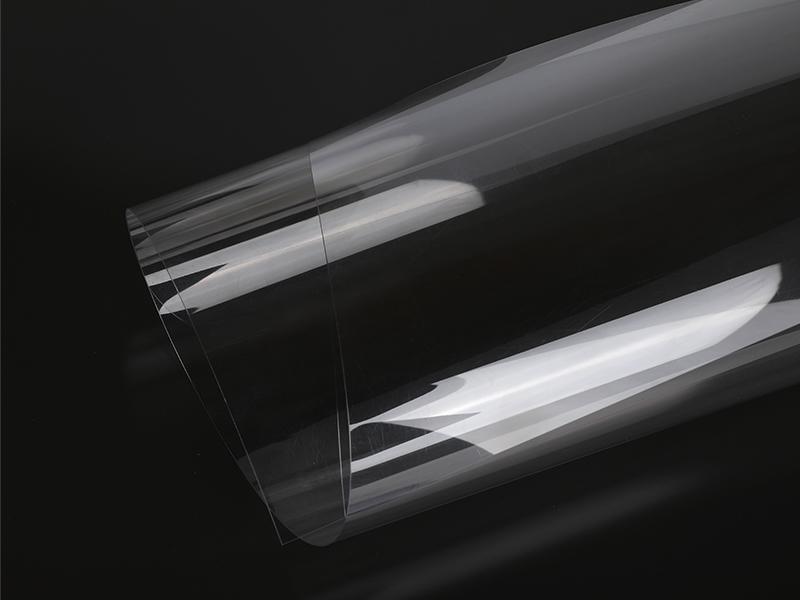
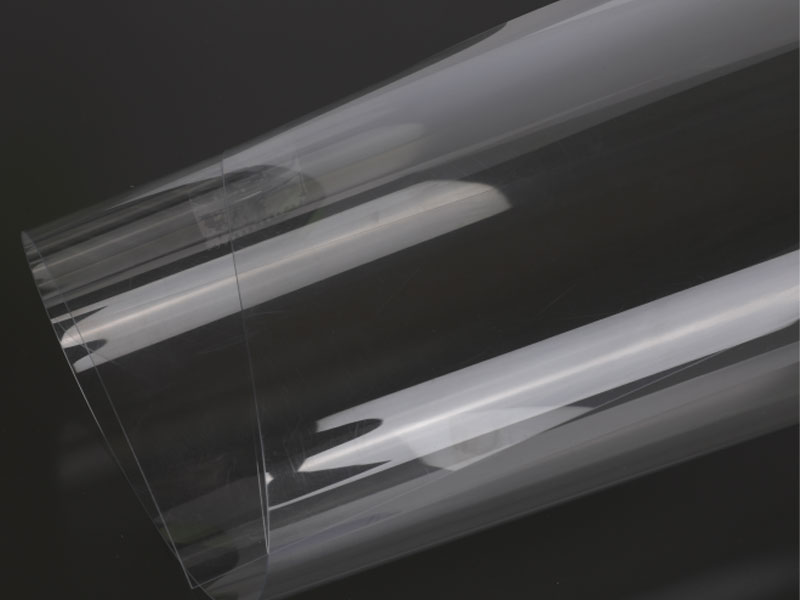
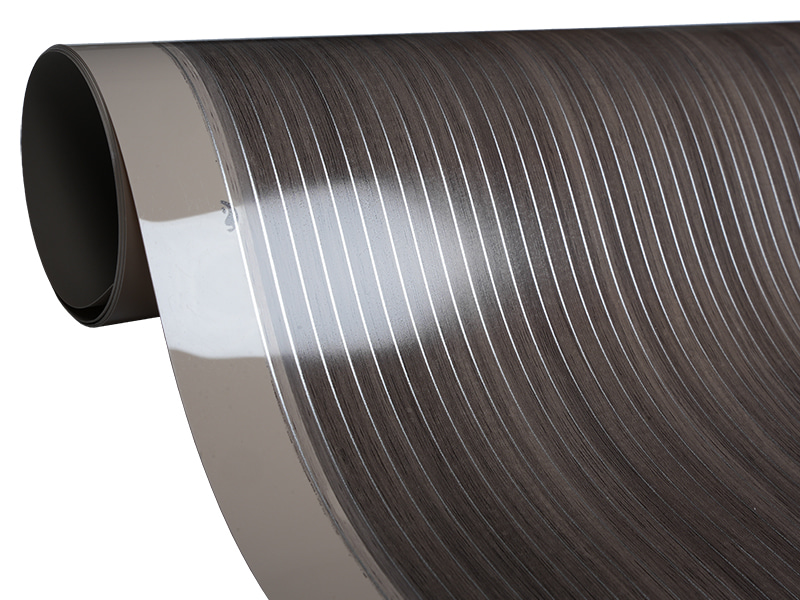
Glossy PET film is characterized by its shiny, smooth surface, which enhances the clarity and visual appeal of printed images and designs. This type of film is produced by stretching PET resin in a way that aligns the polymer molecules, resulting in a clear, reflective surface. The high gloss finish makes it suitable for applications where aesthetics are important, such as in packaging, labels, and product displays.
Key Characteristics
- Transparency: Glossy PET film offers high transparency, allowing for clear visibility of the contents inside packaging. This property is essential in applications such as food and beverage packaging, where consumers value the ability to see the product.
- Durability: Glossy PET is resistant to scratches, chemical damage, and environmental factors like moisture. Its strong, tough surface provides protection against wear and tear, making it ideal for long-lasting packaging.
- Reflective Surface: The shiny surface of glossy PET film creates an attractive visual effect, which is commonly used in high-end product packaging, retail displays, and promotional materials.
Applications
Glossy PET film is commonly used in the packaging industry for products that require high visual impact. This includes items like snack bags, bottled beverage labels, and luxury packaging. Additionally, glossy PET is popular for printing graphics, such as in marketing materials, product brochures, and signage. Its ability to enhance visual appeal makes it a preferred choice for applications requiring image quality.
Matte PET Film: Soft Finish and Reduced Reflection
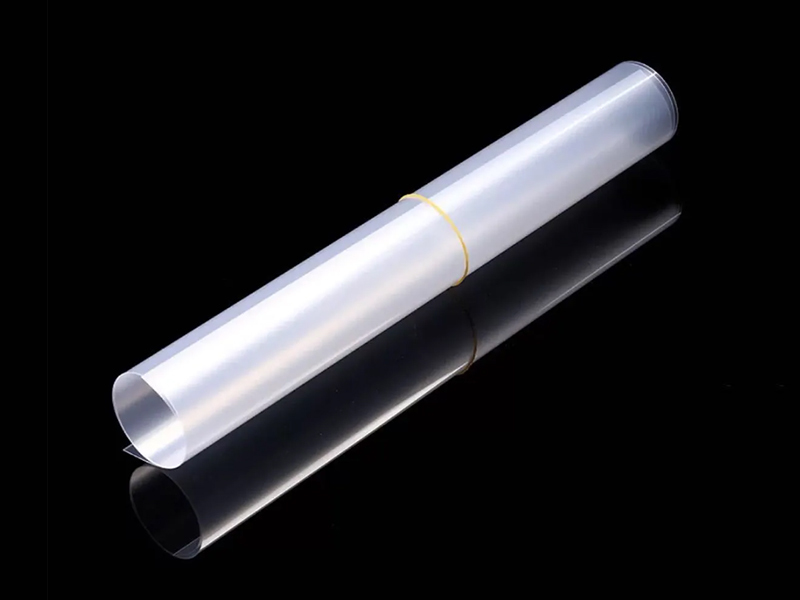
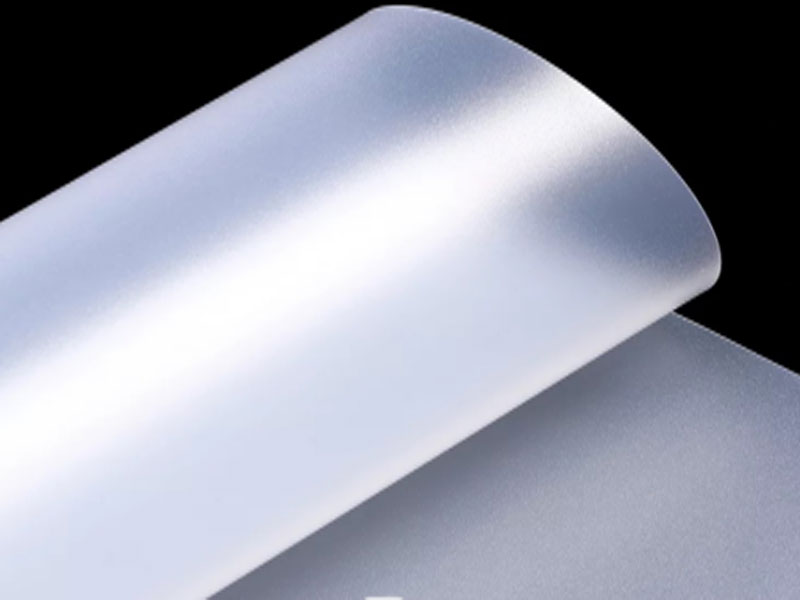
Matte PET film, as the name suggests, has a soft, non-reflective surface. This type of film is produced by a special process that slightly roughens the surface, reducing the light reflection and giving it a subtle, muted appearance. Matte PET film is often chosen for applications where glare reduction is important or where a more elegant, understated look is desired.
Key Characteristics
- Reduced Gloss: Matte PET film minimizes the reflective surface, which reduces glare. This is particularly beneficial in applications where readability or visibility under bright lighting is a concern.
- Smooth Texture: Unlike glossy PET, matte PET has a smoother, velvety feel. This texture provides a more luxurious, premium finish for high-end packaging or consumer goods.
- Printability: Matte PET film is highly suitable for printing, as its surface helps to provide a smooth and consistent print result without the risk of excessive light reflection. The dull surface also reduces fingerprints and smudges, making it ideal for high-touch applications.
Applications
Matte PET film is commonly used in packaging for products that require a more subtle or elegant look. This includes packaging for cosmetics, luxury goods, and pharmaceutical products. Additionally, matte PET is frequently used for printing on product labels, where ease of readability is important. It is also used in photo prints, posters, and marketing materials where a soft, sophisticated finish is desired.
Anti-Fog PET Film: Ideal for Moisture-Prone Environments
Anti-fog PET film is specifically designed to resist fogging and condensation, making it ideal for applications where moisture is a concern. This type of PET film is treated with a special coating or additive that prevents moisture from accumulating on the surface. Anti-fog PET is widely used in environments where temperature fluctuations or humidity can cause other films to fog up, such as in food packaging, greenhouse covers, or protective covers for electronics.
Key Characteristics
- Fog Resistance: Anti-fog PET film is engineered to maintain clear visibility, even in humid or cold environments. The surface coating prevents condensation from forming on the film, making it ideal for use in refrigerated or frozen product packaging.
- Enhanced Visibility: By preventing fog buildup, anti-fog PET ensures that the contents of the packaging remain visible, which is important in consumer packaging where product transparency is key.
- Durability: Like other types of PET film, anti-fog PET is resistant to environmental stressors such as heat, UV exposure, and chemical degradation, ensuring long-lasting performance.
Applications
Anti-fog PET film is commonly used in food packaging, especially for fresh produce, ready-to-eat meals, and beverages, where maintaining the visibility of the contents is essential. It is also widely used in the automotive industry for headlamp covers, and in medical or protective applications, such as face shields, where fogging could impair visibility. Moreover, anti-fog PET is used in agricultural applications like greenhouse covers, where condensation management is important for plant health.
Comparison and Selection Criteria: Choosing the Right PET Film
When choosing between glossy, matte, and anti-fog PET films, several factors should be considered, including the specific requirements of the application, visual preferences, and environmental conditions.
- Aesthetics and Branding: If the primary goal is to enhance the appearance of the product or packaging, glossy PET film is the preferred choice. Its high clarity and reflective surface are ideal for creating an eye-catching design. However, for products that need a more subtle or refined appearance, matte PET film is often more appropriate.
- Moisture Sensitivity: In environments where moisture is an issue, such as in refrigerated food packaging or automotive parts exposed to humidity, anti-fog PET film is the suitable option. Its ability to prevent fogging ensures that the contents remain visible and protected.
- Functionality vs. Visual Appeal: For packaging applications that prioritize both visual appeal and functional performance, choosing between glossy or matte finishes depends on the brand’s preference for a shiny or soft look. Additionally, the type of product being packaged may influence the decision, such as luxury goods favoring matte finishes and food products benefitting from anti-fog properties.