 English
 Español
Zhongsheng
Zhongsheng
Zhongsheng
Zhongsheng
Zhongsheng
Zhongsheng
Zhongsheng
Zhongsheng
Zhongsheng
Zhongsheng
Zhongsheng
Zhongsheng
Zhongsheng
Zhongsheng
Zhongsheng
Early Emergence of PET-Based Decorative Films
The roots of Matt PETG decorative film can be traced back to the broader development of PET-based materials in the mid-to-late 20th century. Polyethylene terephthalate (PET) was widely commercialized in the 1970s, initially used for packaging, containers, and industrial films. As production technology for PET improved, manufacturers began adapting the material for specialty films, including transparent and high-strength options.

PETG, which stands for Polyethylene Terephthalate Glycol, was introduced as a modified form of PET. The addition of glycol during the polymerization process lowered the material's crystallinity, giving it better clarity, toughness, and thermoforming ability. This modification made PETG suitable for decorative and protective film applications, including matte finishes.
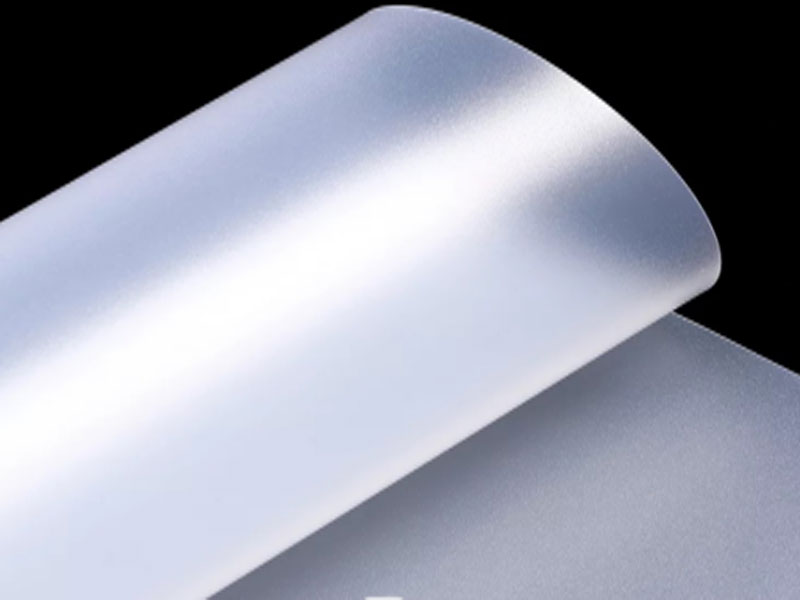
Matt PETG decorative film likely emerged as part of this shift toward functional surface materials in the 1980s and 1990s, when the construction, furniture, and consumer electronics industries began adopting engineered films for aesthetic and performance requirements. The early versions provided a matte surface appearance but had limited texture options and processing stability.
Advancements in Material Technology and Surface Treatment
Over time, Matt PETG decorative film experienced notable improvements due to advancements in polymer chemistry, surface treatment, and coating technologies. As manufacturers refined PETG formulations, they were able to enhance flexibility, improve scratch resistance, and widen the range of matte textures offered.
One significant development was the application of advanced matte coating layers. These coatings contributed to smoother surface finishes and greater resistance to fingerprints and minor abrasions. Improved embossing techniques also made it possible to create diverse textures such as fine matte, deep matte, or soft-touch finishes, expanding design possibilities.
Another key improvement was in color printing and lamination technology. Earlier films had limitations in color uniformity and durability. Modern production methods offer more stable color reproduction, UV resistance, and heat resistance, making the films suitable for long-term use in various environments.
As production quality improved, Matt PETG decorative films became more dependable, offering consistent thickness, higher processing accuracy, and better compatibility with vacuum forming, flat lamination, and curved-surface applications.
Expansion into Diverse Applications
As industries began exploring new materials for both decorative and functional surfaces, Matt PETG decorative film found expanding use across multiple sectors. Early applications were limited to furniture surfaces and interior wall panels, where the matte finish provided a refined and understated appearance.
Over the years, its use spread to a wider range of products, including home appliances, electronic devices, consumer goods, and retail displays. PETG's favorable processing characteristics—including its formability, impact resistance, and environmental profile—made it attractive for designers interested in combining aesthetics with durability.
In the furniture industry, Matt PETG decorative film became a popular option for kitchen cabinets, wardrobe doors, and decorative panels. The soft-matte and anti-glare qualities improved the tactile experience while also reducing visible fingerprints. In the electronics field, the matte surface offered a pleasing look for household devices and casings.
The versatility of the material allowed manufacturers to adopt it in automotive trims, signage, and protective coverings, demonstrating how Matt PETG decorative film transitioned from a niche product to a commonly used decorative solution.
Recent Production Trends and Market Direction
In recent years, the development of Matt PETG decorative film has shifted toward environmental considerations, production efficiency, and expanded design flexibility. Compared with some alternatives, PETG is more recycling-friendly and generates fewer fumes during processing, which aligns with modern sustainability goals. As industries increasingly prioritize eco-conscious materials, PETG-based films have gained further momentum.
Technological improvements in coating and printing continue to enhance the performance of matte films. Anti-scratch coatings, anti-fingerprint layers, and improved UV resistance are now more commonly integrated into PETG decorative products. These enhancements help the material maintain its appearance over time, even in high-traffic or sunlight-exposed environments.
Digital printing has also influenced the direction of development. Manufacturers can now customize patterns, colors, and textures more easily to meet market demands for personalized or small-batch decorative solutions. This shift allows Matt PETG decorative film to serve as a flexible format for interior design and lightweight architectural applications.
As global markets move toward modular furniture, smart appliances, and refined surface finishes, Matt PETG decorative film is likely to continue evolving in both design versatility and performance stability.