 English
 Español
Zhongsheng
Zhongsheng
Zhongsheng
Zhongsheng
Zhongsheng
Zhongsheng
Zhongsheng
Zhongsheng
Zhongsheng
Zhongsheng
Zhongsheng
Zhongsheng
Zhongsheng
Zhongsheng
Zhongsheng
Material Composition and Visual Appearance
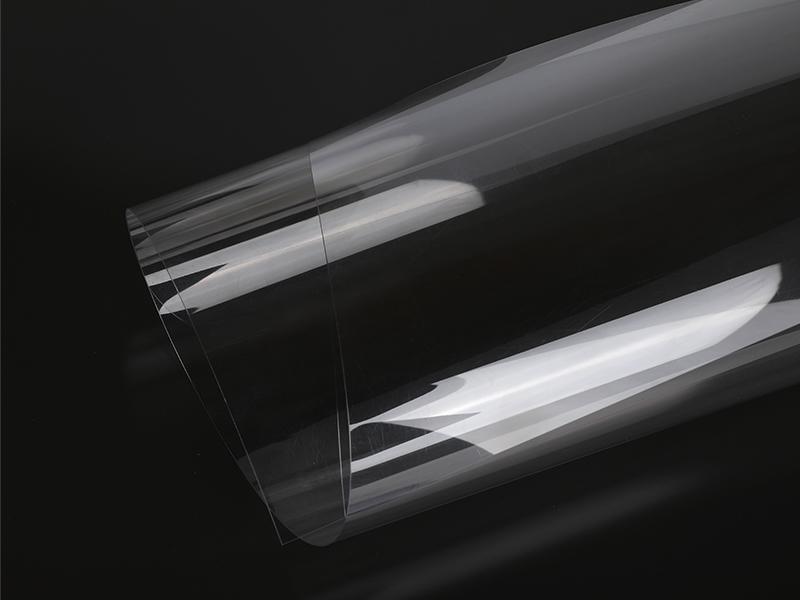
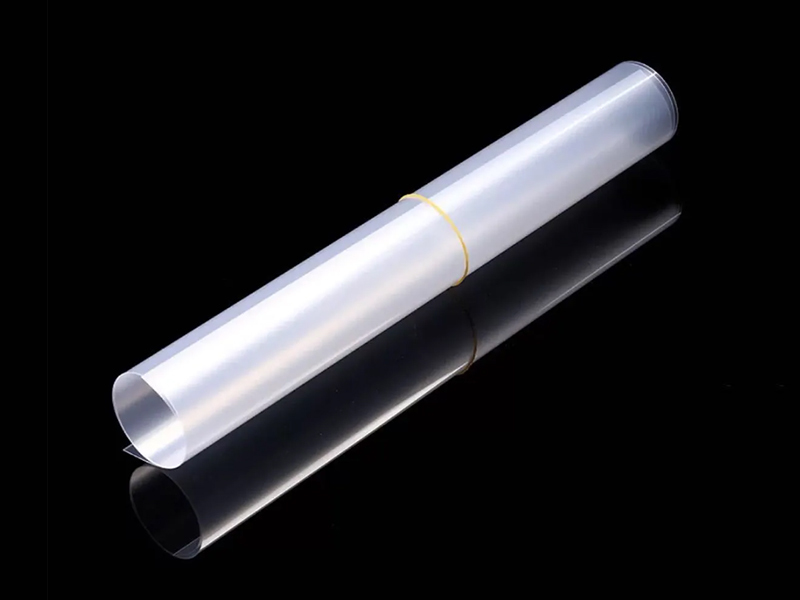
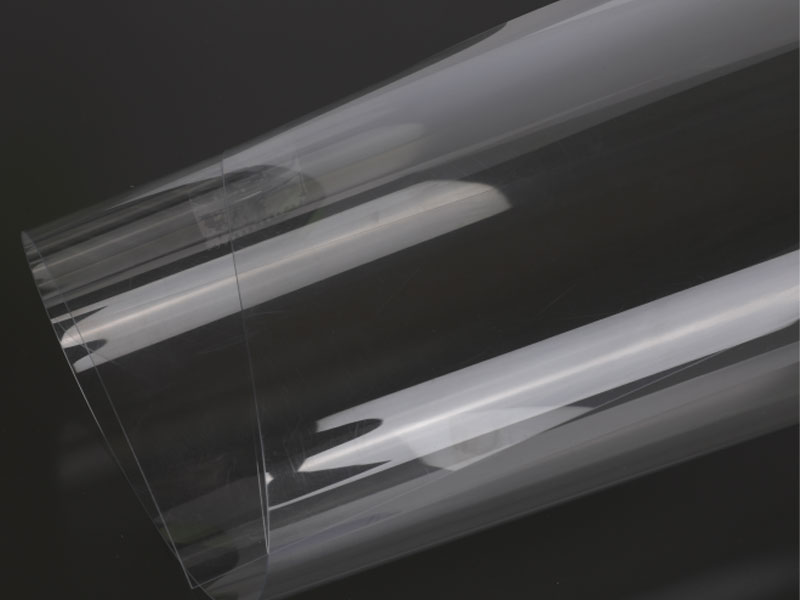
PETG, or Polyethylene Terephthalate Glycol, is a modified form of PET. The glycol modification reduces crystallinity, creating a more transparent and flexible polymer that can be easily shaped. When manufactured as a decorative film, PETG provides a smooth and uniform appearance, making it suitable for surfaces that require both visual appeal and a pleasant texture.
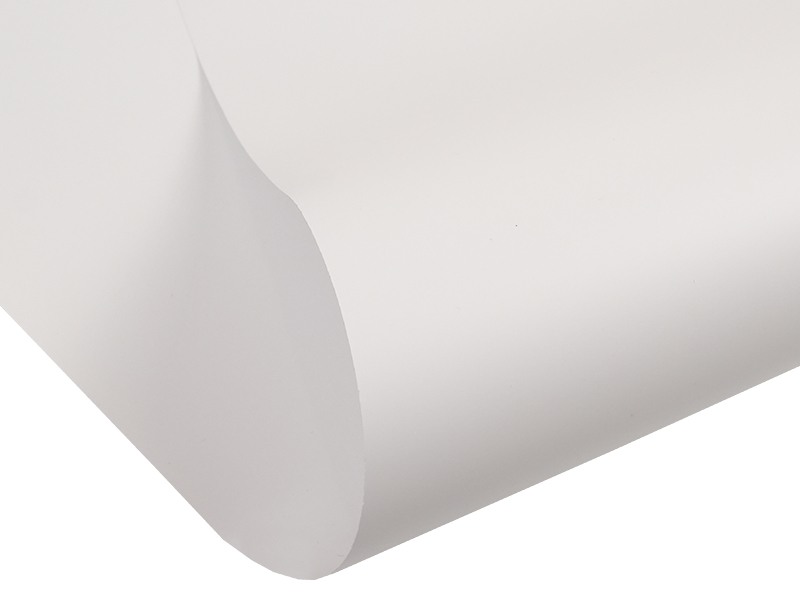
One characteristic of PETG decorative film is its adaptability in surface design. It can be produced with matte, glossy, embossed, woodgrain, marble, or metallic-like finishes. This gives designers a wide range of aesthetic options without relying on heavy natural materials. The clarity and color consistency of PETG also contribute to its ability to display printed patterns accurately.
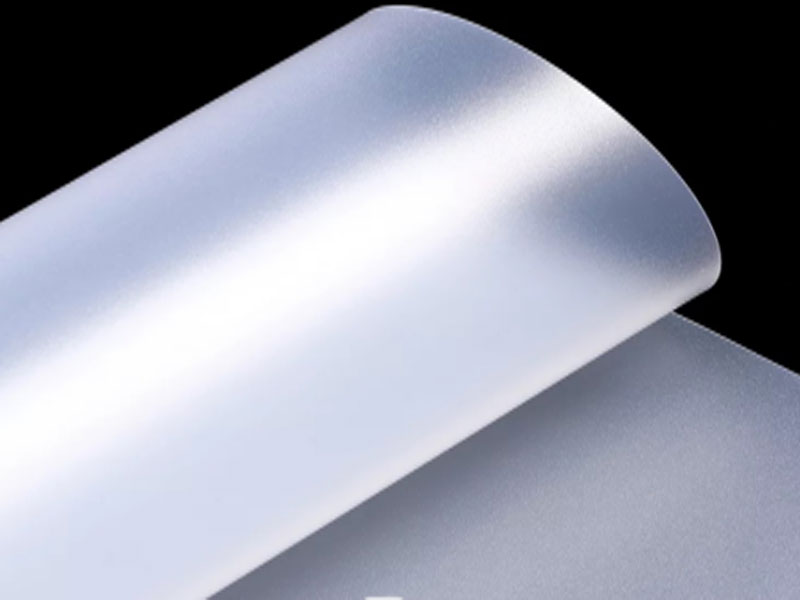
Another visual advantage is its anti-glare performance when processed into a matte surface. This reduces reflections and creates a softer look, which is commonly used in interior paneling and furniture. Transparent and semi-transparent versions of PETG decorative film also allow for creative design applications, such as layered textures or backlit panels.
Overall, the visual quality of PETG decorative film is one of its defining characteristics, offering versatility across both decorative and functional uses.
Processing Flexibility and Manufacturing Performance
PETG decorative film is known for its favorable processing performance. Unlike some rigid plastics, PETG responds well to thermoforming, vacuum lamination, flat lamination, and cutting operations. This flexibility allows the film to be applied to curved surfaces, textured panels, and shaped product components.
One reason for its processing ease is its stable melting behavior. PETG softens at temperatures that allow manufacturers to mold it without excessive thermal stress. This reduces the likelihood of cracking or whitening during bending. It also helps maintain a smooth finish after forming, which is important for preserving the aesthetic quality of the material.
In lamination applications, PETG decorative film adheres well to substrates such as MDF, PVC boards, aluminum panels, and composite materials. This compatibility allows it to be used for kitchen cabinets, wardrobe doors, furniture components, and interior decorative panels. Additionally, its dimensional stability during heating helps ensure consistent results.
Processing efficiency also contributes to cost-effectiveness in mass production. Since PETG does not require pre-drying under certain conditions and has lower risk of shrinkage, it simplifies preparation steps during manufacturing. These factors make PETG decorative film suitable for industries that require reliable and steady production workflows.
Durability and Functional Performance
PETG decorative film offers reliable durability, making it suitable for household and commercial surfaces. One of its commonly noted characteristics is impact resistance. The modified polymer structure provides flexibility that helps the film withstand mechanical pressure and minor impacts without cracking.
Another key performance characteristic is its resistance to chemicals and cleaning agents under regular conditions. This enables the film to maintain its appearance even when exposed to everyday household cleaning routines. Scratch resistance varies depending on the coating applied; enhanced protective coatings can further improve its performance in high-contact environments.
In environments where temperature variations occur, PETG film typically maintains structural stability. It performs reliably in indoor settings, especially when applied to furniture and interior panels. Its moisture resistance is also beneficial, making it suitable for kitchens, bathrooms, and commercial spaces where humidity is higher.
Light resistance is another functional factor. PETG decorative film can be produced with UV-resistant layers that help reduce fading when moderately exposed to sunlight. Although prolonged direct sunlight exposure may cause gradual changes, protective coatings help extend its visual durability.
Environmental Considerations and Safety Characteristics
The environmental profile of PETG decorative film is another important aspect. Compared with some other plastic-based decorative materials, PETG tends to be favorable in terms of recyclability. Its polymer composition allows it to be recycled under appropriate conditions, supporting resource conservation efforts.
During processing, PETG produces fewer fumes than some other common decorative plastics. This characteristic benefits workplace safety and aligns with the growing demand for materials that minimize chemical emissions. Additionally, PETG does not contain certain additives such as heavy metals or specific plasticizers that have raised concerns in other materials.
In terms of end-use safety, PETG decorative film is often applied in household environments, including furniture for children's rooms, kitchens, and living spaces. Its stability and low-odor characteristics contribute to a comfortable indoor environment. Furthermore, PETG's compatibility with food-contact packaging in other applications reflects its general safety profile, although decorative films may vary depending on coatings and pigments used.
Sustainability trends continue to encourage further development of environmentally responsible materials. PETG decorative film benefits from this shift, as manufacturers increasingly explore lower-energy production methods and recycled PETG formulations.