 English
 Español
Zhongsheng
Zhongsheng
Zhongsheng
Zhongsheng
Zhongsheng
Zhongsheng
Zhongsheng
Zhongsheng
Zhongsheng
Zhongsheng
Zhongsheng
Zhongsheng
Zhongsheng
Zhongsheng
Zhongsheng
PETG textured metal brushed film offers a visually attractive metal-like finish, but it also has limitations. One significant drawback is scratch sensitivity. While PETG is generally tougher than standard PVC films, the brushed surface can show scratches and scuffs more visibly, especially in high-contact areas. Over time, repeated abrasion can dull the metallic texture and reduce the film's aesthetic appeal.
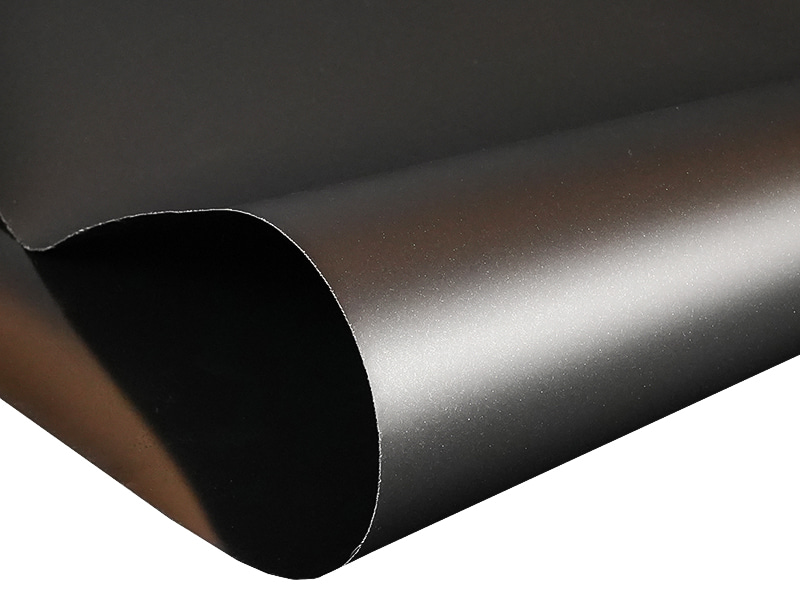
PETG has a lower heat resistance than some metal materials, which means it can soften or deform under high temperatures. In environments with prolonged exposure to heat sources, such as near ovens or direct sunlight in hot climates, the film may warp or lose its shape. Proper application and avoiding high-temperature exposure are important to maintain appearance and performance.
PETG textured metal brushed film may have adhesion challenges on certain surfaces. Smooth, non-porous surfaces generally work well, but irregular or highly textured substrates can reduce adhesion and cause bubbling or peeling. Surface preparation is critical to ensure strong bonding.
Finally, the film's limited recyclability compared with pure PETG or metal can be a concern. Since it is a composite film with metallic coatings or additives, recycling options may be more limited depending on local facilities.
PETG Textured Metal Brushed Film: What Can We Know?
Understanding PETG textured metal brushed film involves recognizing its composition, properties, and typical applications. The following points summarize key knowledge:
Material structure and appearance
PETG textured metal brushed film is made from PETG (polyethylene terephthalate glycol-modified) with a metallic coating or layer that provides a brushed metal look. The texture creates a distinctive linear grain similar to brushed aluminum or stainless steel.
Mechanical properties
PETG offers good impact resistance and flexibility compared with rigid metals. It is less brittle than acrylic and can withstand moderate bending without cracking. The film's surface can resist moderate abrasion but is not as durable as real metal.
Thermal performance
PETG has moderate heat resistance. It can withstand typical indoor temperatures but may deform under high heat or prolonged exposure to direct sunlight. Heat-assisted application can help conform the film to curved surfaces, but excessive heat should be avoided.
Adhesion and installation
The film is typically pressure-sensitive adhesive (PSA) backed, allowing easy application on smooth surfaces. Proper surface cleaning and drying are necessary to ensure strong adhesion and prevent bubbling.
Applications
Common uses include interior decoration, appliance wrapping, signage, furniture accents, and retail displays. It is valued for its metallic look without the weight and cost of actual metal.
Maintenance
Cleaning should be done with mild soap and a soft cloth. Abrasive cleaners or rough materials can damage the brushed texture.
PETG Textured Metal Brushed Film: Application and Maintenance
Use Cases and Design Considerations
PETG textured metal brushed film is suited for applications where visual impact and ease of installation are priorities. In interior decoration, it is commonly used to upgrade furniture surfaces, cabinet doors, elevator panels, and decorative trims. Its metallic look can enhance modern design themes while remaining lightweight and cost-effective. In signage and retail displays, the film provides a premium appearance without the need for metal fabrication.
Designers should consider the film's limitations when selecting it for a project. For high-touch areas such as countertops or frequently handled doors, the film may show scratches more easily. In these cases, selecting a thicker film or adding protective layers may improve durability. The film also works well on flat or gently curved surfaces; severe curvature may require heat-assisted forming and careful handling to avoid distortion.
Installation and Long-Term Maintenance
Successful installation begins with proper surface preparation. The substrate should be clean, dry, and free of dust, oil, or silicone residues. Smooth, non-porous surfaces provide the adhesion. For textured or uneven surfaces, adhesion may be reduced, peeling or bubbling over time.
During application, use a squeegee to remove air bubbles and ensure uniform adhesion. For curved surfaces, gentle heating can help the film conform without stretching or tearing. After installation, maintenance should focus on protecting the brushed texture. Clean the film with mild soap and water, using a soft cloth. Avoid abrasive cleaners, rough sponges, or strong solvents, as they can dull or damage the surface.
For areas prone to frequent contact, consider using protective films or clear coatings to extend the appearance and reduce visible scratches. Regular inspection and prompt repair of peeling edges will help maintain the overall look.