 English
 Español
Zhongsheng
Zhongsheng
Zhongsheng
Zhongsheng
Zhongsheng
Zhongsheng
Zhongsheng
Zhongsheng
Zhongsheng
Zhongsheng
Zhongsheng
Zhongsheng
Zhongsheng
Zhongsheng
Zhongsheng
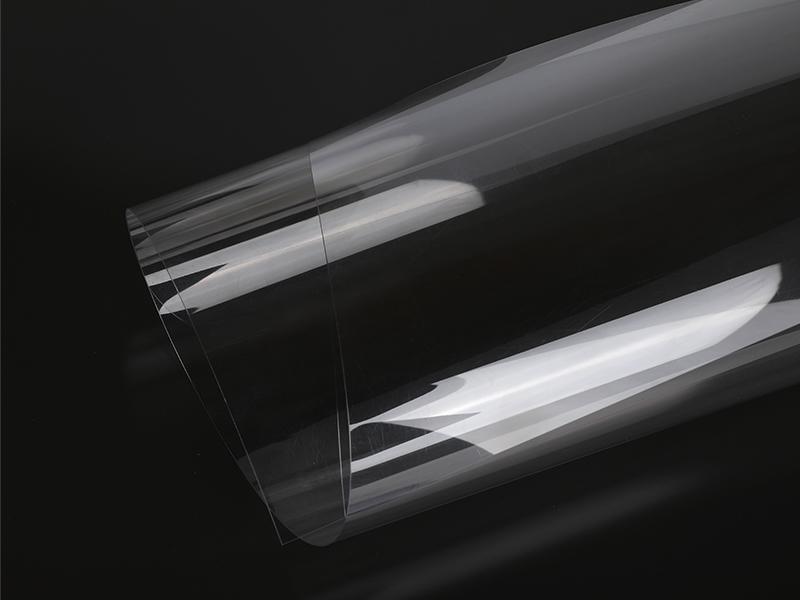
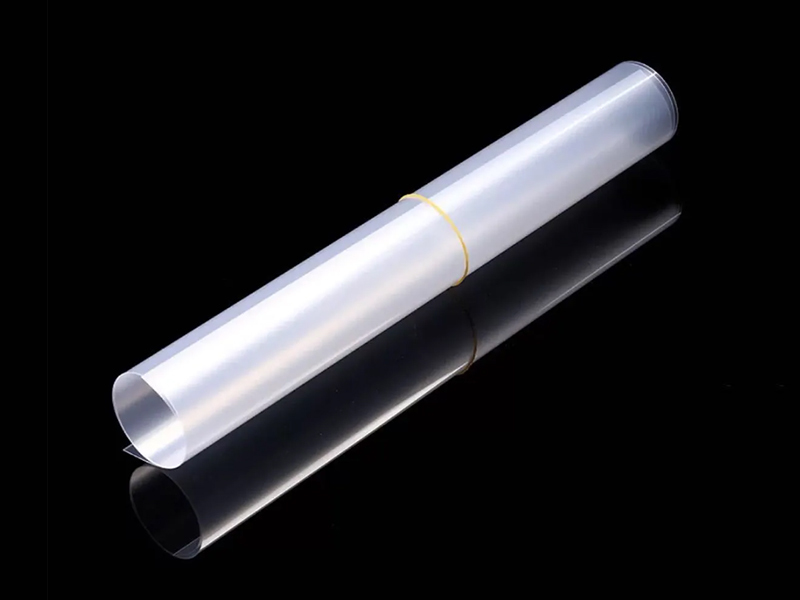
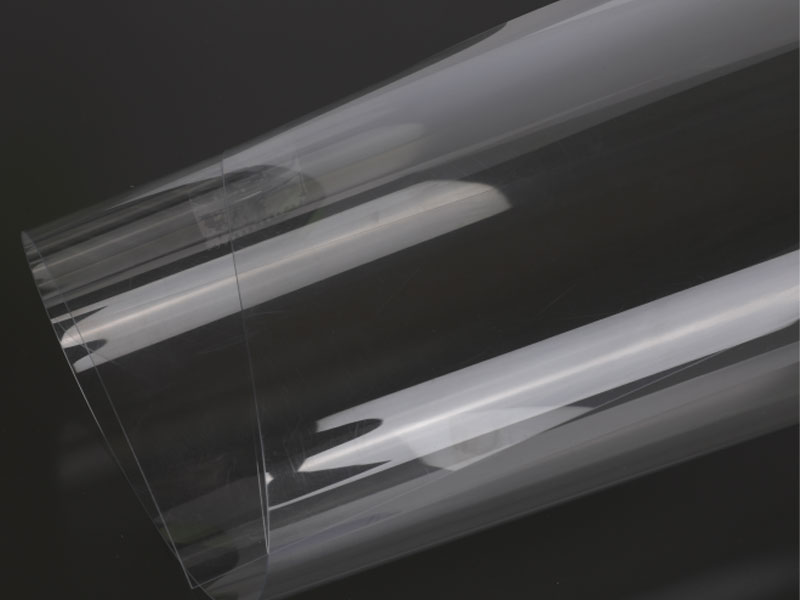
PETG (Polyethylene Terephthalate Glycol) decorative film is becoming an increasingly popular choice in various industries due to its good performance and versatile applications. Compared to other decorative films made from materials such as PVC (Polyvinyl Chloride), PET (Polyethylene Terephthalate), and other plastics, PETG offers several advantages. These differences in terms of physical properties, environmental impact, and usability make PETG an attractive choice for both manufacturers and end-users.
Durability and Strength
One of the notable differences between PETG decorative film and other films, such as PVC or PET, lies in its durability and strength. PETG is known for its impact resistance and flexibility, making it much more robust than other plastic films. It is less prone to cracking or breaking under pressure and can withstand environmental stresses such as UV exposure, moisture, and temperature fluctuations better than PVC or PET films.
PVC films tend to be more rigid and brittle, which can bring about cracks or damage over time, particularly when used in outdoor or high-traffic areas. PET, while offering reasonable durability, doesn't have the same level of flexibility and resistance to impact as PETG, making PETG a more reliable choice for applications requiring longevity and resilience.
Environmental Impact and Sustainability
Another significant advantage of PETG over other films is its environmental footprint. Unlike PVC, which contains chlorine and other potentially harmful chemicals, PETG is considered safer and more eco-friendly. PETG is free from harmful substances like BPA (Bisphenol A) and phthalates, which are commonly found in PVC. This makes PETG a safer material, especially in applications involving food packaging, consumer goods, and environments where human exposure is a concern.
Furthermore, PETG is recyclable, which is a significant environmental benefit over PVC, which is often harder to recycle and can release toxic substances during incineration. The recyclability of PETG contributes to a circular economy, reducing the need for virgin plastic production and waste in landfills. PETG's eco-friendly properties make it a more sustainable option for environmentally-conscious manufacturers and consumers.
PETG Decorative Film: Features and Advantages
Aesthetic and Visual Quality
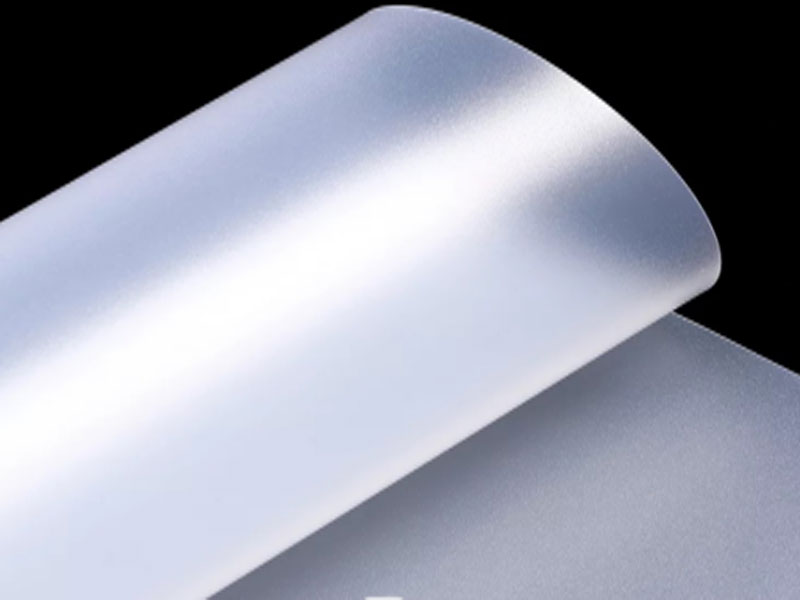
PETG decorative film is known for its aesthetic appeal, offering a glossy or matte finish that enhances the appearance of products. The film can be manufactured in various colors and textures, allowing for customization to suit different design needs. Unlike PVC or PET, PETG has a smooth, clean surface that resists fingerprints, smudges, and stains, making it an good choice for products that require high visual quality.
Additionally, PETG films have good light diffusion properties, which can be beneficial in applications like signage or displays, where lighting conditions matter. PETG's ability to diffuse light evenly reduces glare and ensures a more uniform appearance, which is difficult to achieve with other films like PVC that may have a more reflective surface.
Processing and Versatility
When it comes to manufacturing and processing, PETG decorative film offers versatility compared to PVC and PET. PETG is easy to thermoform, which makes it suitable for a variety of complex shapes and applications. It can be cut, embossed, printed, and laminated with ease, providing designers with more options for customization. PETG also adheres well to adhesives and other materials, making it a preferred choice in industries like packaging, automotive interiors, and electronics.
PVC and PET, while versatile to some degree, are often more difficult to manipulate, especially when precise cuts or intricate designs are required. PETG's formability ensures that it can be used for a wide range of applications without compromising on visual or functional quality. Additionally, PETG is more flexible than PVC, which adds to its versatility in product design and manufacturing processes.
Safety and User-Friendliness
PETG is a safer material compared to other common plastic films like PVC. It is non-toxic and doesn't release harmful chemicals during processing, making it safer for workers in manufacturing environments. In contrast, PVC can emit chlorine gas when exposed to high temperatures, which is hazardous both to the environment and to human health. PETG's lack of harmful additives makes it more user-friendly and safer in environments where air quality is a concern.
Furthermore, PETG is often preferred for food and medical packaging due to its non-toxicity. It does not contain harmful plasticizers or additives that can migrate into food products, making it a safer option for packaging compared to PVC, which may pose health risks.