 English
 Español
Zhongsheng
Zhongsheng
Zhongsheng
Zhongsheng
Zhongsheng
Zhongsheng
Zhongsheng
Zhongsheng
Zhongsheng
Zhongsheng
Zhongsheng
Zhongsheng
Zhongsheng
Zhongsheng
Zhongsheng
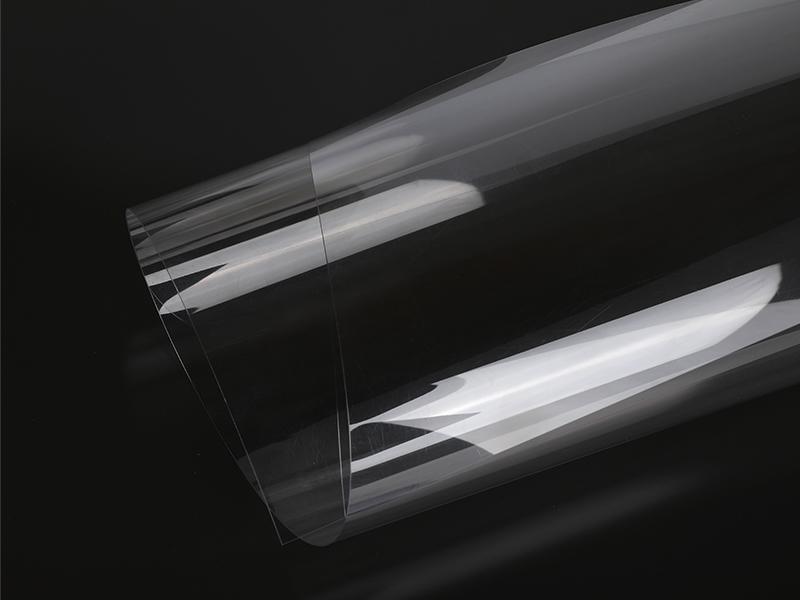
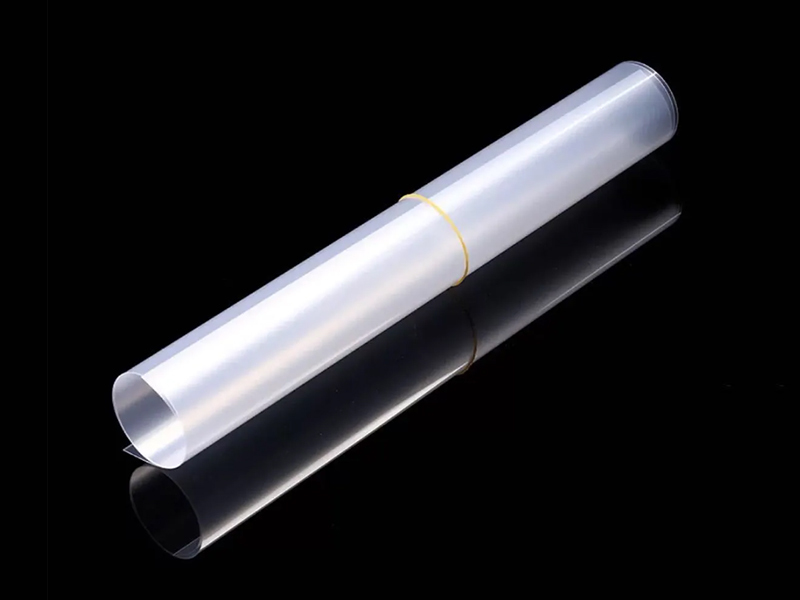
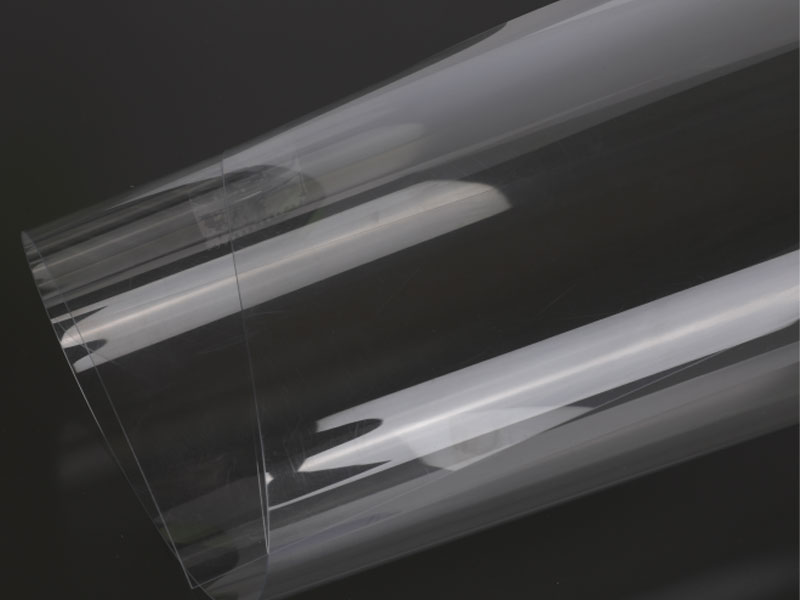
Decorative PET film has become a widely adopted material across construction, furniture manufacturing, interior decoration, consumer electronics, and packaging sectors. PET, or polyethylene terephthalate, is a thermoplastic polymer known for its mechanical strength, dimensional stability, and processability. When engineered as decorative film, it combines structural performance with aesthetic surface finishes, enabling manufacturers to replace or complement traditional materials such as paint, veneer, laminates, and metal sheets.
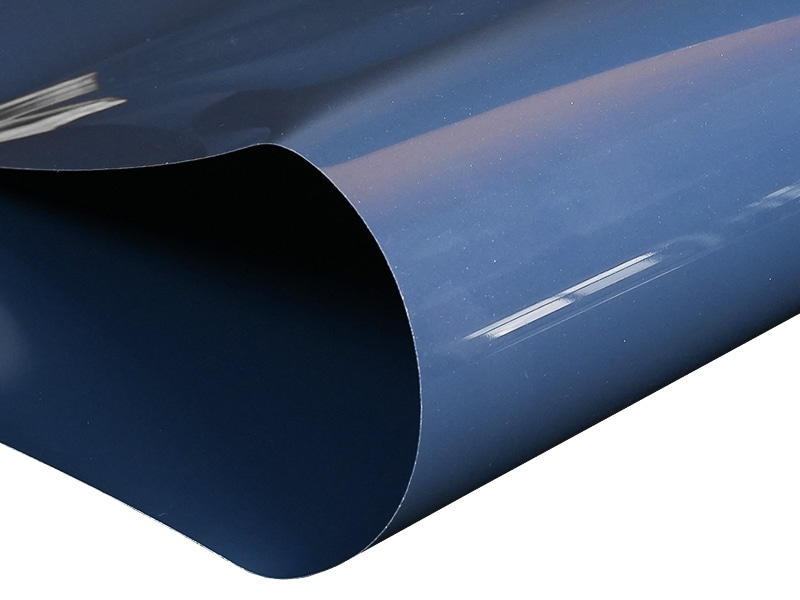
The market popularity of decorative PET film is not driven by a single factor. Instead, it results from a combination of technical properties, cost considerations, environmental trends, and compatibility with modern production processes. The following sections analyze these aspects in a structured manner.
Material Characteristics Supporting Market Acceptance
The physical and chemical properties of PET form the technical foundation of decorative film applications. Manufacturers value predictable performance, particularly in high-volume production environments.
Key material characteristics include:
Mechanical strength and toughness
Decorative PET film demonstrates good tensile strength and impact resistance, reducing the likelihood of cracking or surface damage during fabrication and installation.
Dimensional stability
PET maintains shape consistency under moderate temperature changes, which is important for laminated panels, cabinet doors, and appliance surfaces.
Surface printability
The material supports gravure printing, digital printing, and embossing processes. This allows manufacturers to simulate wood grain, stone textures, metallic finishes, or solid colors with controlled repeat patterns.
Chemical resistance
PET films exhibit resistance to common household chemicals and cleaning agents, making them suitable for kitchens, bathrooms, and commercial interiors.
Low moisture absorption
Compared with some traditional decorative substrates, PET film resists moisture penetration, contributing to longer service life in humid environments.
These properties make decorative PET film technically reliable across multiple end-use sectors.
Compatibility with Modern Manufacturing Processes
Another factor contributing to the market growth of decorative PET film is its compatibility with automated production systems. As manufacturing shifts toward efficiency and precision, materials that integrate smoothly into lamination and thermoforming lines gain competitive advantage.
In industrial practice, decorative PET film is commonly used in:
Flat lamination processes for furniture panels and wall boards
Membrane pressing and vacuum forming for three-dimensional cabinet doors
Edge wrapping applications in modular furniture manufacturing
In-mold decoration (IMD) for appliance and automotive interior components
Because PET film can be supplied in rolls with consistent thickness and surface finish, it supports continuous processing. This reduces material waste and improves yield rates compared to manual painting or veneer application.
In addition, PET film surfaces can be engineered with:
Anti-scratch coatings
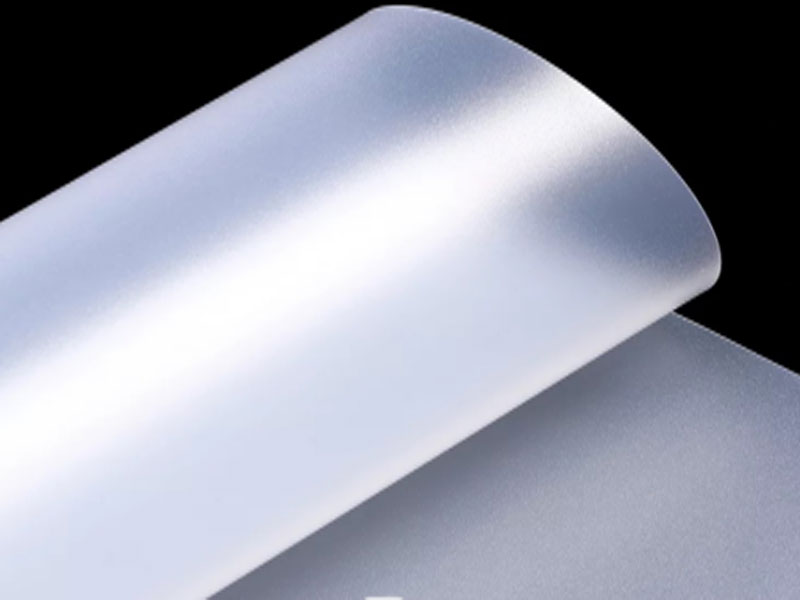
Matte or high-gloss finishes
Anti-fingerprint treatments
UV-resistant layers
These functional enhancements expand its usability without requiring major changes in production equipment.
Cost Efficiency in Comparison with Traditional Materials
Cost remains a central consideration in material selection. Decorative PET film offers a balanced cost-performance ratio when compared with alternatives such as natural wood veneer, high-pressure laminate (HPL), or spray coating systems.
From a cost structure perspective, decorative PET film can contribute to savings in the following areas:
Material utilization
Roll-fed film systems reduce offcuts compared to rigid sheet materials.
Labor efficiency
Automated lamination reduces manual finishing steps.
Surface uniformity
Controlled printing processes minimize color variation, lowering rejection rates.
Maintenance requirements
Durable surfaces can reduce repair or replacement frequency in commercial settings.
Although pricing varies by thickness, coating type, and order volume, decorative PET film generally occupies a mid-range position between low-cost PVC films and higher-cost specialty laminates. This positioning makes it attractive for manufacturers targeting residential and mid-tier commercial markets.
Environmental and Regulatory Considerations
Environmental awareness and regulatory compliance are increasingly influential in material markets. Decorative PET film aligns with several sustainability trends.
Relevant environmental aspects include:
Recyclability
PET is a recyclable polymer under established recycling streams, especially when separated from composite substrates.
Low VOC emissions
Compared with solvent-based spray coatings, laminated PET film systems can reduce volatile organic compound emissions during production.
Absence of chlorine content
Unlike PVC-based decorative films, PET does not contain chlorine, which can be a regulatory consideration in certain markets.
Durability contributing to longer product life cycles
Extended service life reduces replacement frequency and associated resource consumption.
It should be noted that recyclability depends on system design. When PET film is laminated onto composite boards, separation at end-of-life may require specialized processes. Nevertheless, manufacturers increasingly highlight PET-based surfaces as part of environmentally oriented product lines.
Application Expansion Across Industries
Decorative PET film is no longer limited to furniture panels. Its application range has broadened as surface technology improves.
Major application areas include:
Residential furniture: wardrobes, kitchen cabinets, wall panels
Commercial interiors: retail displays, office partitions, hotel furnishings
Appliance surfaces: refrigerator panels, washing machine covers
Automotive interiors: dashboard trims and decorative inserts
Packaging and display materials: premium retail packaging components
The ability to replicate diverse visual effects contributes to this expansion. For example, synchronized wood grain embossing allows tactile matching between printed pattern and surface texture, improving realism without using natural timber.
As consumer preferences shift toward contemporary matte finishes and minimalistic designs, PET film manufacturers adjust surface gloss levels and texture profiles accordingly. This responsiveness supports ongoing relevance in evolving design markets.
Design Flexibility and Customization
Design adaptability is another factor influencing market popularity. Decorative PET film can be customized in terms of:
Thickness (typically ranging from 0.1 mm to over 0.5 mm depending on application)
Color systems, including standardized and custom-matched tones
Embossing depth and pattern frequency
Protective topcoat formulation
Because designs are digitally controlled, manufacturers can update patterns with shorter development cycles compared to tooling-intensive materials. This flexibility supports furniture brands that refresh product lines regularly.
Furthermore, small-batch customization is feasible through digital printing technologies, allowing niche product differentiation without large inventory commitments.
Market Outlook and Practical Considerations
The market position of decorative PET film is influenced by ongoing developments in interior design trends, manufacturing automation, and environmental standards. While it does not replace every traditional decorative material, it occupies a stable segment characterized by:
Balanced performance and cost
Compatibility with high-volume manufacturing
Expanding design possibilities
Alignment with evolving regulatory frameworks
Challenges remain, including competition from advanced laminates and the need for improved recycling solutions in composite systems. However, incremental improvements in coating technology and surface engineering continue to enhance product performance.