 English
 Español

Zhongsheng
Zhongsheng
Zhongsheng
Zhongsheng
Zhongsheng
Zhongsheng
Zhongsheng
Zhongsheng
Zhongsheng
Zhongsheng
Zhongsheng
Zhongsheng
Zhongsheng
Zhongsheng
Zhongsheng
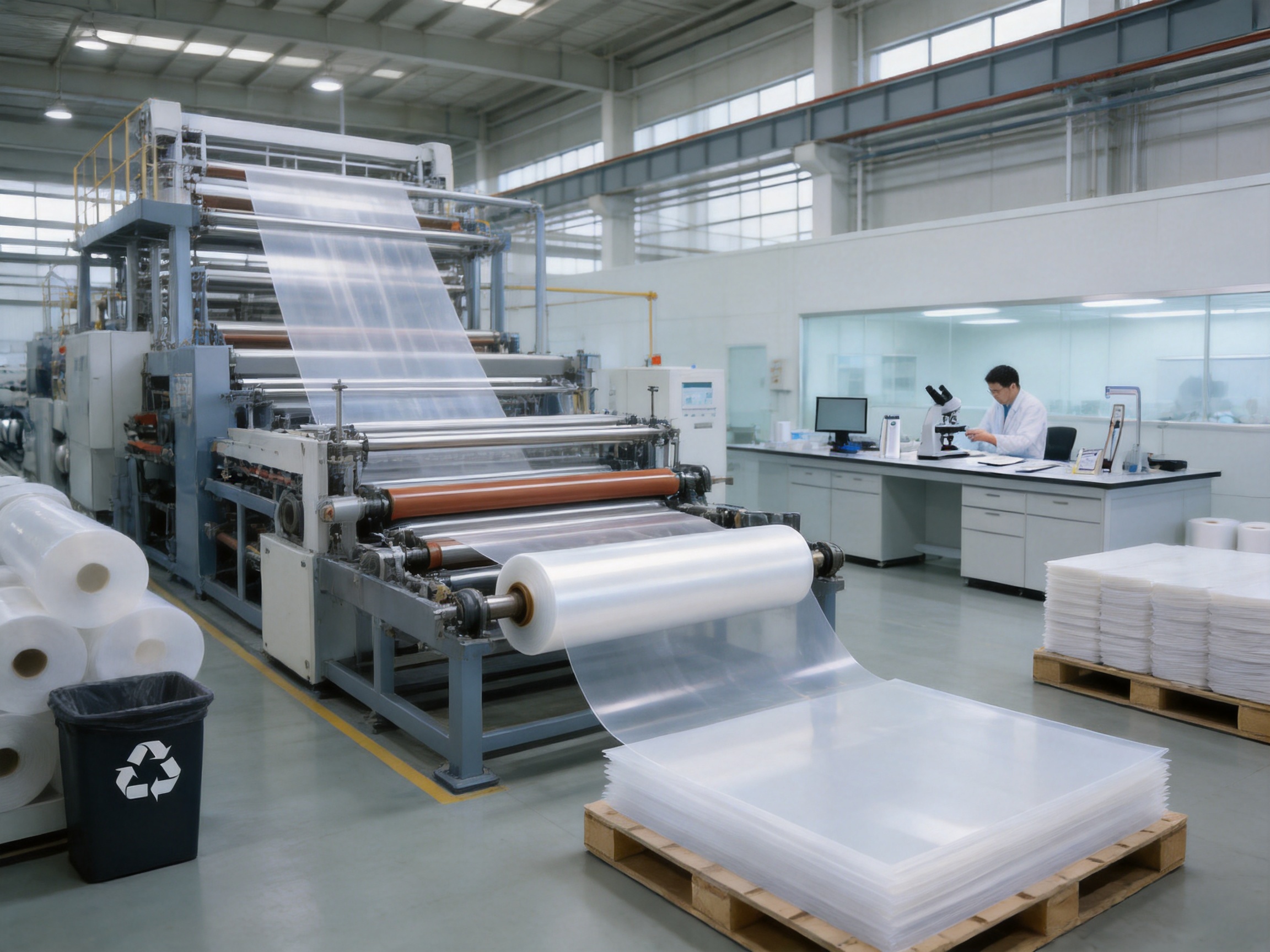
Transparent plastic sheets are essential materials in modern packaging, retail presentation, product protection, stationery, printing, and interior decoration. As manufacturers and brand owners seek materials that combine clarity, strength, formability, food-contact suitability, and environmental responsibility, conventional single-layer sheets are increasingly being evaluated against more advanced composite structures. GAG transparent film and sheet is one such solution. Made from a three-layer structure of PETG, APET, and PETG, it combines the processing advantages of different polyester materials in a single co-extruded sheet.
The GAG structure consists of two outer PETG layers and a central APET layer. This design is intended to deliver reliable transparency, dimensional stability, thermoforming performance, impact resistance, and compatibility with bonding and heat-sealing processes while helping reduce material costs. The result is a versatile rigid sheet suitable for packaging boxes, blister packs, trays, folding cartons, plastic windows, cards, display products, and many other applications.
Produced by ZheJiang ZhongSheng New Materials Co., Ltd., the material is part of a broader portfolio of transparent plastic sheets and film rolls. The manufacturer has focused on polyester materials for more than 16 years and operates a large-scale production platform with extensive equipment, laboratory resources, product development capabilities, and annual production capacity. These resources support consistent production for both domestic and international customers.
What Is GAG Transparent Film and Sheet?
GAG is a composite polyester sheet constructed from three layers: PETG on the outside, APET in the middle, and PETG on the opposite outside surface. The name reflects the material sequence: G for PETG, A for APET, and G for PETG. Instead of relying on one resin throughout the entire sheet, the co-extruded construction assigns different functions to the outer and central layers.
PETG is known for its excellent transparency, toughness, formability, and compatibility with bonding and heat-sealing processes. APET, or amorphous polyethylene terephthalate, provides a rigid, clear, and cost-efficient central structure. When these materials are combined through controlled co-extrusion, the finished GAG sheet can provide a balanced combination of performance and economy.
The product is available in thicknesses from 0.15 to 3.0 millimeters and widths from 170 to 1,350 millimeters. This range enables converters and manufacturers to select a suitable format for thin packaging films, rigid folding applications, formed trays, display components, and larger decorative or industrial parts.
Unlike an ordinary transparent film intended mainly for wrapping, GAG is a rigid or semi-rigid sheet material designed for fabrication. It can be cut, drilled, folded, printed, thermoformed, polished, bonded, and processed into finished products. Its adaptability allows manufacturers to use one material family across several production stages and application categories.
Why a Three-Layer Structure Matters
The three-layer design is central to the performance and commercial value of GAG transparent sheet. In a monolithic sheet, every part of the material must provide the same properties. In a composite sheet, the formulation and thickness of each layer can be selected to support a specific role.
The two PETG surface layers contribute to the sheet’s forming behavior, transparency, surface appearance, bonding compatibility, and resistance to cracking during fabrication. The APET core contributes stiffness and helps reduce the overall cost of the sheet compared with a structure made entirely from PETG. This balance is particularly useful when an application requires the visual and processing characteristics associated with PETG but does not require a solid PETG construction throughout the sheet.
Co-extrusion also creates a unified sheet rather than a separately laminated product. The layers are formed and combined during the extrusion process, which can support stable layer adhesion and a consistent appearance. A properly controlled co-extruded structure reduces the need for an additional adhesive lamination stage and can simplify production for downstream processors.
For packaging manufacturers, the GAG structure can offer an effective route to cost management without sacrificing the visual quality expected from transparent packaging. For converters, it provides a material that can be used with common cutting, folding, forming, printing, and bonding operations. For end users, it produces clear, rigid, durable packages that display products effectively while protecting them during handling and transportation.
Key Product Specifications
| Item | Specification or Feature | Practical Significance |
|---|---|---|
| Material structure | PETG + APET + PETG | Combines outer-layer processing performance with a cost-efficient rigid core |
| Material type | Clear rigid PET sheet or film | Suitable for transparent packaging, formed parts, and display products |
| Thickness | 0.15–3.0 mm | Supports thin-film and heavier rigid-sheet applications |
| Width | 170–1,350 mm | Allows use on different converting and forming equipment |
| Appearance | High transparency | Improves product visibility and presentation |
| Processing | Thermoforming, vacuum forming, cutting, drilling, bending, printing, bonding, welding, and polishing | Supports a broad range of fabrication methods |
| Forming behavior | Good deep formability and approximately 0.5% shrinkage | Helps produce accurate formed shapes with consistent dimensions |
| Recyclability | Recyclable polyester-based material | Supports material recovery and waste-reduction programs |
| Food suitability | Made with materials meeting national food hygiene standards | Suitable for selected food-packaging applications when specifications are properly confirmed |
High Transparency for Product Presentation
One of the most important advantages of GAG transparent film and sheet is its visual clarity. Transparency can exceed 90 percent, making the material suitable for packaging and display applications in which the customer needs to see the product clearly. High transparency allows the package to communicate product color, shape, texture, and condition without requiring the package to be opened.
Clear packaging is especially valuable in retail environments. Consumers often make purchase decisions based on immediate visual recognition. A transparent box, blister, tray, or window can show the contents while maintaining a protective barrier around the item. This is useful for toys, cosmetics, stationery, food products, gifts, small hardware, and consumer accessories.
High optical clarity can also improve the perceived quality of a package. Cloudy, hazy, or uneven material may make a product appear less attractive, even when the product itself is well designed. A clear and glossy sheet creates a clean presentation and can support printed graphics, labels, inserts, and decorative elements placed behind or beneath the transparent surface.
The PETG outer layers help support the bright appearance associated with the finished sheet. When the material is processed by cutting, folding, printing, or bending under appropriate conditions, it can retain a smooth and attractive surface. The product information also indicates that cold bending and printing do not necessarily cause whitening when suitable processing conditions are maintained.
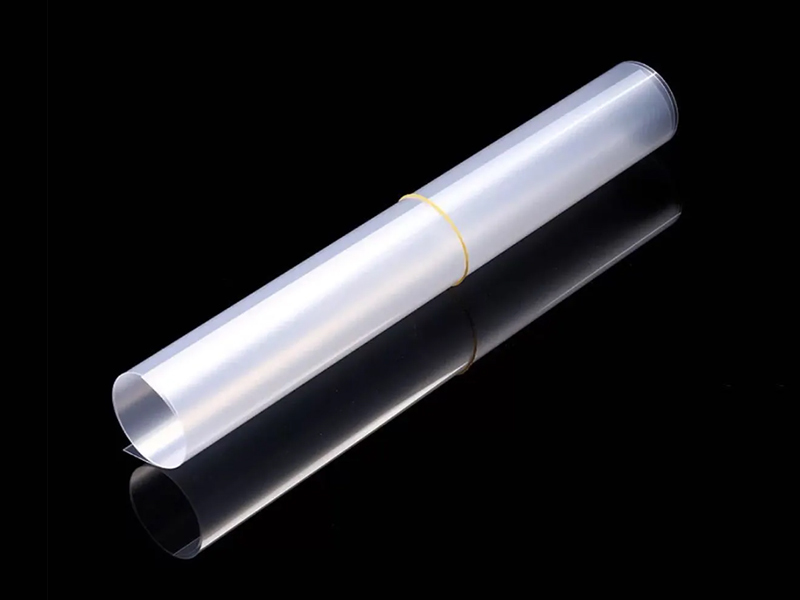
GAG Transparent Film/Sheet
Impact Strength, Rigidity, and Durability
Transparency alone is not enough for a successful packaging sheet. A package must withstand production, filling, transport, storage, retail handling, and consumer use. GAG transparent sheet is designed to provide a combination of impact strength and rigidity, making it suitable for applications where the material must remain firm while resisting ordinary handling stresses.
The rigid structure helps a box, tray, blister, or display component maintain its shape. This is important for products that need protection from compression or accidental contact. A package that bends too easily may lose its appearance, interfere with stacking, or fail to hold the product securely. GAG can provide a stable structure while retaining the transparency required for visual merchandising.
Its impact performance is also useful for toys, stationery, cosmetics, and small consumer products. These products may be handled repeatedly in warehouses and stores before reaching the customer. A durable transparent sheet can reduce the likelihood of cracking or damage during ordinary handling, although the final performance will depend on thickness, package design, forming geometry, temperature, and production conditions.
The balance between strength and weight can help manufacturers optimize packaging design. A sheet does not need to be excessively thick if the selected grade and structure already provide the required rigidity. Using the correct thickness may reduce material consumption, shipping weight, and package volume while maintaining adequate protection.
Thermoforming and Vacuum-Forming Performance
GAG is especially suitable for thermoforming and vacuum-forming applications. These processes heat a thermoplastic sheet and shape it over a mold or into a cavity. The material must soften in a controlled manner, stretch without excessive cracking, and retain the desired shape after cooling.
The product is described as having good thermoforming behavior, high precision, and good deep formability. It can be used for trays, bubble shells, blister packages, and other formed parts. The stated shrinkage rate is approximately 0.5 percent, which can help manufacturers account for dimensional changes during mold design and production planning.
Uniform thickness is another important consideration in formed packaging. Excessive thinning in corners or deep-draw areas may weaken the final package and create an unattractive appearance. A material with stable forming behavior can help distribute thickness more evenly across the formed part when the heating profile, mold design, forming speed, and vacuum conditions are properly controlled.
GAG is also described as not requiring preheating in certain processing conditions. This can potentially simplify production and reduce the number of preparation stages before forming. However, actual forming parameters should always be established according to the equipment, sheet thickness, mold geometry, production speed, and required appearance. Industrial processors normally validate heating and forming windows through trial production before full-scale manufacturing.
Good forming performance provides a competitive advantage over transparent materials that are difficult to draw deeply or that crack during shaping. A sheet that forms consistently can improve production yield, reduce rejected parts, and support more complex package designs.
Processing Flexibility for Converters
A major strength of GAG transparent sheet is its compatibility with a wide range of secondary processing methods. Packaging and display manufacturers do not all use the same equipment. Some rely on die cutting, while others use laser cutting, CNC drilling, folding, bonding, or high-frequency sealing. A versatile material can reduce the need to change production systems.
Cutting and Die Cutting
The sheet can be processed by sawing, die cutting, and laser cutting. Die cutting is widely used for folding boxes, card products, packaging inserts, and shaped windows. Laser cutting may be useful for prototypes, short runs, complex outlines, and applications requiring precise or flexible digital production. Sawing can be considered for thicker sheet formats or larger components.
Drilling and Mechanical Fabrication
Drilling allows the sheet to be used for display products, sign components, covers, fixtures, and other fabricated parts. Proper tooling and support are important to produce clean holes and avoid unnecessary stress around the cut area. The rigid nature of the material can help it retain dimensional stability during mechanical processing.
Cold and Hot Bending
GAG can be processed through both cold bending and hot bending. Cold bending may be suitable for simple folds and certain thin-sheet applications, while hot bending can be used when a more controlled radius or more complex shape is required. Choosing between these processes depends on thickness, bend angle, radius, product design, and required optical appearance.
Bonding and Welding
The sheet is particularly suitable for packaging boxes that need to be assembled using glue or high-frequency heat sealing. This is an important advantage because transparent packages often require strong, clean, and visually acceptable joints. The outer PETG surfaces can support bonding and sealing operations when compatible adhesives, equipment, and process parameters are selected.
High-frequency heat sealing can support efficient assembly for certain packaging structures. Adhesive bonding may be preferred for other designs, especially where the package geometry or production line favors gluing. The ability to use more than one joining method gives converters additional freedom when designing boxes, windows, covers, and display components.
Printing and Surface Finishing
GAG can be printed and polished, allowing manufacturers to add brand graphics, instructions, product information, decorative patterns, and warning labels. Transparent packaging often uses printing selectively, leaving a clear viewing area while placing graphics around the edges or on designated panels.
Polishing and finishing operations can support a more refined appearance for fabricated components. These operations should be evaluated according to the required surface quality and the geometry of the finished product. In all cases, processing trials are recommended to confirm ink adhesion, drying behavior, surface cleanliness, and resistance to handling.
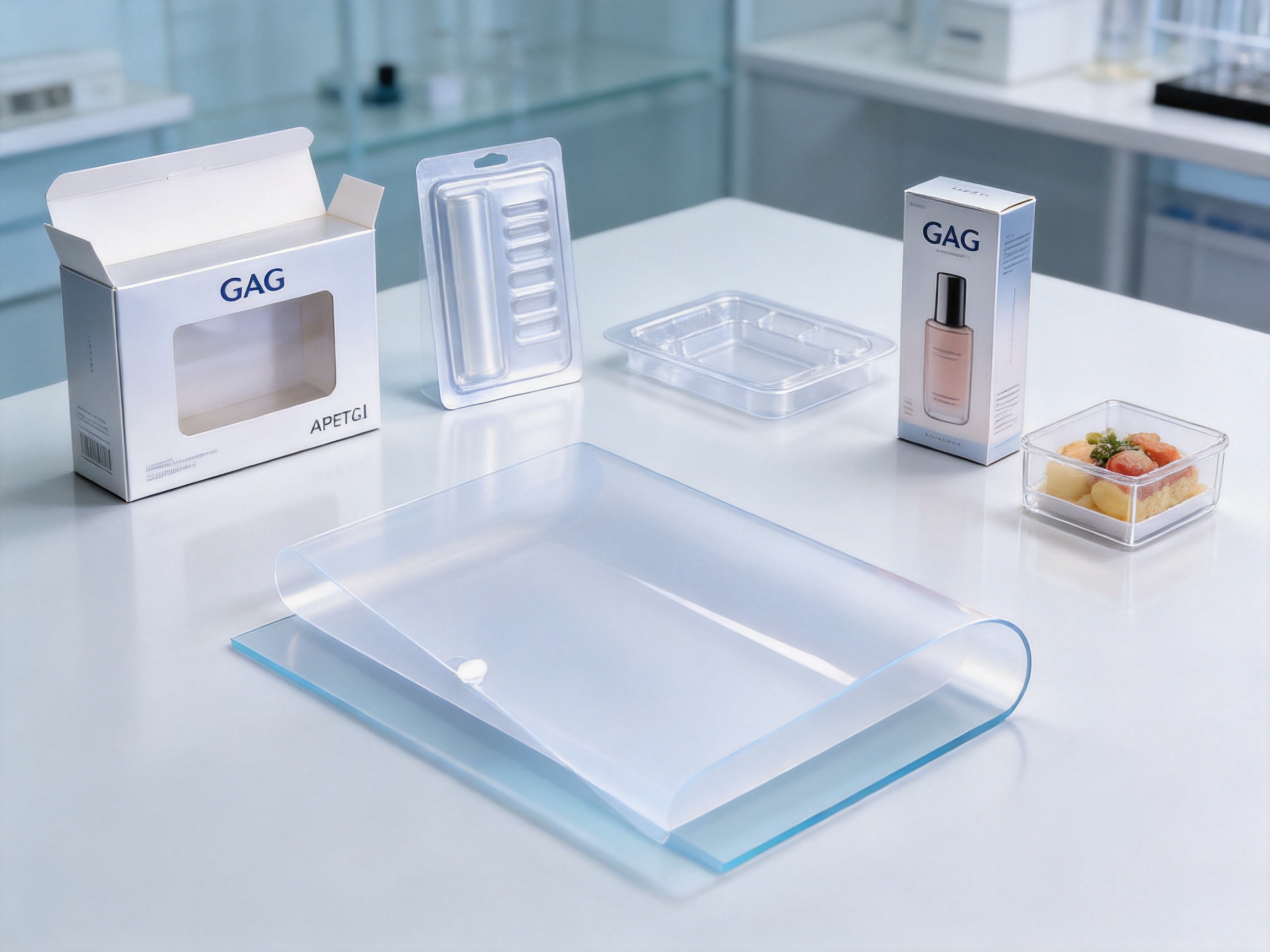
Applications Across Multiple Industries
Vacuum-Formed Trays
Vacuum-formed trays are used to hold, separate, and present products. GAG can be formed into trays for food, electronics accessories, cosmetics, stationery, hardware, and consumer goods. Its transparency allows the contents to remain visible, while its rigidity helps maintain the shape of the tray during transport and display.
Blister Packaging
Blister packaging uses a formed transparent cavity, often combined with a backing card or sealing layer. The clear cavity protects the product while allowing customers to inspect it. GAG’s transparency, formability, and compatibility with bonding and sealing make it suitable for selected blister packaging designs.
Toy Packaging
Toys often benefit from packaging that displays color, shape, and accessories without requiring the package to be opened. The sheet can be used for bubble shells, windows, and rigid transparent boxes. Its impact strength and forming performance can help protect toys during handling while maintaining visual appeal.
Food Packaging
Food packaging requires careful control of material composition, hygiene, processing, and regulatory compliance. GAG is made with food-grade materials and is described as meeting national food hygiene standards. It can therefore be considered for selected food-packaging applications such as clear boxes, trays, windows, and display containers, subject to the requirements of the destination market and the specific food-contact application.
Food packaging manufacturers should confirm the applicable regulations, migration requirements, temperature range, storage conditions, and end-use limitations before placing the material into commercial service. Food suitability is not determined by transparency alone; it must be supported by the correct documentation and application review.
Stationery and Card Products
Transparent polyester sheet can be used for folders, covers, card products, rulers, packaging sleeves, document protectors, and stationery windows. Its dimensional stability helps these products maintain a professional appearance, while its cuttability and printability support customized designs.
Cosmetics Packaging
Cosmetic products depend heavily on presentation. Clear packaging can show the color, shape, and quantity of the product while creating a clean and modern appearance. GAG can be used for boxes, inserts, windows, trays, and protective shells. Its high transparency and ability to support printing make it suitable for premium retail presentation.
Folding Boxes and Plastic Windows
The sheet can be die cut and creased into folding boxes or used as a transparent window inserted into paperboard packaging. Combining printed paperboard with a clear GAG window creates a package that offers both graphic communication and product visibility. This approach is common for gifts, household products, food items, stationery, and retail sets.
Printing and Display Components
GAG can serve as a substrate for printed products, signs, display cards, transparent panels, and promotional materials. Its stiffness gives the finished part a more substantial feel than a flexible film, while its clarity can be used as part of layered visual designs.
Plastic Cards and Specialty Products
Because the material can be cut, printed, and processed into flat products, it may be used for selected plastic card applications and specialty components. The appropriate thickness, surface treatment, printing system, and durability requirements should be confirmed for each card design.
Environmental and Recycling Considerations
Environmental performance has become an important factor in material selection. GAG is made from polyester-based materials and is described as recyclable. Recyclability can help manufacturers reduce the amount of material sent to disposal when suitable collection and recovery systems are available.
The environmental value of a recyclable sheet depends on the complete product design and local recycling infrastructure. Packaging that combines several materials, inks, adhesives, labels, or metal components may require additional separation or may be more difficult to recover. Designers can support recycling by minimizing unnecessary material combinations, selecting compatible components, and clearly communicating disposal guidance where appropriate.
The three-layer structure can also contribute to resource efficiency by combining PETG and APET according to their functional roles. The APET core helps reduce costs, while the PETG outer layers provide desired surface and processing characteristics. This approach may allow manufacturers to achieve required performance without using a more expensive material throughout the entire thickness.
Recyclability should be considered together with production yield, product lifespan, transport efficiency, and package protection. A durable package that prevents product damage may provide value by reducing waste throughout the supply chain. The best material choice is therefore based on the full life cycle of the application rather than one isolated property.
Advantages Compared with Conventional Transparent Sheets
GAG transparent film and sheet offers several advantages when compared with ordinary single-layer transparent sheets or materials designed for only one processing method.
Balanced Cost and Performance
The central APET layer helps reduce costs compared with a sheet made entirely from PETG, while the PETG outer layers preserve important performance benefits. This structure is valuable for high-volume packaging, where even a small reduction in material cost can have a significant effect on total production expenditure.
More Processing Options
Some transparent sheets are optimized for either thermoforming, printing, or basic cutting but may not perform equally well across several processes. GAG can support forming, cutting, drilling, bending, bonding, sealing, printing, welding, and polishing. This broader processing range can simplify material selection for manufacturers producing different product types.
Improved Product Visibility
With transparency of more than 90 percent, GAG is suitable for products that need to remain visible at the point of sale. Clear presentation can be a competitive advantage over opaque or hazy materials, particularly in consumer packaging.
Suitable for Complex Formed Shapes
Good deep formability and stable thermoforming behavior allow designers to create shaped cavities and protective shells. Materials with poor forming performance may restrict package geometry or result in excessive waste. GAG can support more flexible design when properly matched with the mold and process.
Compatibility with Joining Processes
The ability to use glue and high-frequency heat sealing is particularly useful for transparent boxes and packaging assemblies. A material that can be joined through several methods gives manufacturers more options for production-line integration and package construction.
Dimensional Stability
Good size stability helps the finished component retain its intended dimensions during processing and use. This is important for folding boxes, trays, cards, display parts, and components that must fit with other materials.
Manufacturing Process and Quality Control
The production of GAG transparent sheet requires careful control from raw-material preparation through extrusion, cooling, finishing, inspection, and packaging. The three layers must be formed in the correct proportion and combined uniformly to achieve stable appearance and performance.
Raw-Material Preparation
Polyester raw materials must be stored and handled appropriately before production. Moisture control is particularly important for polyester processing because excessive moisture can affect melt quality, appearance, mechanical performance, and processing stability. A professional production system therefore includes procedures for material storage, drying, feeding, and batch identification.
Co-Extrusion
In co-extrusion, separate extrusion streams are used to form the PETG outer layers and the APET central layer. These streams are combined into a single multilayer structure before the material passes through the sheet-forming section. The process must control melt temperature, pressure, flow rate, layer ratio, die uniformity, and line speed.
Stable co-extrusion is important for preventing visible flow lines, uneven thickness, layer displacement, bubbles, contamination, and optical defects. Advanced process control can help maintain consistent layer distribution across the width and throughout the production run.
Sheet Formation and Cooling
After the multilayer melt exits the die, it is formed into a sheet and cooled under controlled conditions. Cooling influences thickness, flatness, surface quality, internal stress, and dimensional stability. Roll temperature, contact pressure, line speed, and cooling conditions must be coordinated with the sheet thickness and material formulation.
A controlled cooling stage helps create a smooth surface suitable for printing, bonding, forming, and visual inspection. It also supports consistent dimensions for downstream die cutting and thermoforming.
Trimming, Slitting, and Winding
Once the sheet has been formed and stabilized, the edges may be trimmed to achieve the required width. Depending on the product format, the material can be supplied as sheets or film rolls. Slitting and winding must be controlled to prevent telescoping, wrinkles, edge damage, excessive tension, or deformation.
Accurate width and stable roll formation are important for customers using automated converting equipment. Consistency in roll dimensions can reduce setup time and improve line efficiency.
Inspection and Testing
Quality control may include visual inspection, thickness measurement, width measurement, transparency evaluation, surface inspection, mechanical testing, forming trials, and verification of packaging integrity. Testing requirements vary according to the product grade and application.
For food-related applications, documentation and compliance review are especially important. For thermoforming grades, processors may also evaluate heating response, draw depth, thickness distribution, shrinkage, and finished-part appearance. For printed or bonded products, surface compatibility and adhesive performance may require separate validation.
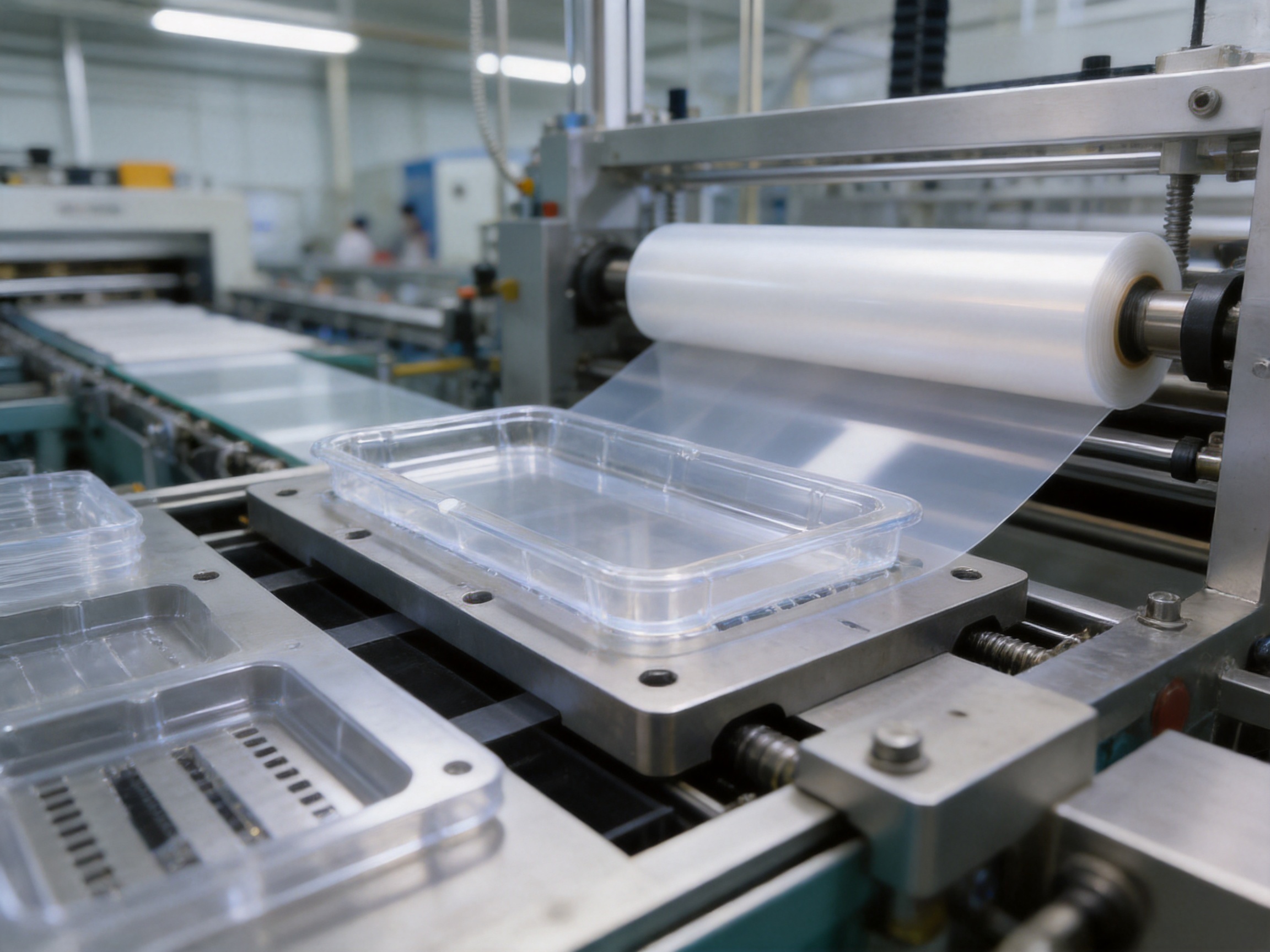
Manufacturing Strengths and Production Capacity
ZheJiang ZhongSheng New Materials Co., Ltd. has established a manufacturing platform focused on transparent plastic sheets and plastic film rolls. The company was established in 2006 and has more than 16 years of experience in the PET industry. Its stated production resources include a 40,000-square-meter manufacturing area, registered capital of 11.21 million U.S. dollars, one research and development team, two laboratories, 33 production lines, and more than 100 sets of machinery and equipment.
The reported annual production capacity reaches 70,000 tons, including PETA, PETG, and PET-GAG products. This scale is important for customers seeking a stable supplier capable of supporting regular orders, larger projects, and international distribution. A broad production base can also help reduce dependence on a single line and provide greater flexibility for different thicknesses, widths, structures, and product specifications.
Production capacity alone does not guarantee quality, but it creates the foundation for systematic manufacturing. When supported by laboratories, technical personnel, process documentation, preventive maintenance, and traceability, a large production platform can help deliver more consistent products from batch to batch.
The company also reports more than 60 invention and utility patents. Its self-developed PETG films are used in furniture decorative panels and have received recognition in domestic and international markets. This experience demonstrates that the manufacturer is not limited to commodity production. It has also developed materials for specialized applications requiring appearance, forming, surface performance, and stable supply.
Research, Development, and Technical Support
Transparent sheet applications often require more than a standard catalog product. Customers may need a specific thickness, width, surface finish, forming behavior, layer structure, or packaging format. An established research and development team can help address these requirements through material selection, process adjustment, prototype evaluation, and application testing.
The presence of two laboratories provides a basis for product analysis and process verification. Laboratory work may include measuring optical properties, thickness uniformity, mechanical behavior, thermal response, and forming performance. It can also support investigations into customer feedback, production deviations, and new product development.
Technical collaboration is particularly valuable during the transition from material selection to mass production. A sheet that performs well in a small sample may require different settings on a high-speed packaging line. Suppliers with application knowledge can help customers evaluate forming temperatures, cutting conditions, sealing parameters, adhesive compatibility, and storage practices.
For international customers, technical communication is also important. Clear specifications, test reports, packaging information, and production documentation help buyers compare materials and establish internal quality standards. A reliable supplier should be able to discuss not only the material name but also the structure, dimensions, tolerance, intended process, and end-use requirements.
How to Select the Correct GAG Specification
The correct GAG grade depends on the intended application rather than on transparency alone. Buyers should first identify whether the product will be thermoformed, folded, printed, bonded, heat sealed, or used as a flat panel. The required thickness and width should then be selected according to product geometry, equipment, and performance expectations.
Thickness Selection
Thin material in the lower part of the 0.15–3.0 millimeter range may be appropriate for lightweight packaging, windows, sleeves, inserts, or flexible-to-semi-rigid applications. Medium thicknesses may be suitable for blister shells, trays, boxes, and display products. Thicker sheet can be considered for rigid panels, covers, fabricated components, and applications requiring increased stiffness.
For thermoforming, the starting sheet thickness should account for material distribution after stretching. Deep cavities generally require careful evaluation because some regions may become thinner than the original sheet. Mold design and forming conditions are therefore as important as the nominal thickness.
Width Selection
Widths from 170 to 1,350 millimeters can accommodate different converting lines and mold layouts. Selecting a width close to the finished nesting pattern may improve material utilization. At the same time, manufacturers should consider trim loss, machine clamping areas, roll handling, and the ability to run multiple cavities across the sheet.
Surface and Printing Requirements
If the material will be printed, customers should confirm the required printing method and whether any surface preparation is needed. Ink adhesion, drying, abrasion resistance, and color appearance should be evaluated on the selected grade. Transparent products may also require a specific gloss level or surface quality for premium packaging.
Sealing and Bonding Requirements
For boxes and blister packages, the joining method should be decided early. Adhesive bonding and high-frequency heat sealing may require different surface conditions and equipment settings. Trial production should confirm joint strength, visual quality, cycle time, and resistance to storage conditions.
Storage, Handling, and Processing Recommendations
GAG sheets and rolls should be stored in a clean, dry area away from direct sunlight, excessive heat, moisture, and contaminants. Rolls should be supported properly to prevent deformation, and sheets should be stacked on a flat surface to reduce bending or edge damage.
Before processing, the material should be allowed to reach the production-area temperature when it has been transported through significantly different temperature conditions. This can help reduce condensation and dimensional variation. Protective packaging should remain in place until the material is ready for use.
Processing parameters should be established through trials. Thermoforming temperature, heating time, mold temperature, vacuum level, cooling time, and forming speed can all influence the final result. Cutting tools should be sharp and correctly aligned, while drilling and mechanical fabrication should use appropriate support and speed.
For printing and bonding, the surface should be clean and free from dust, oil, and handling marks. Compatibility should be checked with the selected ink or adhesive. A small-scale test is recommended before commercial production, particularly when the product will be exposed to temperature changes, humidity, impact, or long-term storage.
Quality and Supply Advantages for Global Buyers
International buyers typically evaluate transparent sheet suppliers on several factors: product consistency, production capacity, technical competence, communication, delivery reliability, documentation, and the ability to support future development. A supplier with established facilities and multiple production lines can provide a stronger foundation for long-term cooperation than a supplier operating with limited resources.
The company’s manufacturing area, laboratories, production lines, and equipment base support a structured supply model. Its reported annual turnover of more than 70 million U.S. dollars indicates substantial commercial activity, while its product focus provides experience in PET-related applications. These factors can be relevant for packaging converters, distributors, furniture-material manufacturers, and other buyers seeking ongoing supply rather than a single trial order.
Product consistency is especially important for automated forming and packaging lines. Variations in thickness, transparency, width, or forming response can result in machine adjustments and production waste. A manufacturer with established process control and laboratory resources is better positioned to monitor these characteristics and respond to technical concerns.
At the same time, buyers should define their own acceptance criteria clearly. Purchase specifications may include thickness tolerance, width tolerance, transparency, haze, surface defects, roll dimensions, core size, packaging method, and documentation requirements. Clear specifications help both parties maintain consistent expectations.
Frequently Asked Questions
What does GAG stand for?
GAG refers to a three-layer structure consisting of PETG on the outside, APET in the middle, and PETG on the opposite outside surface. It is a co-extruded composite polyester sheet.
Why is APET used in the middle layer?
APET provides a clear and rigid central structure while helping reduce the cost of the overall sheet. The PETG outer layers contribute forming, bonding, heat-sealing, and surface-performance characteristics.
Is GAG transparent?
Yes. The product is designed as a high-transparency sheet, with transparency that can exceed 90 percent under the specified product conditions. Actual optical performance may vary according to thickness, processing, and test method.
Can GAG be thermoformed?
Yes. GAG is suitable for thermoforming and vacuum forming, including trays, blister packages, and bubble shells. It is described as having good deep formability, high precision, and a shrinkage rate of approximately 0.5 percent.
Does GAG require preheating before forming?
The product information indicates that it does not need preheating under suitable conditions. However, processors should establish forming parameters based on the sheet thickness, equipment, mold design, line speed, and required finished-part quality.
Can GAG be used for food packaging?
GAG is made with food-grade materials and is described as meeting national food hygiene standards. Buyers should confirm the relevant regulations and food-contact documentation for the destination market, food type, temperature range, and intended use.
Can the sheet be glued or heat sealed?
Yes. GAG is especially suitable for packaging boxes that require adhesive bonding or high-frequency heat sealing. Compatibility should be confirmed through trials using the intended adhesive, sealing equipment, geometry, and production conditions.
What cutting methods are available?
The sheet can be processed by sawing, die cutting, drilling, and laser cutting. The most suitable method depends on thickness, product geometry, production volume, tolerance, and equipment availability.
Can GAG be bent without whitening?
The product information states that it supports cold bending and hot bending, and that cold bending does not whiten when properly processed. Actual results depend on bend radius, thickness, temperature, tooling, and processing speed.
Is GAG recyclable?
Yes. It is described as recyclable. The actual recovery pathway depends on local recycling systems and the complete construction of the finished product, including inks, adhesives, labels, and other materials.
What thicknesses and widths are available?
The stated thickness range is 0.15 to 3.0 millimeters, and the stated width range is 170 to 1,350 millimeters. Final availability should be confirmed according to the required structure, grade, order quantity, and production schedule.
What makes this material cost-effective?
The GAG structure uses APET as the central layer and PETG as the outer layers. This can reduce cost compared with an all-PETG sheet while retaining important processing and appearance advantages associated with PETG surfaces.
What information should be provided when requesting a quotation?
Buyers should provide the required thickness, width, sheet or roll format, application, forming method, printing or bonding requirements, food-contact needs, estimated order quantity, packaging preferences, and destination. Providing this information helps the supplier recommend a more appropriate specification.
Conclusion
GAG transparent film and sheet is a versatile three-layer polyester material designed to balance transparency, rigidity, impact strength, formability, processability, and cost. Its PETG/APET/PETG structure supports applications that require a clear and durable material capable of being thermoformed, vacuum formed, cut, drilled, bent, printed, bonded, welded, or polished.
With a thickness range of 0.15 to 3.0 millimeters and widths from 170 to 1,350 millimeters, the material can serve both lightweight packaging and more rigid fabricated products. Its transparency of more than 90 percent supports strong product presentation, while its forming performance and approximately 0.5 percent shrinkage rate can assist the production of accurate trays, blister shells, boxes, and other formed parts.
The product’s competitive value comes from the combination of PETG surface performance and an APET cost-efficient core. This structure can provide an alternative to conventional single-layer sheets when manufacturers need a better balance between price and function. Recyclability and food-grade material suitability further expand its potential, subject to application-specific verification and regulatory requirements.
ZheJiang ZhongSheng New Materials Co., Ltd. supports this product with a large manufacturing base, multiple production lines, laboratory resources, research and development capabilities, extensive equipment, and long-term experience in the PET industry. These strengths provide a foundation for consistent production, technical support, product customization, and international supply.
For packaging converters, retailers, product manufacturers, and decorative-material companies, GAG offers a practical material platform for developing clear, durable, and attractive products. By selecting the correct thickness, width, processing method, and joining system, customers can use the sheet to improve package appearance, simplify fabrication, protect products, and control material costs.
References
1. Product specification and technical information for GAG Transparent Film/Sheet, including material structure, dimensions, applications, and performance characteristics.
2. Company profile and manufacturing information for ZheJiang ZhongSheng New Materials Co., Ltd., including production facilities, research resources, equipment, capacity, and PET industry experience.
3. General technical principles of PETG and APET co-extrusion, thermoforming, vacuum forming, die cutting, heat sealing, adhesive bonding, and recyclable polyester packaging.
4. General packaging design practices for transparent food, toy, cosmetic, stationery, blister, tray, folding-box, and retail-display applications.
5. General material-selection principles for transparent thermoplastic sheets, including optical clarity, rigidity, impact strength, dimensional stability, forming behavior, and processing compatibility.