 English
 Español

Zhongsheng
Zhongsheng
Zhongsheng
Zhongsheng
Zhongsheng
Zhongsheng
Zhongsheng
Zhongsheng
Zhongsheng
Zhongsheng
Zhongsheng
Zhongsheng
Zhongsheng
Zhongsheng
Zhongsheng
Interior architecture increasingly requires materials that combine visual appeal, structural reliability, easy fabrication and long-term performance. Decorative panels are no longer selected only for their appearance. Designers, furniture manufacturers, contractors and building-material distributors also consider moisture resistance, dimensional stability, surface durability, cleanability, installation efficiency and manufacturing consistency. PET/PVC surface plywood and block board respond to these requirements by combining an engineered wood substrate with a decorative polymer film surface.
This product category brings together the proven structural performance of plywood or block board and the functional benefits of PET or PVC decorative film. The result is a versatile panel suitable for furniture, cabinetry, wall decoration, ceiling systems, interior features, commercial spaces and selected construction applications. Depending on the selected surface, the panel can deliver a natural wood appearance, a deep solid color, a contemporary matte finish, a refined gloss effect or a distinctive decorative pattern.
Compared with unfinished wood panels, surface-finished boards reduce the amount of on-site finishing work. Compared with some traditional decorative laminates, PET and PVC film surfaces provide a broad range of design possibilities and can be selected according to the intended balance of appearance, maintenance, moisture resistance and cost. The panel format also allows manufacturers and project suppliers to coordinate substrate thickness, surface design and panel dimensions for different applications.
PET/PVC surface plywood and block board are especially appropriate for modern interiors where clean lines, consistent colors and efficient installation are important. They can be processed using common woodworking equipment and incorporated into furniture, wall systems, ceiling details, partitions, counters, storage units and decorative architectural elements.
PET/PVC Surface Plywood/Block Board
1. What Is PET/PVC Surface Plywood and Block Board?
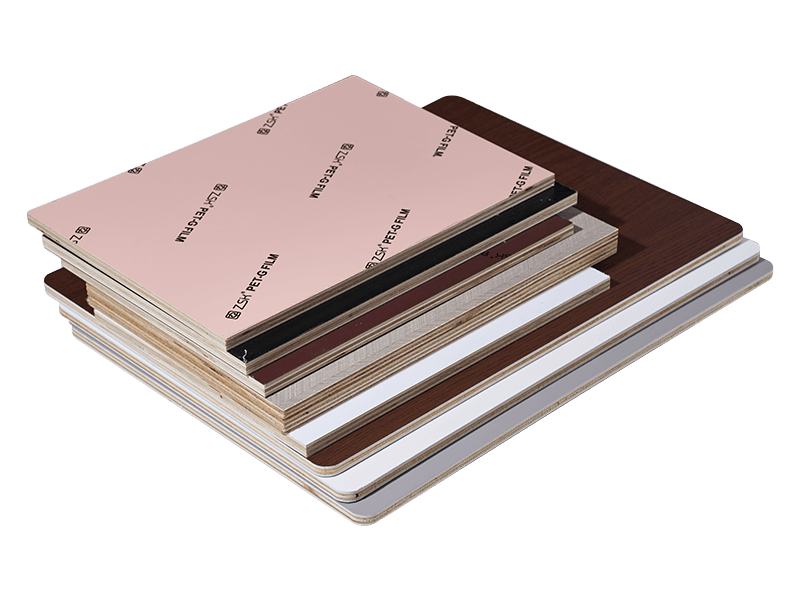
PET/PVC surface plywood and block board are composite decorative panels made by applying a polymer film to an engineered wood substrate. The substrate may be plywood, block board or another suitable wood-based panel, while the visible surface is covered with PET film, PVC film or a coordinated multilayer decorative finish.
Plywood is manufactured by bonding several thin wood veneers together. The grain direction of adjacent veneers is generally rotated, often at right angles, to create a cross-laminated structure. This construction distributes stresses through the panel and helps improve strength, stability and resistance to warping, cracking and twisting.
Block board generally consists of a core made from wood strips or blocks positioned between veneer layers. The core gives the board a useful combination of rigidity, relatively low weight and workability. Depending on the construction and quality grade, block board can be used for furniture components, doors, partitions, wall applications and decorative interior elements.
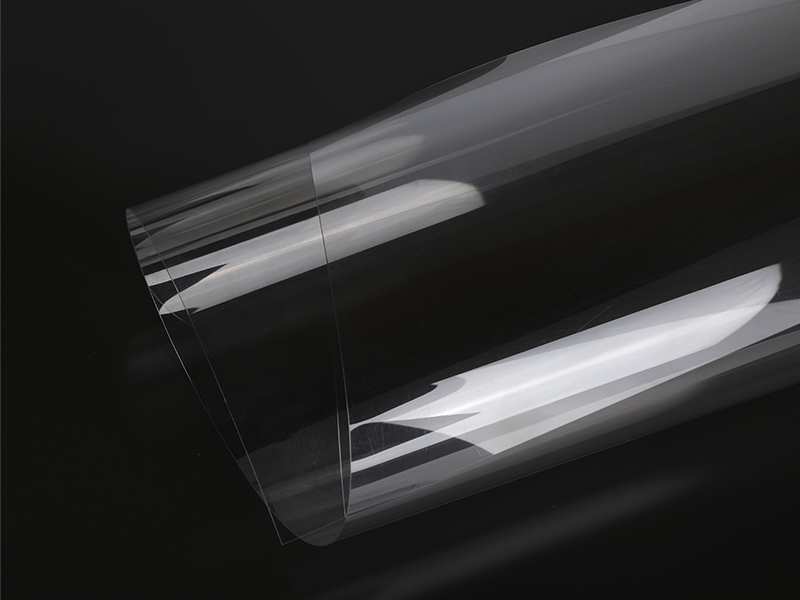
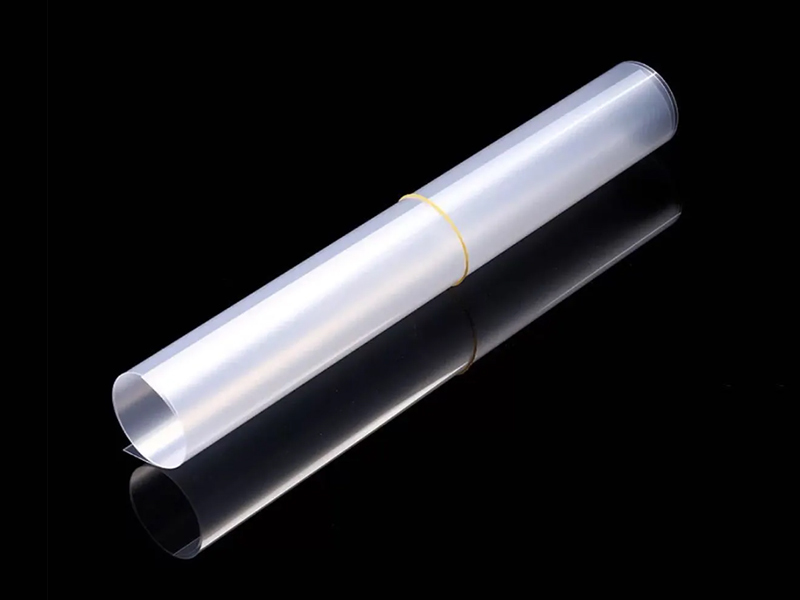
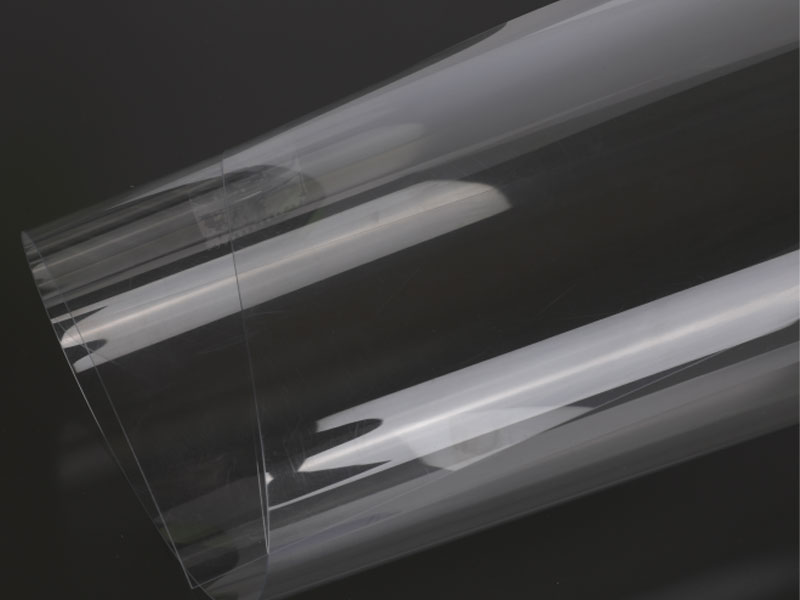
The surface film adds an additional functional and aesthetic layer. PET, or polyethylene terephthalate, is a high-performance polymer widely used in sheet and film applications. PET decorative films can provide a smooth, uniform and visually refined finish. PVC, or polyvinyl chloride, is another widely used polymer for decorative surfaces and can be produced in numerous colors, textures, patterns and gloss levels.
When these materials are combined, the finished panel offers more than the performance of a basic wood board. It provides a ready-to-use decorative surface while retaining the core’s structural properties. The final performance depends on the substrate quality, film type, adhesive system, lamination process, surface design, edge treatment, environmental conditions and fabrication method.
1.1 The Role of the Wood Substrate
The substrate supports the panel mechanically. It determines much of the board’s stiffness, screw-holding ability, cutting behavior and resistance to impact. Plywood is often selected when cross-laminated strength and dimensional stability are priorities. Block board may be selected when a lighter core, a particular machining behavior or a specific furniture construction is preferred.
A suitable substrate also creates a stable base for film lamination. The surface must be sufficiently smooth, clean and level so that the decorative film can be applied evenly. Unevenness, contamination or excessive moisture in the substrate can affect adhesion and appearance. For this reason, substrate preparation is an important part of the overall manufacturing process.
1.2 The Role of the PET or PVC Surface
The film provides the visible appearance and contributes to surface protection. It can create a consistent decorative effect across multiple boards, which is valuable for furniture series, retail interiors, hospitality projects and large architectural installations.
Depending on the chosen specification, the surface may offer resistance to everyday abrasion, stains, moisture exposure and routine cleaning. Film surfaces are also useful when a project requires a consistent color or pattern that would be difficult to achieve with natural timber alone.
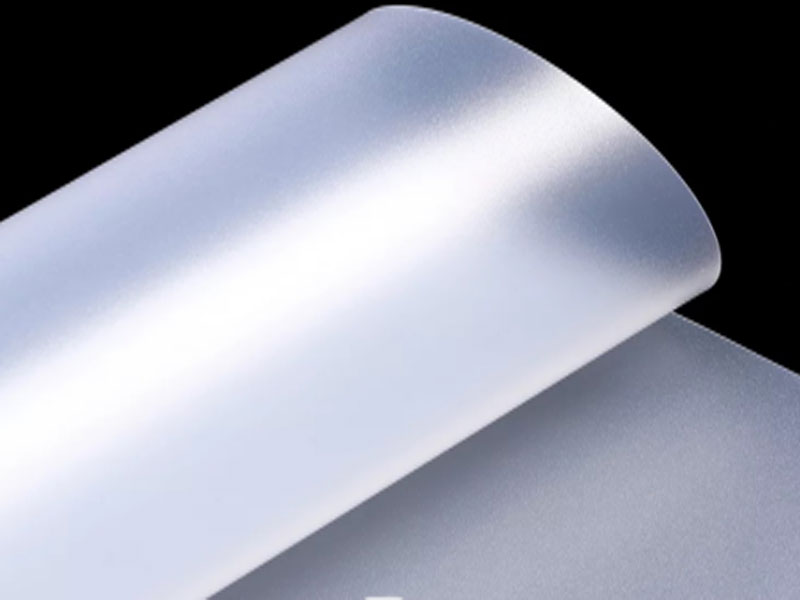
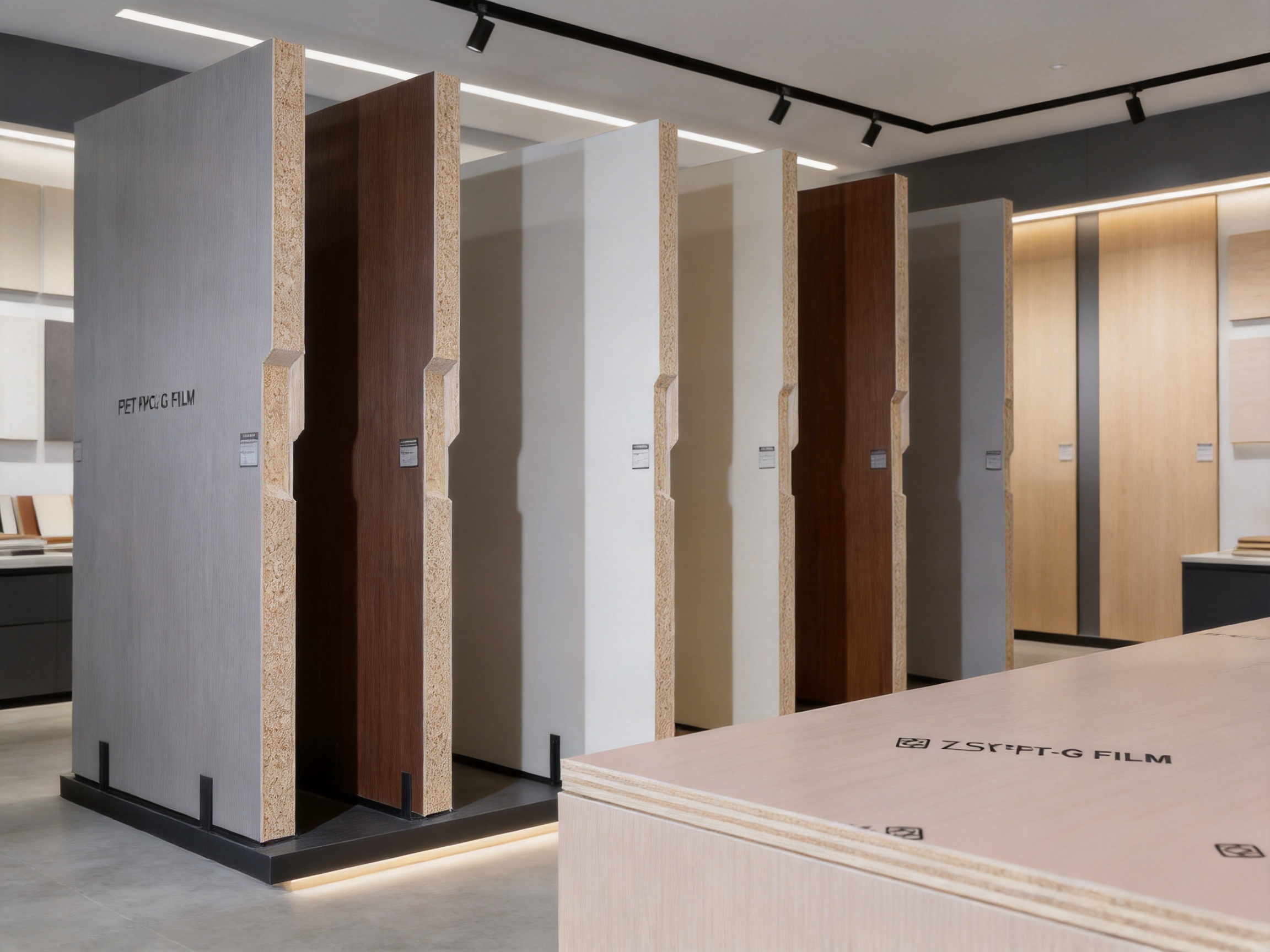
PET and PVC films are available in different thicknesses, colors, textures and finishes. Options may include wood grain, solid colors, dark decorative surfaces, high-gloss finishes, soft mattes, satin textures and other coordinated patterns. The selected film should be matched to the intended application and expected level of use.
2. Product Specifications and Configuration Options
The supplied product information identifies the panel as PET film with plywood and gives a standard panel size of 1220 × 2440 mm, with customized dimensions available. Thickness options range from approximately 3 mm to 40 mm, depending on the construction and project requirements. The reported density range is approximately 0.8–1.3 g/cm³.
These specifications allow the product to cover a broad range of uses. Thin panels can be suitable for decorative cladding, cabinet components or overlay applications, while thicker panels can be considered for furniture carcasses, partitions, shelving, doors and architectural features. The final thickness and density should always be confirmed for the specific order because substrate type, core construction, film selection and production tolerance can influence the finished panel.
| Item | Typical Information | Project Considerations |
|---|---|---|
| Product type | PET film with plywood or block board | Select the substrate according to strength, weight and machining requirements |
| Standard size | 1220 × 2440 mm | Customized dimensions may be discussed for project production |
| Thickness | Approximately 3–40 mm | Choose according to span, fixing method, furniture design and panel function |
| Density | Approximately 0.8–1.3 g/cm³ | Confirm the value for the selected substrate and construction |
| Surface options | PET or PVC decorative film | Available appearance may include wood grain, solid colors, matte and gloss effects |
| Primary advantages | Moisture resistance, strength and durability | Performance depends on correct specification, processing and installation |
| Typical uses | Furniture, decoration and construction | Use the suitable grade for the environmental and mechanical conditions |
Customization can involve more than dimensions. Depending on production capability and order requirements, buyers may also discuss film color, pattern, gloss level, surface texture, edge treatment, substrate composition and packaging. For large projects, it is useful to approve a physical sample before mass production so that the appearance can be checked under the project’s lighting conditions.
Color matching is particularly important when panels are combined with other decorative materials. A sample helps confirm that the film’s tone, grain direction, reflectivity and texture are compatible with flooring, cabinetry, wall panels, metalwork, glass and lighting.
3. Main Advantages Over Conventional Decorative Panels
PET/PVC surface plywood and block board provide several advantages compared with unfinished plywood, ordinary veneered boards and some basic decorative panel solutions. The exact level of performance depends on the selected grade, but the material concept offers a strong balance between design flexibility and practical usability.
3.1 Structural Strength and Stability
The cross-laminated structure of plywood helps distribute forces across the panel. Because adjacent veneer layers are arranged with different grain directions, the board is less dependent on the strength of a single grain direction than solid wood. This can help reduce the risk of splitting, twisting and localized movement.
Block board also provides a stable engineered construction when the core strips and outer layers are properly selected and bonded. For furniture and interior applications, the board can offer a practical combination of stiffness and manageable weight.
Compared with many solid-wood components, engineered panels can provide more uniform dimensions and more predictable machining. They are also available in broad sheet formats, which can reduce the number of joints in large furniture or wall applications.
3.2 Improved Resistance to Everyday Moisture
The decorative film creates a relatively continuous surface that helps limit direct contact between the wood substrate and everyday splashes, condensation or cleaning moisture. This is an important benefit in kitchens, bathrooms, utility areas, commercial interiors and other locations where surfaces may require regular wiping.
Moisture resistance does not mean that the panel is automatically suitable for permanent immersion, uncontrolled exterior exposure or areas with continuous water penetration. Edges, cutouts, screw holes and joints must be properly sealed or detailed. The substrate and adhesive system must also be selected according to the environment.
When correctly specified and installed, the finished panel can offer a more practical surface than unfinished wood, which may absorb moisture quickly and require additional coating or sealing.
3.3 Decorative Consistency
Natural timber has unique grain variation, color differences and knots. These features can be desirable, but they may make it difficult to achieve a uniform appearance across a large project. Decorative PET and PVC films provide greater control over color and pattern repetition.
This consistency is valuable for hotel rooms, retail stores, office interiors, apartment developments, educational buildings and branded commercial environments. Panels can be coordinated across furniture, feature walls and ceiling elements, helping designers create a consistent visual language.
3.4 Reduced Finishing Work
Unfinished plywood generally requires sanding, priming, painting, staining, sealing or another finishing process before it reaches the required appearance. Surface-finished boards are supplied with the decorative layer already applied, reducing the number of operations required after delivery.
This can shorten production time for furniture manufacturers and simplify installation for contractors. It may also reduce the need for wet coatings, drying areas and on-site touch-up work. A finished panel is especially useful when project schedules are tight or when consistent factory-controlled quality is preferred.
3.5 Good Workability
PET/PVC surface plywood and block board can generally be cut, drilled, routed, screwed, nailed, laminated and assembled using suitable woodworking tools. CNC machining can be used for repeated components, precise openings and complex furniture parts, provided that the cutting parameters are selected to protect the decorative surface and prevent edge damage.
Fabricators should use sharp tools, appropriate feed rates and proper support. The visible face should be protected during handling and machining. Edges may require matching edging, a separate profile, a sealed coating or another finishing treatment depending on the design.
3.6 Efficient Use of Wood Resources
Engineered wood panels use veneers, strips or other prepared wood components in a controlled construction rather than relying on a single large piece of solid timber. This can improve material utilization and provide more consistent panel dimensions.
The ability to use standardized sheets can also reduce waste in production when cutting plans are optimized. Furniture manufacturers can arrange multiple components on one board, while distributors can supply a panel suitable for different design and construction applications.
3.7 Attractive Cost-to-Performance Balance
The product can provide a decorative appearance and practical durability without requiring the cost or maintenance associated with some premium solid-wood finishes. The final cost depends on the substrate, film, thickness, order volume, customization and packaging, but the combined structure offers a competitive option for projects seeking both appearance and performance.
4. PET Film and PVC Film: Choosing the Appropriate Surface
PET and PVC are both widely used decorative film materials, but they may be selected for different design and performance priorities. The choice should consider the project’s appearance, cleaning routine, expected wear, production method, environmental conditions and budget.
4.1 PET Decorative Film
PET film is often associated with a clean, modern appearance and a refined surface feel. It can be manufactured in attractive matte, satin, gloss, solid-color and wood-inspired finishes. Its visual quality makes it suitable for contemporary furniture, wall features, cabinet doors and commercial interiors.
PET surfaces are also useful when a project requires consistent color and a smooth, uniform finish. The film can be paired with plywood or block board to create a panel that looks more finished than a raw wood product while retaining the practical benefits of an engineered substrate.
4.2 PVC Decorative Film
PVC film offers extensive design flexibility. It can be produced with different patterns, textures, colors and surface effects. Wood grain patterns, stone-inspired appearances, solid colors and decorative textures can be coordinated with many interior design styles.
PVC is often selected for applications where design variety, cost control and easy surface maintenance are important. As with PET, the specific quality and performance depend on the film formulation, thickness, printing or embossing process, adhesive and final lamination conditions.
4.3 How Designers Can Decide
Designers should not select a film solely by viewing a digital image. Physical samples are important because color, gloss and texture can change under different lighting conditions. A matte surface may appear warmer under soft lighting, while a high-gloss surface may reflect surrounding colors and fixtures.
The intended cleaning method should also be reviewed. Mild cleaning procedures are generally preferred for decorative films. Abrasive powders, harsh solvents, sharp objects and excessive heat may damage the surface. If the panel will be installed in a high-use environment, the project team should request the relevant surface-performance information before final approval.
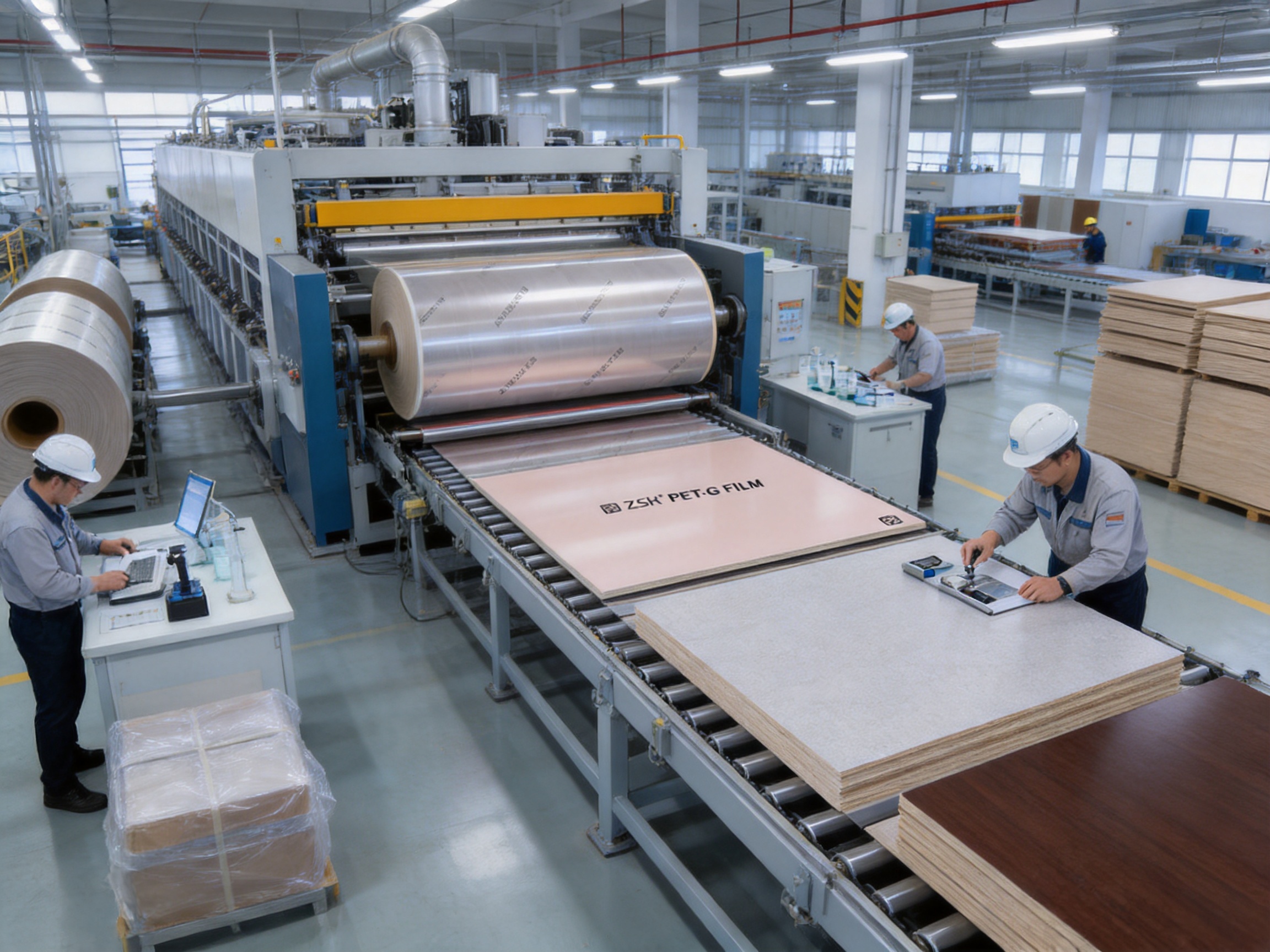
5. Manufacturing Process and Quality Control
The performance of a decorative composite panel depends greatly on how it is manufactured. A high-quality film alone cannot compensate for an unstable substrate or poor bonding. The production process must control raw materials, moisture, surface preparation, adhesive application, lamination pressure, temperature, cooling, trimming and inspection.
5.1 Raw Material Selection
Production begins with the selection of suitable wood veneers, core strips, plywood sheets, block board components, polymer films and adhesives. The materials should be checked for dimensions, surface quality, moisture condition, contamination and compatibility.
For the wood substrate, uniform thickness and appropriate moisture content are important. Veneers or core components with excessive defects can affect the board’s appearance and structural consistency. For the film, color, thickness, surface texture and roll condition should be checked before lamination.
5.2 Preparation of the Wood Substrate
The substrate surface must be clean, dry and adequately level. Dust, loose fibers, oil, moisture and other contaminants can reduce adhesion or create visible defects. Sanding or calibration may be used to produce a more uniform bonding surface.
Panel flatness is also important. A distorted or uneven substrate can create pressure differences during lamination and may lead to bubbles, wrinkles, incomplete contact or edge lifting. Proper storage before processing helps protect the board from unnecessary moisture changes and deformation.
5.3 Adhesive Application
The adhesive system is selected according to the film, substrate and intended service conditions. It must be applied evenly and at a controlled quantity. Too little adhesive may cause weak bonding or localized delamination, while too much adhesive may create unevenness, bleeding or extended curing requirements.
Modern production lines use controlled application methods to help maintain consistent coverage across the panel. The adhesive layer must remain within the processing window recommended for the specific materials. Temperature, open time and pressure all influence final bond quality.
5.4 Film Alignment and Lamination
The decorative film is positioned on the prepared substrate with attention to grain direction, pattern alignment, color consistency and edge coverage. The panel then passes through a lamination process in which pressure and, where applicable, heat are used to create contact between the film and substrate.
Controlled lamination helps reduce air pockets, wrinkles and uneven bonding. Production equipment must be adjusted to the panel thickness and material combination. Film tension should be managed carefully, especially for patterned surfaces, because excessive tension can cause distortion or pattern displacement.
5.5 Pressing, Cooling and Trimming
After lamination, the panel may require a controlled pressing or curing stage. Cooling is also important because polymer films and adhesives can respond to temperature changes. Controlled cooling helps the finished panel stabilize before trimming and packaging.
Edges are trimmed to achieve the required dimensions. The trimming process must avoid chipping the wood substrate, tearing the film or leaving exposed areas beyond the specified tolerance. Depending on the product configuration, edge treatment can be completed at the factory or performed by the customer during furniture production.
5.6 Inspection and Testing
Quality inspection may include visual checking, dimensional measurement, surface examination, adhesion evaluation, flatness review and packaging inspection. The exact test program depends on the product specification and customer requirements.
Visual inspection can identify color variation, scratches, wrinkles, bubbles, contamination, pinholes and edge defects. Dimensional inspection confirms length, width and thickness. Adhesion checks help determine whether the film is properly bonded to the substrate. Flatness inspection is relevant for large panels and furniture components that require accurate assembly.
A controlled quality system is particularly important for repeat orders. Buyers need confidence that a later production batch will maintain the appearance and construction of an approved sample. Standardized procedures, production records and traceability can support this consistency.
6. Manufacturing Strengths and Production Capability
The manufacturer described in the supplied information has focused on the PET industry for more than 16 years and was established in 2006. Its reported manufacturing area is approximately 40,000 square meters, supported by one research and development team, two laboratories, 33 production lines and more than 100 sets of machinery and equipment.
The company’s annual production capacity is reported at approximately 70,000 tons. Its product portfolio includes PET, PETG and PET-GAG materials used for thermoforming, vacuum forming, blister packaging and furniture decorative film panels. This broader experience in polymer film production is relevant to decorative panel manufacturing because it supports knowledge of film formulation, extrusion, surface appearance, thickness control and downstream application requirements.
A large production platform can offer several advantages to panel and film buyers. It may improve supply continuity, support larger orders, make customized specifications more practical and provide access to technical resources. Multiple production lines can also help separate product categories or accommodate different film constructions without relying on a single piece of equipment.
The company reports more than 60 invention and utility patents, including self-developed PETG films used in furniture decoration panels. Intellectual property and internal development capability can support the improvement of film clarity, surface quality, processing behavior and application performance. It also indicates that the manufacturer is not solely dependent on standard imported material solutions.
Laboratories and research teams are important for product development and quality control. They can be used to evaluate raw materials, confirm film properties, investigate adhesion, compare surface finishes and support customer-specific development. For buyers, a supplier with internal technical capability may be better positioned to address issues involving film selection, lamination compatibility and panel processing.
6.1 Integrated Material Knowledge
Because the manufacturer produces transparent plastic sheets and plastic film rolls as well as decorative film products, it can draw on experience across several polymer applications. This experience may be useful when customers require a specific film thickness, surface effect or processing characteristic.
Decorative panels are composite products. Their performance depends on the interaction between film, adhesive, substrate and production equipment. A supplier that understands only one layer of the construction may have difficulty solving problems that occur at the interface. Integrated material knowledge can help reduce this risk.
6.2 Support for Customization
Standard 1220 × 2440 mm sheets and common thicknesses are suitable for many projects, but commercial customers may require customized sizes or decorative effects. A manufacturer with multiple production lines and technical resources can be better equipped to discuss custom film colors, thicknesses, textures and panel configurations.
Customization should be managed through a clear approval process. The buyer and supplier should confirm drawings, samples, tolerances, color references, packaging, inspection requirements and expected production quantities. This helps reduce misunderstandings and creates a practical basis for repeat supply.
6.3 Production Scale and Global Supply
The reported annual turnover of more than 70 million United States dollars and international market recognition indicate experience in serving customers beyond a local market. For global buyers, export experience can be valuable in areas such as packaging, documentation, production scheduling and communication.
Large-scale production does not automatically guarantee that every panel is suitable for every application. Buyers should still review product data and samples. However, established capacity, technical teams, laboratories and documented quality procedures can provide a stronger foundation than a small operation with limited production resources.
7. Applications in Furniture and Interior Design
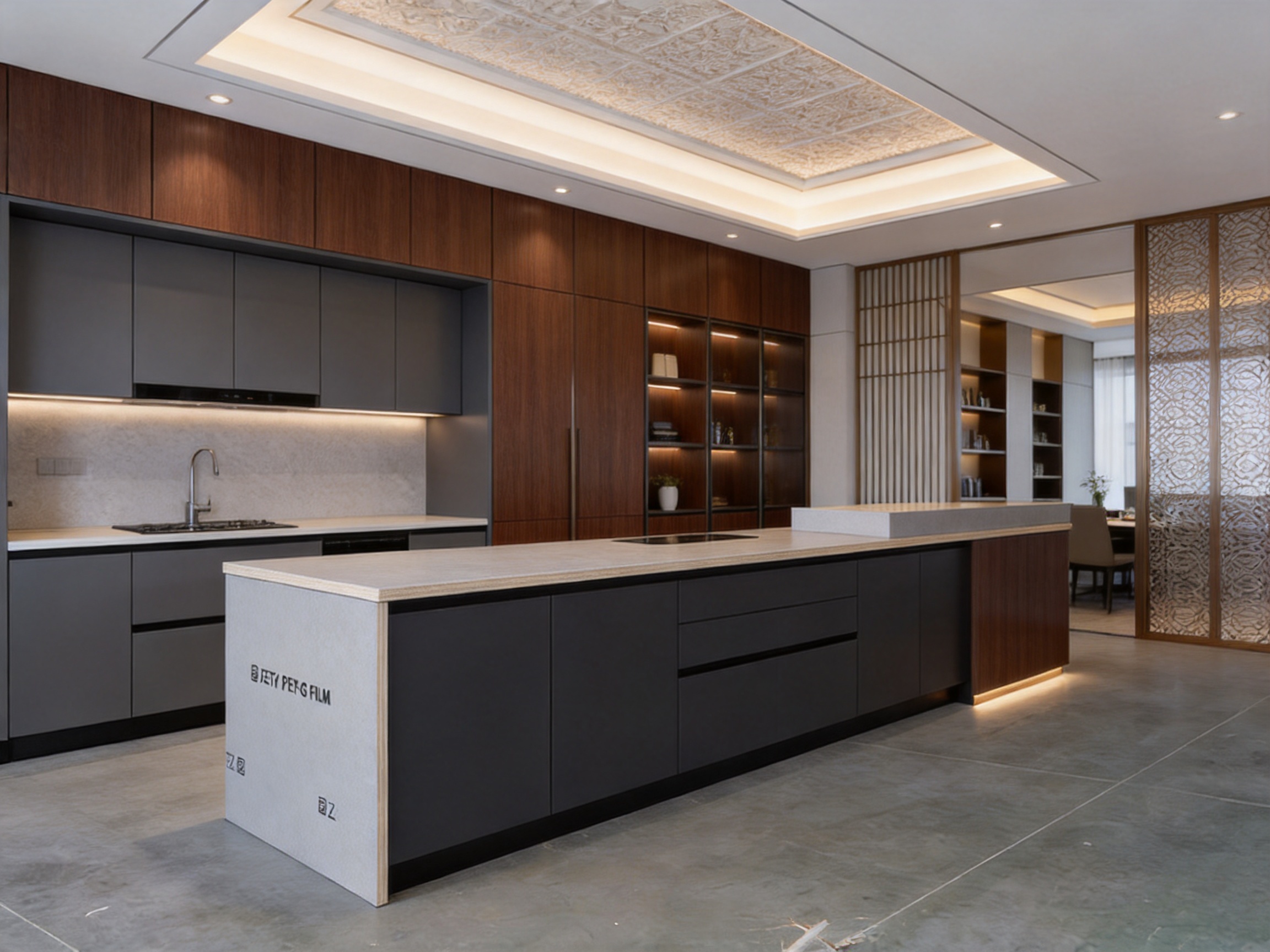
PET/PVC surface plywood and block board are suitable for many furniture and interior applications because the panels combine a finished appearance with practical fabrication properties.
7.1 Cabinet Doors and Carcasses
Decorative panels can be used for cabinet doors, drawer fronts, side panels, top panels and selected carcass components. A consistent film surface allows designers to create coordinated kitchen, bathroom, office and storage furniture.
Door and drawer components should be designed with appropriate edge treatment. The panel’s exposed edges may be covered with matching edging, a profile or another compatible material. Openings for hinges and handles should be machined carefully to prevent damage to the decorative film or substrate.
7.2 Wardrobes and Storage Systems
Wardrobe doors, shelves, vertical dividers and side panels can benefit from the product’s broad size and thickness options. Wood grain and solid-color surfaces allow the panel to coordinate with bedroom, dressing-room and office storage systems.
For long shelves or heavily loaded storage components, the designer should consider span, thickness, support spacing and expected load. A decorative film improves the surface but does not replace structural design calculations.
7.3 Wall Panels and Feature Walls
Surface-finished boards can be used as wall cladding, decorative background panels, reception features, retail displays and hotel interior elements. The finished surface can reduce the need for painting and help create a clean, repeatable pattern.
Wall installations should account for wall flatness, expansion gaps, fixing points, ventilation and access to services. In areas where moisture may enter from behind the panel, the wall assembly must be designed to prevent trapped moisture and substrate deterioration.
7.4 Ceiling Panels
Plywood ceiling panels and decorative surface boards can contribute warmth, texture and visual continuity to interior spaces. Wood grain films can create a timber-inspired ceiling without relying entirely on natural wood, while dark or solid-color films can support a modern architectural appearance.
Ceiling applications require careful consideration of weight, suspension systems, fire performance, access panels, lighting cutouts and maintenance. The panel should be used only when its technical classification and installation method are appropriate for the building requirements.
7.5 Partitions and Room Dividers
Furniture-grade partitions and decorative room dividers can be constructed from suitable thicknesses of plywood or block board. The surface film provides a finished appearance on visible faces, while the core supplies rigidity and support for framing or fixing components.
7.6 Commercial and Hospitality Interiors
Retail stores, offices, restaurants, hotels and exhibition areas often require materials that can be produced quickly and repeated consistently. The product’s standardized sheet format and range of decorative effects can help streamline the fabrication of counters, wall features, display units and fitted furniture.
8. Advantages for Contractors, Fabricators and Distributors
The value of a decorative panel is not limited to the finished appearance. It also affects production planning, labor requirements, material handling and project coordination.
8.1 Faster Production
Factory-applied film reduces the need for several finishing operations. A furniture manufacturer can cut and assemble the panel after receiving it, subject to suitable edge treatment and machining requirements. This can reduce drying time and make production schedules easier to manage.
8.2 Easier Design Coordination
Distributors can offer coordinated decorative surfaces across several product applications. The same or similar film design may be specified for furniture, wall panels and ceiling details, helping project teams maintain a unified interior concept.
8.3 More Predictable Appearance
Compared with naturally variable timber, printed or manufactured film provides greater control over visual repetition. This can simplify approval procedures and reduce disputes about natural color differences or grain variation.
8.4 Lower On-Site Disruption
Because much of the finishing work takes place in the factory, installation sites may experience less dust, odor, wet coating and waiting time. This is helpful in renovation projects, occupied buildings and commercial fit-outs where construction disruption must be minimized.
8.5 Efficient Sheet Processing
The 1220 × 2440 mm format is compatible with many common furniture and panel fabrication workflows. Cutting plans can be optimized to reduce offcuts, particularly when components are standardized. For larger or unusual projects, customized dimensions may improve material utilization further.
9. Design and Installation Recommendations
Correct design and installation are essential to obtaining the expected performance from PET/PVC surface plywood and block board.
9.1 Store Panels Correctly
Panels should be stored flat on a clean, level surface with adequate support. They should be protected from direct rain, standing water, excessive humidity, direct sunlight and extreme temperature changes. Protective packaging should remain in place until the panels are ready for processing.
Improper storage can lead to bowing, edge damage, contamination or moisture imbalance. Large panels should be handled by enough people or with suitable equipment to prevent flexing and impact.
9.2 Allow for Environmental Conditions
Wood-based panels respond to changes in humidity even when they are covered by a decorative film. Interior applications should be designed with suitable gaps, joints and fixing methods. Panels should be acclimatized where appropriate before installation, especially when moving between significantly different storage and installation conditions.
9.3 Protect the Decorative Face
The visible surface should be covered during cutting, drilling and assembly. Worktables must be free of grit and metal fragments that could scratch the film. Panels should not be dragged across rough floors or stacked with unprotected debris between them.
9.4 Treat Edges and Openings
Cut edges expose the substrate and may require sealing, edging or another protective treatment. Screw holes, pipe openings and service penetrations should be designed so that water cannot easily enter the core. In wet or humid areas, edge protection is especially important.
9.5 Use Compatible Cleaning Methods
Routine cleaning should normally use a soft cloth and a mild cleaning solution suitable for the surface. Abrasive tools, strong solvents and aggressive chemicals should be avoided unless the supplier has confirmed compatibility. Spills should be removed promptly rather than left to penetrate joints or exposed edges.
9.6 Confirm Application-Specific Requirements
Before using the product in a regulated building application, confirm requirements for fire behavior, formaldehyde emissions, moisture resistance, indoor air quality, load capacity and structural design. These requirements vary by country, building type and project specification.
10. Sustainability and Resource Efficiency
Engineered wood panels can support efficient use of wood resources by converting veneers, strips and other prepared components into large, stable sheets. This can reduce dependence on wide solid-timber sections and provide more predictable dimensions.
Long service life also contributes to resource efficiency. A durable panel that remains attractive and functional for many years may reduce the frequency of replacement. The factory-applied decorative surface can help maintain appearance while reducing the need for repeated painting or refinishing.
Responsible evaluation should consider the complete product system. Buyers may wish to request information about wood sourcing, adhesive composition, film materials, production waste management, packaging and recyclability. Because the panel contains several bonded layers, end-of-life separation may be more complex than recycling a single-material sheet.
The most appropriate sustainability strategy depends on the application. A long-lasting panel that avoids premature replacement may be a practical choice, while responsible material sourcing and efficient cutting plans can further reduce environmental impact.
11. Why Supplier Capability Matters
Decorative panels are often purchased for projects that require repeatability. A sample may look excellent, but the buyer also needs confidence in production capacity, raw-material stability, quality control and delivery planning.
A supplier with an established manufacturing history can provide a stronger basis for long-term cooperation. The company described in the supplied information has operated since 2006, maintains a substantial production area, and reports extensive equipment, laboratories, an R&D team and significant annual capacity.
Its experience with PET, PETG and PET-GAG materials is relevant to the development of decorative film panels. The reported use of self-developed PETG films in furniture decoration demonstrates an emphasis on application-oriented product development rather than commodity supply alone.
For international buyers, supplier evaluation should include sample quality, technical documentation, communication efficiency, production lead time, packaging standards, inspection procedures, customization capability and after-sales support. These factors can be as important as the nominal price per panel.
11.1 A Practical Supplier Evaluation Checklist
Buyers can ask the supplier to confirm the following points before placing a larger order:
• Substrate type, grade and construction.
• Film type, thickness, color and surface finish.
• Adhesive system and expected bonding performance.
• Standard and customized panel dimensions.
• Thickness and density tolerances.
• Surface resistance information relevant to the intended application.
• Moisture-related limitations and recommended installation conditions.
• Edge treatment and machining recommendations.
• Sample approval and color-matching procedures.
• Packaging, loading and protection against transport damage.
• Inspection documents and quality records.
• Production schedule and repeat-order consistency.
This checklist helps ensure that the product is evaluated as a complete panel system rather than as a decorative appearance alone.
12. Frequently Asked Questions
12.1 What is the difference between PET/PVC surface plywood and ordinary plywood?
Ordinary plywood is generally supplied with an unfinished, lightly sanded or separately coated surface. PET/PVC surface plywood has a decorative polymer film applied to the visible face. The film provides color, pattern and a more finished surface while helping protect the substrate during everyday use.
12.2 Can the product be used for furniture?
Yes. The product is intended for applications including furniture, decoration and construction. It can be used for cabinet doors, storage units, wall furniture, office fixtures and other interior components, provided that the selected thickness and substrate are suitable for the design.
12.3 Is PET/PVC surface board waterproof?
The surface film can improve resistance to everyday moisture, but the complete panel should not automatically be described as waterproof under all conditions. Exposed edges, joints, holes and the wood core require protection. For wet areas or continuous water exposure, buyers should confirm the specific product grade and installation requirements.
12.4 What panel sizes are available?
The stated standard size is 1220 × 2440 mm. Customized sizes may be available depending on production requirements, order quantity and technical feasibility. The supplier should confirm final dimensions and tolerances before production.
12.5 What thicknesses can be supplied?
The supplied information indicates a range of approximately 3 mm to 40 mm. The suitable thickness depends on substrate construction, panel function, span, fixing method and expected load. The exact available range should be confirmed for the selected PET or PVC surface.
12.6 Can the panels be cut and drilled?
Yes. The panels are generally workable with suitable woodworking equipment. Sharp tools, proper support and appropriate cutting parameters should be used to protect the decorative face and reduce edge damage. Trial machining on a sample is recommended before processing a large batch.
12.7 How should the finished surface be cleaned?
Use a soft cloth and a mild cleaning solution compatible with the surface. Avoid abrasive materials, strong solvents, excessive heat and sharp objects. Clean spills promptly and prevent water from remaining around joints or exposed edges.
12.8 Are custom colors and patterns available?
Decorative film products can be produced in a variety of colors, patterns and surface effects. Customization depends on the film type, production process, order quantity and design requirements. A physical sample should be approved before mass production.
12.9 What is the advantage of using a manufacturer with film-production experience?
Film quality affects appearance, adhesion, processing behavior and long-term surface performance. A manufacturer with experience in PET and related materials may have stronger knowledge of polymer production, thickness control, surface treatment and application development. This can support more consistent decorative panel production.
12.10 Can the panel be used outdoors?
The product is primarily suited to furniture, interior decoration and selected construction applications. Outdoor use should not be assumed without confirming the film, substrate, adhesive, edge protection and weathering performance. Exterior applications require project-specific technical evaluation.
12.11 What should be checked before ordering?
Confirm the substrate, film type, surface appearance, size, thickness, density, tolerances, moisture limitations, edge treatment, packaging and intended application. Request samples and technical information where needed, especially for large projects or demanding environments.
13. Conclusion
PET/PVC surface plywood and block board offer a practical combination of engineered wood strength and decorative polymer film performance. Plywood contributes cross-laminated stability, reliable workability and efficient sheet construction. Block board provides another useful engineered substrate option for furniture and interior applications. PET and PVC films add visual consistency, color variety, surface protection and reduced finishing requirements.
The product is suitable for furniture, cabinetry, wall decoration, ceiling panels, partitions, retail interiors, hospitality spaces and other modern architectural applications. Its standard 1220 × 2440 mm format, approximate thickness range of 3–40 mm and customization potential make it adaptable to both standard manufacturing and project-specific design.
Its advantages over unfinished or separately finished wood panels include a ready-to-use decorative surface, consistent appearance, moisture resistance in appropriate conditions, good workability and an attractive balance between design and performance. However, the final result depends on correct substrate selection, film compatibility, lamination quality, edge protection, storage and installation.
The manufacturer’s reported production scale, 40,000-square-meter manufacturing area, 33 production lines, laboratories, R&D resources, more than 100 sets of equipment and approximately 70,000-ton annual capacity provide a strong foundation for large-volume and customized supply. Its experience in PET, PETG and PET-GAG film production, together with reported patent activity and furniture-decoration applications, supports a technically informed approach to decorative panel development.
For designers, fabricators, contractors and distributors seeking durable decorative wood panels, PET/PVC surface plywood and block board can provide a flexible solution for contemporary interiors. With appropriate specification and quality control, these panels help create attractive spaces while supporting efficient production, reliable installation and consistent long-term use.
References
1. Product specification and application information supplied for PET film with plywood and PET/PVC surface plywood or block board.
2. Company profile information supplied for the manufacturer’s production area, equipment, laboratories, production lines, capacity and research resources.
3. General principles of plywood construction, cross-laminated veneer panels and engineered wood products.
4. General technical guidance for decorative polymer films, laminated panels and furniture surface materials.
5. General woodworking guidance covering panel storage, cutting, drilling, edge treatment and installation.
6. General interior design and architectural material-selection principles for furniture, wall panels, ceiling systems and decorative building components.