 English
 Español

Zhongsheng
Zhongsheng
Zhongsheng
Zhongsheng
Zhongsheng
Zhongsheng
Zhongsheng
Zhongsheng
Zhongsheng
Zhongsheng
Zhongsheng
Zhongsheng
Zhongsheng
Zhongsheng
Zhongsheng
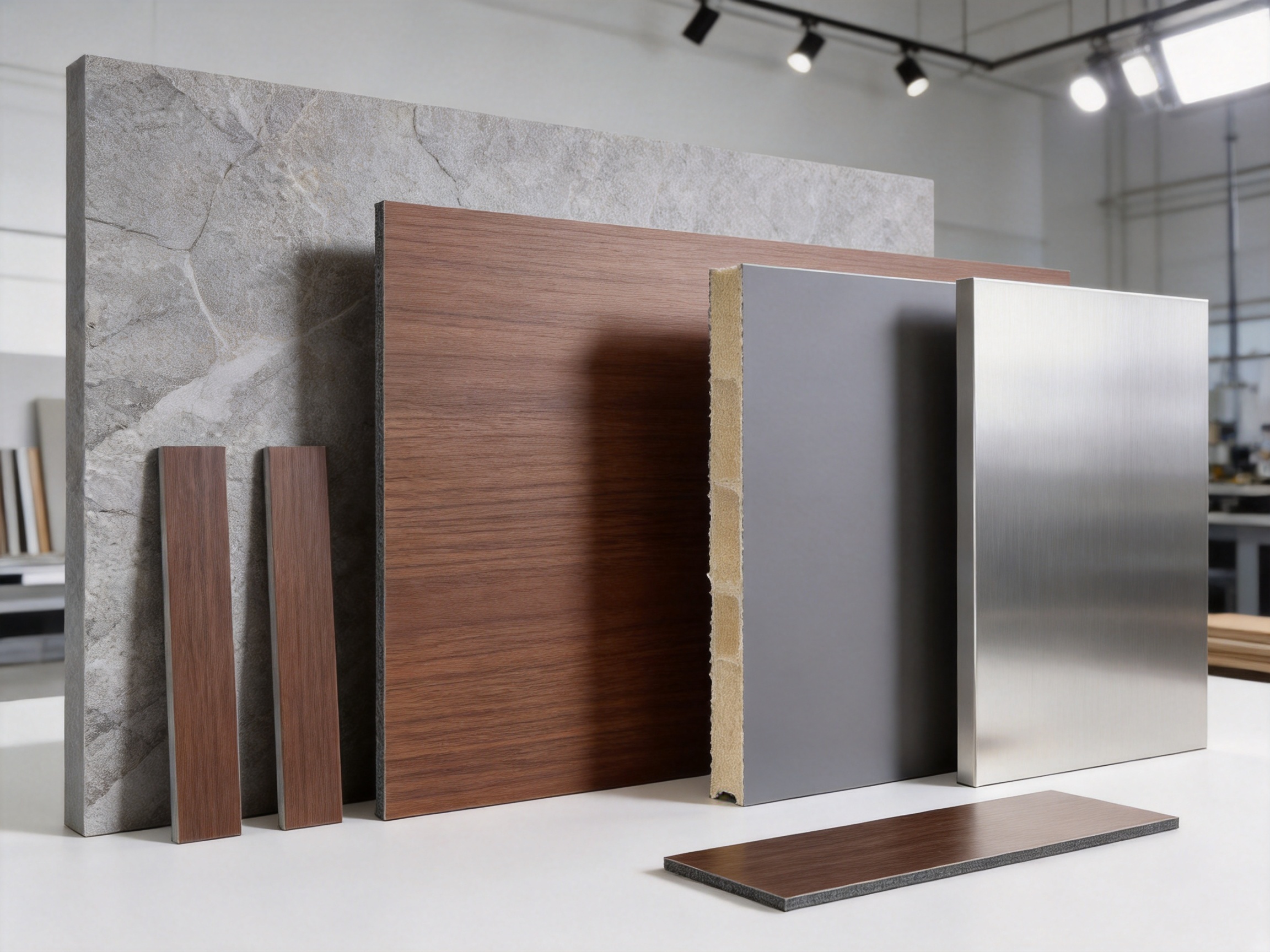
PVC foam board has become an important material for modern signage, furniture, interior decoration, construction, and display applications. Combining a lightweight closed-cell PVC foam core with a smooth decorative PET or PVC surface, this type of board offers a practical balance of rigidity, moisture resistance, machinability, and visual appeal. It can be fabricated with conventional woodworking and signage equipment while providing advantages that are difficult to achieve with ordinary wood panels, untreated plastic sheets, or heavier mineral-based boards.
This article examines the structure, performance, applications, manufacturing process, customization options, and quality considerations of PET/PVC surface PVC foam board. It also explains why a specialized manufacturer with large-scale production capacity, material-development experience, testing resources, and integrated process control can offer greater consistency than a general-purpose sheet supplier.
What Is PET/PVC Surface PVC Foam Board?
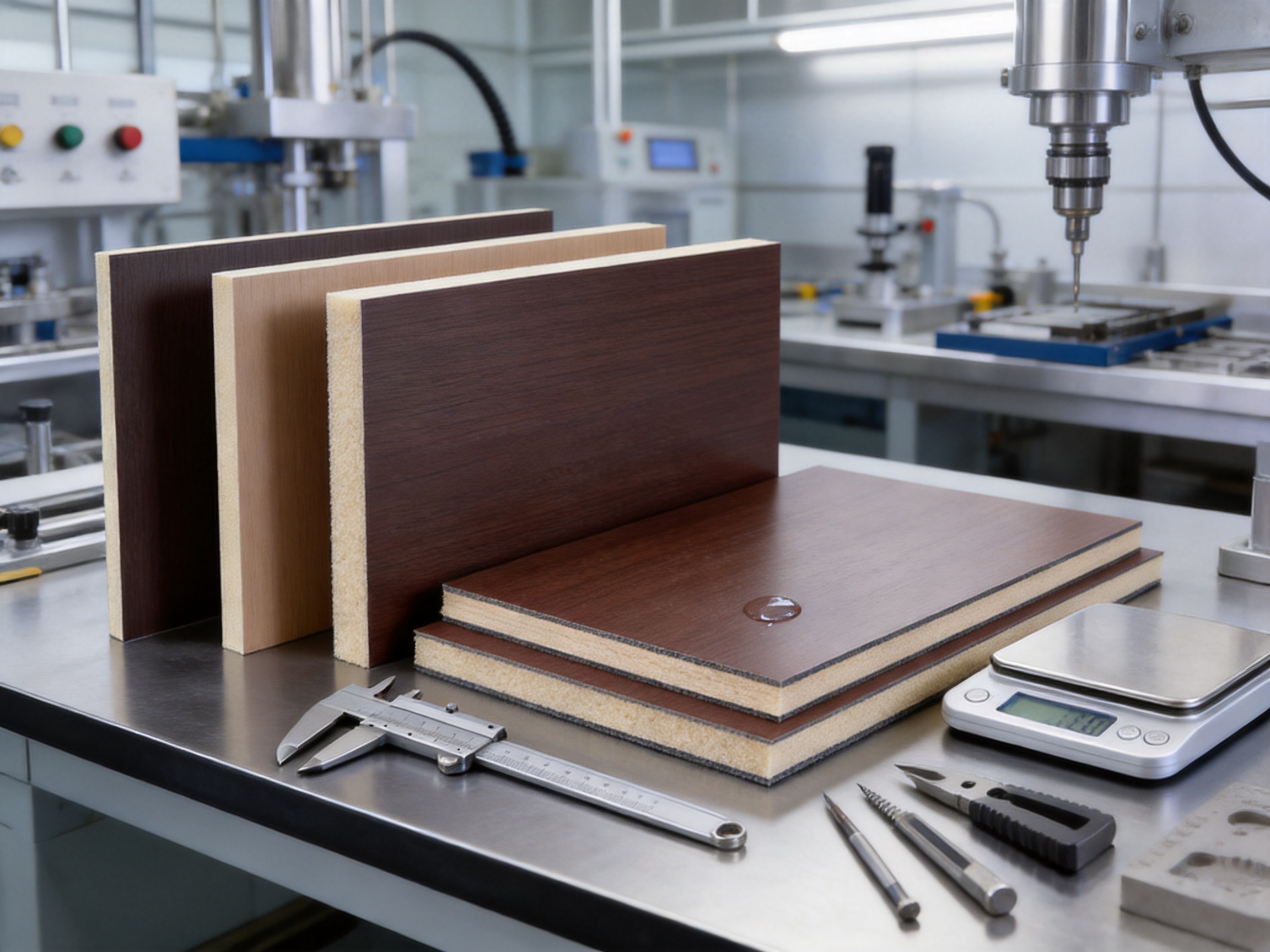
PVC foam board is a rigid sheet material made primarily from polyvinyl chloride resin, processing aids, stabilizers, pigments, and other carefully selected additives. During production, the compound is heated and expanded to form a closed-cell foam structure. The result is a board that is lighter than solid PVC while retaining useful rigidity and dimensional stability.
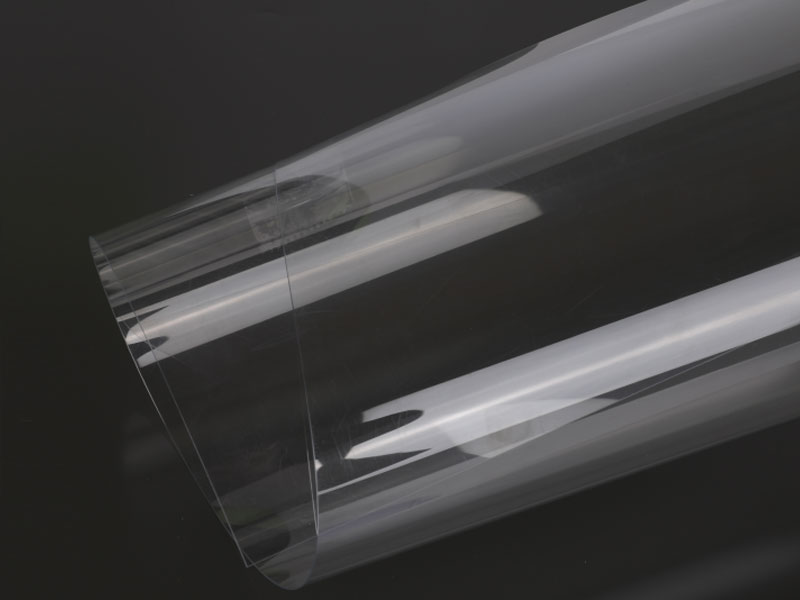
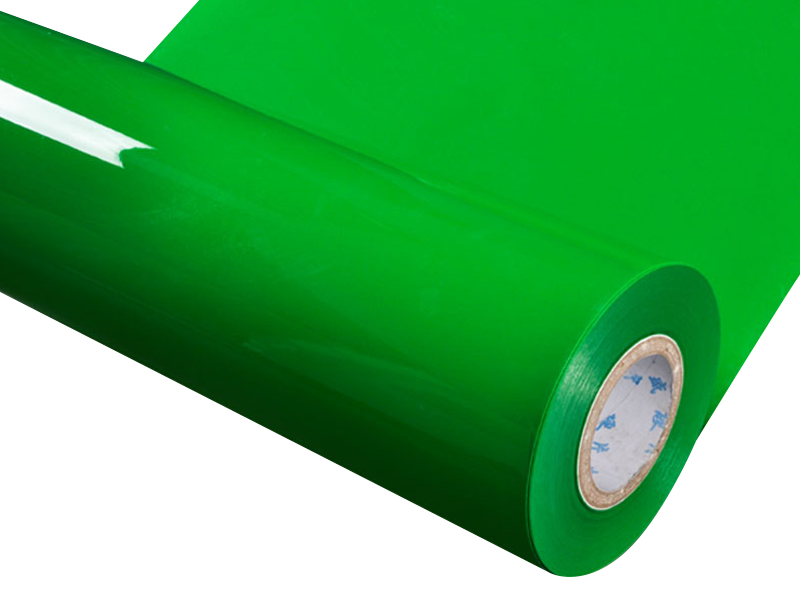
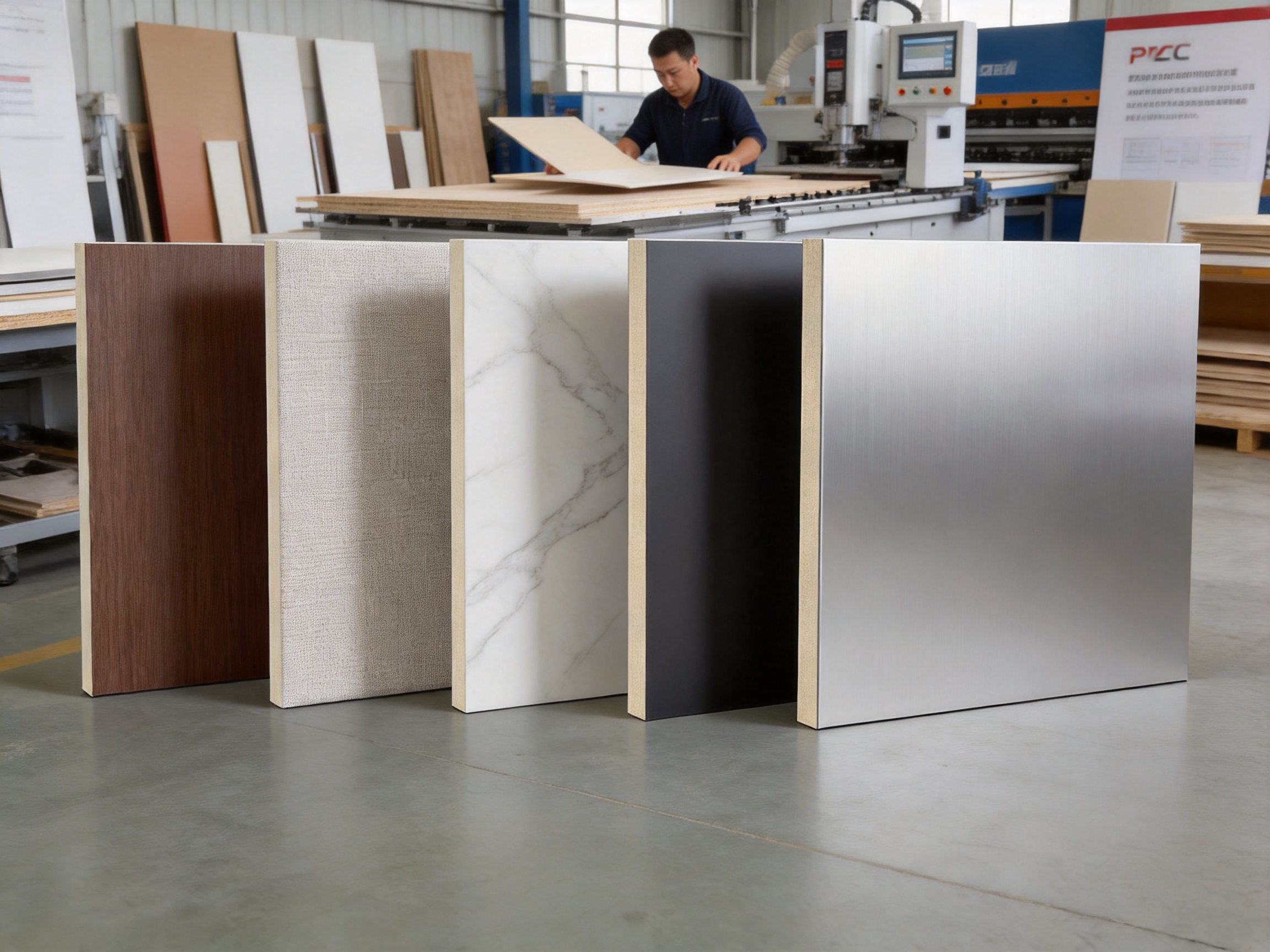
The board can be supplied with a plain surface or combined with a decorative PET or PVC film. The surface layer improves appearance and provides additional design flexibility. Depending on the selected film, the finished panel may imitate wood grain, stone, fabric, solid color, metallic finishes, or other decorative patterns. A laminated surface can also improve cleanability and make the board more suitable for furniture, wall panels, cabinetry, and display applications.
The product described in this article is available under the product category of PVC foam board and may also be referred to as foam PVC sheet, Celuka board, decorative PVC board, PET laminated foam board, or PVC surface foam board. In practical use, buyers should confirm the exact construction because “PVC foam board” can describe several different densities, surface finishes, production methods, and application grades.
The standard sheet size is 1220 × 2440 mm, although customized dimensions can be considered according to production requirements. Thickness options generally range from 3 mm to 30 mm, with customized thicknesses available for specific projects. The listed density range is approximately 0.4–0.9 g/cm³, allowing customers to select a balance between weight, strength, cost, and processing performance.
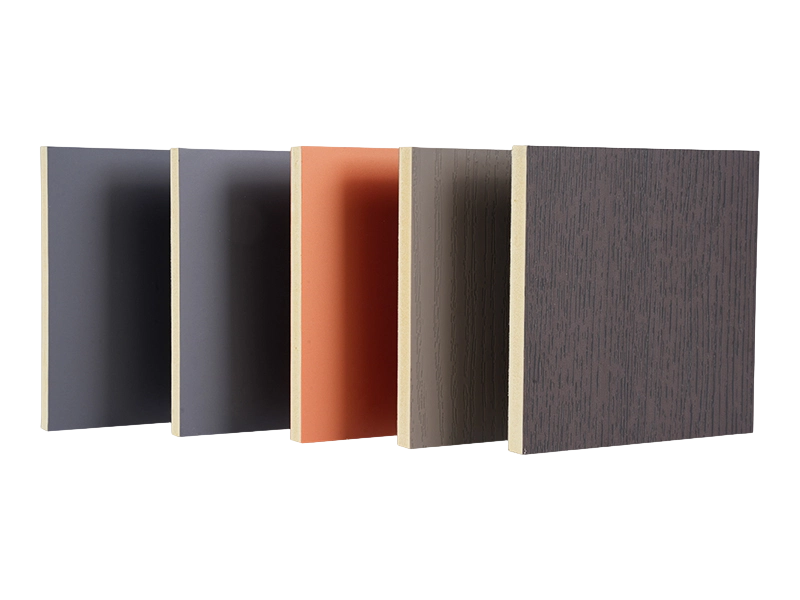
PET/PVC Surface PVC Foam Board/Charcoal Board/Bamboo Board
Basic Material Structure
Closed-Cell PVC Foam Core
The core is formed by expanding PVC during a controlled extrusion process. Its closed-cell structure reduces water absorption and lowers the overall weight of the sheet. Compared with a solid plastic panel of similar dimensions, the foam core can be easier to transport, handle, cut, and install.
A closed-cell structure is also valuable in humid environments. Because the material does not behave like wood fiber or paper-based board, it does not readily absorb water through the body of the panel. This helps reduce swelling, rotting, and dimensional changes caused by ordinary moisture exposure. However, the final water resistance of a fabricated panel also depends on the quality of edge treatment, joints, fasteners, laminating adhesive, and installation details.
Rigid Surface Layer
The board surface is designed to be smooth, uniform, and suitable for additional processing. It may be printed, painted, laminated, veneered, or covered with a decorative PET or PVC film. A consistent surface is particularly important for furniture and interior panels because unevenness can become visible through the decorative layer.
For signage and printing, a smooth surface helps produce clearer graphics and more uniform color. For laminated applications, surface cleanliness, surface energy, flatness, and bonding compatibility are important factors. These characteristics should be controlled during manufacturing and verified through product testing before large-scale use.
PET and PVC Decorative Films
PET and PVC films provide different design and performance possibilities. PET is widely valued for clarity, surface appearance, dimensional stability, and resistance to many everyday conditions. PVC film is available in a broad range of colors, textures, embossing patterns, and wood or stone effects. The choice depends on the intended appearance, fabrication method, environmental conditions, and required budget.
A decorative film does more than change the visual appearance of the board. It can provide a cleanable surface, support coordinated interior design, and help manufacturers supply multiple finishes using one compatible board platform. This is useful for cabinet doors, wall cladding, display furniture, retail fixtures, bathroom furniture, and decorative architectural panels.
Key Product Specifications
| Product type | PET/PVC surface PVC foam board |
| Common alternative names | Foam PVC sheet, foam PVC board, Celuka board, decorative PVC foam panel |
| Standard sheet size | 1220 × 2440 mm or customized dimensions |
| Typical thickness range | 3 mm to 30 mm or customized thickness |
| Typical density range | 0.4–0.9 g/cm³ |
| Surface options | Plain, PET laminated, PVC laminated, printed, painted, or veneered |
| Processing methods | Cutting, drilling, routing, milling, engraving, bending, printing, laminating, and assembly |
| Typical applications | Advertising, furniture, decoration, construction, cabinetry, bathroom panels, billboards, and displays |
| Primary performance advantages | Light weight, rigidity, moisture resistance, corrosion resistance, easy machining, and low maintenance |
Actual performance may vary according to density, thickness, surface construction, film type, color, production batch, fabrication method, and installation environment. Buyers should request a technical data sheet and representative samples before approving a product for a critical project.
Advantages Compared with Conventional Panel Materials
Lower Weight with Useful Rigidity
One of the most important advantages of PVC foam board is its favorable strength-to-weight relationship. The foam structure reduces mass without making the sheet excessively flexible. This makes the material easier to lift and position than many solid plastic, cement-based, or stone-like panels.
Lower weight can reduce transportation costs, simplify installation, and lessen the load placed on supporting walls, frames, cabinets, or display structures. In retail and exhibition environments, lightweight panels can also make shopfitting faster and allow temporary structures to be assembled and dismantled more efficiently.
Moisture and Water Resistance
Wood-based boards may swell or deteriorate when exposed to water, especially at unsealed edges. PVC foam board is inherently resistant to moisture because its main body is a plastic closed-cell structure. This makes it suitable for bathroom cabinets, vanity panels, kitchen components, wall decoration