 English
 Español

Zhongsheng
Zhongsheng
Zhongsheng
Zhongsheng
Zhongsheng
Zhongsheng
Zhongsheng
Zhongsheng
Zhongsheng
Zhongsheng
Zhongsheng
Zhongsheng
Zhongsheng
Zhongsheng
Zhongsheng
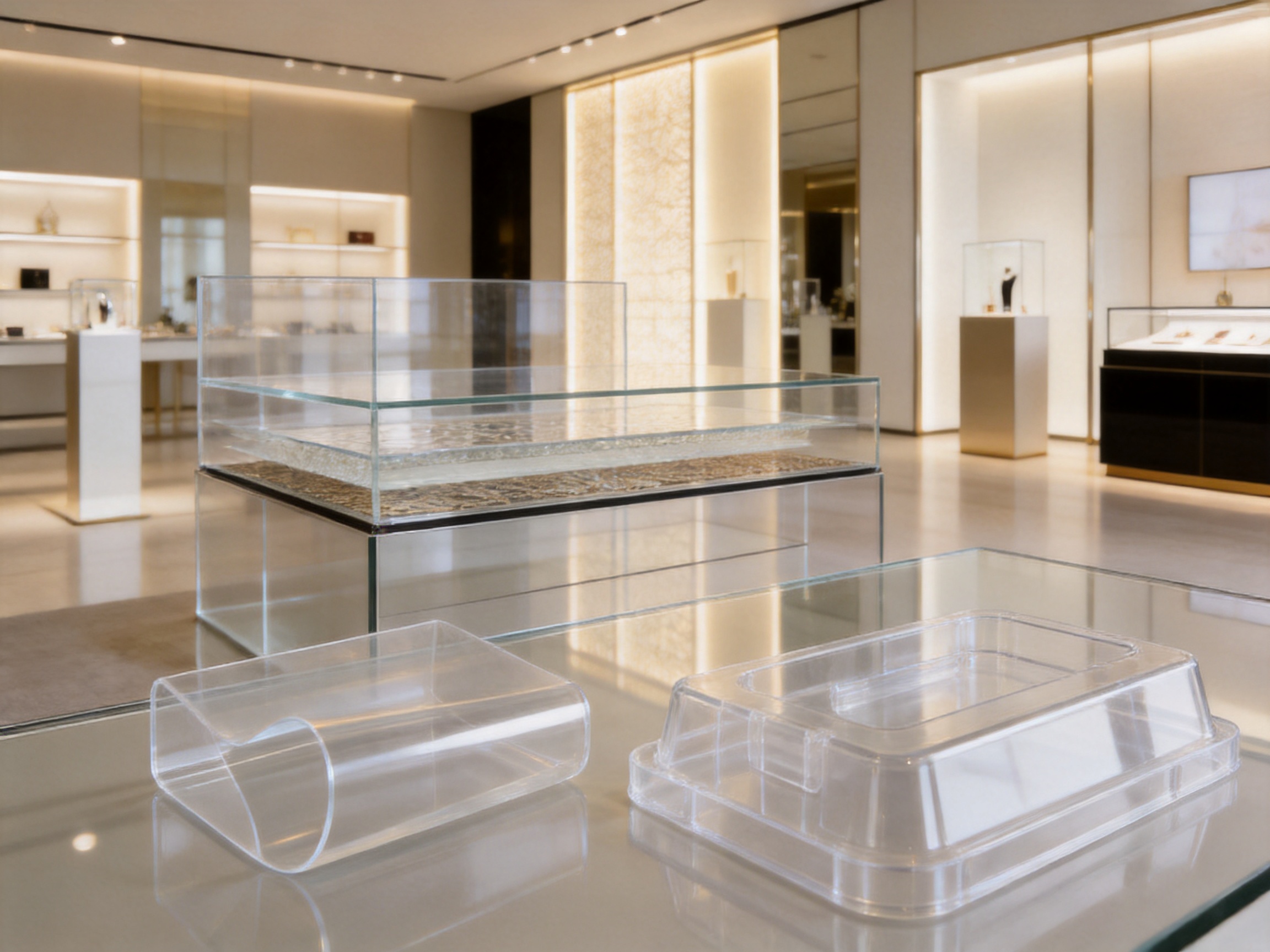
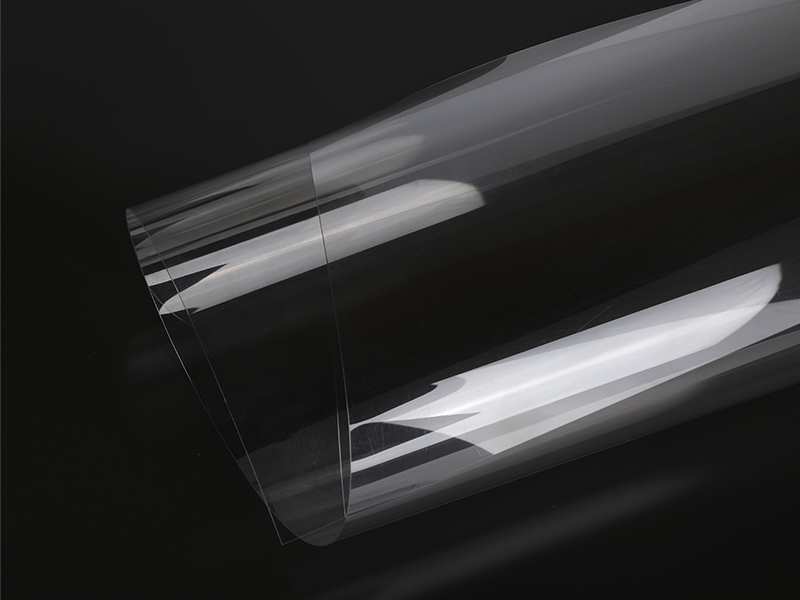
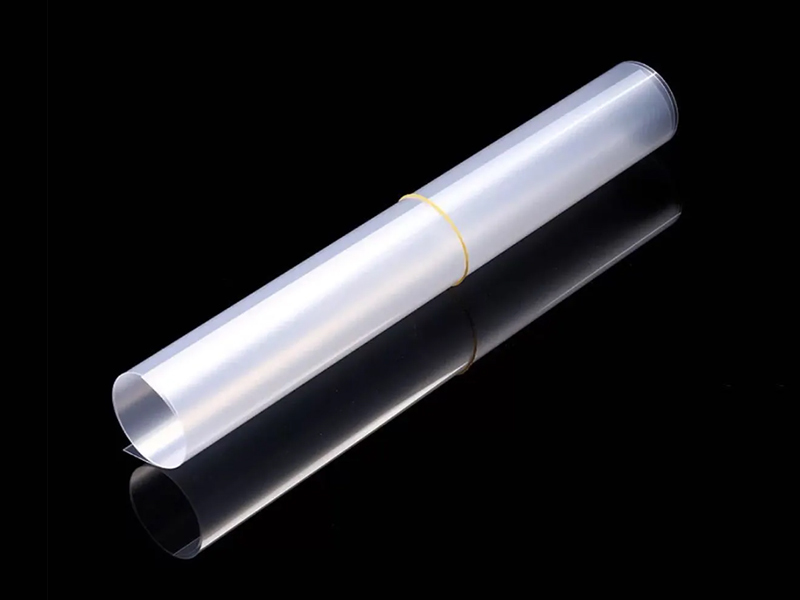
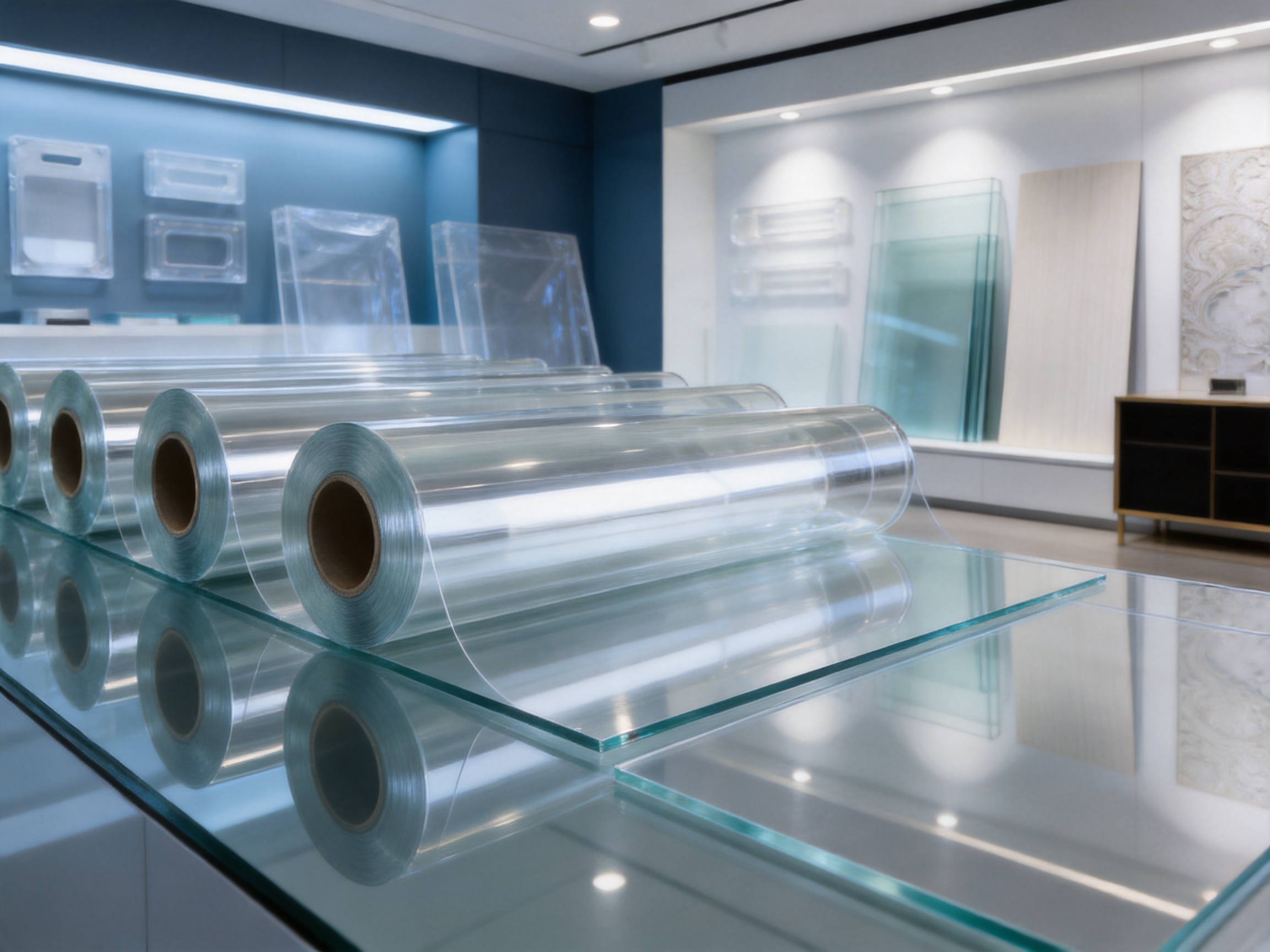
PETG transparent film and sheet have become increasingly important materials for manufacturers seeking a combination of clarity, toughness, processing flexibility, and attractive surface performance. Unlike many conventional plastics that require a compromise between transparency and impact resistance, PETG is designed to provide both. Its balanced properties make it suitable for thermoforming, vacuum forming, blister packaging, furniture decoration, display components, protective surfaces, and numerous interior applications.
ZheJiang ZhongSheng New Materials Co., Ltd. produces PETG transparent film and sheet for customers that require consistent material quality, dependable production capacity, and stable supply. The company has concentrated on the PET industry for more than 16 years and has developed manufacturing capabilities covering PET, PETG, and PET-GAG products. Its experience in transparent plastic film and sheet production supports the needs of converters, packaging manufacturers, furniture producers, interior material companies, and other industrial users.
This article examines the characteristics of PETG transparent film and sheet, explains why the material is competitive, and explores how advanced production facilities, research capabilities, quality management, and manufacturing scale contribute to product value. It also discusses product selection, processing considerations, applications, sustainability-related benefits, and frequently asked questions for professional buyers.
Understanding PETG Transparent Film and Sheet
PETG is a glycol-modified form of polyethylene terephthalate. The modification changes the processing behavior and toughness of the base polymer while preserving the clear appearance and useful mechanical characteristics associated with polyester materials. PETG transparent film and sheet are manufactured in thin or thicker flat forms according to the requirements of the intended application.
Film is generally selected when flexibility, roll processing, lamination, wrapping, surface covering, or high-volume converting is required. Sheet is more appropriate when the finished part must retain a defined shape, support thermoforming, or provide a rigid transparent surface. Depending on thickness, forming method, and final design, PETG may be used as a flat product or transformed into a three-dimensional component.
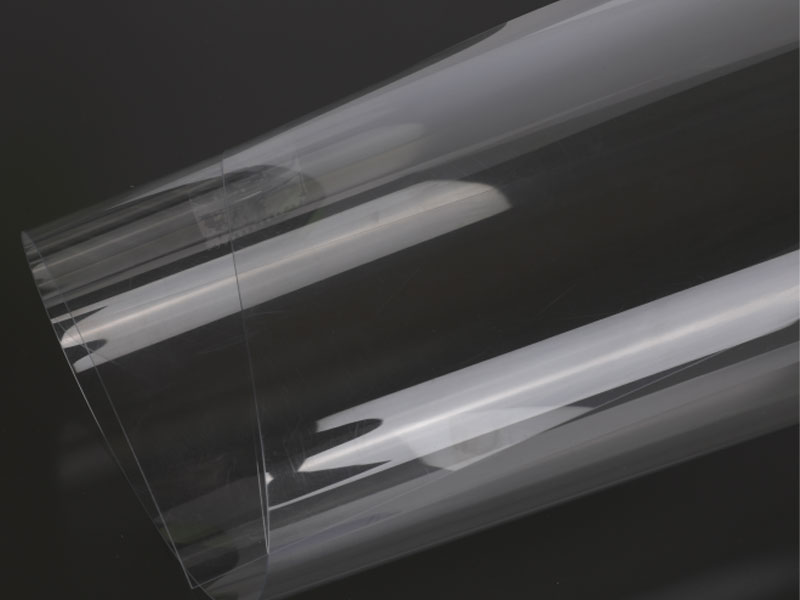
The material is especially valued for its visual clarity. A transparent plastic product must transmit light effectively while minimizing haze, discoloration, and visible defects. For packaging and display applications, clarity directly influences how customers see the product inside. For decorative furniture panels, transparency can help create layered, illuminated, glossy, or glass-like visual effects without the weight and brittleness of conventional glass.
PETG also offers a useful balance between rigidity and toughness. It can support many applications in which a product must maintain its shape while resisting ordinary handling, transportation, or installation stresses. This balance gives designers greater freedom when developing formed packaging, protective covers, decorative components, and display products.
Core Advantages of PETG Transparent Film and Sheet
High visual clarity
One of the most important advantages of PETG transparent film and sheet is their clear appearance. Transparency is essential in product packaging, point-of-sale displays, protective covers, interior decoration, and furniture surfaces. A clear PETG product can provide a clean, modern appearance while allowing the underlying product, pattern, texture, or lighting effect to remain visible.
Compared with materials that may become cloudy during forming or that show significant optical distortion, well-manufactured PETG can maintain attractive visual quality after processing. This is particularly valuable for thermoformed packaging, where the finished part must combine accurate shaping with an appealing presentation.
Good impact resistance
PETG is recognized for its toughness and resistance to cracking under ordinary impact. This characteristic can provide an advantage over brittle transparent materials. In practical use, improved toughness helps reduce the risk of breakage during handling, transportation, assembly, and everyday service.
For packaging producers, toughness can support more reliable production and distribution. For furniture and decorative panel manufacturers, it can improve the durability of visible surfaces and formed components. Although the exact performance depends on thickness, geometry, processing conditions, and end-use requirements, PETG is generally a strong option when both transparency and durability are needed.
Thermoforming and vacuum-forming suitability
PETG transparent film and sheet are suitable for thermoforming and vacuum forming, two manufacturing methods widely used to create shaped plastic components. When heated within an appropriate processing range, the material can soften and conform to a mold. Vacuum pressure or mechanical assistance then creates the desired shape.
This forming capability allows manufacturers to develop trays, protective packaging, covers, housings, display elements, and decorative parts with complex contours. It can also reduce the need for multiple assembly pieces, because a single formed component may combine several functional surfaces.
The forming process must be optimized for the selected thickness and product grade. Heating uniformity, mold temperature, forming speed, vacuum level, cooling, and demolding conditions all influence the final result. A professional manufacturer can assist customers by providing consistent material and technical guidance for downstream forming operations.
Processing flexibility
PETG can be adapted to different converting processes, including cutting, forming, laminating, printing, and fabrication. Its processing flexibility is valuable to customers who serve different markets or produce multiple product designs from a common material platform.
Transparent film rolls can be integrated into continuous production systems, while sheets can be cut and processed in batch or customized manufacturing operations. This flexibility helps companies select a supply format that matches their machinery, production volume, labor model, and packaging requirements.
Attractive decorative performance
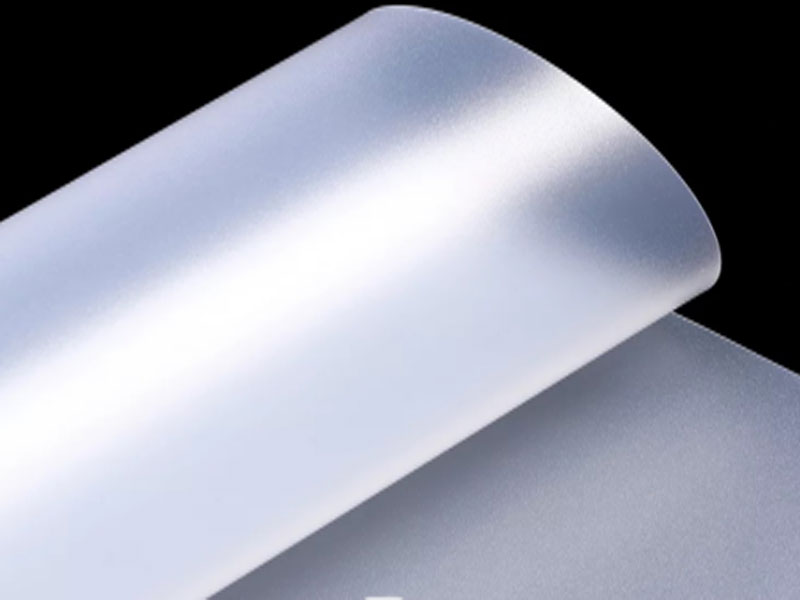
Transparent PETG can be used as a visible surface, a protective overlay, or a carrier for decorative effects. In furniture applications, it can help create glossy, layered, reflective, or depth-enhanced surfaces. It may also be combined with printed patterns, colored layers, textured substrates, or other decorative materials to produce distinctive interior finishes.
Because transparent surfaces can protect or enhance a visual layer beneath them, PETG is useful in decorative panels and furniture components where appearance and daily usability must work together. The finished product can provide an upscale visual effect while avoiding some of the weight and fragility associated with glass.
Lower weight than glass
For applications requiring a clear surface, PETG may offer a weight advantage compared with glass. Lower weight can simplify transportation, handling, installation, and supporting structure design. This is especially relevant to large decorative components, display units, furniture panels, and portable packaging.
Weight reduction can also contribute to more efficient logistics. However, designers should evaluate stiffness, thickness, temperature conditions, scratch requirements, and long-term exposure before replacing glass in a specific application. PETG is not a universal substitute for every transparent material, but it can provide a practical alternative in many indoor and formed-product applications.
Suitable surface for further processing
PETG transparent film and sheet can serve as a foundation for printing, laminating, decorating, cutting, and forming. The surface treatment and ink or adhesive system should be selected according to the specific application. Proper cleaning, tension control, drying, and process settings are important for achieving a consistent finished appearance.
For converters, the ability to apply further processes to the material is as important as the base material itself. A sheet that has good clarity but inconsistent thickness can create problems during forming. A film that looks attractive but does not run smoothly on production equipment can increase waste. Therefore, product quality must be evaluated as a combination of appearance, dimensional stability, processability, and supply consistency.
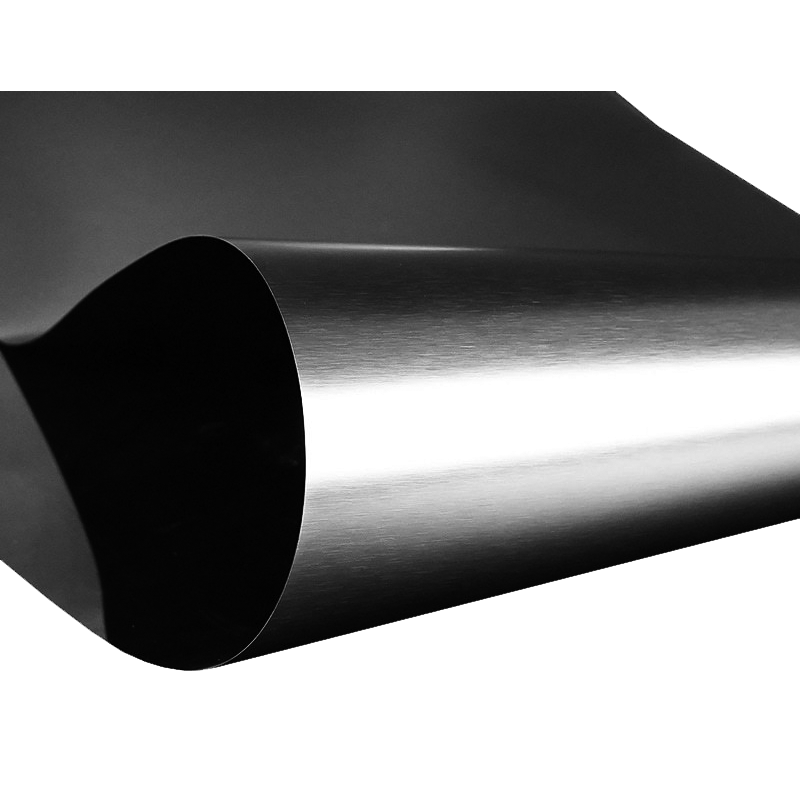
PETG Transparent Film/Sheet-副本
Competitive Advantages Compared with Alternative Materials
PETG versus ordinary transparent PVC
PVC remains widely used in film, sheet, wallpaper, packaging, and construction-related applications. It offers broad formulation flexibility and can be produced in many grades. However, PETG can be preferred when the customer places strong emphasis on optical clarity, toughness, and thermoforming performance.
PETG can provide a cleaner, more glass-like appearance for transparent applications. It is also attractive for companies that want a polyester-based material platform for particular forming or decorative requirements. The correct choice depends on the required flexibility, chemical resistance, printing system, cost target, and production method.
PETG versus acrylic
Acrylic is known for excellent clarity and surface appearance, but it can be more brittle than PETG in certain handling conditions. PETG offers an alternative when impact resistance and forming flexibility are especially important. It can be shaped into practical components while maintaining a transparent appearance.
For applications exposed to impacts, transportation stress, or repeated handling, PETG may reduce the risk of cracking compared with more brittle transparent materials. Acrylic may still be selected when exceptional surface hardness, outdoor weathering, or optical performance is the primary objective. Material selection should therefore be based on the complete performance profile rather than one characteristic alone.
PETG versus polycarbonate
Polycarbonate is a high-performance engineering plastic recognized for strong impact resistance and demanding industrial applications. PETG may be more economical or easier to process for applications that do not require the full performance level of polycarbonate. It can be a suitable solution for transparent formed packaging, decorative products, and many interior applications.
The choice between PETG and polycarbonate should consider impact requirements, temperature exposure, optical requirements, forming conditions, surface durability, and total manufacturing cost. PETG is particularly competitive where good clarity and practical forming performance are required without the need for extreme engineering-grade performance.
PETG versus glass
Glass offers excellent scratch resistance, rigidity, and visual quality, but it is heavy and can break during handling or use. PETG can reduce weight and improve toughness while supporting formed and decorative designs. It may also simplify fabrication where curved, shaped, or integrated plastic parts are required.
In furniture and interior applications, PETG can support modern designs that need a transparent or glossy appearance but also need easier installation and safer handling. Surface protection and cleaning instructions should be considered because transparent plastic surfaces may require different care from glass.
Applications Across Multiple Industries
Thermoformed packaging
PETG transparent film and sheet are suitable for packaging products that need a visible presentation. Formed packaging can protect the contents while allowing consumers to inspect the shape, color, and condition of the product. This is valuable in retail environments where packaging appearance influences purchasing decisions.
Possible uses include trays, covers, blister-style packaging, clamshell components, product holders, and protective inserts. The material can be formed around the product to improve presentation and reduce movement during transport. Clear packaging also allows brand graphics, product information, and the packaged item to be viewed together.
Vacuum-formed components
Vacuum forming is useful for producing shallow or moderately complex shapes with consistent visual surfaces. PETG can be used for protective covers, transparent housings, display components, and customized formed parts. The final quality depends on mold design, heating control, draw ratio, cooling, and trimming accuracy.
Manufacturers can use PETG sheet to create prototypes as well as larger-volume products. Designers may also use it to validate a shape before investing in more complex tooling. For commercial production, stable sheet quality supports predictable forming and reduces adjustments between production batches.
Furniture decoration
PETG transparent film and sheet are increasingly relevant to furniture decoration. They can be applied as decorative layers, protective surfaces, or components of finished panels. The material can help create high-gloss, transparent, layered, or illuminated effects for cabinets, wall systems, doors, tables, display furniture, and interior partitions.
Furniture manufacturers value materials that combine visual appeal with practical processing. PETG can be cut, formed, laminated, or combined with other substrates, allowing designers to develop different surface constructions. It may also help protect decorative layers from ordinary contact, dust, and handling, depending on the structure and surface treatment used.
Decorative interior panels
Transparent plastic surfaces can contribute to modern interior design themes, including minimalist, contemporary, commercial, hospitality, retail, and residential environments. PETG may be used in decorative panel systems where light transmission, surface depth, and visual layering are important.
When combined with printed graphics, colored backgrounds, metallic effects, textured materials, or lighting systems, transparent PETG can create visual depth that is difficult to achieve with a single opaque board. It can also support customization for different interior projects.
Retail displays and point-of-sale products
Retail displays need to attract attention while remaining practical to transport, assemble, and maintain. PETG can be used for transparent shelves, product holders, display covers, sign components, and formed presentation structures. Its clarity allows products and graphics to remain visible from multiple angles.
The relatively low weight of plastic compared with glass can simplify store installation and reduce the risk of breakage during repeated relocation. Design teams can select different thicknesses and forming methods to achieve the required balance between rigidity, appearance, and cost.
Protective and functional covers
PETG sheet can be used for protective covers and transparent barriers in indoor environments. Examples may include equipment covers, display protection, machine observation components, and transparent partitions. The suitability of the material depends on the operating temperature, chemical exposure, impact level, and required surface durability.
For applications involving strong solvents, outdoor exposure, elevated temperatures, or strict fire performance requirements, buyers should request technical confirmation before production. A qualified supplier can help identify whether PETG is appropriate or whether another material should be considered.
Manufacturing Strengths Supporting Product Quality
Large manufacturing area
ZheJiang ZhongSheng New Materials Co., Ltd. operates a manufacturing area of approximately 40,000 square meters. A substantial facility provides room for production lines, raw material handling, laboratories, quality inspection, warehousing, packaging, and shipping operations.
Facility scale matters because transparent film and sheet production requires careful coordination between extrusion, cooling, trimming, inspection, storage, and delivery. A well-organized plant can improve production flow and reduce unnecessary handling. It also enables the company to manage multiple product types and customer orders more efficiently.
33 production lines
The company has 33 production lines, giving it significant manufacturing capacity and scheduling flexibility. Multiple lines can support different product specifications, thickness ranges, widths, finishes, and order volumes. This structure helps the company serve both standard orders and customized requirements.
Production-line diversity can also reduce dependence on a single machine or manufacturing route. When a customer requires continuous supply, sufficient line capacity allows production planning to respond more effectively to demand changes. For international buyers, this can be important when coordinating inventory, shipping schedules, and downstream production.
More than 100 sets of machinery and equipment
The company owns more than 100 sets of machinery and equipment. This equipment base supports a broad manufacturing system rather than a narrow single-product operation. It contributes to raw material preparation, extrusion, film and sheet production, finishing, inspection, packaging, and related processes.
Advanced machinery is valuable only when combined with trained personnel, controlled parameters, preventive maintenance, and reliable quality procedures. The company’s manufacturing strength is therefore based on the combination of equipment, process experience, technical management, and product knowledge developed through long-term participation in the PET industry.
Annual production capacity of 70,000 tons
An annual production capacity of approximately 70,000 tons indicates that the company is equipped to support substantial domestic and international demand. High capacity can provide customers with better supply continuity, particularly for repeat orders and projects requiring consistent material over an extended period.
Capacity also supports production planning for different product categories, including PET, PETG, and PET-GAG products. Customers can benefit from a supplier that understands the relationship between product specification, production scheduling, packaging format, and shipment timing.
Research and development resources
The company maintains an R&D team and two laboratories. These resources support product development, process improvement, sample evaluation, and quality analysis. Research capability is particularly important for PETG because customer requirements may vary significantly in terms of transparency, thickness, forming behavior, surface characteristics, and downstream processing.
Laboratory work can help evaluate raw materials, monitor production consistency, identify process deviations, and compare product performance. It can also support the development of new specifications for furniture decoration, packaging, thermoforming, vacuum forming, and other uses.
Long-term industry experience
ZheJiang ZhongSheng New Materials Co., Ltd. was established in 2006 and has focused on the PET industry for more than 16 years. Long-term experience can improve understanding of polymer behavior, extrusion conditions, customer expectations, and international supply requirements.
Experience is especially valuable when customers require customized solutions. A manufacturer that has worked with different film and sheet applications is better positioned to discuss thickness, forming, surface appearance, packaging, and production compatibility. It can also help identify potential problems before a large order enters production.
Quality Management and Product Consistency
Transparent materials make quality defects highly visible. Specks, gels, bubbles, streaks, thickness variation, haze, scratches, edge damage, and inconsistent winding can affect both appearance and processing. For this reason, quality management must be integrated into every stage of manufacturing.
Raw material control is the first step. Suitable polymer materials must be selected, stored, and handled properly. Moisture and contamination can affect extrusion behavior and optical performance. Controlled material preparation helps provide a more stable production process.
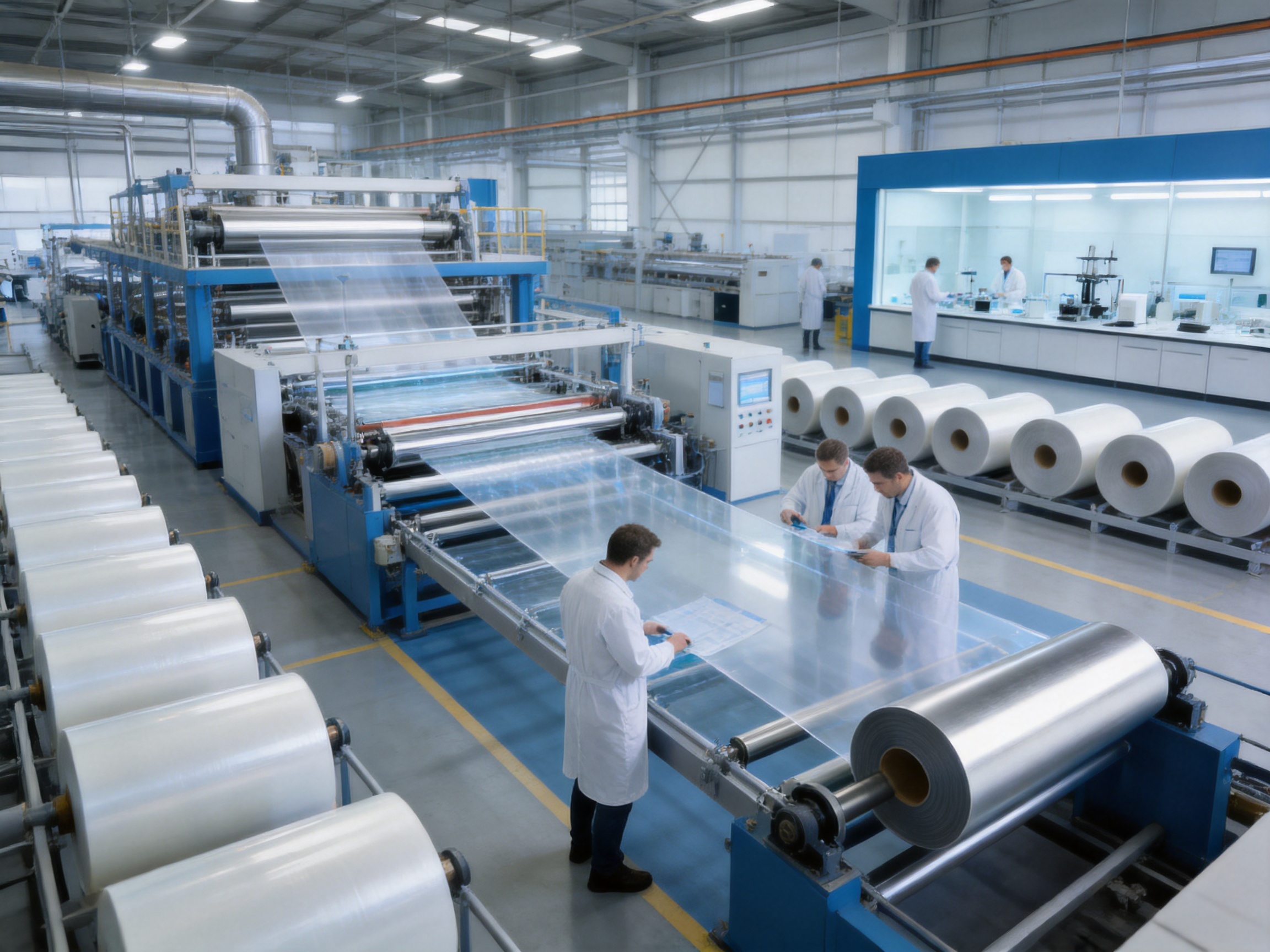
During extrusion and forming, process parameters such as temperature, pressure, line speed, cooling conditions, and thickness control require monitoring. Small changes can influence transparency, dimensional stability, and forming behavior. Automated systems and operator experience work together to keep production within the required range.
Laboratory testing and visual inspection provide additional control. Depending on the product specification, inspection may include thickness, width, appearance, transparency, haze, mechanical behavior, forming performance, and packaging condition. Customer-specific testing can also be arranged when an application has special requirements.
Consistent winding and packaging are important for film rolls. A roll that telescopes, wrinkles, contains loose edges, or has uneven tension may create difficulties during printing, lamination, or automated converting. Sheet products also require careful stacking and protection to prevent scratches, distortion, and edge damage during storage and transportation.
Production Process from Raw Material to Finished Product
Material preparation
Production begins with the preparation of suitable PETG raw material. Materials are selected according to the planned product grade and intended application. Storage conditions, handling procedures, and material cleanliness are important factors in preserving quality before extrusion.
Extrusion
In the extrusion stage, the polymer is heated and processed into a continuous molten layer. The temperature profile and screw conditions must be controlled to achieve stable melting and mixing. Excessive heat or unsuitable residence time may affect color, clarity, or material performance.
Sheet or film formation
The molten material is shaped through a die and transformed into film or sheet. Thickness control is essential because dimensional variation can influence forming, cutting, lamination, and final appearance. Cooling and tension management help establish the required flatness and dimensional stability.
Surface and finishing operations
Depending on the specification, the product may receive finishing operations such as edge trimming, surface treatment, slitting, cutting, or roll preparation. These operations must be coordinated with the customer’s downstream process. For example, film intended for continuous converting may require precise roll width and stable winding tension.
Inspection and packaging
Finished products are inspected before packaging. Film may be supplied in rolls, while sheet may be stacked and protected with suitable packaging materials. Packaging must prevent contamination, scratches, moisture exposure, and deformation during storage and shipment.
A professional production process does not end when the material leaves the extrusion line. Proper labeling, batch identification, storage management, and shipment coordination are also important for traceability and customer confidence.
Technical Selection Considerations for Buyers
| Selection factor | Why it matters | Questions for the supplier |
|---|---|---|
| Product form | Film rolls and sheets support different production methods and handling systems. | Which supply format best matches the customer’s equipment? |
| Thickness | Thickness affects rigidity, forming behavior, weight, transparency, and cost. | What thickness range is available for the intended application? |
| Width or size | Correct dimensions reduce cutting waste and improve line efficiency. | Can the width or sheet size be customized? |
| Surface condition | Surface quality influences printing, laminating, bonding, and appearance. | Is a special surface treatment or finish required? |
| Forming method | Thermoforming and vacuum forming require different process conditions. | Has the material been evaluated for the customer’s forming process? |
| Optical requirements | Clarity and haze are important for visible packaging and decorative products. | What optical characteristics are required for the finished application? |
| End-use environment | Temperature, chemicals, sunlight, moisture, and impact can affect service life. | Are there special environmental or regulatory requirements? |
| Order quantity | Volume affects production scheduling, packaging, and commercial terms. | What are the minimum order quantity and lead-time expectations? |
Customers should provide as much application information as possible when requesting a quotation or sample. Important details include the target thickness, width, finished dimensions, forming temperature, forming depth, printing or laminating method, intended indoor or outdoor use, packaging requirements, annual demand, and quality standards.
Advantages of Working with an Experienced Manufacturer
A transparent film or sheet supplier should do more than provide a basic material. The supplier should understand how its product will be processed and used. An experienced manufacturer can help customers select the appropriate product form, identify potential forming issues, and organize sample testing before mass production.
Direct communication with a manufacturer can also improve response speed. Customers can discuss customized dimensions, roll or sheet packaging, production schedules, documentation, and inspection requirements with a team familiar with the manufacturing process. This may reduce misunderstandings between traders, converters, and end users.
ZheJiang ZhongSheng New Materials Co., Ltd. offers the advantage of an integrated manufacturing background. Its production resources, laboratories, R&D team, large equipment base, and high annual capacity provide a foundation for serving different markets. Its product portfolio includes PETA, PETG, and PET-GAG products, allowing customers to explore related material solutions through one experienced supplier.
The company also reports more than 60 invention and utility patents. Patents do not automatically guarantee that every product is suitable for every application, but they indicate continuing investment in technical development and process innovation. Combined with manufacturing experience, this intellectual property supports the company’s ability to improve products and develop application-oriented solutions.
Application Development and Customization
Customers often require more than a standard transparent sheet. A furniture manufacturer may need a specific thickness, width, gloss level, or forming response. A packaging company may need reliable roll performance and consistent clarity. A decorative panel producer may require compatibility with an adhesive, substrate, printed layer, or surface treatment.
Customization begins with a clear understanding of the finished product. The supplier should review the design, processing equipment, target production speed, expected appearance, and environmental conditions. Small-scale sample testing can then be used to evaluate forming, trimming, bonding, printing, or lamination before a full production order is confirmed.
For thermoformed products, the design of the mold is also important. Sharp corners, deep draws, uneven wall thickness, and insufficient draft angles can create forming problems regardless of material quality. A cooperative supplier can help customers consider the relationship between material thickness and product geometry.
For decorative furniture panels, the compatibility of PETG with adhesives, substrates, edge treatments, and cleaning methods should be evaluated. Surface appearance may change depending on the underlying layer, lighting, and viewing angle. Sample panels can help designers confirm whether the final visual effect meets the project requirement.
For packaging, customers should assess the material under actual production conditions. Factors such as sealing, cutting, folding, blister forming, product insertion, stacking, and transportation can influence the required specification. A transparent material must perform not only in the forming machine but also throughout the logistics chain.
Storage, Handling, and Processing Guidance
PETG film and sheet should be stored in a clean, dry environment away from direct sunlight, excessive heat, and sources of contamination. Rolls and sheets should remain in their original protective packaging until they are ready for production. Heavy objects should not be placed on top of stacked sheets because pressure can create distortion or surface damage.
During handling, operators should avoid dragging sheets across rough surfaces. Clean gloves may be appropriate when appearance requirements are strict. Film rolls should be lifted and positioned with equipment that prevents edge impact. Damaged edges can cause web breaks or trimming waste during downstream processing.
Before thermoforming or vacuum forming, the processor should establish suitable heating and cooling conditions through trials. Heating must be sufficiently uniform across the sheet. Uneven heating can produce differences in stretching, wall thickness, gloss, and transparency. Excessive heating can also cause undesirable deformation or surface changes.
Forming conditions depend on the material thickness, mold design, equipment type, production speed, and finished geometry. Therefore, processing guidance should be treated as a starting point rather than a substitute for application-specific trials. The final production settings should be confirmed on the customer’s own equipment.
Printing, bonding, and laminating require compatible inks, adhesives, primers, and surface preparation. Cleaning agents should be tested before use because aggressive chemicals may affect the appearance or performance of transparent plastic. Finished products should be evaluated under realistic cleaning, handling, and environmental conditions.
Sustainability and Efficient Material Use
Material sustainability depends on the complete product system, including material selection, manufacturing efficiency, product life, transportation, and end-of-life management. PETG can contribute to efficient design when its low weight, forming capability, and durability reduce the amount of material or supporting structure needed for a product.
Thermoforming may allow manufacturers to create integrated parts with fewer components. Fewer components can simplify assembly and potentially reduce secondary materials. Lightweight transparent products can also reduce transportation weight compared with heavier alternatives, although the overall environmental result depends on the specific product design and logistics chain.
Production efficiency is another important factor. Stable film and sheet quality can reduce scrap caused by thickness variation, optical defects, forming failures, and roll problems. Better process control helps customers use more of the purchased material in finished products.
End-of-life considerations should be addressed according to local collection, sorting, recycling, and waste-management systems. Buyers should confirm applicable regulations and recycling pathways for their market. Product design should also avoid unnecessary combinations of incompatible materials when those combinations make future recovery more difficult.
Why Manufacturing Scale Matters to Global Customers
International buyers often require a supplier that can support both initial sampling and long-term commercial production. A small trial order may involve customized dimensions and technical discussion, while a successful project may later require regular container shipments or scheduled deliveries. Manufacturing scale helps a supplier manage this progression.
The company’s reported annual production capacity of 70,000 tons and 33 production lines provide a foundation for serving different order sizes. Its facilities can support product planning, quality inspection, packaging, and shipment coordination. This is useful for customers that need continuity rather than a one-time purchase.
Global customers also value communication and documentation. Clear product specifications, packing information, batch identification, inspection records, and shipment coordination can make international purchasing more reliable. The company’s export-oriented manufacturing background and experience with PET-based products support communication with overseas customers and project teams.
Supply reliability does not mean that every order should use the same specification. Instead, it means that a manufacturer should be capable of repeating an approved specification with controlled variation. Sample approval, retained standards, batch records, and clear production instructions can all contribute to repeatability.
How to Evaluate PETG Transparent Film and Sheet Samples
When evaluating a sample, the first step is visual inspection. The buyer should check transparency, haze, color, surface cleanliness, scratches, bubbles, streaks, and edge condition. The sample should be viewed under consistent lighting and compared with the approved reference where applicable.
The second step is dimensional measurement. Thickness should be checked at several points rather than at one location. Width, length, flatness, and roll condition should also be recorded. Dimensional stability is particularly important for automated converting and forming.
The third step is process testing. The material should be run through the customer’s actual printing, laminating, cutting, forming, or assembly process. Laboratory results alone cannot predict every production behavior. Real equipment testing reveals feeding, heating, tension, trimming, and handling characteristics.
The fourth step is finished-product evaluation. The buyer should inspect the formed or assembled product for appearance, wall-thickness distribution, dimensional accuracy, cracking, whitening, delamination, surface defects, and practical durability. The testing period should reflect the intended use and include relevant cleaning or handling conditions.
Finally, the customer should review the supplier’s ability to reproduce the approved sample. A successful sample is valuable only when the same standard can be maintained in regular production. Documentation and communication should be completed before the purchase order is released.
Business and Technical Strengths of the Manufacturer
ZheJiang ZhongSheng New Materials Co., Ltd. combines a long operating history with substantial manufacturing resources. Established in 2006, the company has developed a specialized position in transparent plastic sheets and plastic film rolls. Its focus on PET-related materials gives it experience in products requiring optical quality, dimensional control, and reliable processing characteristics.
The company’s 40,000-square-meter manufacturing area supports a broad operational structure. Thirty-three production lines and more than 100 sets of machinery and equipment provide production flexibility. A 70,000-ton annual capacity supports large-volume customers and repeat supply programs.
Its R&D team and two laboratories support technical development and quality analysis. The reported portfolio of more than 60 invention and utility patents reflects ongoing attention to innovation. The company also operates with registered capital of approximately 11.21 million United States dollars and reports annual turnover exceeding 70 million United States dollars, indicating substantial business scale.
More than 100 sets of equipment, however, are only part of the company’s strength. A reliable material supplier must also maintain trained staff, production discipline, inspection procedures, customer communication, and service responsiveness. The value of an integrated manufacturer comes from the way these elements work together to deliver repeatable products.
Q&A About PETG Transparent Film and Sheet
What is PETG transparent film and sheet?
PETG transparent film and sheet are clear polyester-based plastic products made from glycol-modified polyethylene terephthalate. Film is commonly supplied in rolls, while sheet is supplied in flat pieces. The material is valued for clarity, toughness, forming flexibility, and suitability for decorative and packaging applications.
What is the difference between PETG film and PETG sheet?
The main difference is the supply form and typical processing method. Film is generally thinner and supplied in rolls for continuous processing, laminating, wrapping, printing, or surface applications. Sheet is generally more rigid and supplied in flat panels for cutting, thermoforming, vacuum forming, and fabrication.
Can PETG be thermoformed?
Yes. PETG is suitable for thermoforming when the material grade, thickness, heating conditions, mold design, and cooling process are properly matched. Process trials should be conducted on the customer’s equipment to determine suitable production settings.
Can PETG be used for vacuum forming?
Yes. PETG sheet can be used for vacuum-formed packaging, covers, displays, housings, and decorative components. Forming performance depends on the shape, draw depth, thickness, mold design, heating uniformity, and vacuum system.
Why is PETG used for transparent packaging?
PETG provides clear product visibility, good toughness, and useful forming flexibility. These characteristics allow manufacturers to create packaging that protects products while displaying them attractively. The material can be shaped into trays, covers, blister-style parts, and other presentation structures.
Is PETG suitable for furniture decoration?
Yes. PETG transparent film and sheet can be used as decorative layers, protective surfaces, or components of furniture panels. They can help create glossy, transparent, layered, or illuminated effects. Compatibility with substrates, adhesives, printing systems, and surface treatments should be confirmed for each design.
How should buyers choose the correct thickness?
Thickness should be selected according to the required rigidity, forming depth, weight, appearance, handling conditions, and production method. Thin film may be appropriate for laminating or surface covering, while thicker sheet may be required for rigid panels or formed components. The supplier should review the finished product and equipment before recommending a specification.
Can PETG be printed or laminated?
PETG can be considered for printing and laminating applications, provided that compatible inks, adhesives, surface treatments, and process conditions are used. Trial production is recommended because adhesion and appearance depend on the complete material structure and processing system.
What quality problems should be checked?
Buyers should check transparency, haze, color, bubbles, gels, streaks, scratches, thickness variation, width, flatness, roll tension, edge condition, and packaging integrity. For formed products, buyers should also inspect wall-thickness distribution, cracking, whitening, dimensional accuracy, and surface appearance.
What manufacturing capabilities does the company have?
The company has a 40,000-square-meter manufacturing area, 33 production lines, more than 100 sets of machinery and equipment, an R&D team, two laboratories, and an annual production capacity of approximately 70,000 tons. It produces PET, PETG, and PET-GAG products and has more than 16 years of experience in the PET industry.
Can the company support customized orders?
Customization can be discussed according to thickness, width, sheet size, product form, surface requirements, packaging, and application. Customers should provide detailed technical information and request samples before mass production so that the specification can be verified on actual equipment.
How should PETG products be stored?
PETG products should be kept in a clean, dry location away from direct sunlight, excessive heat, moisture, and contamination. Rolls and sheets should remain protected until use. Careful handling is necessary to prevent scratches, edge damage, distortion, and packaging failure.
Is PETG always better than other transparent materials?
No material is ideal for every application. PETG is highly competitive when clarity, toughness, forming performance, and practical processing are required. Glass, acrylic, polycarbonate, PVC, and other materials may be preferable in applications with different temperature, chemical, surface-hardness, outdoor, cost, or regulatory requirements. The best material depends on the complete project specification.
Conclusion
PETG transparent film and sheet provide a strong combination of visual clarity, toughness, processing flexibility, forming capability, and decorative potential. These characteristics make the material suitable for thermoformed packaging, vacuum-formed components, furniture decoration, interior panels, retail displays, protective covers, and other applications where transparent performance and practical durability are required.
The competitive value of PETG is strengthened when the product is manufactured with stable equipment, laboratory support, process control, and experienced technical personnel. ZheJiang ZhongSheng New Materials Co., Ltd. offers these capabilities through a 40,000-square-meter manufacturing area, 33 production lines, more than 100 sets of machinery and equipment, an R&D team, two laboratories, and reported annual production capacity of 70,000 tons.
With more than 16 years of PET industry experience, a broad product portfolio, and more than 60 invention and utility patents, the company is positioned to support both standard and customized transparent plastic material requirements. Its PETG film and sheet products can help manufacturers create attractive, lightweight, formed, and durable solutions for modern packaging, furniture, decorative, and industrial markets.
For buyers, the most effective approach is to define the finished application clearly, evaluate samples on actual equipment, confirm optical and dimensional requirements, and establish an approved specification before mass production. When material selection, manufacturing expertise, and downstream processing are aligned, PETG transparent film and sheet can deliver dependable performance and strong design possibilities.
References
1. Company-provided product information for PETG Transparent Film/Sheet.
2. Company-provided corporate profile for ZheJiang ZhongSheng New Materials Co., Ltd.
3. General polymer engineering principles relating to polyethylene terephthalate, glycol-modified PET, extrusion, thermoforming, and vacuum forming.
4. General packaging engineering principles relating to transparent packaging, formed plastic components, material thickness, and product protection.
5. General interior materials guidance relating to decorative panels, furniture surfaces, laminating, printing, and transparent protective layers.
6. General manufacturing quality principles relating to extrusion process control, laboratory inspection, roll handling, sheet packaging, and production traceability.