 English
 Español

Zhongsheng
Zhongsheng
Zhongsheng
Zhongsheng
Zhongsheng
Zhongsheng
Zhongsheng
Zhongsheng
Zhongsheng
Zhongsheng
Zhongsheng
Zhongsheng
Zhongsheng
Zhongsheng
Zhongsheng
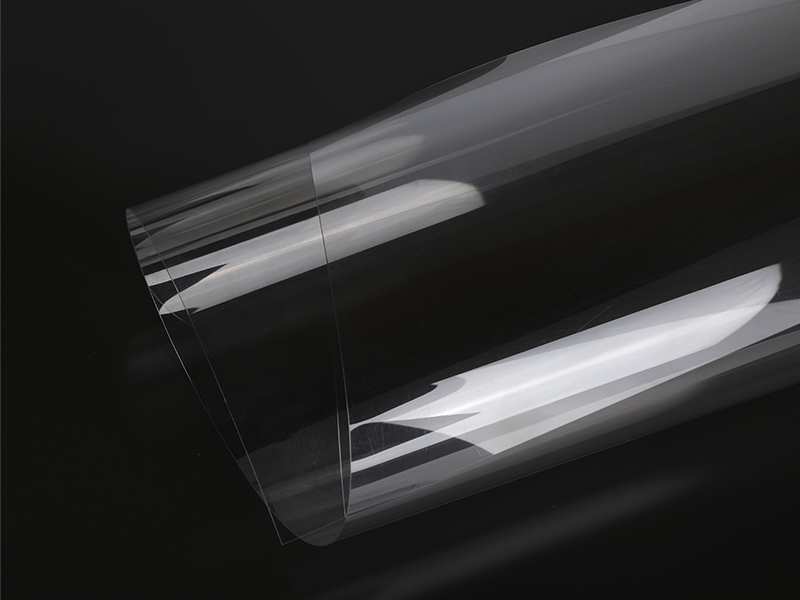
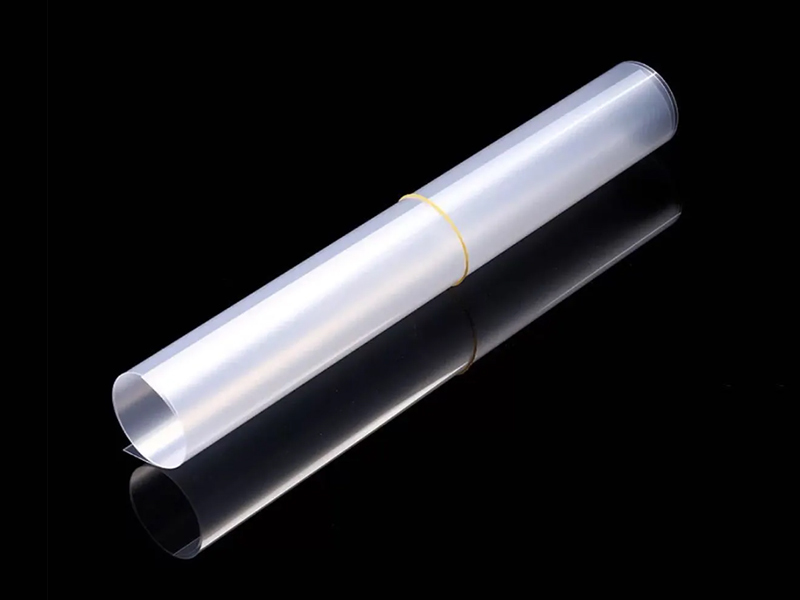
PET wood veneer printing and embossing is an advanced decorative film technology that combines a realistic wood appearance with a tactile, three-dimensional surface texture. By integrating precision pattern printing with controlled embossing, this material reproduces the visual depth and natural touch of wood while retaining the performance characteristics of PET-based film. It is designed for furniture panels, cabinets, wardrobes, doors, interior wall elements, decorative boards, and selected premium packaging applications.
Modern interior design increasingly demands materials that are attractive, durable, hygienic, easy to process, and more consistent than natural wood. Traditional wood veneer can provide an authentic appearance, but it may vary in color, grain, thickness, moisture resistance, and dimensional stability. Decorative paper and lower-grade plastic films may offer a lower initial cost, but they can lack tactile quality, impact resistance, weather resistance, or long-term color stability. PET wood veneer printing and embossing addresses these limitations through a combination of engineered polymer performance, high-resolution printing, and carefully controlled surface forming.
The result is a decorative film with a natural wood-inspired appearance, a refined skin-touch surface, and practical advantages for large-scale furniture and interior production. It can be supplied in different thicknesses, widths, colors, and patterns, supporting both standard production and customized design requirements.
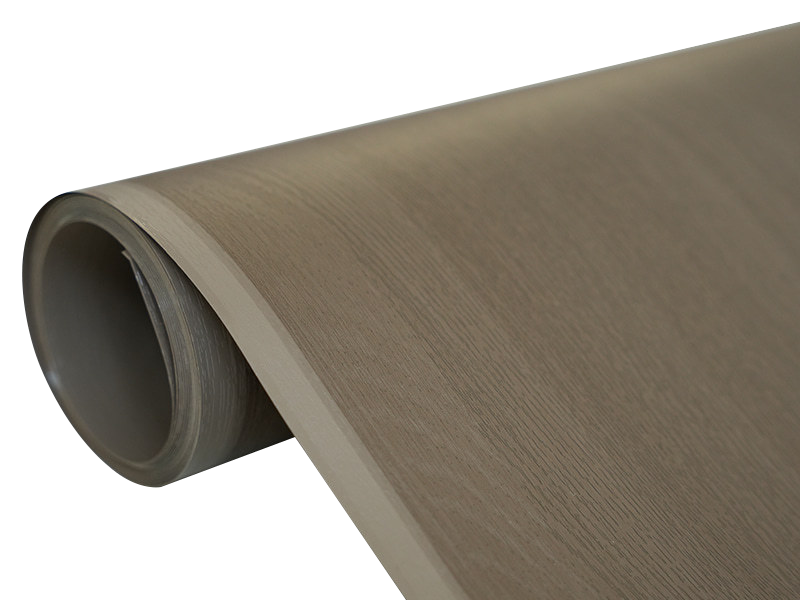
PET Wood Veneer Printing And Embossing
What Is PET Wood Veneer Printing and Embossing?
PET wood veneer printing and embossing is a multilayer decorative surface solution based on polyethylene terephthalate film. The material uses printed wood patterns to create the visual effect of timber, veneer, or other natural surface designs. An embossing process then forms a fine texture that follows or complements the printed image. This combination makes the surface appear more dimensional than a flat decorative film.
The term “wood veneer” in this application refers to the visual and decorative role of the product rather than a layer of natural wood. The film is engineered to provide a wood-like appearance without depending on the natural variability of timber. Designers can select from existing patterns or develop customized visual effects according to a furniture collection, architectural project, or brand identity.
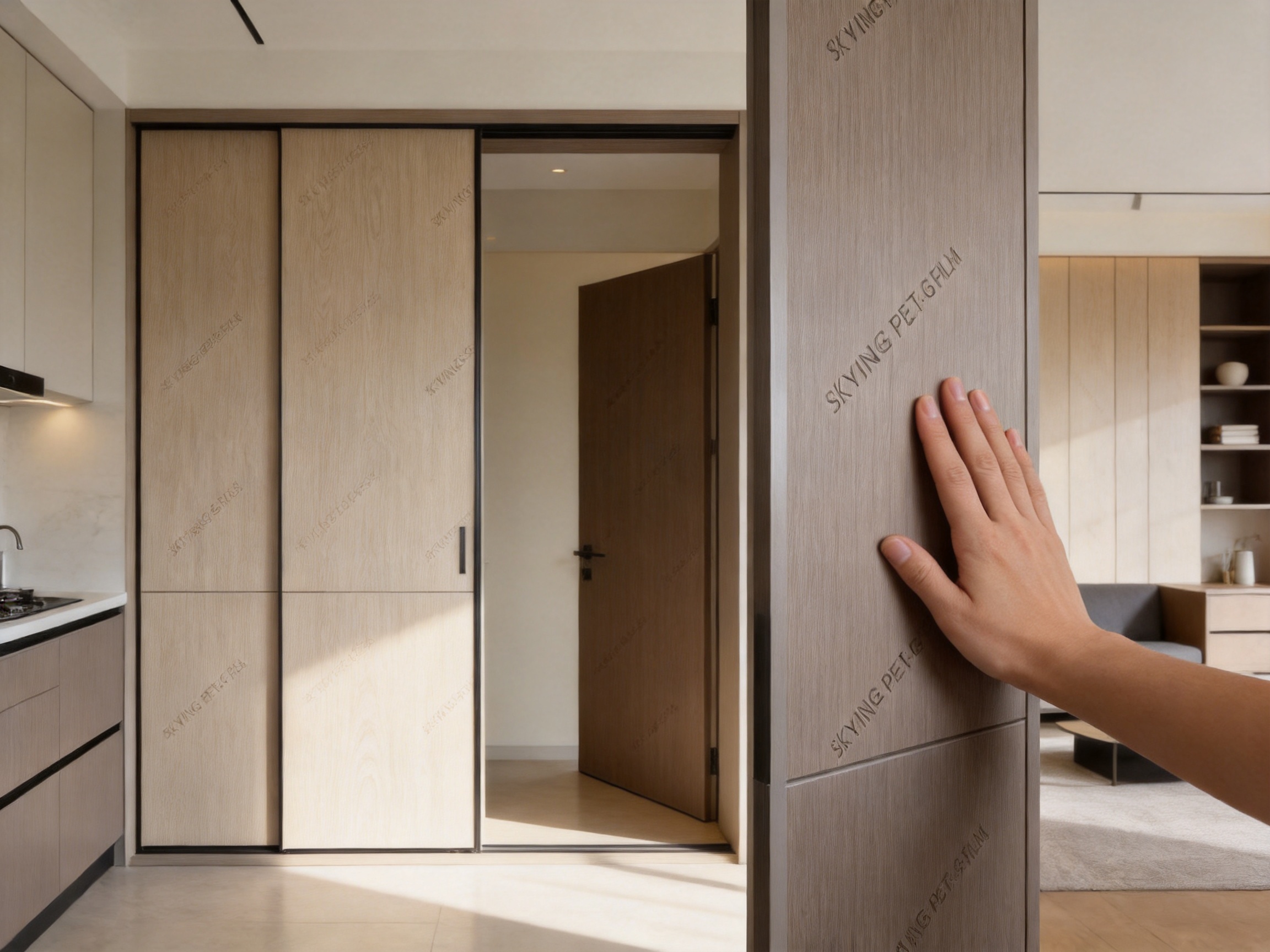
Printing controls the visible grain, knots, color variation, and tonal transitions. Embossing controls the physical feel and light reflection of the surface. When these two processes are accurately matched, the eye sees a more realistic wood effect and the hand feels a subtle grain structure. This visual-tactile coordination is one of the main distinctions between embossed PET decorative film and ordinary flat plastic sheet.
PET is widely used in demanding packaging, forming, and industrial applications because it offers a useful balance of strength, clarity, toughness, processability, and dimensional stability. In decorative film production, these characteristics help the product withstand handling, lamination, thermoforming, and daily use. The material is also suitable for applications where a thin, uniform, and clean surface is needed.
Core Product Specifications
The product is available in thicknesses from approximately 0.14 millimeters to 1.0 millimeter. This range allows users to select a thinner film for flexible lamination or a heavier sheet for applications requiring greater body and surface presence. The appropriate thickness depends on the substrate, forming method, required rigidity, installation process, and desired visual effect.
The regular width is 1,250 millimeters, with customized widths available for specific production requirements. A suitable width can improve material utilization and reduce trimming waste during panel production. Customized dimensions can also support automated lines, special furniture components, door-board formats, and other projects with non-standard sizes.
Patterns and colors may be selected from established designs or customized. The printed surface can be developed to resemble different wood species, grain directions, tones, and contemporary decorative styles. Depending on the design objective, the appearance may be warm and traditional, light and Scandinavian, dark and luxurious, or neutral and minimalist.
| Item | Specification or Description |
|---|---|
| Product type | PET wood veneer printing and embossing film or sheet |
| Surface | PET printed and embossed decorative surface |
| Available thickness | Approximately 0.14–1.0 mm |
| Regular width | Approximately 1,250 mm |
| Width options | Customized widths available according to project requirements |
| Pattern | Wood-inspired patterns or customized designs |
| Main applications | Cabinets, wardrobes, door boards, furniture panels, interior panels, and decorative surfaces |
| Functional characteristics | Skin-touch feel, anti-fingerprint performance, stain resistance, color stability, water resistance, weather resistance, and environmentally conscious material selection |
How Printing and Embossing Improve the Wood Effect
Precision Decorative Printing
The printed image establishes the visual identity of the film. A high-quality wood pattern requires more than a simple brown background. It needs controlled variation in line width, grain direction, shading, knots, pores, and tonal transitions. Printing technology makes it possible to repeat a selected appearance consistently across production batches, which is difficult to achieve with natural wood veneer.
Consistent printing is particularly important for furniture manufacturers producing multiple doors, drawer fronts, side panels, and cabinet components. Natural wood can contain strong differences between individual sheets, while a controlled printed design can maintain a coordinated appearance throughout a complete project. This helps manufacturers achieve a more uniform finished product and makes replacement panels easier to match.
Printing also expands the range of design possibilities. A manufacturer is not limited to the wood species that are available in a specific region or season. Patterns can be developed for modern interiors, hospitality environments, office furniture, retail fixtures, residential cabinetry, and architectural wall applications. Designers can combine familiar wood references with original decorative concepts.
Embossed Surface Texture
Embossing changes the surface geometry of the film by pressing a selected texture into the material. The texture may be fine, linear, grain-like, or more pronounced depending on the intended appearance and touch. The process creates controlled highlights and shadows, allowing the surface to interact with light in a way that resembles natural wood.
A flat printed image may look attractive from a distance, but it can appear artificial when touched or viewed under changing light. Embossing adds a physical layer of realism. It can also provide a more distinctive surface identity, helping furniture and panels stand apart from products made with basic flat film or printed paper.
The embossing depth and pattern must be balanced with the film thickness and intended processing method. Excessive texture may interfere with lamination, cleaning, or forming, while insufficient texture may not produce the desired visual and tactile effect. Controlled manufacturing enables the embossing profile to be matched with the product design and end-use requirements.
Coordination Between Image and Texture
The most convincing wood effect is achieved when the printed grain and embossed texture are properly coordinated. If the visual grain runs in one direction while the physical texture runs in another, the surface may appear less natural. Accurate alignment supports a more authentic appearance and improves the overall quality of the finished panel.
This coordination requires stable web handling, reliable registration, controlled tension, and careful process inspection. It is also influenced by the embossing roll design, ink or coating behavior, film thickness, and production speed. A manufacturer with experience in plastic film processing can manage these variables more effectively than a supplier focused only on surface decoration.
Advantages Over Conventional Decorative Materials
More Consistent Than Natural Veneer
Natural veneer has an undeniable visual appeal, but its appearance depends on the tree, cutting method, moisture content, storage conditions, and finishing process. Color and grain may vary considerably from one sheet to another. PET wood veneer printing and embossing provides a more controlled appearance, making it easier to coordinate panels across a large furniture order or interior project.
Production consistency can reduce sorting requirements and improve assembly efficiency. It also allows a manufacturer to specify a repeatable design for future orders. For commercial interiors, hotel furniture, retail displays, and multi-unit residential projects, this repeatability can be a significant practical advantage.
Better Resistance to Moisture and Everyday Contamination
Wood-based decorative surfaces may require careful sealing and maintenance to protect them from water, stains, and humidity. The PET decorative film is designed to provide water resistance and a surface that is easier to maintain. This makes it suitable for furniture applications where occasional splashes, fingerprints, food residue, and daily handling are expected.
The stated stain-resistant and anti-fingerprint characteristics help preserve a cleaner appearance during use. These features are particularly relevant for cabinet doors, wardrobes, workspaces, hospitality furniture, and high-contact interior surfaces. Cleaning procedures should still follow the recommendations for the complete finished panel, including the substrate, adhesive, edge treatment, and installation system.
Strong and Flexible Material Performance
PET provides a useful combination of impact resistance and flexibility. The film can be handled, laminated, and processed without the brittle behavior associated with some rigid decorative materials. Depending on the selected thickness and construction, it may also support thermoforming or other shaping operations.
Flexibility is valuable when the film must follow a curved or slightly contoured surface. It can support design freedom in furniture edges, formed components, and decorative elements. At the same time, the film retains sufficient strength for routine manufacturing and handling when properly specified.
Stable Appearance Over Time
Color stability is important for decorative products because fading or unwanted color change can affect the perceived quality of an entire furniture collection. PET wood veneer printing and embossing is designed to maintain a stable appearance under normal application conditions. Good weather resistance further supports selected interior and semi-exposed uses, although the final suitability should be confirmed for the actual environment.
Color stability also helps when additional components must be produced later. A stable decorative specification makes it easier to maintain visual consistency between original installations, replacement parts, and future production runs.
More Design Freedom Than Standard Wood Patterns
Traditional decorative products often depend on a limited catalog of colors and textures. Printed and embossed PET can be developed in a wider range of visual styles. A customer may select an existing pattern or request a customized design with a specific wood tone, grain scale, surface touch, or level of gloss.
This flexibility benefits furniture producers that want to refresh collections quickly. It also supports architects and interior designers seeking coordinated surfaces across doors, cabinets, wall panels, and built-in furniture. A single decorative concept can be adapted to different thicknesses and component sizes while maintaining a common appearance.
Efficient Use of Material
A decorative film can provide the visual effect of wood using a thin and controlled layer of material. Compared with thicker natural wood components, this may reduce the amount of decorative material required for certain panel constructions. The total environmental and economic outcome depends on the complete product design, substrate, adhesive, production yield, service life, and end-of-life route.
Consistent roll width and customized dimensions can also support better nesting and lower cutting losses. Manufacturers should evaluate these benefits using their own panel sizes and production methods.
Applications in Furniture and Interior Panels
Cabinet Panels
PET wood veneer printing and embossing is well suited to cabinet fronts, side panels, shelves, and decorative inserts. Its wood-like appearance can be combined with a clean modern finish, while its stain-resistant and water-resistant characteristics support routine kitchen and storage applications.
Cabinet producers can select patterns that coordinate with solid-color PET surfaces, metal fittings, stone-inspired panels, or glass elements. This allows a product collection to include natural-looking accents without requiring multiple types of wood veneer inventory.
Wardrobe Components
Wardrobes are frequently used and touched, making surface durability and ease of cleaning important. The anti-fingerprint and stain-resistant surface properties are useful for sliding doors, hinged doors, drawer fronts, and side panels. Wood-inspired patterns can bring warmth to a wardrobe design while maintaining a consistent industrial appearance across multiple units.
The available thickness range allows manufacturers to choose a construction compatible with the required panel system. The film may be laminated to an engineered board or incorporated into a designed surface structure, subject to adhesive and substrate compatibility testing.
Door Boards
Interior door boards benefit from decorative surfaces that are visually consistent, easy to maintain, and resistant to ordinary handling. Embossing can create a more substantial appearance than a flat printed finish, helping a lightweight or engineered door component achieve a premium decorative effect.
For door projects, manufacturers should evaluate edge treatment, impact exposure, humidity, cleaning chemicals, and the performance of the complete door assembly. The PET film is one component of the system, so the adhesive, board, core, edge band, and hardware must all be selected appropriately.
Decorative Wall and Furniture Panels
Wood-inspired PET surfaces can be used on interior wall panels, feature walls, office furniture, reception counters, retail fixtures, and hospitality installations. The embossed texture provides visual interest under artificial and natural lighting. It can also help create a warmer atmosphere than plain monochrome plastic surfaces.
Large projects benefit from the availability of regular and customized widths. Matching the film width to the panel production line can simplify processing and reduce the number of visible joints or cut pieces.
Premium Packaging and Display Components
The product description identifies premium packaging as another potential application. A wood-effect surface can communicate natural quality, craftsmanship, and exclusivity on selected packaging structures or presentation boxes. The final application should be evaluated for folding, creasing, abrasion, printing compatibility, and product-contact requirements.
For packaging used near food, cosmetics, or other regulated products, all components and compliance requirements must be reviewed separately. Decorative suitability does not automatically establish suitability for direct or indirect product contact.
Manufacturing Capabilities and Process Strengths
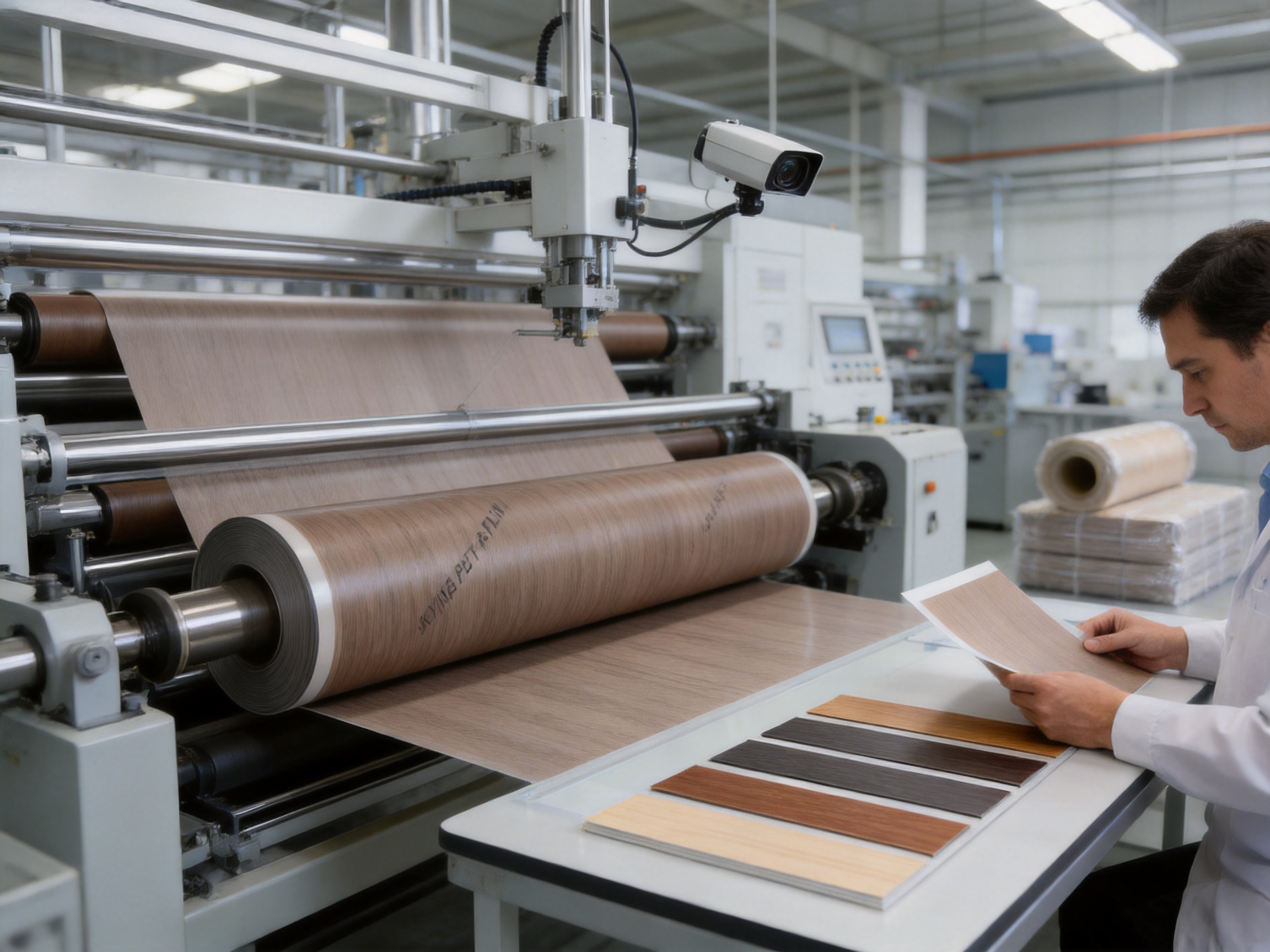
The manufacturer behind this product has operated in the PET industry for more than 16 years and was established in 2006. Its production base covers approximately 40,000 square meters and includes 33 production lines, more than 100 sets of machinery and equipment, one research and development team, and two laboratories. These resources provide a foundation for developing and manufacturing PET-based sheet and film products at industrial scale.
The reported annual production capacity reaches approximately 70,000 tons. This scale is important for customers seeking a stable supply of decorative film, especially when a project requires repeat orders, multiple thicknesses, or several pattern families. Larger production capacity can also support scheduling flexibility and reduce dependence on a single line.
The company manufactures PETA, PETG, and PET-GAG products for applications including thermoforming, vacuum forming, blister packaging, and furniture decorative film panels. This broad material experience is relevant to PET wood veneer printing and embossing because decorative films often need to meet more than one requirement. They must look attractive, remain stable during processing, and perform reliably after lamination or forming.
Research and Development
A dedicated research and development team supports the adaptation of film formulations, thicknesses, surface finishes, and processing conditions. For a printed and embossed product, development work may include selecting a suitable film structure, balancing flexibility and rigidity, adjusting surface energy, testing print adhesion, and matching embossing parameters to the selected pattern.
Research also helps address customer-specific needs. A furniture producer may require a certain width, a particular wood tone, a different gloss level, or a texture compatible with an existing lamination process. Product development resources make it more practical to evaluate these requirements rather than offering only a fixed standard product.
Laboratory Support
Two laboratories provide a controlled environment for material evaluation and process verification. Laboratory testing can support checks related to thickness, appearance, surface quality, color, adhesion, dimensional behavior, and other characteristics relevant to the intended application.
Testing is especially valuable for decorative film because small changes in surface finish can affect both appearance and processing. A film may look correct but fail to laminate properly, or it may process well but show inconsistent texture. Laboratory assessment helps identify such issues before large-scale delivery.
Integrated Equipment Resources
More than 100 sets of machinery and equipment support the company's manufacturing operations. An equipment base of this scale can include material preparation, film production, printing, embossing, inspection, cutting, and packaging capabilities, although the precise configuration should be confirmed for each product line.
Integrated production resources can improve communication between process stages. When printing, embossing, inspection, and packaging are managed within an organized manufacturing system, it is easier to control specifications and respond to quality observations. It may also reduce delays associated with transferring semi-finished material between unrelated suppliers.
Production Quality and Scientific Management
The company follows a quality-oriented operating philosophy and emphasizes scientific management. For PET decorative film, quality control should cover incoming raw materials, melt or sheet uniformity, film thickness, surface cleanliness, color consistency, print registration, embossing definition, roll appearance, and packaging protection.
Stable process control is particularly important for a product that combines a printed image and a physical surface texture. The visual effect must remain consistent from roll to roll, while the film must retain the mechanical and processing characteristics expected by the customer.
Patent and Technical Experience
The company reports ownership of more than 60 invention and utility patents. Patents do not by themselves guarantee that every product will be suitable for every application, but they indicate ongoing investment in technical development and process innovation. In the PET industry, technical experience can contribute to improved film structures, processing efficiency, surface treatment, and application performance.
The company's self-developed PETG films are used in furniture decoration panels and have received recognition in domestic and international markets. This experience is relevant to customers looking for a supplier familiar with the requirements of decorative panel production rather than a general-purpose film source.
Process Overview for PET Wood Decorative Film
Although exact production parameters are proprietary and may vary by product, a typical manufacturing route involves several coordinated stages. First, suitable polymer materials are selected and prepared according to the target film properties. The material is then processed into a uniform sheet or film with controlled thickness and surface quality.
After film formation, the surface may be conditioned for printing. Surface energy, cleanliness, and tension must be managed so that the decorative ink or coating adheres consistently. The printed wood pattern is applied using controlled equipment, with attention to color density, registration, repeat length, and drying or curing conditions.
The film then passes through an embossing stage in which a patterned roll or forming surface creates the desired texture. Pressure, temperature, speed, and web tension influence the final embossing effect. These variables must be balanced so that the texture is clear without damaging the printed image or compromising film integrity.
Inspection follows printing and embossing. Operators and quality personnel may check the film for scratches, contamination, wrinkles, pinholes, color variation, registration errors, incomplete embossing, and edge damage. Rolls are then wound, labeled, protected, and prepared for shipment according to customer requirements.
For customized products, the process may include sample approval before mass production. A physical sample allows the customer to evaluate the color, grain scale, texture, gloss, touch, and compatibility with the intended substrate. This step is valuable because the final appearance can change when the film is laminated to a board and viewed under different lighting.
Processing and Lamination Considerations
Before production, users should confirm the compatibility of the PET film with the selected substrate and adhesive. Important factors include adhesive type, application temperature, pressure, line speed, substrate flatness, moisture content, and cooling conditions. A decorative surface may perform well in isolation but require process adjustments when combined with a particular board or adhesive system.
Thermoforming and other shaping operations should be validated through trials. The selected thickness, embossing depth, print structure, and forming temperature can influence the final appearance. Deep forming may stretch the printed design or alter the visual relationship between the grain and texture. Testing helps determine whether a pattern is suitable for flat lamination, shallow forming, or more complex shapes.
Panel manufacturers should also review edge handling. If the film is wrapped around an edge, the radius, adhesive bond, film flexibility, and post-forming behavior need to be checked. For flat panels, edge banding or a separate edge treatment may be required to protect the assembly and complete the appearance.
Storage conditions can influence film performance. Rolls should normally be protected from moisture, dust, excessive heat, direct sunlight, and sharp mechanical impact. They should remain properly supported to reduce deformation. The supplier and customer should agree on recommended storage duration and conditioning procedures before processing.
Appearance, Touch, and User Experience
Decorative materials are judged not only by technical specifications but also by the experience they create. A wood-inspired surface can make a room feel warmer and more natural, while an embossed texture gives the user a sense of material depth. The skin-touch characteristic described for this product supports a refined and comfortable surface interaction.
Anti-fingerprint performance is especially valuable on dark or smooth furniture surfaces, where hand marks can be highly visible. A surface that maintains a cleaner appearance between routine cleaning cycles can improve the perceived quality of cabinets, wardrobes, and doors. Stain resistance adds another layer of practicality for high-contact areas.
Texture also affects how light is reflected. A carefully selected embossing pattern can soften large uninterrupted panels and create subtle movement across a wall or furniture front. Gloss, matte level, grain direction, and embossing depth should be selected together because each one influences the final visual balance.
Environmental and Lifecycle Considerations
The product is described as environmentally friendly, but responsible evaluation should consider the entire finished system rather than one material characteristic alone. Relevant factors include polymer selection, production energy, material yield, product service life, adhesive composition, substrate choice, maintenance requirements, and end-of-life handling.
Durability can contribute to a more efficient lifecycle when a panel remains attractive and functional for a long period. Water resistance, stain resistance, impact resistance, and color stability may reduce the frequency of replacement in suitable applications. A long-lasting decorative surface can help avoid the material and labor associated with premature refurbishment.
Manufacturers and project owners should request the specific environmental documentation required for their market. Depending on the destination, this may include declarations related to raw materials, emissions, restricted substances, recyclability, or manufacturing management systems. Environmental claims should be verified according to the relevant standards and product configuration.
Because PET is a thermoplastic material, recycling possibilities may exist where appropriate collection and processing infrastructure is available. However, printed layers, coatings, adhesives, laminates, and mixed substrates can affect recyclability. The complete panel assembly should therefore be assessed rather than assuming that a decorative film can always be separated or recycled through a single stream.
Quality Evaluation for Buyers
Buyers should begin by defining the intended application. A cabinet front, wardrobe door, interior wall panel, and thermoformed component may require different thicknesses, surface textures, forming behavior, and resistance levels. Clear application information allows the supplier to recommend a more appropriate specification.
Visual evaluation should be conducted under several lighting conditions. A sample may appear different under daylight, warm indoor light, cool LED light, and strong directional illumination. Buyers should review the grain repeat, color tone, texture alignment, gloss, edge appearance, and panel-to-panel consistency.
Physical testing should reflect the expected use. Depending on the project, this may include adhesion testing, stain resistance, water exposure, abrasion, impact, heat, humidity, forming trials, and cleaning-agent compatibility. The test method and acceptance criteria should be agreed in advance.
Roll inspection is also important. Customers should confirm the regular roll width, usable width, thickness tolerance, winding quality, splice policy, packaging method, and identification information. Correct labeling helps prevent mix-ups between similar patterns or different thicknesses during production.
| Evaluation Area | Questions for Project Verification |
|---|---|
| Appearance | Does the grain, color, gloss, and embossing match the approved sample? |
| Dimensions | Are thickness, width, roll length, and tolerances suitable for the production line? |
| Processing | Can the film be laminated, thermoformed, or shaped under the planned conditions? |
| Adhesion | Does the selected adhesive bond the film reliably to the intended substrate? |
| Durability | Does the finished panel withstand expected moisture, stains, handling, abrasion, and impact? |
| Consistency | Do different rolls and production batches maintain an acceptable visual match? |
| Storage | Are packaging, warehouse conditions, and recommended storage duration clearly defined? |
| Documentation | Are technical data, test results, safety information, and environmental statements available as required? |
Why Supplier Manufacturing Scale Matters
Decorative film projects often continue beyond the first purchase order. A furniture manufacturer may need the same pattern for a new collection, replacement parts, or additional export markets. Supplier manufacturing scale and technical continuity can reduce the risk of pattern changes, inconsistent film properties, or supply interruptions.
A company with extensive production lines and a high annual capacity can support larger orders while maintaining the ability to produce different material families. This is especially useful for customers that purchase PET, PETG, or PET-GAG products for several applications. One experienced supplier may simplify technical communication and quality coordination across the product portfolio.
Manufacturing scale must be supported by quality systems, not merely by output volume. The combination of laboratories, research resources, equipment, experienced personnel, and process management is what turns capacity into dependable supply. Customers should still perform qualification and establish agreed specifications, but a technically established manufacturer offers a stronger foundation for long-term cooperation.
Customization Opportunities
Customization is one of the strongest benefits of printed and embossed PET wood veneer. Customers may discuss pattern selection, color, grain direction, embossing style, thickness, width, gloss, and packaging format. The level of customization depends on order quantity, cylinder or tooling requirements, production schedule, and technical feasibility.
Pattern customization can support furniture collections that need a recognizable surface identity. A company may request a lighter oak effect, a deeper walnut tone, a linear ash appearance, or a more abstract wood-inspired design. Embossing can then be adjusted to reinforce the selected visual language.
Width customization can improve line efficiency. A panel producer may prefer the regular 1,250-millimeter width, while another may require a narrower or wider roll to match a laminating machine or reduce waste. These requirements should be discussed before production so that the supplier can evaluate equipment capability and material utilization.
Customized products should be approved through samples and clear technical documents. The approved standard should include color references, surface images, thickness, width, texture description, packaging information, and acceptable tolerances. This creates a common reference for future batches.
Market Position Compared With Alternative Surface Solutions
PET wood veneer printing and embossing occupies a position between purely visual decorative films and thicker natural or engineered wood finishes. It provides a controlled wood appearance without depending on a natural timber layer. Compared with a flat printed film, it offers greater tactile depth. Compared with natural veneer, it can provide more consistent dimensions, pattern repeat, and moisture-oriented performance.
Compared with some paper-based decorative materials, PET offers strong resistance and flexibility characteristics that may be better suited to demanding handling and forming processes. Compared with rigid boards printed directly, a film can be applied to different substrates and may support curved or shaped components. Each alternative still has its own appropriate applications, so the correct comparison should consider the complete panel construction, production method, and service environment.
The key competitive advantage is the combination of appearance and function. A product that only looks like wood may not satisfy a high-contact furniture application. A product that is highly durable but visually flat may not deliver the desired design quality. The printed and embossed PET approach is intended to address both requirements within one engineered surface solution.
Recommended Use Cases
This product is particularly appropriate when a project requires a wood-inspired appearance, consistent batch-to-batch design, easy-clean surface behavior, and compatibility with engineered furniture panels. It is also suitable when the manufacturer wants to reduce dependence on natural veneer while retaining a premium decorative effect.
Typical use cases include modern cabinet fronts, wardrobe doors, interior door boards, office storage furniture, hotel case goods, retail fixtures, reception counters, decorative wall panels, and selected premium packaging components. The most suitable thickness and processing method should be determined through application testing.
For exterior applications or locations exposed to severe weather, direct sunlight, large temperature changes, or standing water, project-specific validation is essential. The product is described as having good weather resistance, but actual outdoor performance depends on formulation, print system, construction, installation, exposure conditions, and maintenance.
Frequently Asked Questions
What makes PET wood veneer printing and embossing different from a flat decorative film?
A flat decorative film mainly provides a printed visual image. PET wood veneer printing and embossing adds a physical surface texture that can follow or complement the printed grain. This creates a more realistic three-dimensional appearance and a more natural tactile experience.
What thicknesses are available?
The stated thickness range is approximately 0.14 to 1.0 millimeter. The best thickness depends on whether the product will be used for flexible lamination, flat panel decoration, thermoforming, or another application requiring different levels of body and flexibility.
What is the standard width?
The regular width is approximately 1,250 millimeters. Customized widths can be discussed according to the customer's equipment, panel size, yield target, and project requirements.
Can the color and wood pattern be customized?
Yes. Customers may select from available patterns or discuss customized colors and designs. Customization should be confirmed through samples, technical specifications, and an approved reference before mass production.
Where can this material be used?
The principal applications include cabinets, wardrobes, door boards, furniture panels, interior panels, and other decorative surfaces. It may also be considered for selected premium packaging and display applications after processing and compliance requirements are evaluated.
Is the surface easy to clean?
The product is described as stain-resistant and anti-fingerprint. These characteristics can help maintain a cleaner appearance during daily use. Cleaning chemicals and procedures should be tested on the complete finished panel before regular maintenance begins.
Can the film be thermoformed?
The material is described as suitable for thermoforming, lamination, and surface decoration. The actual forming capability depends on thickness, pattern design, embossing depth, heating conditions, forming geometry, and equipment. A forming trial is recommended for shaped parts.
Does embossing affect lamination?
Embossing can influence contact area, adhesive behavior, pressure requirements, and final appearance. Proper adhesive selection and process trials are therefore important. The supplier and panel manufacturer should confirm suitable lamination conditions for the specific texture and substrate.
How does the product compare with natural wood veneer?
It offers a more controlled visual appearance, consistent pattern reproduction, flexible customization, and PET-based resistance characteristics. Natural veneer has its own authentic variation and material appeal. The best choice depends on the project's appearance, performance, cost, processing, and sustainability requirements.
Is it suitable for outdoor use?
The product is described as having good weather resistance, but outdoor suitability must be confirmed for the exact construction and exposure conditions. Direct ultraviolet exposure, temperature cycling, humidity, water, and installation details should be included in project testing.
How should rolls be stored?
Rolls should be protected from moisture, dust, excessive heat, direct sunlight, and mechanical damage. They should be stored in a stable environment and handled according to the supplier's technical recommendations. Conditioning before processing may be useful when warehouse and production conditions differ substantially.
What should be confirmed before placing an order?
Customers should confirm the pattern, color, gloss, texture, thickness, width, quantity, roll format, adhesive and substrate compatibility, processing conditions, inspection requirements, packaging, lead time, and documentation. A physical sample and written specification are recommended for customized products.
Conclusion
PET wood veneer printing and embossing provides a practical way to combine the warmth of a wood-inspired design with the performance of engineered PET film. Precision printing delivers visual consistency and design flexibility, while embossing creates tactile depth, controlled light reflection, and a more convincing natural appearance. The product's reported skin-touch, anti-fingerprint, stain-resistant, color-stable, water-resistant, and weather-resistant characteristics support a broad range of furniture and interior applications.
Its available thickness range of approximately 0.14 to 1.0 millimeter and regular width of approximately 1,250 millimeters provide flexibility for different production systems. Customized patterns, colors, and widths further support furniture collections, architectural projects, and specialized decorative components.
The manufacturer's long-term focus on PET materials, 40,000-square-meter manufacturing area, 33 production lines, laboratory resources, research and development capability, extensive equipment base, reported annual capacity of 70,000 tons, and portfolio of technical patents provide an industrial foundation for stable supply and product development. Experience with PET, PETG, and PET-GAG materials also supports applications involving thermoforming, vacuum forming, packaging, and furniture decoration.
For the best results, the film should be evaluated as part of a complete panel or product system. Pattern approval, adhesive compatibility, forming trials, durability testing, storage control, and quality documentation are all important. When these factors are properly managed, PET wood veneer printing and embossing can provide a durable, attractive, and efficient alternative to conventional decorative surfaces.
References
1. Product technical information for PET Wood Veneer Printing and Embossing, including surface, thickness, width, application, and functional characteristics.
2. Manufacturer-provided company profile and production capability information concerning PET, PETG, and PET-GAG sheet and film products.
3. General principles of thermoplastic film processing, lamination, thermoforming, and surface embossing.
4. General furniture and interior-panel design practices for decorative film selection, substrate compatibility, and surface maintenance.
5. General material evaluation principles for color stability, stain resistance, water resistance, impact performance, and environmental assessment.