 English
 Español
Zhongsheng
Zhongsheng
Zhongsheng
Zhongsheng
Zhongsheng
Zhongsheng
Zhongsheng
Zhongsheng
Zhongsheng
Zhongsheng
Zhongsheng
Zhongsheng
Zhongsheng
Zhongsheng
Zhongsheng
Modern interior design is shifting toward surface materials that combine visual depth with practical structure. Among these options, metallic decorative sheet solutions are gaining attention because they create reflective textures, layered lighting effects, and a contemporary industrial aesthetic without requiring heavy structural modifications. Instead of acting only as a covering layer, this material behaves like a visual enhancer that interacts with light and space in a dynamic way.
Metallic decorative sheet products are commonly engineered from aluminum, stainless steel, or polymer-based substrates with metallic coatings. Some versions use vacuum deposition or surface embossing to achieve brushed, mirror, or ripple-like finishes. These variations allow designers to adapt wall surfaces to different environments such as retail stores, office lobbies, hospitality interiors, and residential feature walls.
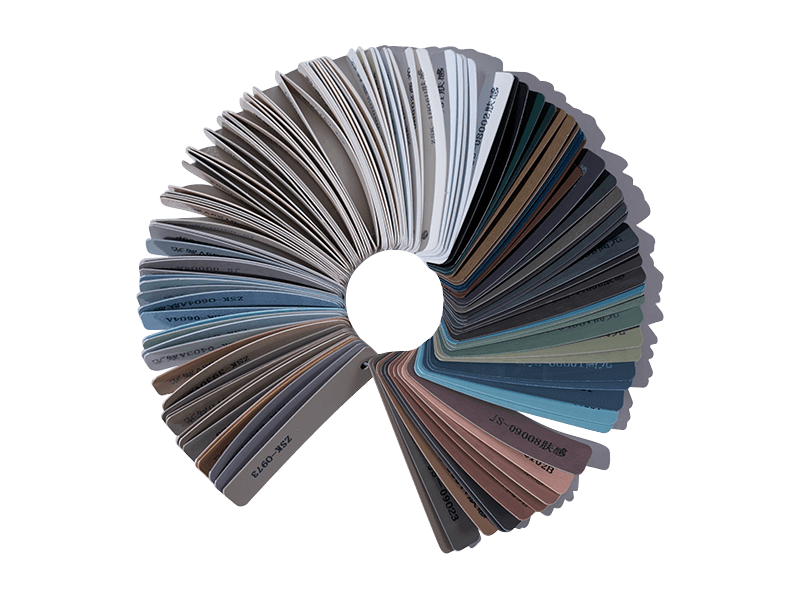
Optical behavior creates spatial depth
A key reason metallic surfaces are considered beyond traditional wall finishes is their ability to manipulate light reflection. Flat paint absorbs or scatters light evenly, while metallic surfaces redirect illumination across multiple angles. This produces shifting brightness patterns as the viewer moves through a space.
Typical surface effects include:
- High gloss reflection similar to polished chrome
- Brushed grain textures that soften glare
- Embossed patterns that introduce shadow layering
- Satin metallic tones that reduce harsh reflections
These effects generate a sense of depth even in compact rooms. Unlike conventional coatings, the surface does not remain visually static, which helps reduce monotony in large wall areas.
Structural composition and material behavior
Most decorative metallic sheets are not solid metal plates. They are often composite structures combining a base layer and a functional coating. A common structure includes:
- Protective topcoat resisting scratches and chemical exposure
- Metallic layer created through vapor deposition or coating
- PET or aluminum base providing dimensional stability
- Optional adhesive layer for direct application
This layered structure improves flexibility while keeping a stable visual appearance under different lighting conditions. The use of polymer substrates such as PET also reduces overall weight compared to traditional metal panels.
Weight reduction is significant in large-scale interior projects. Compared with solid metal cladding, composite decorative sheets simplify installation and reduce load stress on wall systems.
Physical performance beyond aesthetics
Although appearance is the main attraction, performance characteristics also influence adoption in modern interiors.
Key material behaviors include:
- Resistance to surface corrosion in humid environments
- Scratch tolerance from protective coatings
- Dimensional stability during temperature fluctuations
- Flexibility for curved or irregular wall surfaces
Some versions are designed for thermoforming, allowing application on cylindrical columns or wave-shaped partitions. This expands design possibilities beyond flat wall coverage.
In commercial environments where wall surfaces experience frequent contact, durability becomes an essential factor. Protective coatings help maintain visual consistency over time without frequent refinishing.
Manufacturing techniques influencing design variety
Different production methods create distinct decorative outcomes. Common techniques include:
- Chemical etching for fine patterned textures
- Embossing rollers for tactile surface relief
- Physical vapor deposition for metallic luster layers
- Color coating for tinted metallic tones
Each method affects both appearance and tactile feel. For example, embossed aluminum sheets are widely used in architectural interiors due to their combination of texture and strength, especially in decorative wall applications and equipment facades.
This manufacturing flexibility enables designers to match material finishes with branding themes, lighting conditions, and architectural style.
Installation adaptability in modern projects
Installation behavior is another reason metallic sheets are being considered as alternatives to traditional finishes. Unlike plaster or paint systems that require curing and multi-step application, decorative sheets can be installed using adhesive backing or mechanical fixing systems.
Practical advantages include:
- Reduced on-site construction time
- Minimal dust and wet processes
- Compatibility with existing wall substrates
- Easier replacement or refurbishment cycles
This makes them suitable for renovation projects where downtime must be minimized. Retail spaces and commercial interiors benefit particularly from this fast turnaround capability.
Application range across interior environments
Metallic decorative sheets are not limited to feature walls. Their usage extends across multiple interior components:
- Elevator cabin interiors
- Reception backdrop panels
- Furniture surface overlays
- Ceiling accent strips
- Retail display structures
Their ability to unify multiple surfaces under a consistent metallic theme helps create cohesive spatial identity. In many commercial environments, this uniformity contributes to brand recognition and interior storytelling.
Design limitations and practical considerations
Despite their advantages, metallic finishes also require careful planning. Strong reflectivity may amplify lighting imperfections or reveal uneven wall preparation. Surface alignment during installation must be precise to avoid visible seam disruption.
Another consideration involves scratch visibility on high-gloss finishes. While coatings improve resistance, reflective surfaces can still highlight surface damage more than matte alternatives.
Proper selection of gloss level, texture pattern, and base material helps balance aesthetics with functional durability.
Material evolution in interior architecture
The growing use of composite metallic surfaces reflects a broader shift in architectural materials. Instead of relying solely on structural metals or painted finishes, designers increasingly choose engineered decorative layers that combine visual performance with lightweight construction.
This evolution supports more flexible interior concepts, where walls are treated as visual media rather than static boundaries. Metallic decorative sheet materials play a key role in this transformation by bridging industrial fabrication and interior design expression.