 English
 Español
Zhongsheng
Zhongsheng
Zhongsheng
Zhongsheng
Zhongsheng
Zhongsheng
Zhongsheng
Zhongsheng
Zhongsheng
Zhongsheng
Zhongsheng
Zhongsheng
Zhongsheng
Zhongsheng
Zhongsheng
Surfaces that look flat, uninspiring, or visually disconnected are a recurring challenge in commercial and residential renovation alike. Clients expect spaces that communicate quality and intention, yet many interiors — even recently updated ones — still fall flat. The finish materials themselves are often the underlying issue. Among the surface solutions gaining serious traction in commercial renovation circles, Metallic Decorative Film has emerged as a capable answer to this problem, offering a way to transform ordinary surfaces without the cost or disruption of a full structural overhaul.
Why Do Ordinary Interior Surfaces Fall Short?
The Root Cause Is Usually Material, Not Design
Plain laminates, standard paint, and untextured wall panels share a common limitation: they absorb and scatter light evenly, producing a flat, dimensionless surface that registers as visually unremarkable. There is no shift in tone, no depth, and no sense of character.
Several factors compound this problem:
- Material uniformity: A single flat finish across a large wall amplifies emptiness rather than disguising it.
- Low light interaction: Matte and semi-gloss surfaces scatter light without reflecting it, which eliminates the perception of surface depth.
- Aging effects: Paint yellows, laminates fade, and uncoated panels show wear patterns unevenly over time.
- Scale mismatch: Flat surfaces in large commercial spaces — hotel corridors, office lobbies, retail interiors — feel especially hollow because there is more surface area contributing to the problem.
Understanding the cause determines whether the solution actually addresses it. Repainting changes color but not texture. Replacing laminates adds a layer but rarely introduces genuine visual character. The real problem — a surface that does not interact meaningfully with light — requires a material designed specifically to change that dynamic.
What Actually Makes a Metallic Finish Work?
It Is About Light Interaction, Not Decoration Alone
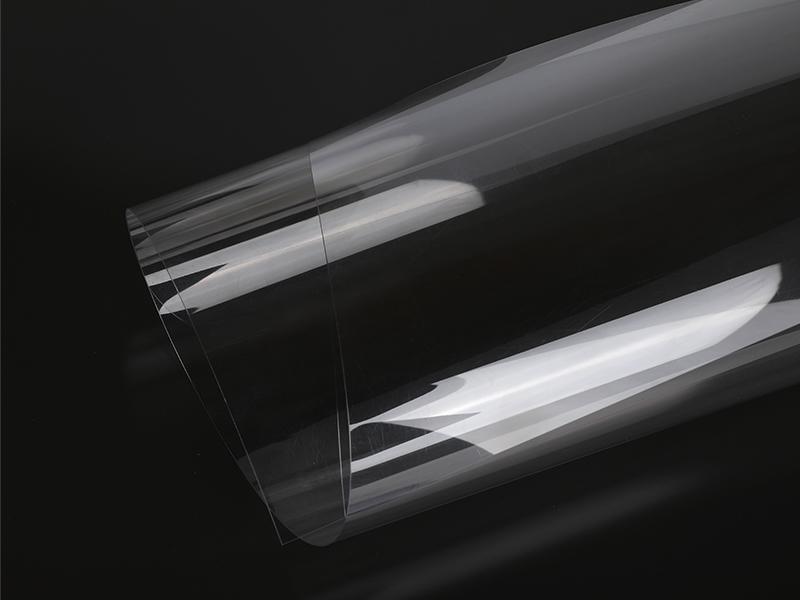
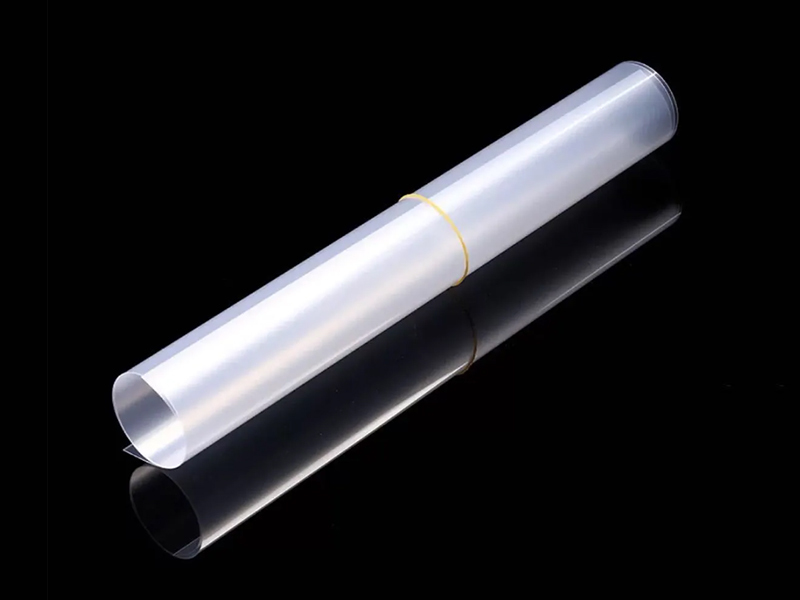
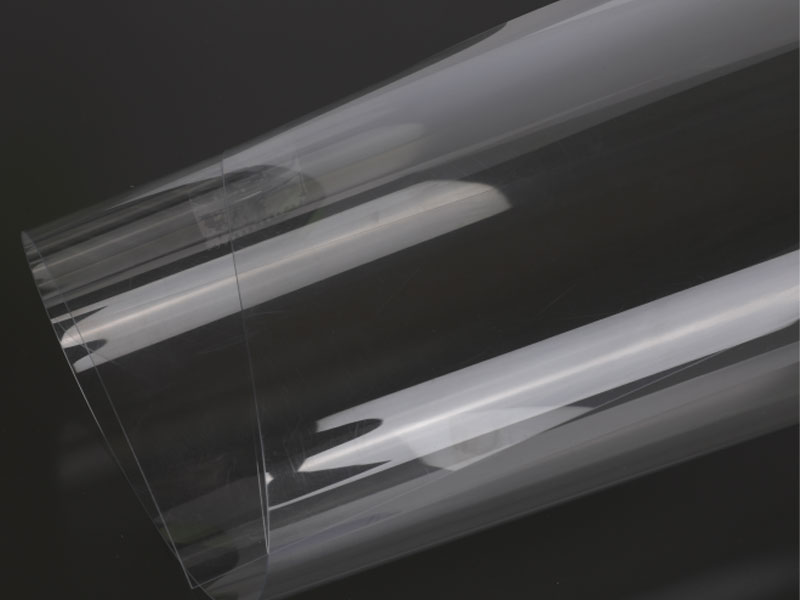
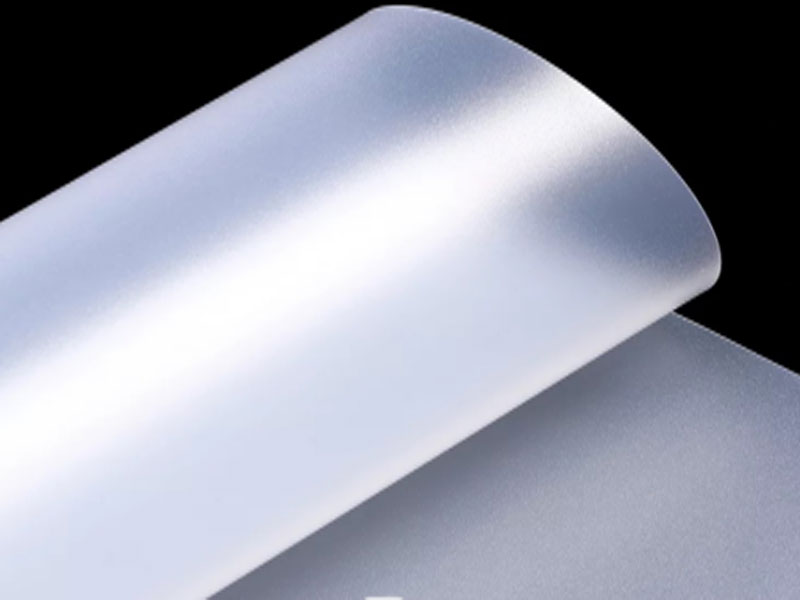
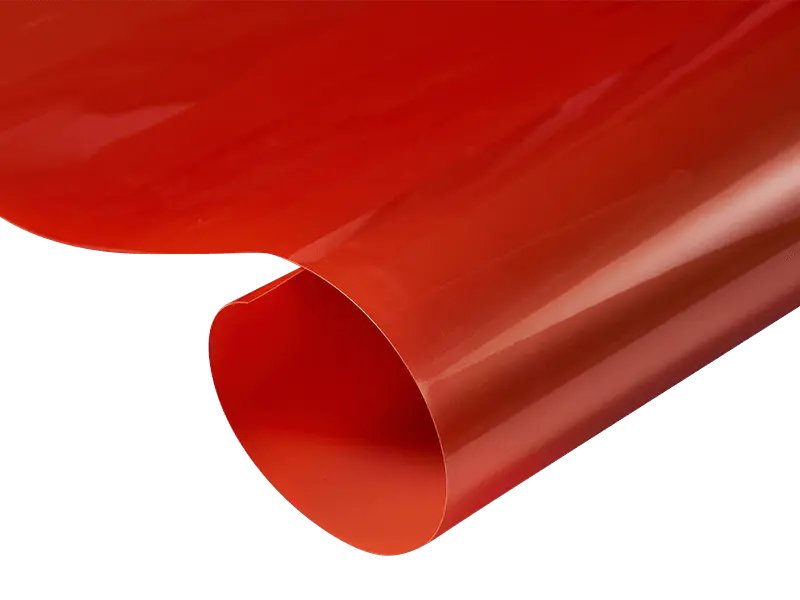
A Decorative PET Film with a metallic finish functions differently from standard surface coatings. Rather than simply changing the color of a surface, it introduces structured optical effects through its layered construction. Viewing the surface from different angles produces a visible shift in tone and intensity — a quality that flat finishes simply cannot replicate.
The layered structure of a metallic decorative film typically includes:
- A protective topcoat resistant to scratching and moisture
- A metallic effect layer — brushed, mirror, hammered, or holographic — that controls how light reflects
- A carrier film (often PET) providing dimensional stability
- An adhesive backing that bonds to the substrate
The result is a surface that moves visually as conditions around it change. Ambient lighting shifts; the surface shifts with it. This is why spaces finished with metallic film feel more dynamic — it is not decoration, it is optical behavior.
How Does Decorative Film Get Applied in Practice?
A Structured Process Produces Clean, Lasting Results
Applying decorative film to interior surfaces does not require specialized construction. It is a careful, staged process that can be completed with minimal site disruption. Done properly, the results are clean, professional, and durable.
Step 1 — Surface Assessment
Inspect the substrate (wall panel, cabinet face, elevator interior, furniture surface) for moisture, oil contamination, or physical damage. Surfaces that are unstable, crumbling, or heavily textured need remediation before film can be applied.
Step 2 — Surface Preparation
Clean the substrate with a mild alcohol-based cleaner or appropriate solvent. Sand any raised edges or surface irregularities. Allow the surface to dry completely.
Step 3 — Measurement and Cutting
Measure the target area accurately. Cut the film slightly larger than the target surface, leaving a margin on each edge. Precise cutting at this stage prevents visible seams later.
Step 4 — Film Positioning and Application
Peel back a section of the liner. Align the film carefully to one edge before committing the adhesive. Use a squeegee or flat applicator to press the film from the center outward, pushing air bubbles toward the edges as you work.
Step 5 — Trimming and Edge Finishing
Once fully applied and smoothed, trim excess film along the edges with a sharp blade. Press edges firmly to ensure full adhesive contact with the substrate.
Step 6 — Final Inspection
Check for lifting edges, air pockets, or uneven adhesion. Small marginal bubbles can often be pressed out. Larger unsettled areas should be repositioned before the adhesive fully cures.
What Goes Wrong When Film Is Applied Incorrectly?
Common Mistakes That Reduce Film Performance
Even with quality material, application errors can undermine the outcome. These patterns appear consistently across commercial installations:
Skipping Surface Preparation
Oil residue, dust, or micro-scratches prevent full adhesion. Film applied to unprepared substrates peels within weeks — sometimes days in high-traffic areas.
Applying Film in Poor Ambient Conditions
Cold temperatures affect adhesive activation. High humidity introduces moisture between the film and substrate during application. Both scenarios compromise bond strength over time.
Stretching the Film During Placement
Metallic films must be laid flat, not pulled. Stretching distorts the metallic pattern and introduces tension that causes lifting along edges.
Leaving Edges Unfinished
On high-contact surfaces — elevator walls, cabinet fronts, door panels — unsealed edges catch physical contact and begin peeling. Proper edge finishing significantly extends service life.
Selecting Material Based Only on Appearance
Visual samples are useful starting points, but substrate compatibility matters equally. Choosing a Plastic PET Film or PVC film without considering adhesive type, surface texture, and application environment can produce inconsistent adhesion results.
What Should Buyers Compare When Sourcing Film Materials?
Key Procurement Factors Side by Side
Procurement decisions for decorative surface film involve variables that buyers may not anticipate at the start of a project. A practical comparison of the factors worth evaluating:
| Factor | What to Evaluate | Why It Matters |
|---|---|---|
| Base Material | PET vs. PVC carrier film | PET offers higher dimensional stability and greater heat tolerance |
| Surface Texture | Brushed, mirror, hammered, holographic | Determines visual effect and suitability for the application context |
| Adhesive Type | Permanent vs. repositionable | Affects installation flexibility and whether removal is clean |
| Thickness | Carrier plus adhesive combined | Thicker films perform better on substrates with minor surface variation |
| Scratch Resistance | Surface hardness rating | Critical for furniture, elevator, and high-contact surfaces |
| Moisture Resistance | Quality of topcoat sealing | Essential for commercial restrooms or humid commercial environments |
| Customization | Pattern, color, roll width | Important for large-scale or brand-specific projects |
| Volume Availability | Wholesale PET Sheet formats | Affects project scheduling and procurement planning for large orders |
Buyers sourcing materials at volume — particularly Wholesale PET Sheet formats for commercial-scale renovation — should also confirm roll stability during transit, production batch consistency, and whether custom surface patterns are available from the manufacturer.
Which Film Formats Work for Which Applications?
Matching Specification to Surface Type
Not every surface calls for the same film specification. Matching the material to its intended context produces more durable and visually consistent results.
Wall Panels and Feature Walls
Wide-format rolls with brushed or hammered metallic textures. Grain direction consistency and seam alignment matter here. Confirm roll width before ordering for large wall areas.
Furniture Surfaces — Cabinets, Shelving, Countertops
Thicker films with hard topcoats. Mirror and chrome finishes work well on flat, smooth substrates. Avoid highly textured films on curved furniture profiles unless the material has sufficient flex.
Elevator Interiors
Films with impact-resistant coatings and reliable edge adhesion. Elevator environments involve repeated contact from passengers and carts — material rated for high-frequency contact performs noticeably better here.
Retail Displays and Branded Commercial Spaces
Holographic or gradient metallic finishes create strong visual interest at eye level. Removable adhesive formats are worth considering for seasonal or rotating display installations.
Doors, Frames, and Panel Transitions
Full-wrap films that cover edges cleanly. PET-based materials with moderate flexibility handle edge transitions better than rigid alternatives.
FAQ
What Makes Metallic Film Visually Different From Standard Vinyl Wrap?
Standard vinyl wrap changes surface color and may add gloss or matte finish, but it does not introduce optical depth. Metallic film incorporates structured reflective layers — brushed, mirrored, hammered, or holographic — that shift in appearance depending on viewing angle and ambient light. The surface reads as dimensional rather than flat.
Can Decorative Film Be Applied Directly Over Existing Paint or Laminate?
In many cases, yes. The substrate needs to be clean, dry, and structurally stable. Flaking paint, delaminating surfaces, or substrates with significant texture variation should be addressed before film application. Smooth, well-bonded substrates produce the cleanest adhesion results.
Is PET-Based Film a Different Category From PVC for Interior Use?
PET carrier films are generally more stable under temperature variation and tend to involve lower volatile compound emissions compared to some PVC formulations. For enclosed or occupied spaces where material composition is a procurement consideration, specifying Decorative PET Film explicitly during sourcing is a practical step.
How Long Does Decorative Film Typically Last on a Commercial Surface?
Service life depends on the application environment, substrate preparation quality, and film specification. Surfaces with protective topcoats in elevator or furniture applications hold up well under regular use. Surfaces exposed to direct moisture, abrasion, or UV without appropriate film specifications degrade at a faster rate.
Can the Film Be Removed Without Damaging the Surface Underneath?
Removability depends on adhesive type and the surface coating of the substrate. Repositionable adhesive formats allow cleaner separation. Permanent adhesive films may leave residue on certain substrates. Confirming adhesive type with the supplier before specifying a product is a straightforward way to set accurate expectations.
Is Volume Purchasing Available for Larger Renovation Projects?
Many manufacturers accommodate volume purchasing for commercial projects. When sourcing wholesale PET sheet material at scale, buyers should confirm roll dimensions, quantity thresholds per color or texture variant, and production timelines for custom specifications.
Does Metallic Film Work on Curved or Irregular Surfaces?
Standard metallic films are designed for flat or gently curved substrates. Highly irregular or compound-curved surfaces require film materials with enhanced flexibility. Applying semi-rigid film to tight curves introduces stress points that cause lifting or cracking at edges over time.
What Is the Correct Cleaning Protocol for Film-Covered Surfaces?
Most metallic decorative films can be cleaned with soft cloths and mild, non-abrasive cleaners. Solvents that could compromise the topcoat or break down edge adhesion should be avoided. For commercial environments with specialized cleaning schedules, confirming chemical resistance specifications with the supplier before installation prevents unintended surface damage later.
How Does Metallic Film Perform in Humid or Kitchen Environments?
Films with sealed topcoats and moisture-resistant adhesive hold up reliably in moderate humidity. For environments with steam, condensation, or repeated water contact, a film explicitly rated for wet-area use — combined with fully sealed edges — prevents water from migrating under the film over time.
Can Custom Patterns or Brand-Specific Finishes Be Produced?
Many manufacturers offer customization options covering pattern, color tone, and surface texture. For large commercial applications — hotel renovations, corporate interiors, retail environments — custom finishes are a practical specification option. Production timelines and order quantity thresholds vary depending on supplier capacity and specification complexity.
What Is the Practical Difference Between Brushed and Mirror Finishes?
Brushed finishes include fine linear texture that scatters ambient light slightly, producing a refined sheen without harsh reflections. Mirror finishes are smooth and highly reflective, creating sharp visual impact suited to statement wall sections or accent furniture. The right choice depends on the space's lighting conditions and the intended visual character.
How Does Film Compare to Metal Panel Cladding as a Renovation Approach?
Metal panel cladding involves significant material weight, structural attachment requirements, and specialized installation. Decorative film achieves comparable visual effects at a fraction of the cost and with far less site disruption. For renovation projects where construction time and operational interference need to be controlled, film-based surface solutions offer a practical balance between visual impact and project logistics.
Choosing the Right Surface Partner
Interior renovation outcomes depend heavily on material selection. Surfaces affect how a space reads visually, how well it holds up over time, and how smoothly the project itself comes together on schedule. Surface film sits at a practical intersection of all three concerns — delivering measurable visual impact without the structural demands of metal cladding, and arriving in formats that can be specified, shipped, and installed within realistic commercial timelines. For procurement teams, interior contractors, and designers working on projects that require consistent surface quality across large areas, the right manufacturer relationship makes the difference between a specification that performs as intended and one that requires rework. ZheJiang ZhongSheng New Materials Co., Ltd. offers a comprehensive range of metallic and decorative surface films suited to commercial interior applications, covering PET-based metallic formats, custom texture options, and volume supply for projects at varying scales. If a project calls for surfaces that move meaningfully beyond ordinary finishes — and calls for them reliably, across repeated orders — reaching out to their team directly to discuss specifications and supply capacity is a practical next step.