 English
 Español
Zhongsheng
Zhongsheng
Zhongsheng
Zhongsheng
Zhongsheng
Zhongsheng
Zhongsheng
Zhongsheng
Zhongsheng
Zhongsheng
Zhongsheng
Zhongsheng
Zhongsheng
Zhongsheng
Zhongsheng
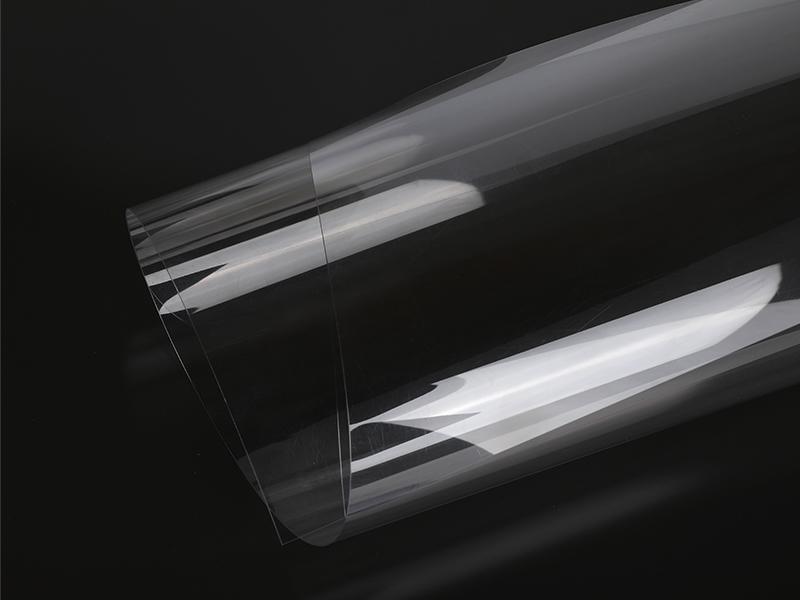
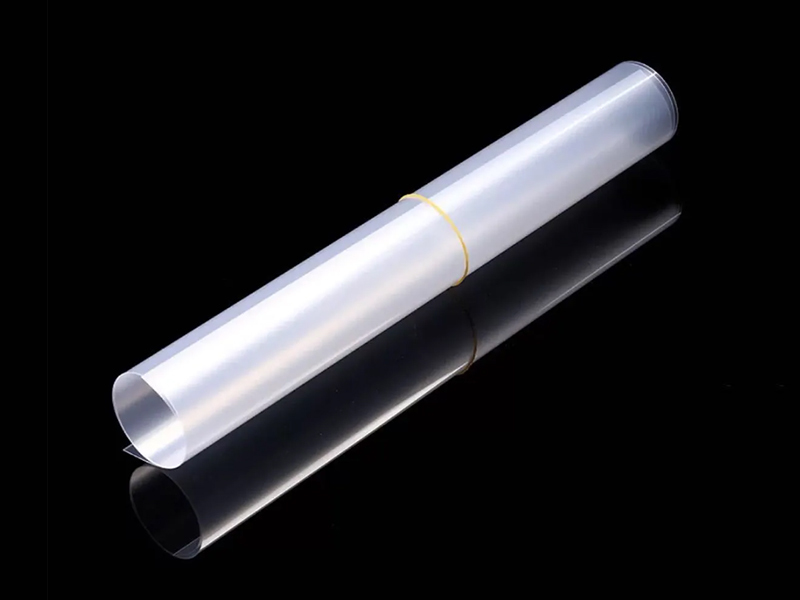
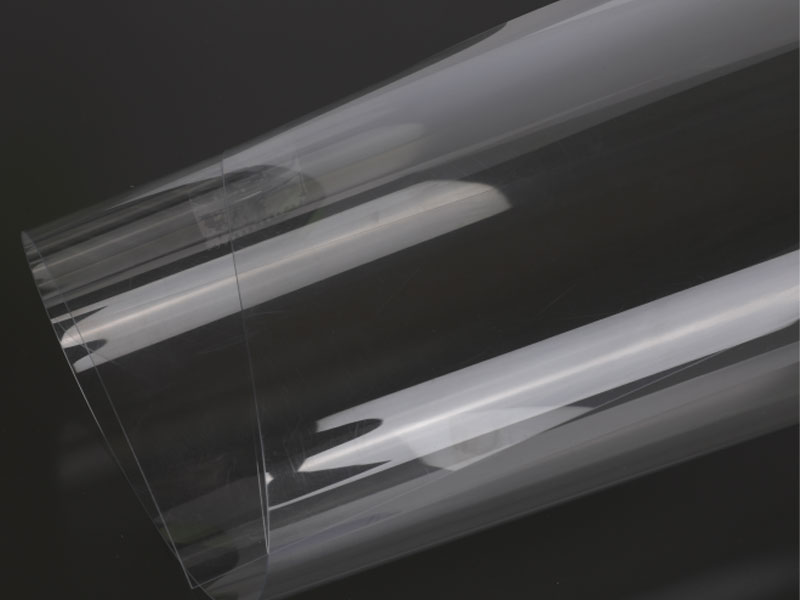
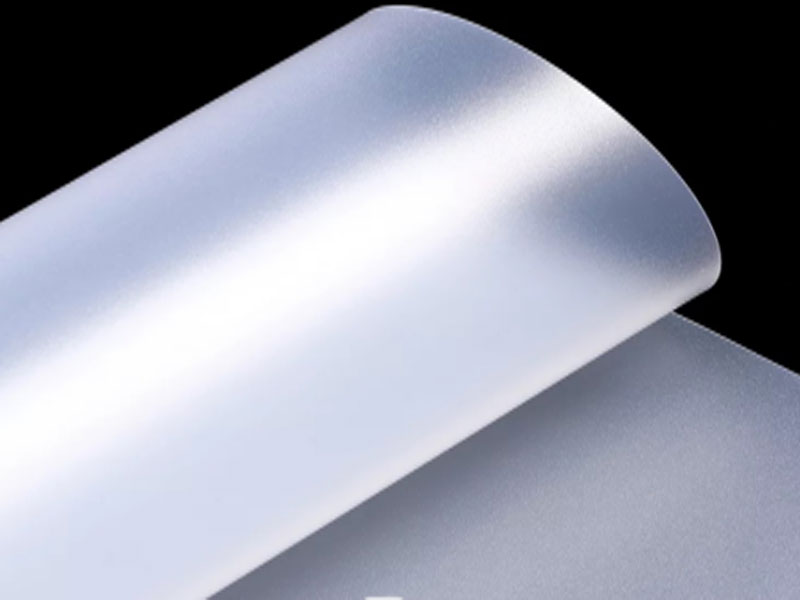
For decades, the flexible packaging industry has been dominated by a simple trio: polyethylene, polypropylene, and polyester (PET). But a new variant is quietly replacing traditional laminates on supermarket shelves, thanks to an invisible bombardment of high-energy electrons. It is called PETG EB Film—and it offers a glimpse of a future without aluminum foil or multi-material pouches.
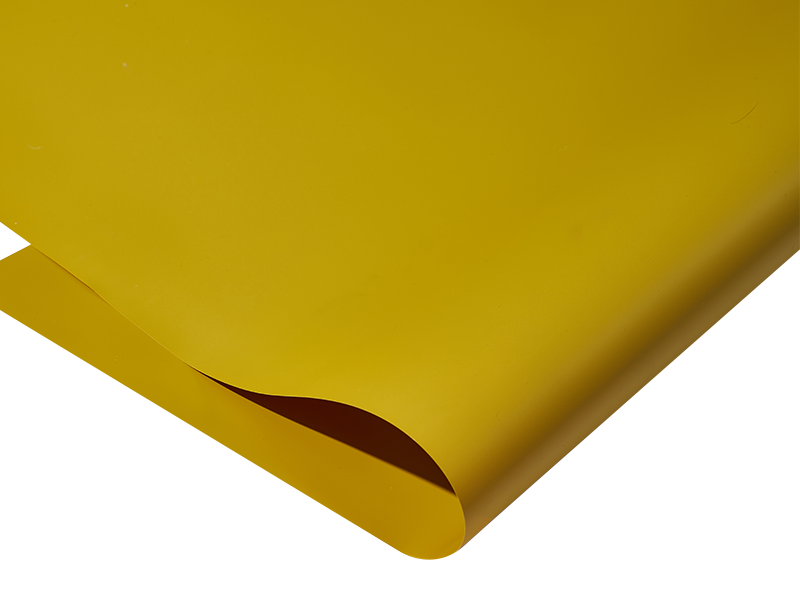
What is PETG EB Film?
Standard PETG (polyethylene terephthalate glycol) is a clear, impact-modified version of regular PET. It is commonly used for medical blister packs and cosmetic jars because it does not shatter like acrylic. However, untreated PETG is a poor oxygen barrier; air passes through it nearly six times faster than through standard PET.
The “EB” refers to electron beam curing. In this process, the finished film passes under a linear accelerator that showers it with electrons traveling at 99.9% of the speed of light. This cross-links the polymer chains at a molecular level, creating a dense mesh that blocks gas molecules. The result is a film that behaves like a rigid barrier without adding aluminum or extra adhesive layers.
How It Compares to Traditional Laminates
Standard “high-barrier” packaging uses a complex structure: PET/adhesive/foil/adhesive/PE. Each layer requires its own production step and creates opportunities for delamination. Recycling these multi-material pouches is nearly impossible because the foil and plastic cannot be separated economically.
PETG EB Film, in contrast, is a monolayer structure. After EB curing, one roll of film achieves oxygen transmission rates (OTR) below 1 cc/m²/day—comparable to metallized PET but without the metal. For coffee, dried meat, and medical device packaging, this barrier level is sufficient to replace foil entirely.
Real-World Performance
In a six-month trial at a German dairy co-op, yogurt pouches made from EB-cured PETG replaced traditional foil-sealed cups. The pouches maintained oxygen levels below 0.5% throughout the shelf life—better than the foil cups, which showed micro-perforations from handling. More importantly, the single-material pouches were recycled in existing PET streams without modification.
A competing trial for beef jerky packaging produced mixed results. While the EB film blocked oxygen effectively, it had slightly higher moisture vapor transmission (MVTR) than foil laminates. For dry products like jerky, this was acceptable. For high-moisture foods like cheese, manufacturers still require a foil layer or a different EVOH-based structure.
The Durability Question
Electron beam curing does not change the fundamental chemistry of PETG, which is sensitive to certain solvents and high heat. PETG EB Film retains the same resistance to alcohols and oils as standard PETG, but it can become brittle if exposed to UV radiation for extended periods. This limits its use for clear outdoor packaging—think sunscreen bottles left on a beach—where UV stabilizers must be added.
On the other hand, the EB process improves puncture resistance by approximately 20% compared to non-cured PETG. Package testing at a Midwest snack manufacturer found that bags made from EB film survived 30% more drop tests from warehouse conveyor belts than standard biaxially-oriented PET.
The Environmental Math
A life-cycle analysis conducted by a European packaging institute calculated that switching from a foil laminate (PET/Alu/PE) to PETG EB Film reduces carbon footprint by 38 percent, primarily because the EB version requires no solvent-based adhesives and allows mono-material recycling. Furthermore, the EB process itself consumes no water and emits no volatile organic compounds.
However, the study noted that EB-cured PETG cannot yet be recycled in curbside programs that only accept regular PET bottles because the cross-linked structure behaves differently during melt processing. This is a temporary issue; recycling infrastructure is expected to adapt as EB films gain market share.
The Final Take
PETG EB Film is not a magic bullet. It cannot replace foil for retort pouches (which must withstand sterilization at 121°C) or for pharmaceutical blisters requiring absolute zero oxygen transmission. But for dry snacks, coffee, medical devices, and cosmetics, it offers a compelling combination of clarity, puncture resistance, and single-material recyclability.
As electron beam curing becomes more affordable and accessible, expect to see this technology migrate from boutique packaging lines to everyday grocery aisles. The invisible electron shower may be the important thing to happen to plastic film since biaxial orientation.