 English
 Español
Zhongsheng
Zhongsheng
Zhongsheng
Zhongsheng
Zhongsheng
Zhongsheng
Zhongsheng
Zhongsheng
Zhongsheng
Zhongsheng
Zhongsheng
Zhongsheng
Zhongsheng
Zhongsheng
Zhongsheng
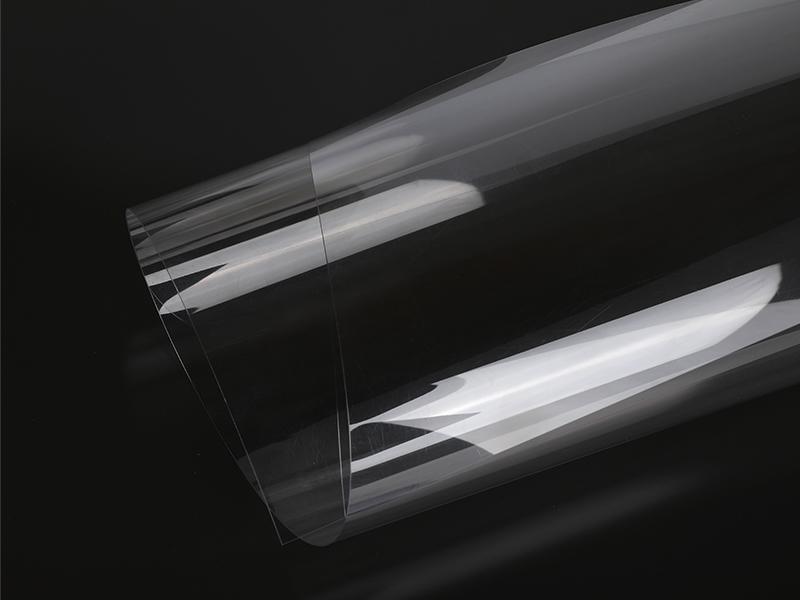
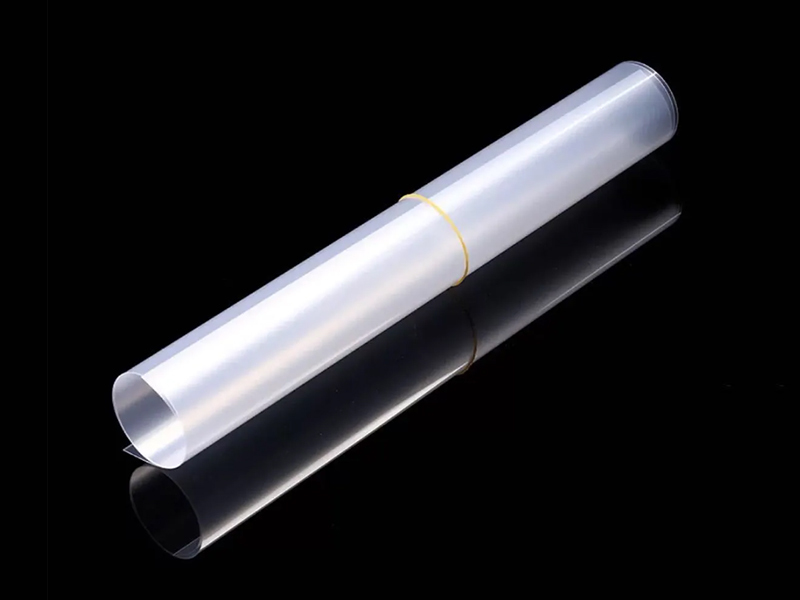
Transparent engineering plastics have become essential materials in modern fabrication, packaging, and interior protection systems. Among them, clear PET sheet is frequently compared with acrylic panels because both deliver glass-like visibility while reducing weight and improving processing flexibility. The question is not only about optical clarity, but also about structural behavior, thermal response, and long-term durability under real working conditions.
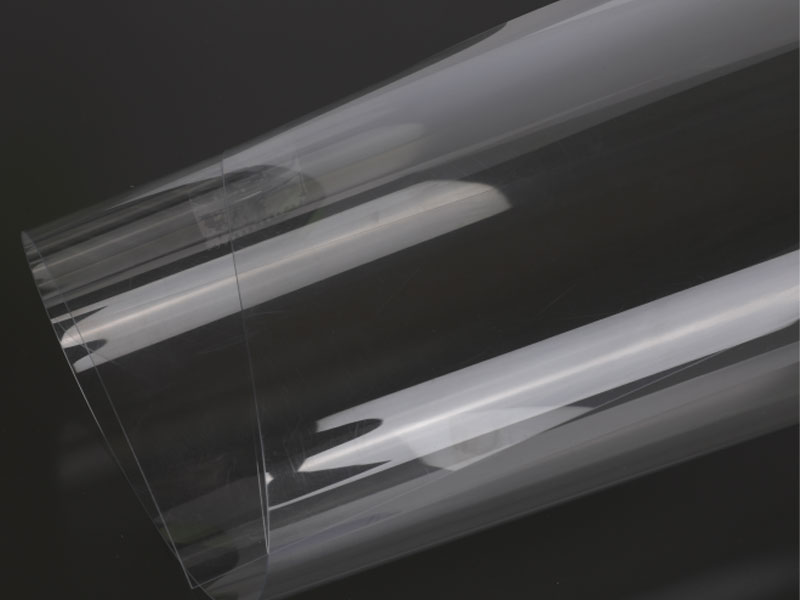
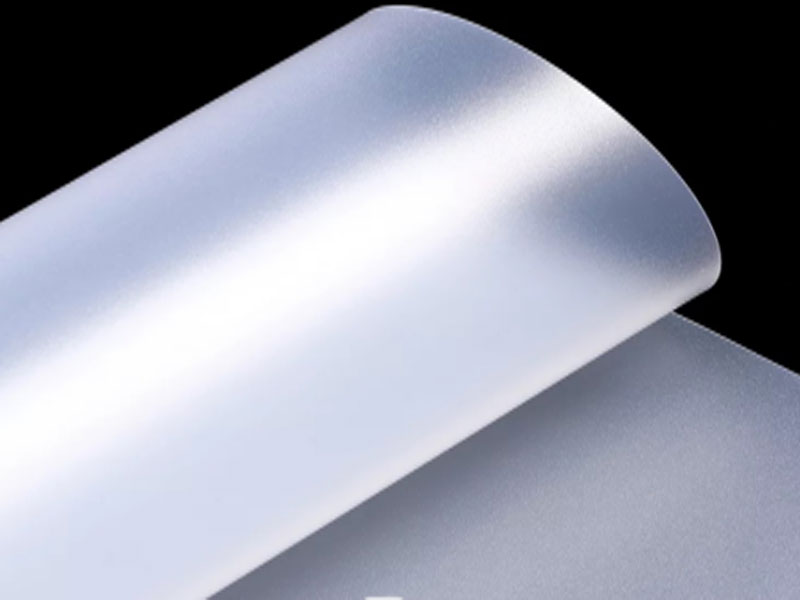
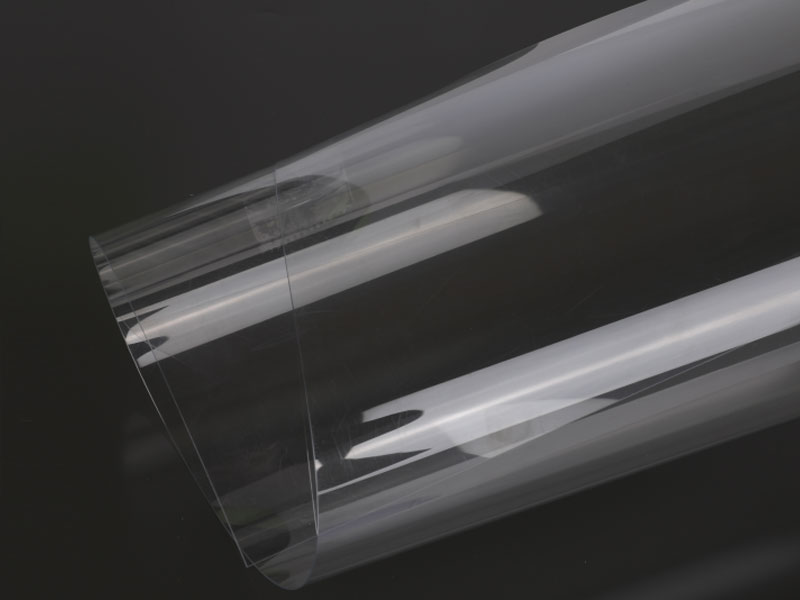
Clear PET sheet is a thermoplastic polyester material produced through stretching or extrusion processes, offering high transparency, strong tensile properties, and stable dimensional performance. Industry data shows light transmission can reach above 88–90% depending on thickness, with haze levels often kept below 3% in high-grade formulations. These characteristics position it as a strong candidate for applications requiring visibility combined with toughness.
Optical performance and visual consistency
Visual clarity is often the starting point of comparison. Acrylic is known for high gloss and brightness, yet clear PET sheet maintains a similar level of transparency while offering improved resistance to surface stress marks.
Key optical characteristics include:
- Light transmission typically near 90% in industrial grades
- Low haze values suitable for display and packaging use
- Stable clarity after forming and cutting operations
- Reduced risk of whitening at stressed bend areas compared with brittle plastics
Clear PET sheet also maintains consistent optical performance after thermoforming, which is important in curved display covers and protective housings. Acrylic, while visually sharp, can show stress lines at drilled or bent sections under repeated load.
Mechanical strength under real use conditions
Mechanical behavior is one of the main reasons PET-based sheets are widely adopted in industrial environments. Clear PET sheet demonstrates higher impact resistance than acrylic in many practical situations, especially where sudden force or vibration is present.
Typical mechanical characteristics include:
- Tensile strength generally above 50 MPa depending on grade
- Impact resistance several times higher than standard acrylic sheets
- Elastic deformation before cracking rather than brittle fracture
- Resistance to cracking around fastener holes or cut edges
PETG variants further improve flexibility and reduce stress whitening at fold points, making them suitable for safety shields and machine guards .
This difference becomes critical in environments such as retail fixtures, protective covers, and industrial enclosures where accidental contact is unavoidable.
Thermal response and processing behavior
Processing flexibility is another area where clear PET sheet stands out. Acrylic requires controlled heating and careful machining to avoid cracking, while PET-based sheets respond more forgivingly during fabrication.
Typical thermal behavior includes:
- Thermoforming range suitable for vacuum forming and bending
- Stable dimensional structure after heating cycles
- Reduced internal stress accumulation during cutting
- Compatibility with CNC routing and die-cutting methods
Clear PET sheet can be formed into trays, panels, and curved covers without requiring complex pre-drying steps in many grades. This reduces production complexity and shortens manufacturing cycles in mass production environments.
Acrylic, although capable of heat forming, demands stricter temperature control to prevent surface distortion or internal stress formation.
Chemical resistance and environmental stability
Exposure to chemicals, cleaning agents, and environmental moisture often determines material lifespan in real applications. Clear PET sheet performs well in these conditions due to its stable polyester molecular structure.
Key resistance properties include:
- Tolerance to dilute acids and common industrial cleaning agents
- Resistance to oils, fats, and many organic solvents
- Low moisture absorption compared with some engineering plastics
- Stable performance in indoor and semi-outdoor environments
This chemical stability makes PET-based sheets suitable for food packaging, medical shields, and display covers where hygiene and cleaning cycles are frequent. Acrylic also provides resistance to certain chemicals, but surface crazing can occur under prolonged exposure to harsh agents.
Fabrication flexibility and production efficiency
Manufacturing adaptability plays a major role in material selection for industrial users. Clear PET sheet supports multiple fabrication methods without requiring specialized equipment.
Common processing methods include:
- CNC cutting and engraving
- Vacuum thermoforming
- Die punching and trimming
- Lamination and surface printing
- Cold bending within controlled radii
Because PET sheet maintains structural integrity during cutting and drilling, production waste rates are often lower compared with brittle alternatives. This improves material utilization in large-scale manufacturing operations.
In contrast, acrylic may require slower machining speeds and additional polishing steps to restore edge clarity.
Application scope across industries
Clear PET sheet is widely used across sectors where transparency and durability must coexist. Its application range continues to expand due to its balance of cost efficiency and performance.
Common usage scenarios include:
- Protective machine covers in industrial equipment
- Retail display panels and signage glazing
- Food packaging trays and transparent containers
- Electronic device protective layers and insulation panels
- Architectural interior partitions and light diffusers
Its adaptability allows designers to replace multiple material types with a single sheet solution, simplifying supply chains and fabrication processes.
Limitations and practical considerations
Despite its advantages, clear PET sheet is not universally superior. Material selection still depends on environmental demands and performance priorities.
Key considerations include:
- Lower scratch resistance compared with hard-coated acrylic options
- Temperature limits that may restrict high-heat applications
- Potential surface marking under abrasive contact conditions
- Requirement for protective films in high-visibility installations
These factors mean surface treatment or coating solutions are sometimes required in demanding environments.
Material selection perspective
Clear PET sheet and acrylic panels both serve important roles in transparent material applications, but their strengths differ in practical use. PET-based sheets emphasize impact resistance, processing flexibility, and balanced optical performance, while acrylic focuses on surface hardness and visual brilliance.
Rather than a direct replacement scenario, material selection is increasingly based on application context—structural stress, fabrication method, and lifecycle requirements. Clear PET sheet continues to gain adoption in areas where durability and production efficiency outweigh purely optical considerations.